

Somewhere along the way, we stopped being the kids in the story and became the adults holding it together.
It happened quietly. There was no ceremony, no clear moment when responsibility tapped us on the shoulder and said it was our turn. One day we were borrowing tools from our parents. The next, our parents were asking us how to fix the phone. The bridge became a place we stood on, not just something we remembered crossing.
We are the generation that learned how to translate.
We translate patience to children who have never had to wait for anything. We translate resilience to parents who lived through war, ration cards, and handwritten letters that carried both hope and fear. We explain technology upward and empathy downward. We speak both languages, even when it is exhausting.
Our childhood taught us how to sit with ourselves. To exist without constant input. To let silence stretch without filling it. That skill was never listed on a resume, but it became the foundation for everything we built later.
When our own children came along, many of us tried to give them both worlds. We handed them smartphones but also nudged them outside. We installed Wi-Fi but still insisted on family dinners. We struggled, sometimes clumsily, trying to preserve something we could feel slipping through our fingers but could not fully define.
It was never about nostalgia for us.
It was about grounding.
We knew, instinctively, that something important lived in slowness. In friction. In effort. In having to wait your turn, to share space, to read the room instead of a screen.
We became parents in a world that did not resemble the one that raised us.
Rules changed. Norms shifted. Screens moved from novelty to necessity. And while younger generations adapted seamlessly, we felt the weight of remembering both before and after.
We remember when privacy meant closing a bedroom door, not adjusting settings. When mistakes faded with time instead of living forever online. When arguments ended at the school gate instead of following you home in your pocket.
That memory shapes how we move through the world now.
We hesitate before posting. We pause before reacting. We still believe some things should be handled face to face, voice to voice, eye to eye. Not because we are resistant to change, but because we know what gets lost when everything becomes instant.
Many of us now care for aging parents.
We sit beside them on couches and porches, answering the same questions gently, even when patience runs thin. We fix what breaks. We explain what no longer makes sense. We hold stories they can no longer hold themselves.
And we remember.
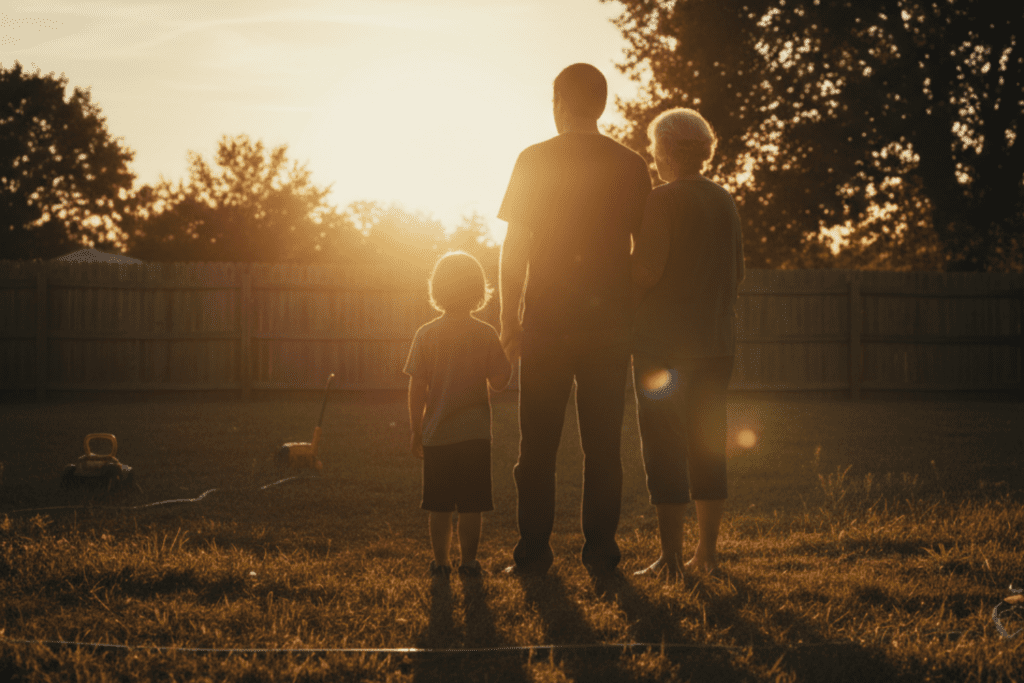
We remember them teaching us how to tie shoes, how to cross the street, how to say thank you. We remember when they were strong and certain and endlessly capable. That memory softens us when frustration creeps in.
Because we understand the circle.
We are also the ones watching our children grow up faster than we did.
Their world is louder. More connected. More visible. They carry pressures we never imagined at their age. And even when we do not fully understand their culture, their humor, their speed, we try.
We try because we remember being misunderstood too.
We remember adults shaking their heads at our music, our clothes, our slang. We remember wanting space to become ourselves. That memory makes us more careful not to dismiss what we do not immediately recognize.
Still, we worry.
We worry about attention spans and self-worth and whether constant comparison is quietly eroding something fragile. We worry about how rarely boredom visits them now, and what that might mean for creativity, patience, and depth.
But instead of lecturing, we model.
We show them how to sit at a table and talk. How to listen without interrupting. How to repair something instead of replacing it. How to stay present even when distraction is easier.
We do this not perfectly, but consistently.
Because consistency is what raised us.
As we age, we feel time differently.
We notice seasons passing faster. Music sounding older. Landmarks disappearing. Stores we once knew replaced by something brighter and less personal.
And yet, we are not lost.
We carry orientation inside us.
We know how to slow a moment down. How to listen past noise. How to hold space for discomfort without immediately trying to escape it. These are not small things. They are survival skills.
We are the generation that learned compromise before algorithms decided what we see. We learned nuance before outrage became currency. We learned that people are rarely just one thing.
That knowledge feels increasingly important.
When the world feels divided and brittle, we instinctively reach for common ground. We remember when disagreement did not mean exile. When neighbors could argue politics and still borrow sugar.
We are not naive.
We know the past had its failures. Its blind spots. Its injustices. We lived through them. We still work to correct them.
But we also know the value of what came before.
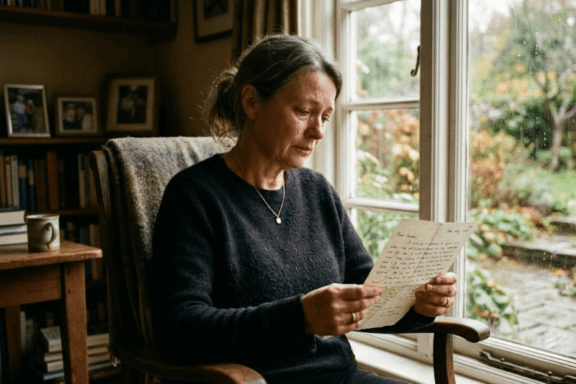
The weight of a handwritten note.
The calm of an unhurried conversation.
The satisfaction of earning trust over time.
These are not outdated concepts.
They are anchors.
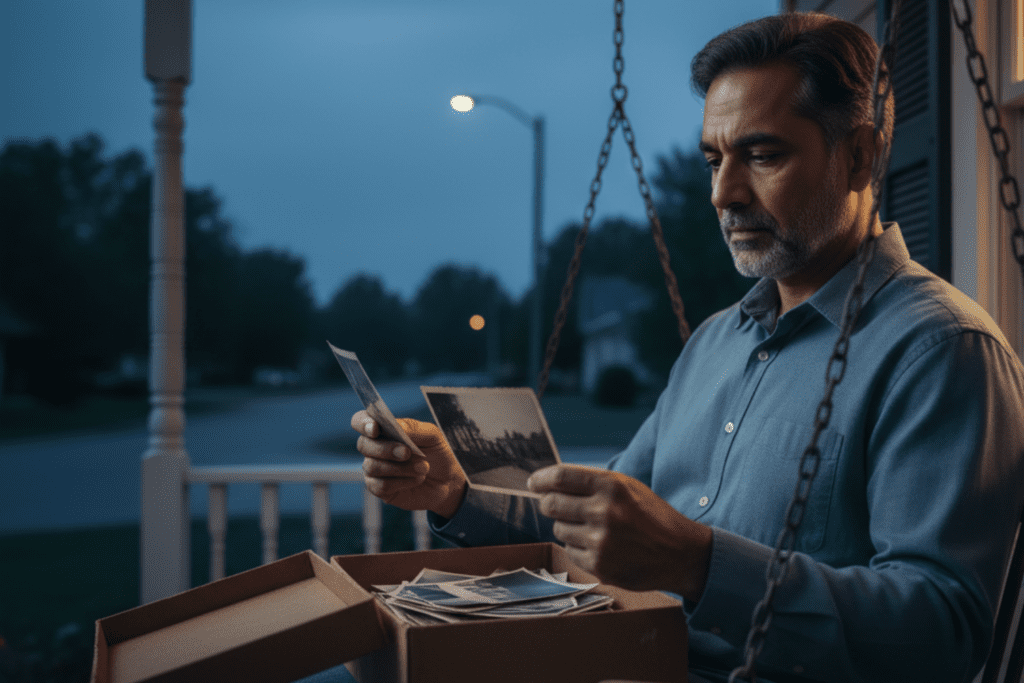
We are often tired.
Tired from holding the middle. From explaining both sides. From carrying memory and responsibility at the same time.
But we are also steady.
When systems change too fast, we remind people of what lasts. When progress forgets humanity, we reintroduce it. When tradition refuses growth, we gently challenge it.
We are not the loudest generation.
We do not trend well.
But we endure.
And endurance has a quiet power.
One day, we will be the elders being translated. The ones asking for patience. The ones hoping someone remembers how to sit with us, answer slowly, and listen without rushing.
If we are lucky, the people we raised will do for us what we did for those before us.
Not because they were told to.
But because they watched us do it.

No Comments