

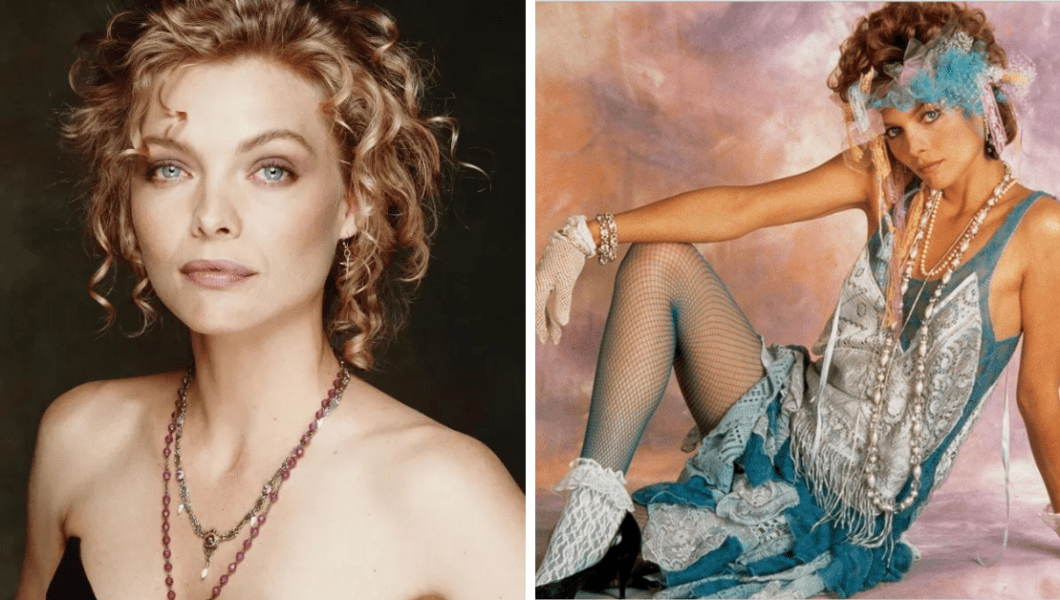
Few actresses in Hollywood have combined elegance, skill, and an air of mystery quite like Michelle Pfeiffer.
During the 1980s and 1990s, she became one of the industry’s most sought-after stars. Her performances brought her major recognition, including a Golden Globe, a BAFTA Award, and nominations for three Academy Awards as well as a Primetime Emmy.
Pfeiffer’s journey began with smaller appearances in television and film before she landed her first leading role in Grease 2 in 1982.
Yet it was her striking portrayal of Elvira Hancock in Scarface in 1983 that truly cemented her place in Hollywood and introduced her to a global audience.
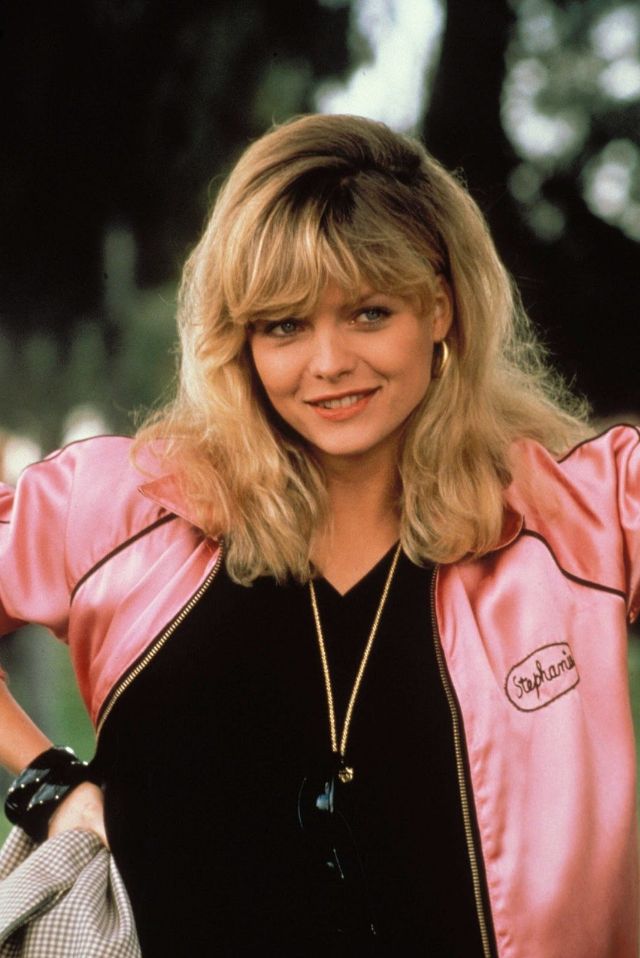
Her rise in Hollywood only strengthened with standout roles in The Witches of Eastwick in 1987 and Tequila Sunrise in 1988. That same year, her performance in Married to the Mob brought her the first of six straight Golden Globe nominations, marking a new chapter in her career.
She continued to impress critics and audiences alike with powerful performances in Dangerous Liaisons in 1988 and The Fabulous Baker Boys in 1989, both of which earned her Academy Award nominations. For The Fabulous Baker Boys, she also won a Golden Globe, further confirming her status as one of the most versatile and compelling actresses of her generation.

By the early 1990s, Pfeiffer had become one of Hollywood’s highest-earning actresses, carefully selecting roles that highlighted her depth and versatility. She delivered memorable performances in The Russia House in 1990 and Frankie and Johnny in 1991, further expanding her range on screen.
In 1992, she captivated audiences with her unforgettable turn as Catwoman in Batman Returns, a role that quickly became one of the most iconic portrayals in comic book film history. That same year, her performance in Love Field earned her a third Academy Award nomination, reinforcing her reputation as one of the era’s leading talents.
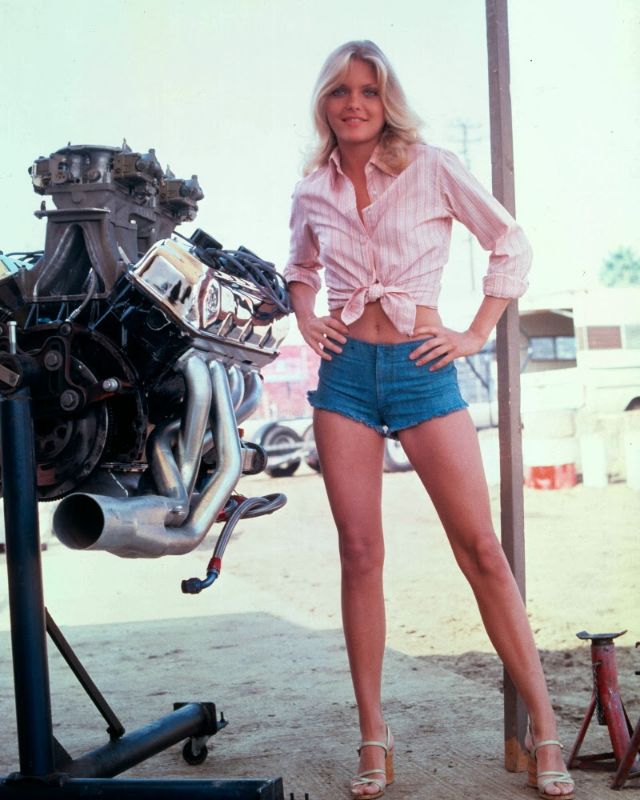
Often celebrated as one of the most beautiful and gifted actresses in the industry, Pfeiffer did not always have an easy path in Hollywood. Early in her career, she was frequently cast in roles that focused more on her appearance than her abilities.
Refusing to be defined by that image, she deliberately sought out layered and challenging characters, determined to showcase her talent and prove that her success was built on far more than looks alone.
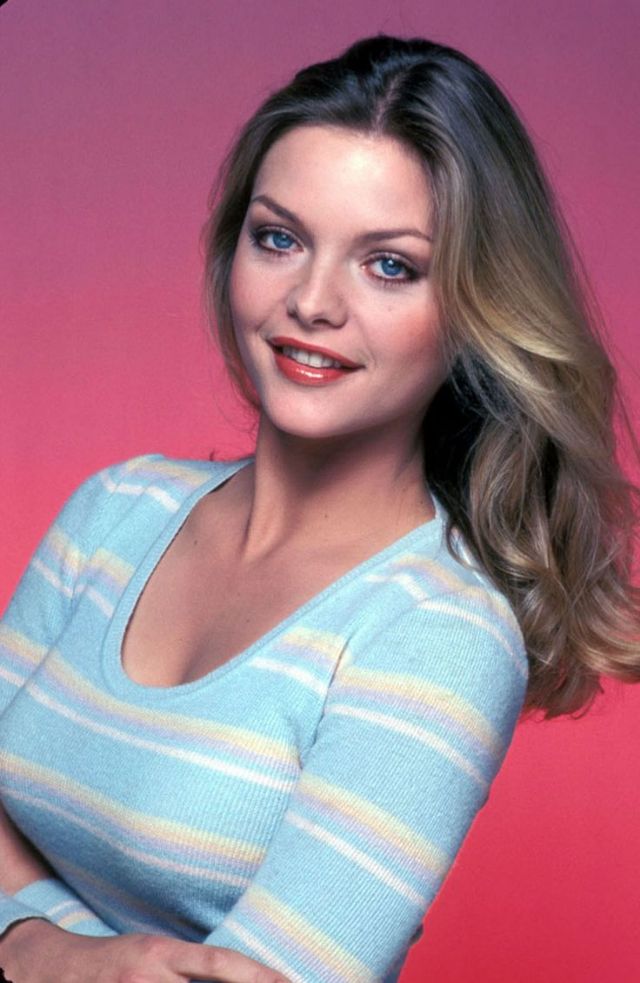
Throughout the 1980s and 1990s, Pfeiffer was considered one of the era’s leading sex symbols, frequently described as an “It girl” of her time.
In 1990, she graced the inaugural cover of People magazine’s annual “50 Most Beautiful People in the World” issue, eventually appearing in the issue a record-breaking six times throughout the decade.

Even at the height of her success, Pfeiffer chose to keep her personal life largely out of the spotlight, much like the complex and guarded characters she often portrayed in her films.
As Matthew Jacobs of HuffPost Canada once observed, she stands out as a major Hollywood star who does not carry herself with the air of celebrity. That grounded nature has allowed her to approach her roles with sincerity and focus, ensuring that her performances remain at the forefront rather than the fame surrounding them.
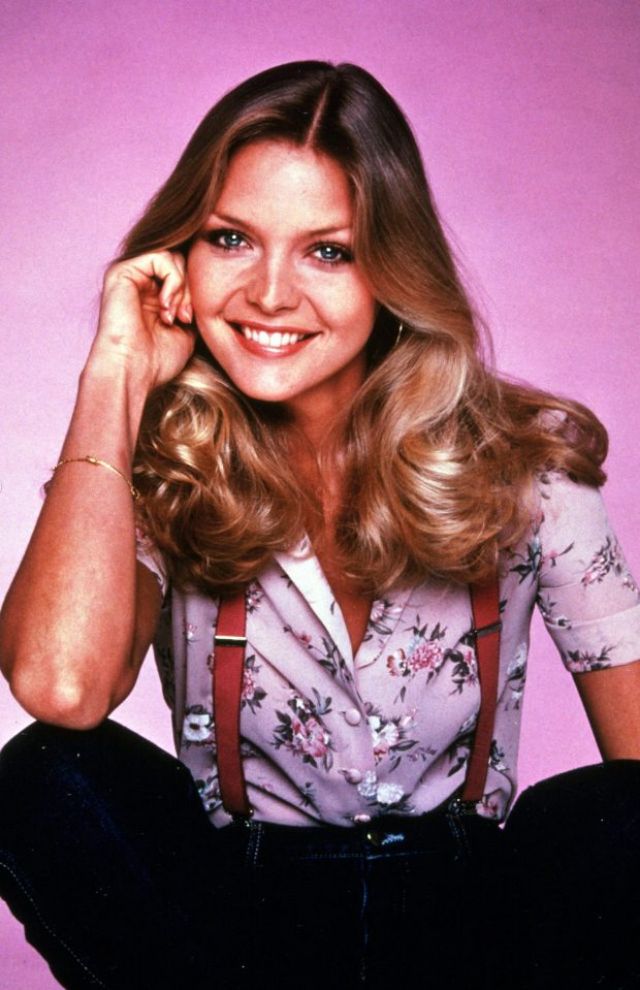
Luke Goodsell, writing for repertory cinema Metrograph, once reflected on how uniquely mysterious Pfeiffer appeared among the stars of the 1990s. He noted that while she was widely regarded as a sex symbol, she did not fit the classic femme fatale image associated with Sharon Stone.
She could convincingly portray offbeat and romantic characters, yet she was never framed as the all-American sweetheart in the same way as Julia Roberts or Meg Ryan. And despite her undeniable talent, she was not always grouped alongside dramatic powerhouses like Meryl Streep or Jodie Foster. That rare blend of qualities is what made her presence on screen so distinctive.
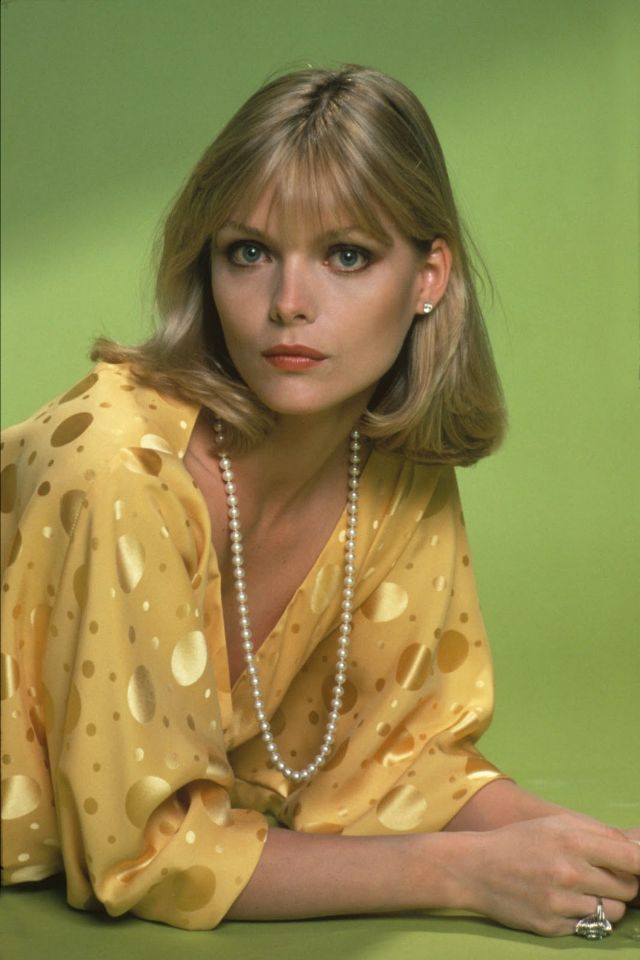
Recognized for rarely granting press interviews, Pfeiffer has carefully preserved an air of intrigue around her public image. By maintaining that distance, she has encouraged audiences to connect more deeply with the roles she portrays, rather than becoming distracted by the fame attached to her name.


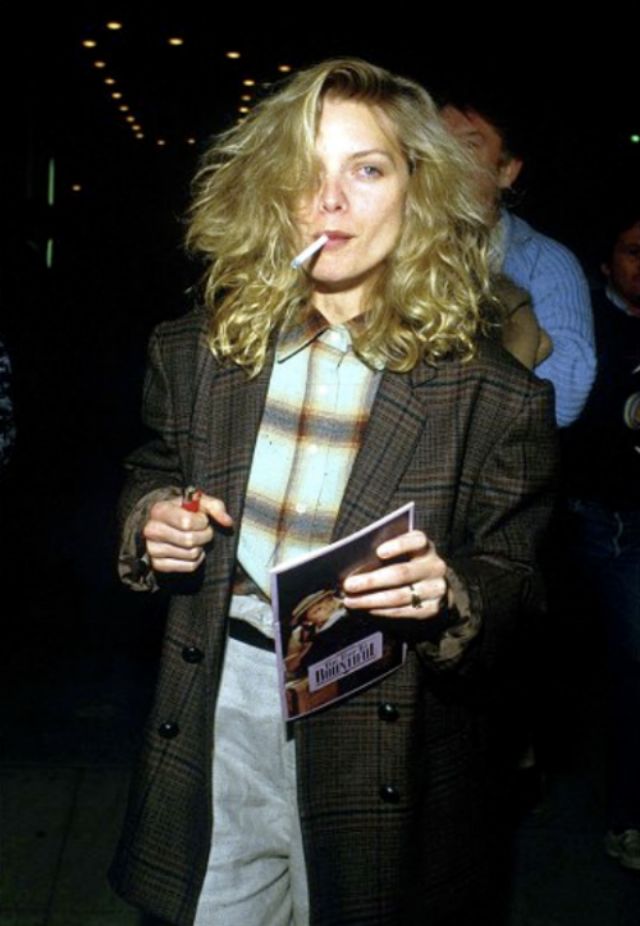
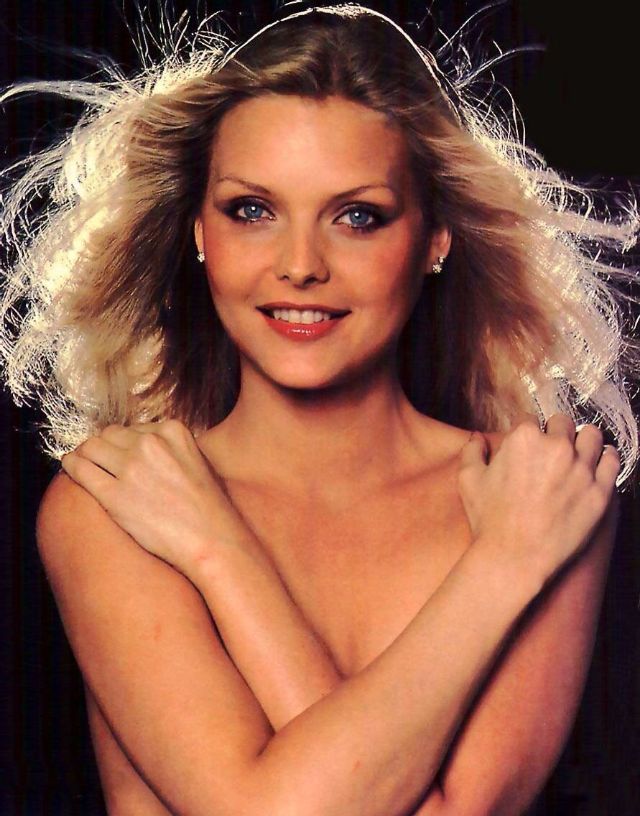


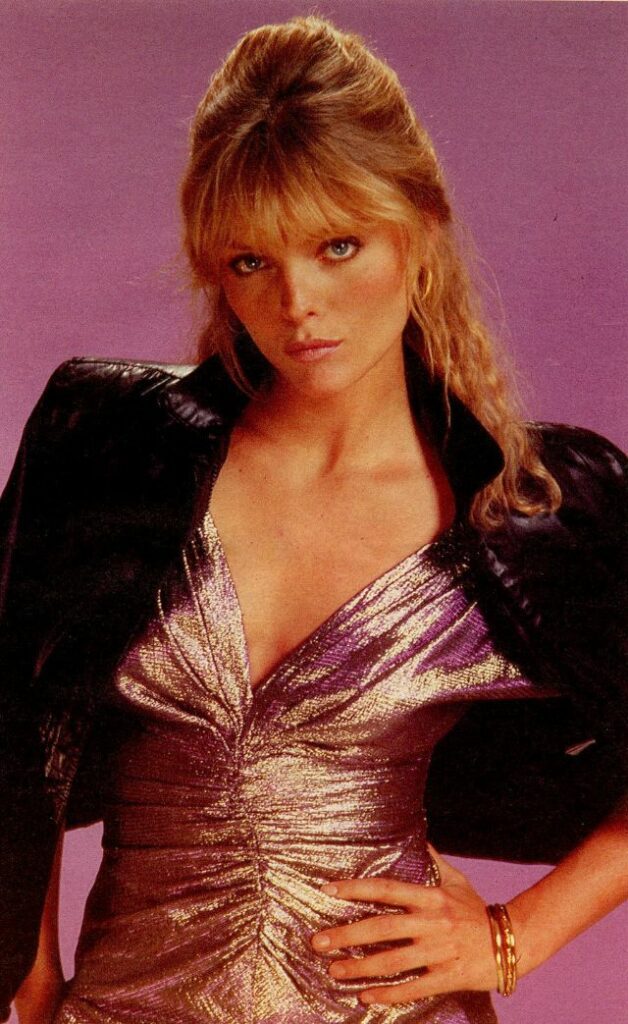

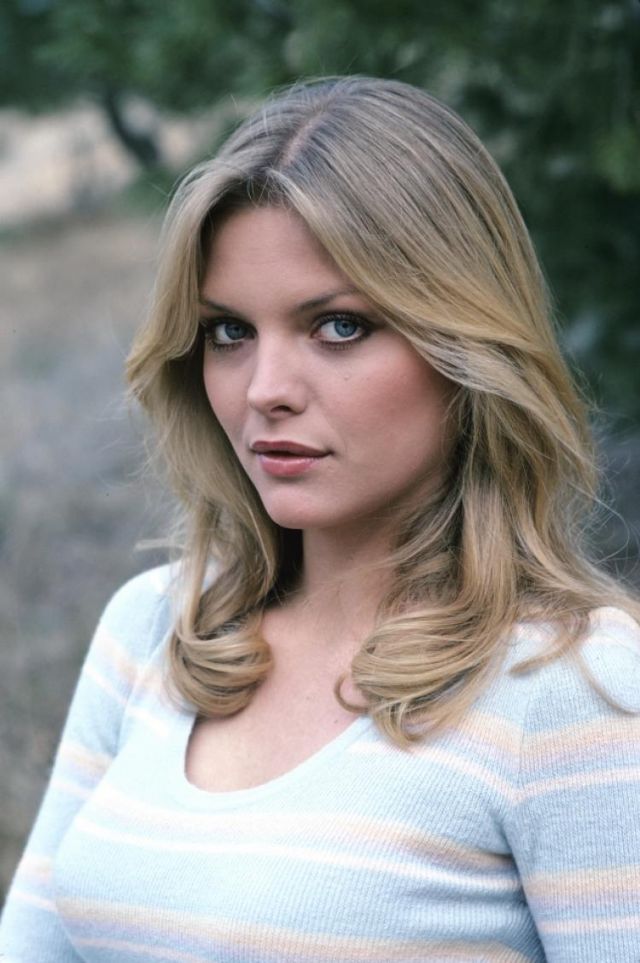
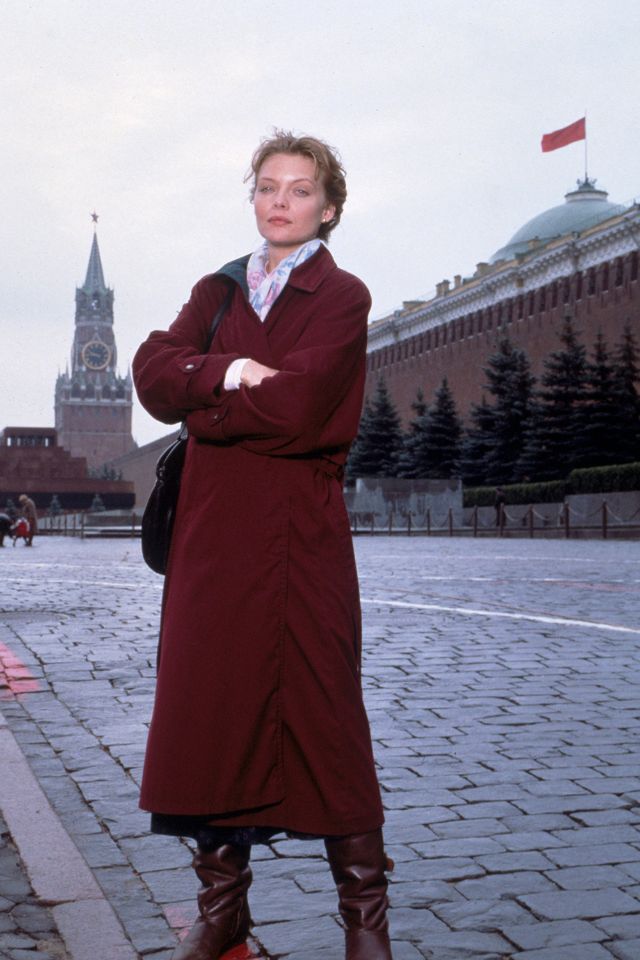
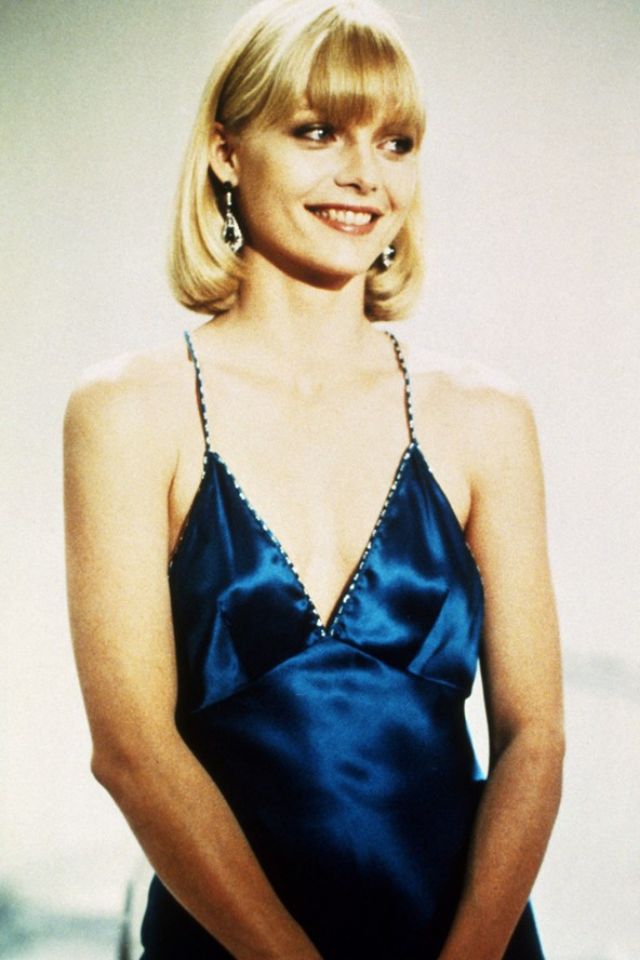
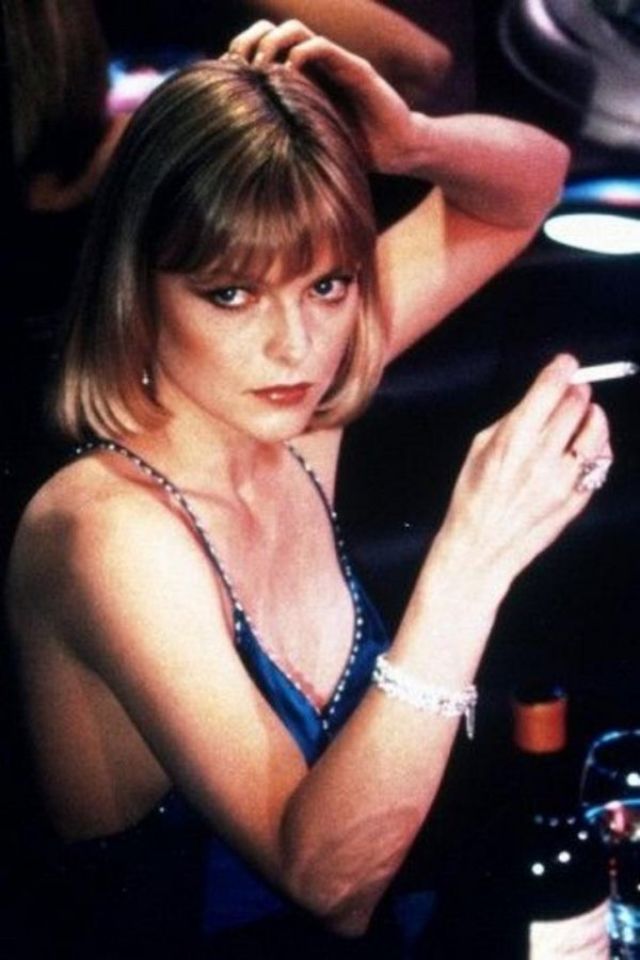
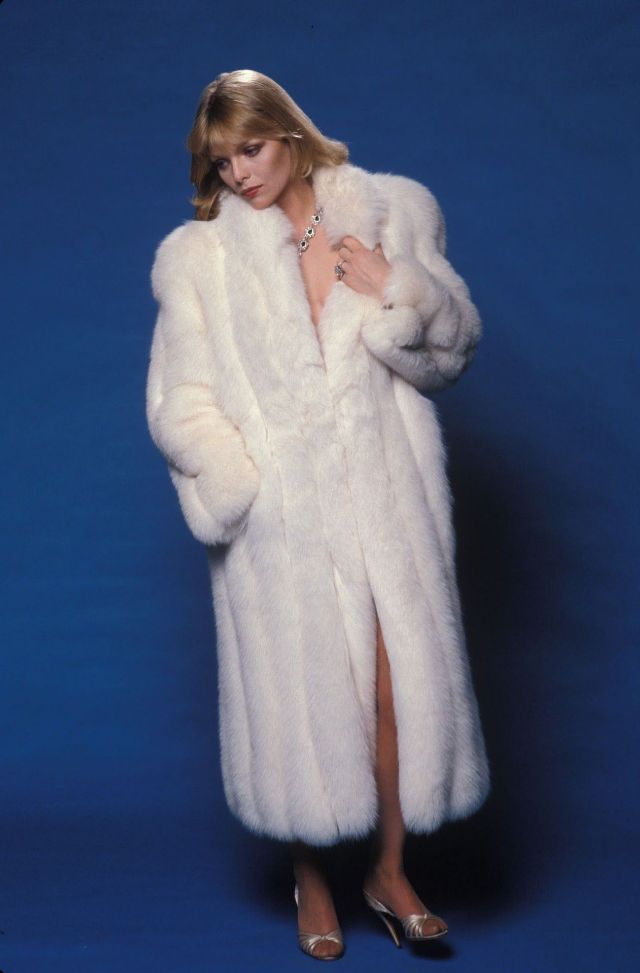

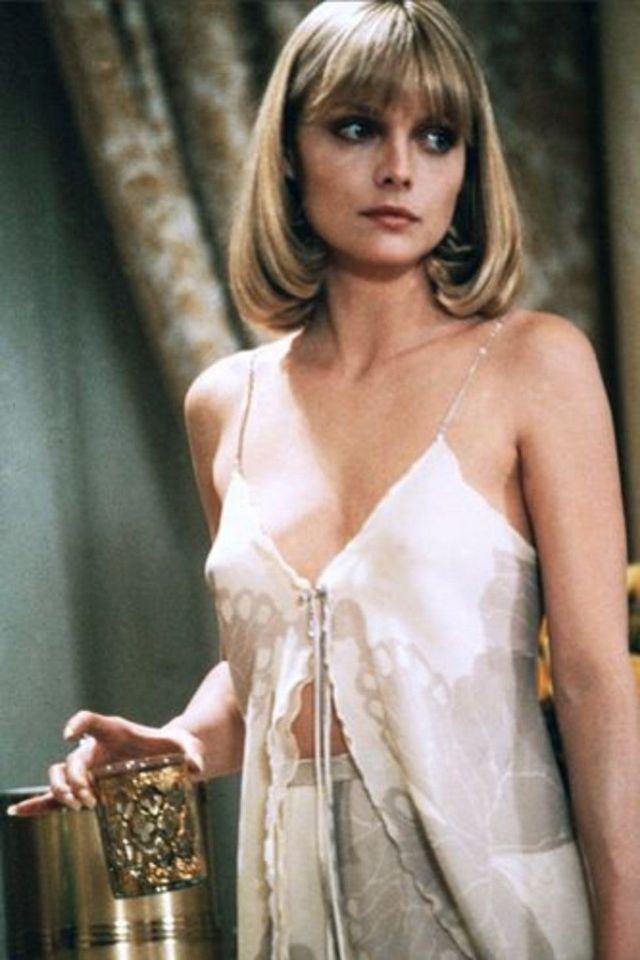
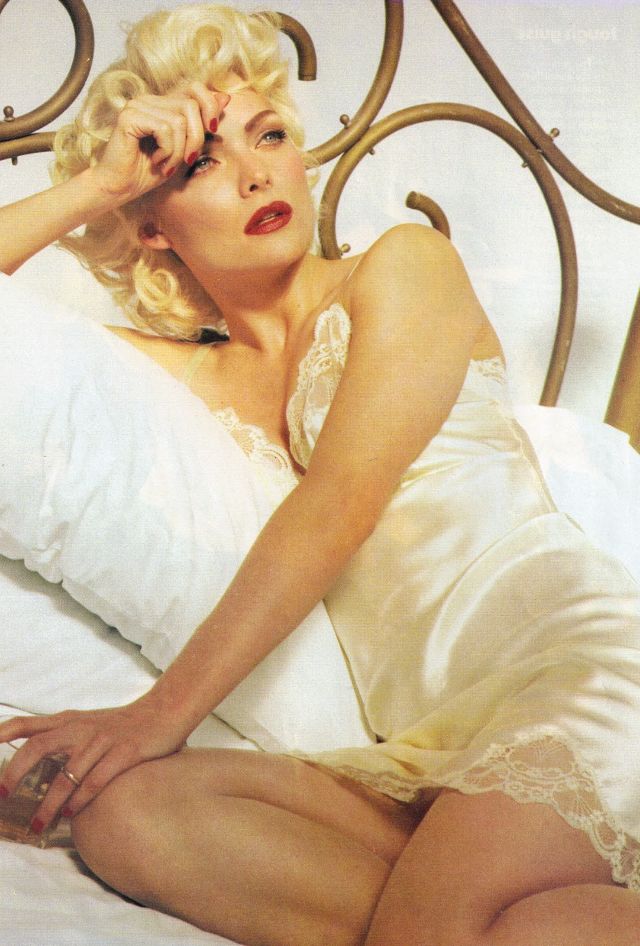
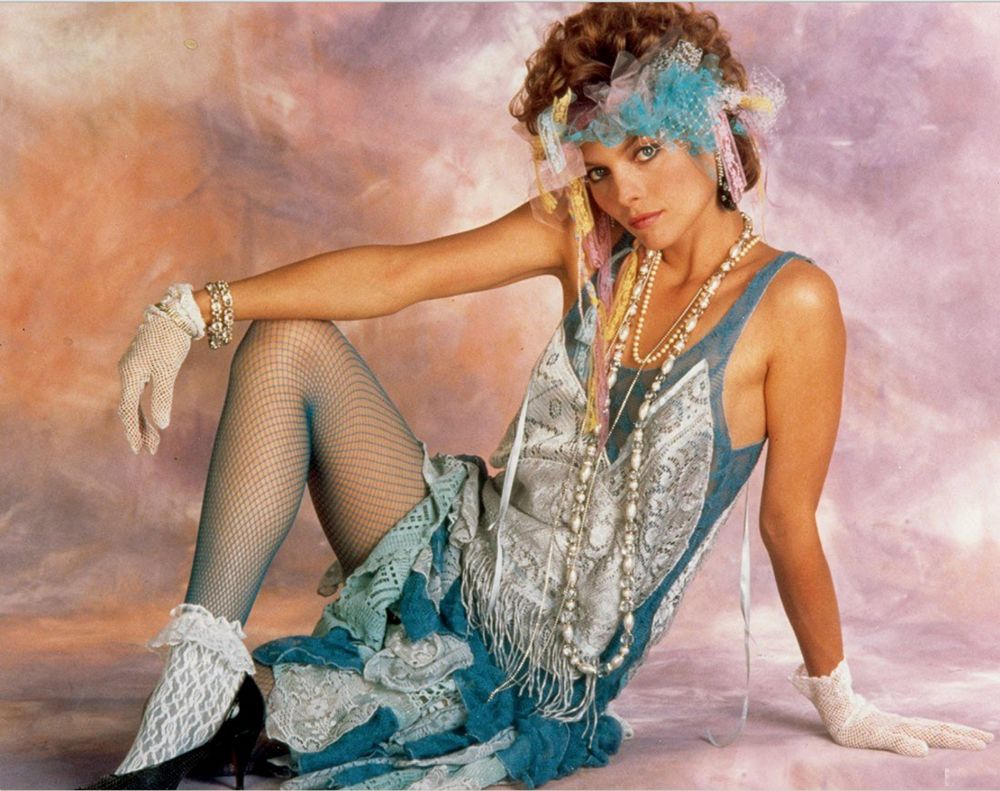
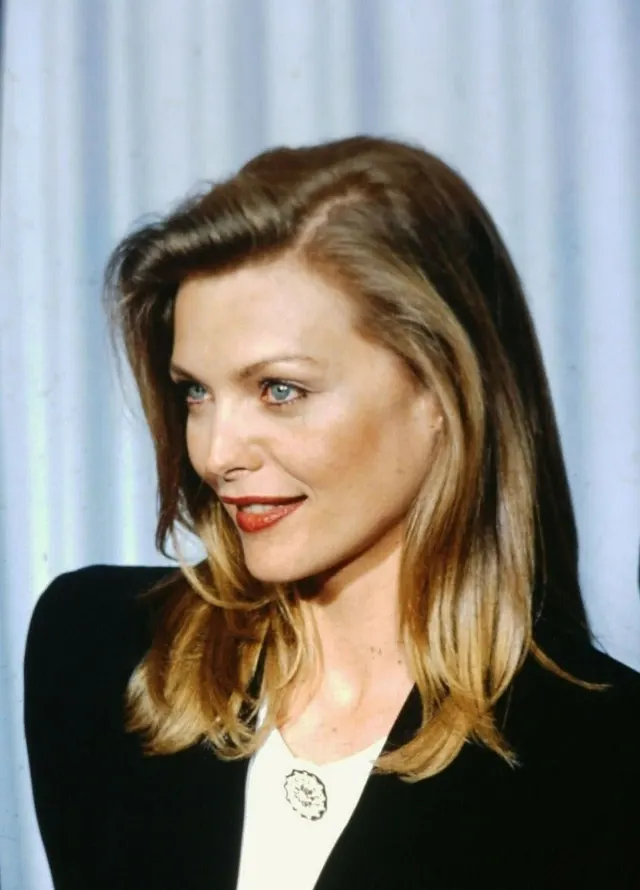
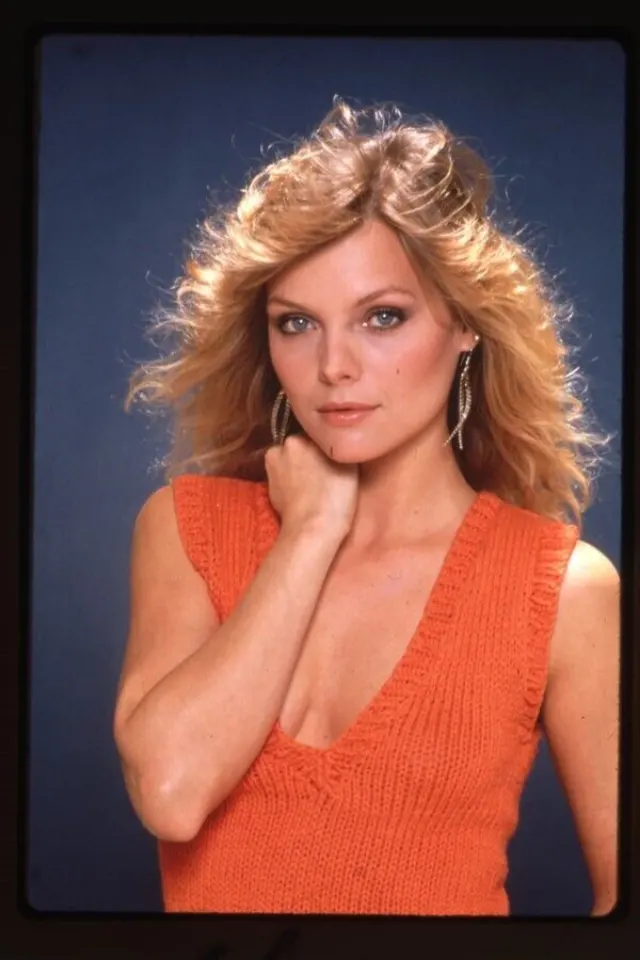
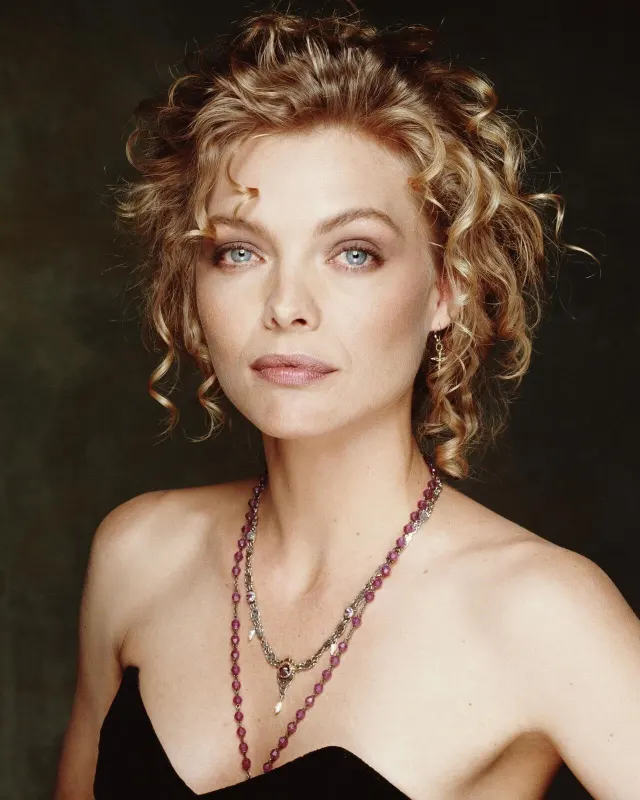
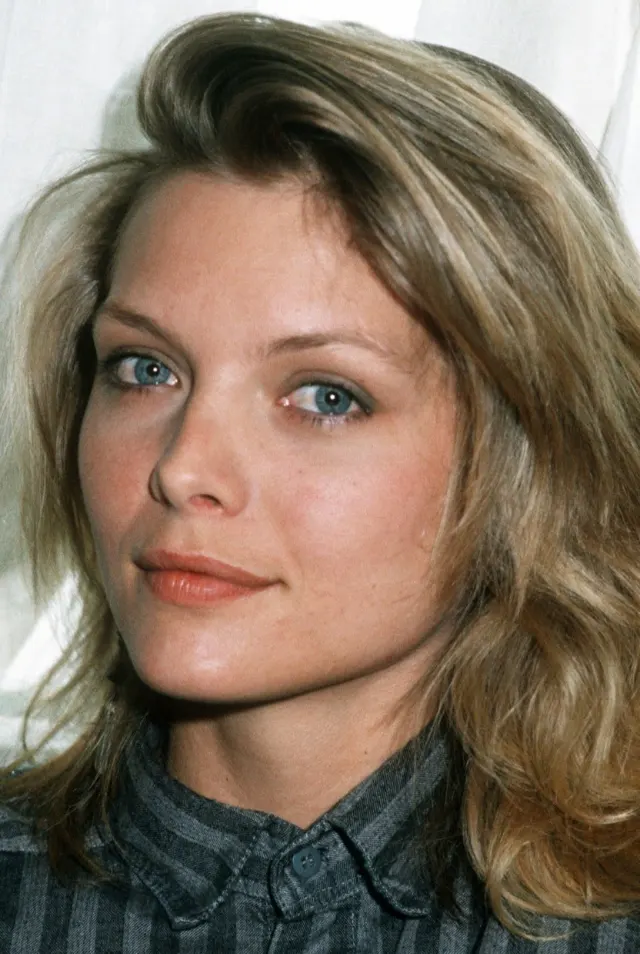

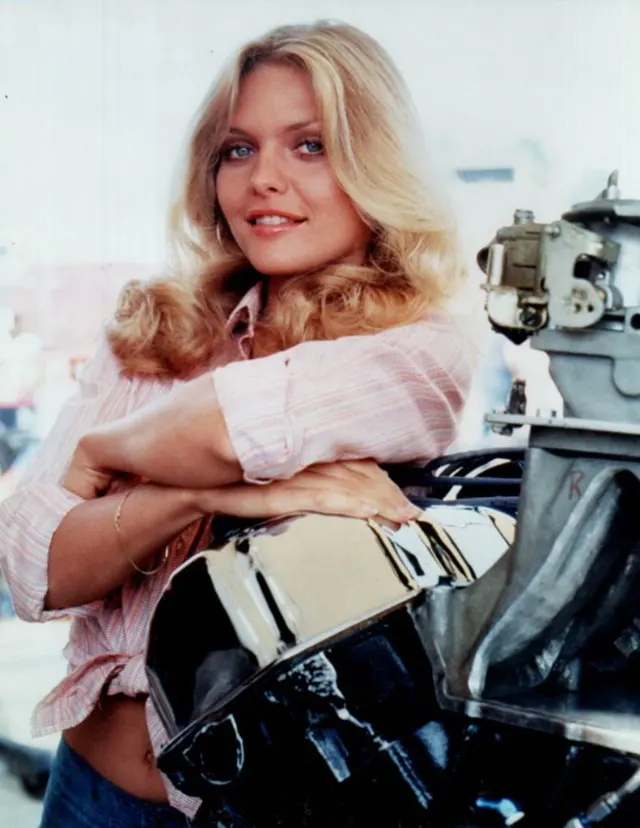
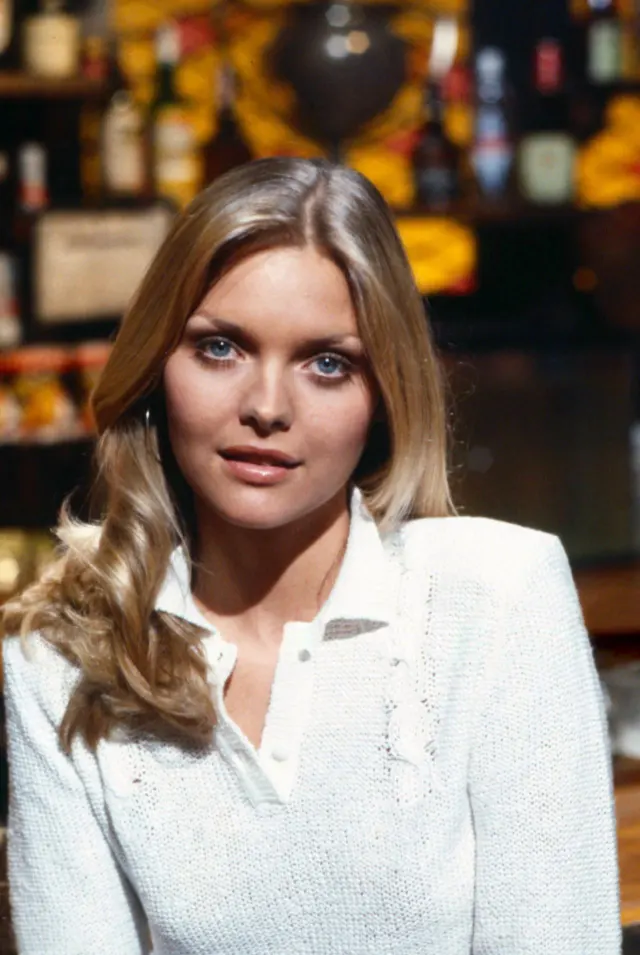
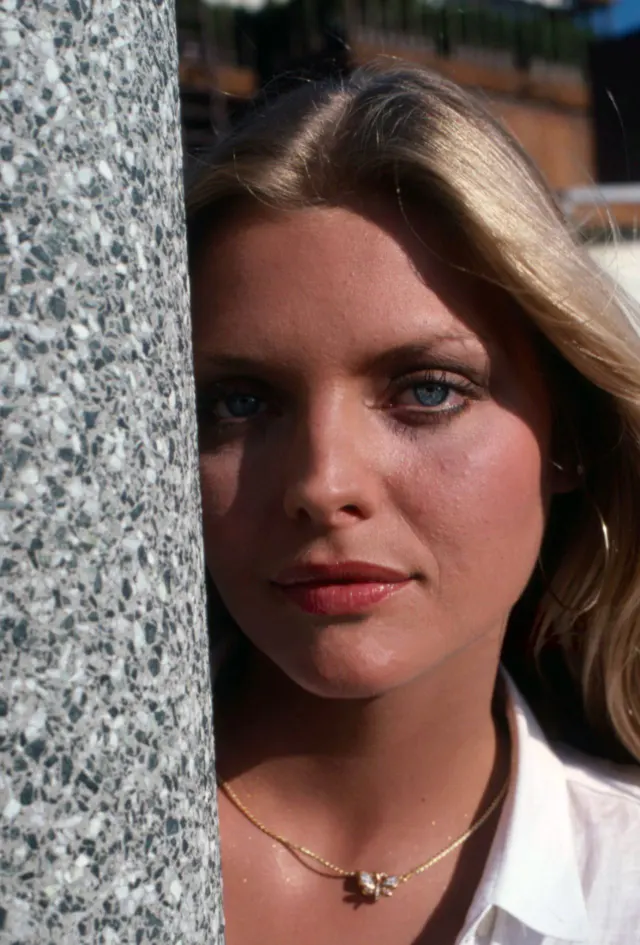
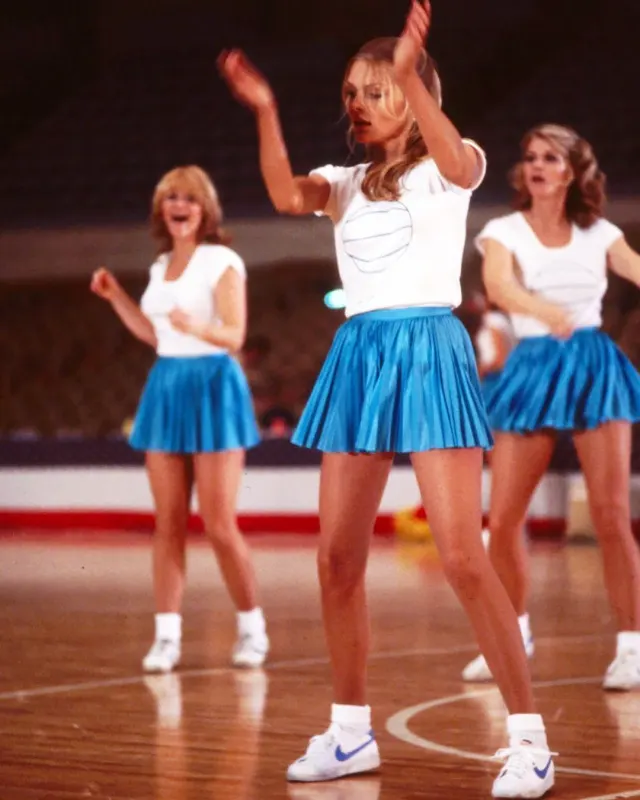
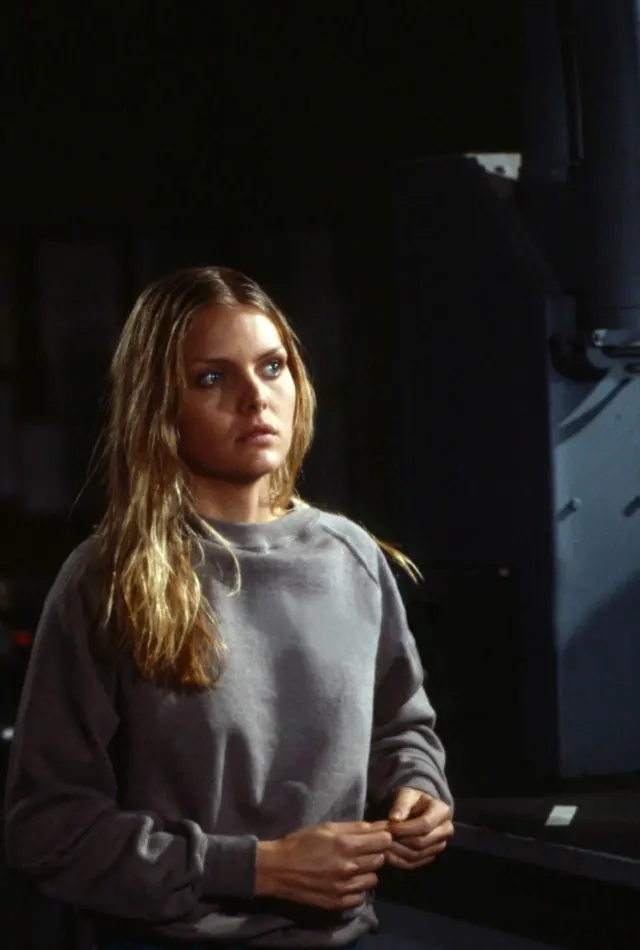
(Photo credit: Flickr / RHP / Wikimedia Commons / IMDB).

No Comments