

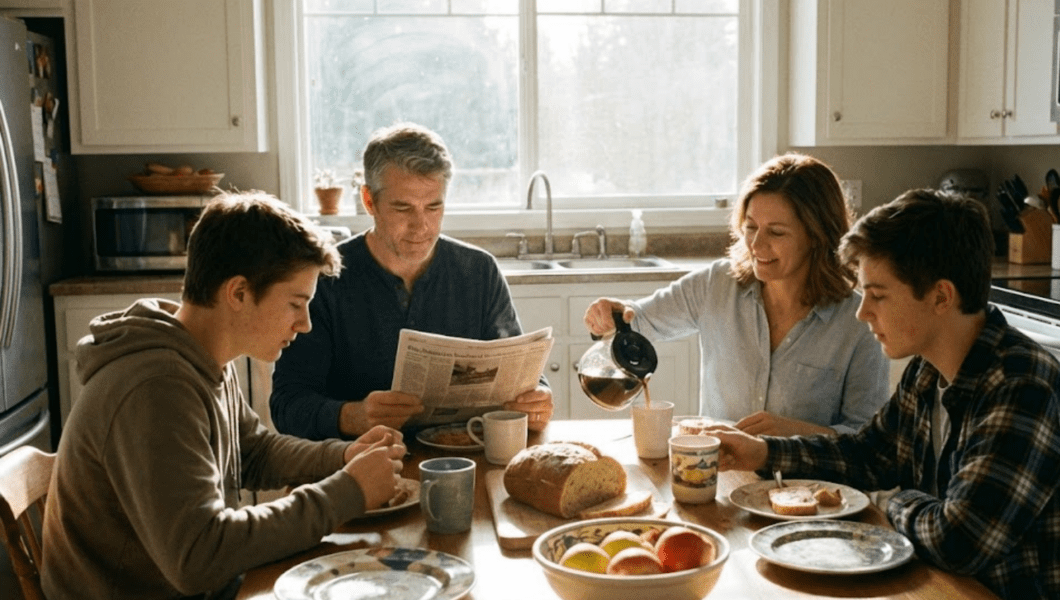
For a while, the calm held.
Not perfectly. No family changes overnight. But the tension that used to live in the house like a permanent guest began to fade. Doors didn’t slam as often. Voices stayed softer. Problems still happened, but they didn’t spiral into arguments that lasted days.
The biggest change was the silence.
Not the uncomfortable kind. The gentle kind. The kind that comes when people stop bracing for impact.
Her husband noticed it first. Saturday mornings used to begin with a low hum of anxiety. Chores waiting. Bills waiting. Errands waiting. Now, they drank coffee together without rushing to fill the space with complaints.
The son studied without being asked. Not every night, but often enough that it felt real. The daughter became oddly meticulous about checking mirrors and speed limits before driving, as if caution had replaced fear.
Peace, it turned out, had a sound.
It sounded like normal life.
Then, three months later, the phone rang at 2:17 in the morning.
The kind of ring that cuts through sleep like an alarm you didn’t set.
She woke instantly, heart already racing, body remembering old patterns before her mind caught up. Her husband fumbled for the phone on the nightstand, squinting at the screen.
“It’s the hospital,” he said, voice tight.
Every muscle in her body tensed.
He answered, listening, saying very little. Just “Yes” and “I understand” and “We’ll be there.”
When he hung up, he didn’t speak right away.
“What happened?” she asked, already sitting upright, hands clenched in the sheets.
“It’s your brother,” he said softly. “He collapsed at work. They think it might be his heart.”
For a split second, the calm she had built over months shattered like glass.
Her brother wasn’t just family. He was the one who had called every Sunday without fail. The one who helped fix things around the house. The one who never asked for help himself.
“I have to go,” she said, already throwing back the covers.
“We’ll both go,” her husband replied, pulling on jeans in the dark.
The drive to the hospital felt endless. Streetlights streaked across the windshield. The clock on the dashboard ticked forward with painful slowness.
She stared straight ahead, fingers digging into her knees, fighting the urge to imagine the worst. Every terrible possibility tried to push forward at once, loud and insistent.
For months, she had told herself she couldn’t control everything.
But this wasn’t a late bill or a dented car or a missed exam.
This was someone she loved lying in a hospital bed, suspended between outcomes no one could predict.

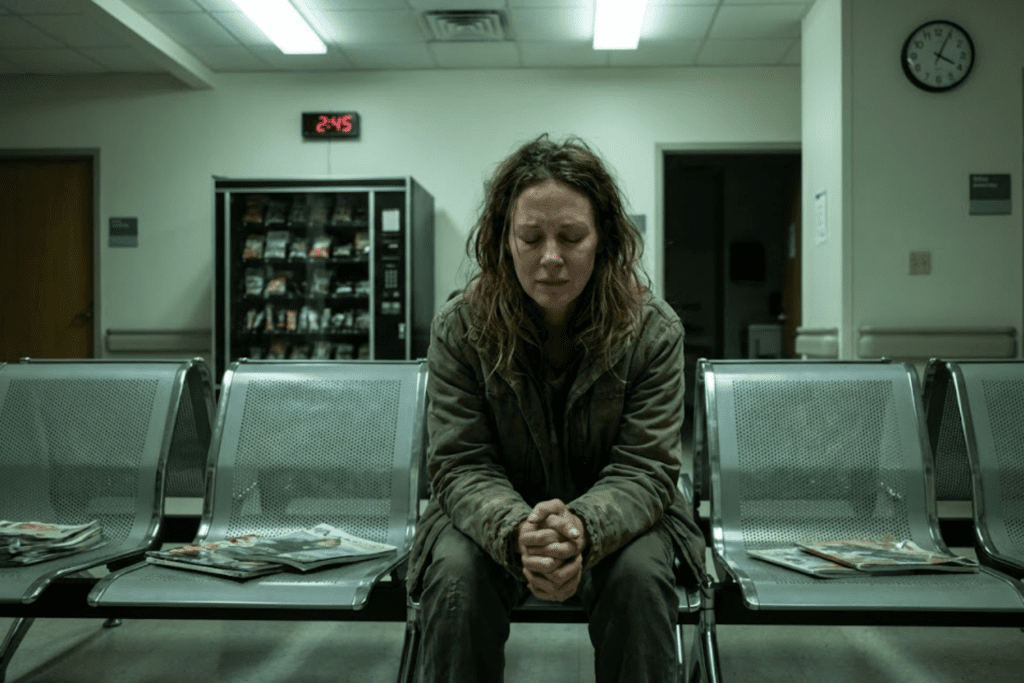
In the emergency waiting room, the fluorescent lights buzzed softly, casting everything in a pale, unreal glow. A television in the corner played a muted news channel no one was watching. Coffee cups sat half-empty on plastic tables.
A nurse approached after what felt like hours but was probably twenty minutes.
“He’s stable,” she said. “They’re running tests.”
The word stable landed like a fragile gift.
She nodded, afraid to speak in case the relief broke something inside her.
Her husband squeezed her hand. She hadn’t even realized he was holding it.
They waited.
And waited.
Old instincts crept back in waves. The urge to pace. To demand answers. To cry openly. To imagine every outcome and prepare for all of them at once.
Instead, she sat very still, focusing on her breathing, just as she had learned to do when the children brought home problems she couldn’t solve.
Inhale. Exhale. Stay here.
Eventually, a doctor came out, expression calm but serious.
“It was a heart attack,” he said. “A mild one. He got here quickly, which helped. He’ll need lifestyle changes, medication, follow-ups. But he’s going to recover.”
She closed her eyes, a long breath leaving her body like air escaping a balloon.
Not perfect news.
But not the worst.
Later, when they were allowed to see him, her brother looked smaller in the hospital bed, wires tracing lines across his chest, machines blinking steadily beside him.
He gave a weak smile.
“Didn’t mean to scare you,” he murmured.
She wanted to say a hundred things at once. That he had scared her more than anything in years. That he needed to take better care of himself. That he couldn’t do this again.
Instead, she sat beside him and took his hand carefully, mindful of the IV.
“I’m just glad you’re here,” she said.
And she meant it.
No lecture. No panic. No attempt to control the uncontrollable.
Just presence.
On the drive home that morning, the sky turning pale with dawn, her husband glanced at her.
“You were very calm,” he said.
She stared out the window at the first commuters beginning their day.
“I wasn’t calm inside,” she admitted. “I was terrified.”
“So why didn’t you show it?”
She considered the question.
“Because my fear wouldn’t have helped him,” she said finally. “Or you. Or anyone.”
She turned toward him, eyes tired but steady.
“I learned something else,” she added. “Peace isn’t about never feeling panic. It’s about not letting panic make your decisions.”

When she returned home, the house was still asleep. The son’s bedroom door was slightly open, textbooks scattered across the desk. The daughter’s phone glowed faintly on the nightstand, notifications piling up from friends.
She paused in the hallway, looking at both doors.
Months earlier, she had been afraid that stepping back meant caring less.
Now she understood something deeper.
Stepping back had given her strength to step forward when it truly mattered.
By the time the kids woke, she had already made breakfast.
They noticed her tired eyes immediately.
“What happened?” her daughter asked, alarmed.
She explained gently, keeping the facts simple. Not minimizing, not dramatizing.
Her son went quiet, absorbing the news. Her daughter asked practical questions about recovery, medication, visiting hours.
No one panicked.
No one shouted.
They responded the way she had taught them, not with words but with example.
“I want to visit him after school,” her son said finally.
“So do I,” her daughter added.
She nodded. “We’ll go together.”
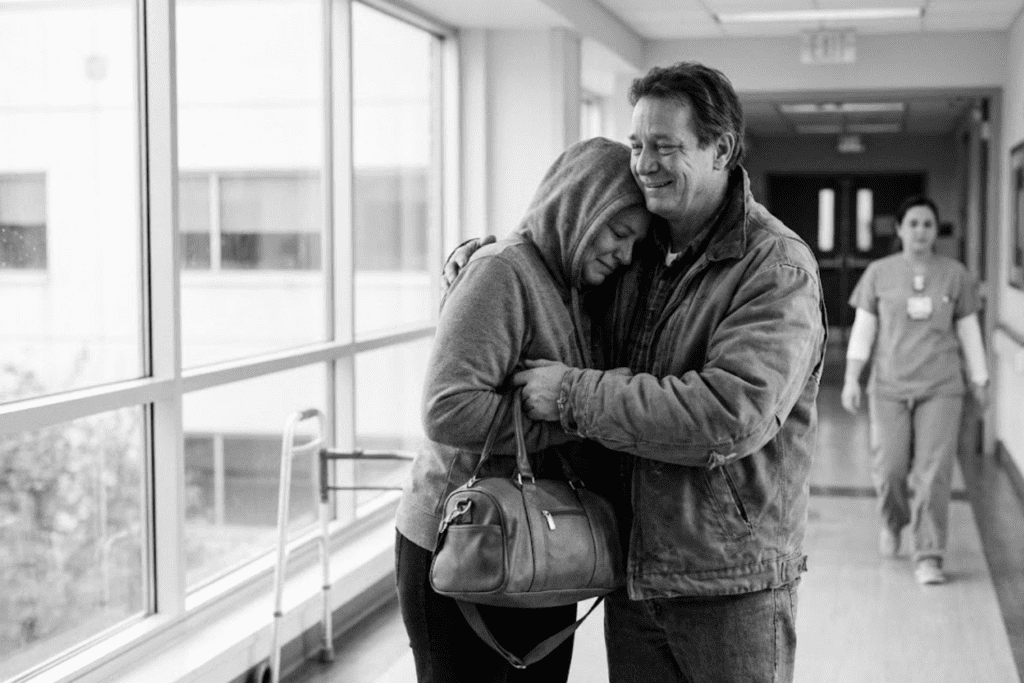
Later that week, when her brother was discharged, he hugged her awkwardly, careful of his stitches.
“You kept everyone calm,” he said. “The nurses told me you never once lost it.”
She smiled faintly.
“Oh, I lost it,” she said. “Just not where it would make things harder.”
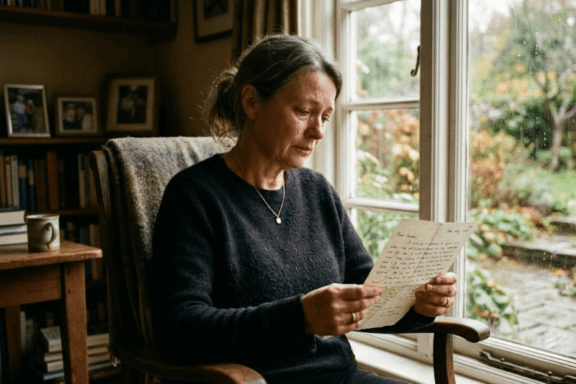
That night, sitting alone in the living room after everyone else had gone to bed, she reflected on how close she had come to losing the peace she fought so hard to build.
Life had tested her.
Not with inconveniences, but with fear.
And she hadn’t been perfectly calm.
She had been human.
But she had also been steady.
She realized then that peace isn’t something you achieve once and keep forever. It’s something you practice, like patience or forgiveness. Some days you do it well. Some days you don’t.
What mattered was returning to it again and again.
Her husband found her there, staring at nothing in particular.
“Penny for your thoughts?” he asked, sitting beside her.
She leaned her head on his shoulder.
“I used to think peace meant nothing bad happening,” she said quietly. “Now I think it means knowing you can survive when it does.”
He wrapped an arm around her.
“You’ve made this house different,” he said.
She smiled into the silence.
“No,” she replied softly. “We made it different. I just stopped standing in the way.”
The next morning, life resumed its ordinary rhythm. Breakfast dishes. School bags. Work emails. Nothing dramatic. Nothing cinematic.
But something essential had been proven.
Calmness wasn’t fragile.
It was resilient.
And when one person learns how to carry fear without spreading it, everyone around them learns too.
Peace, like panic, is contagious.
It just moves more quietly.


No Comments