

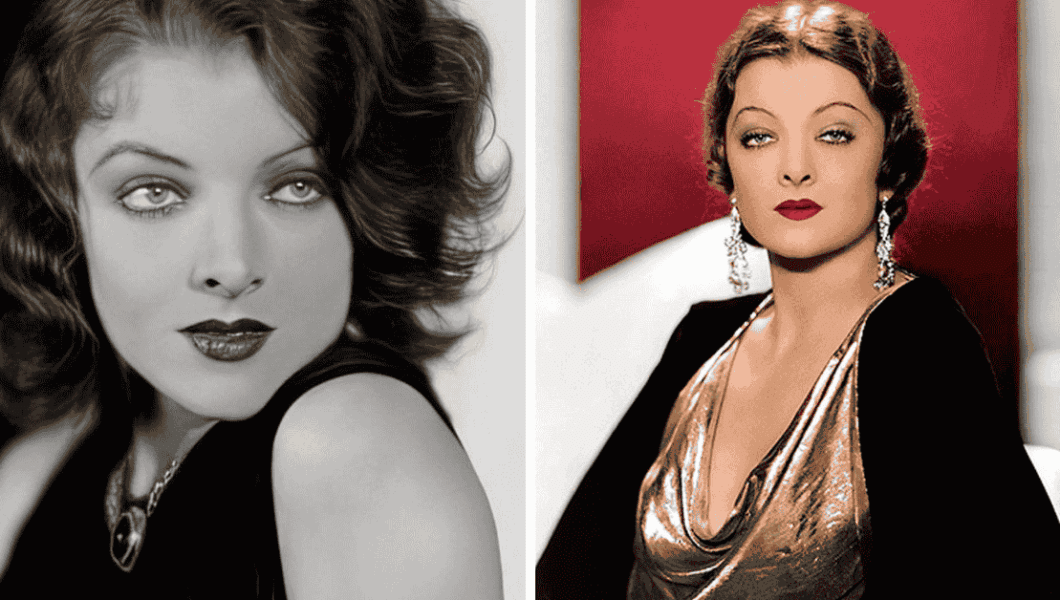

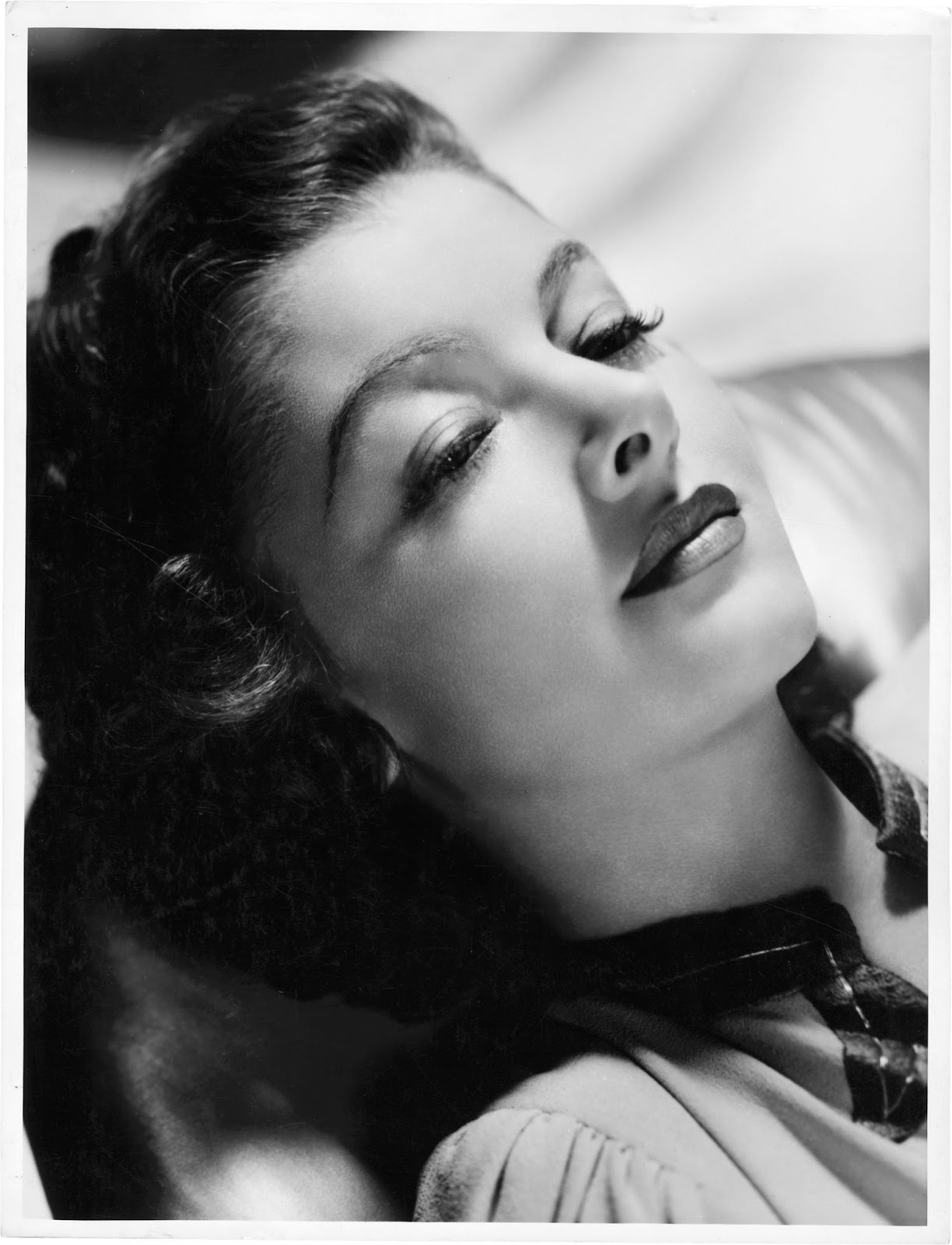
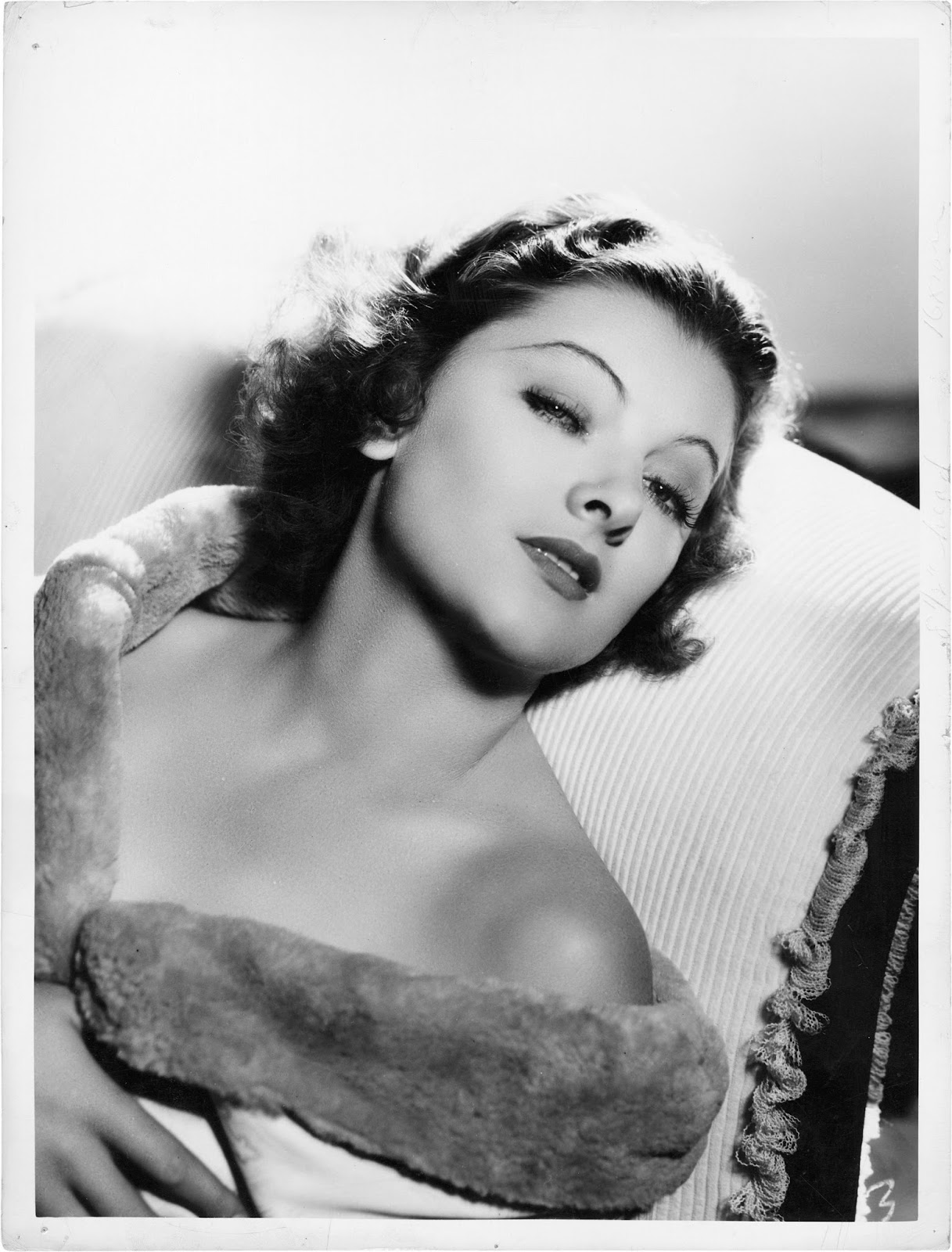
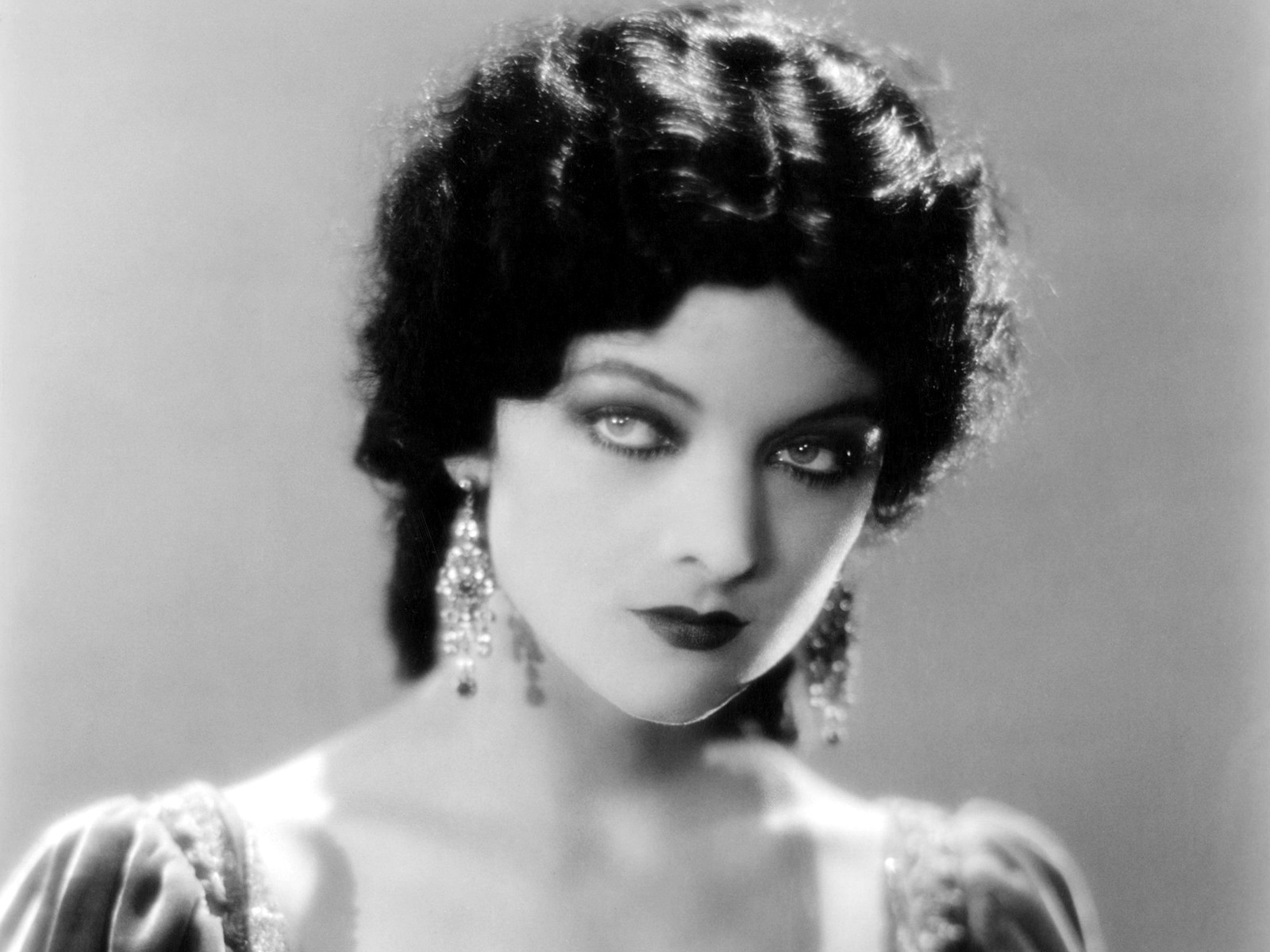
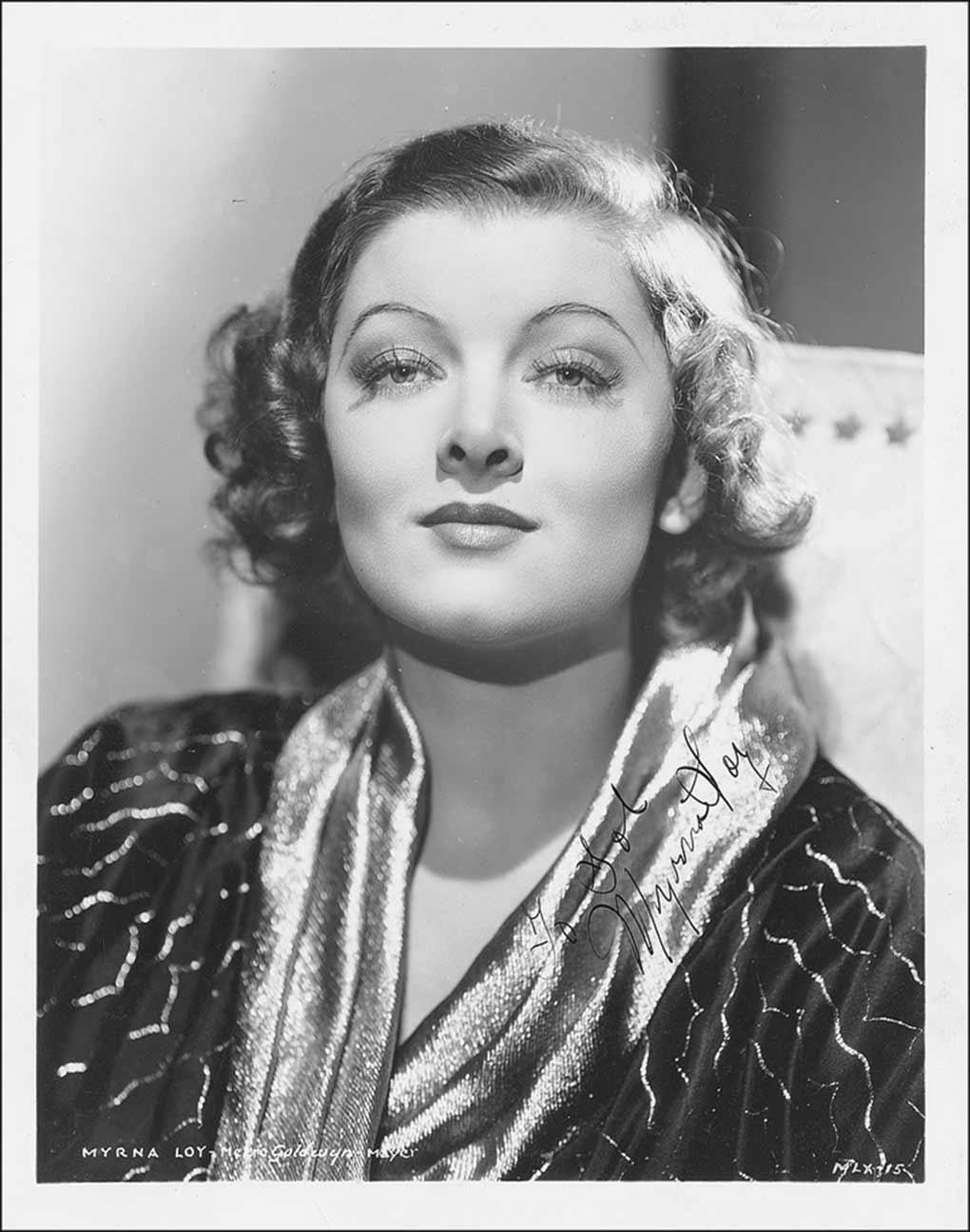
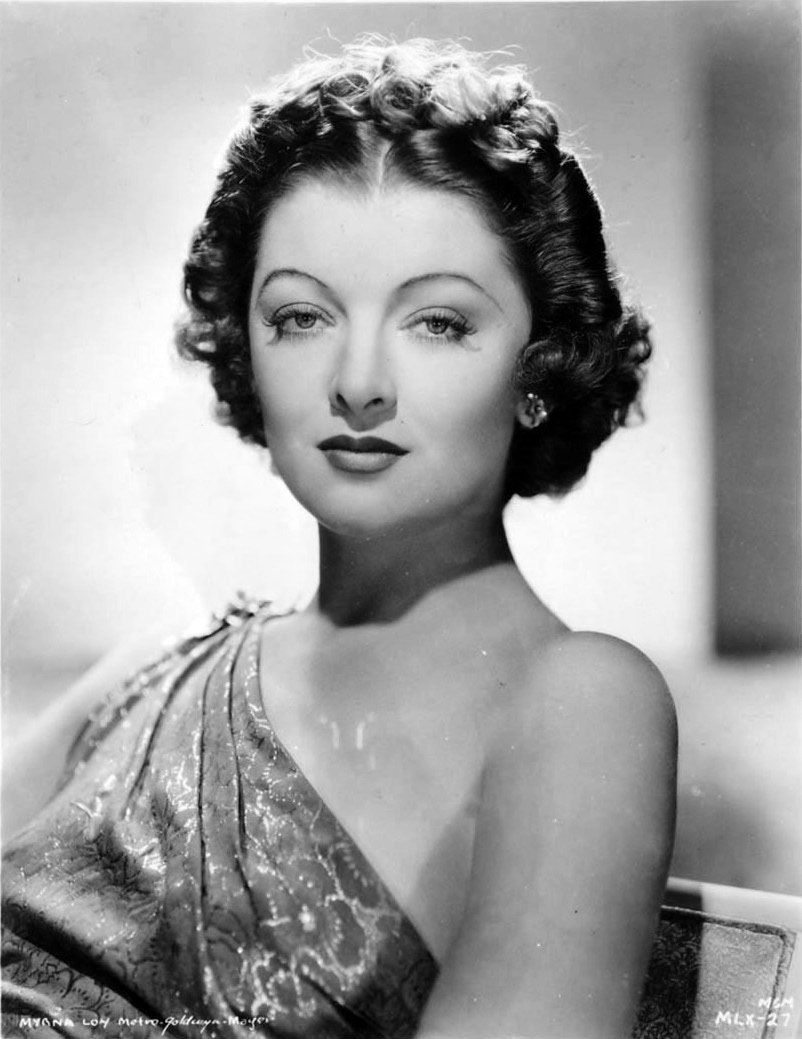
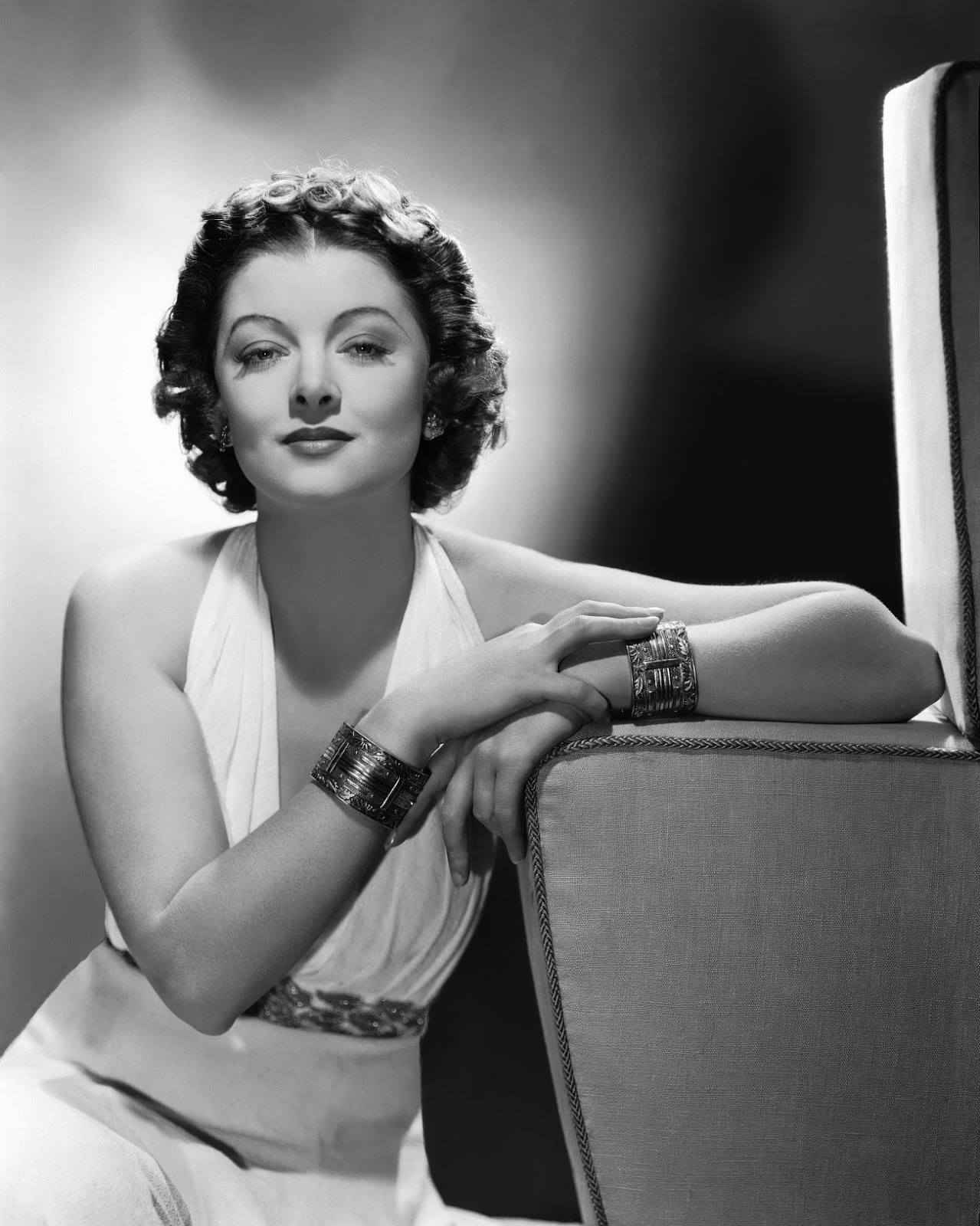
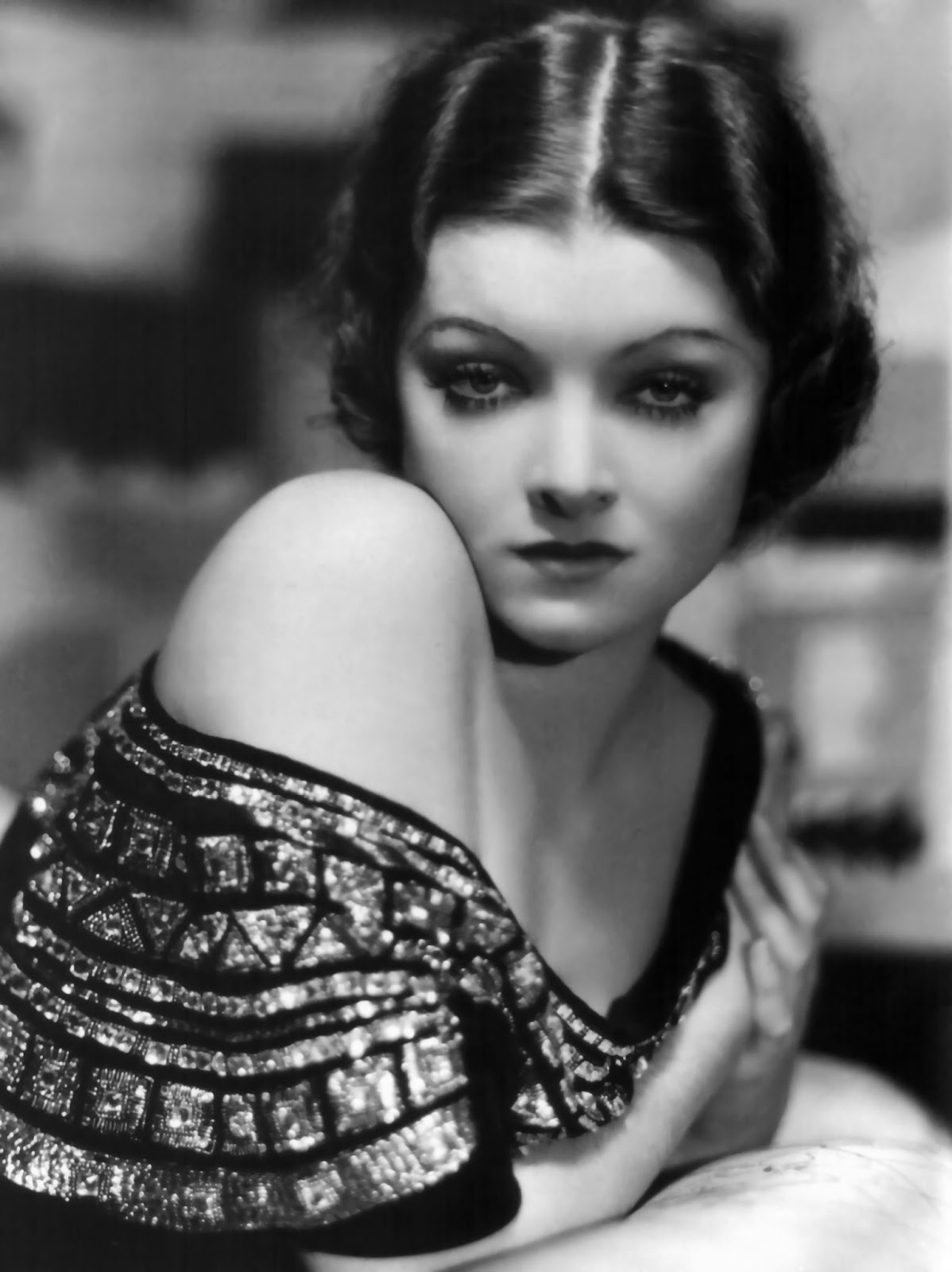
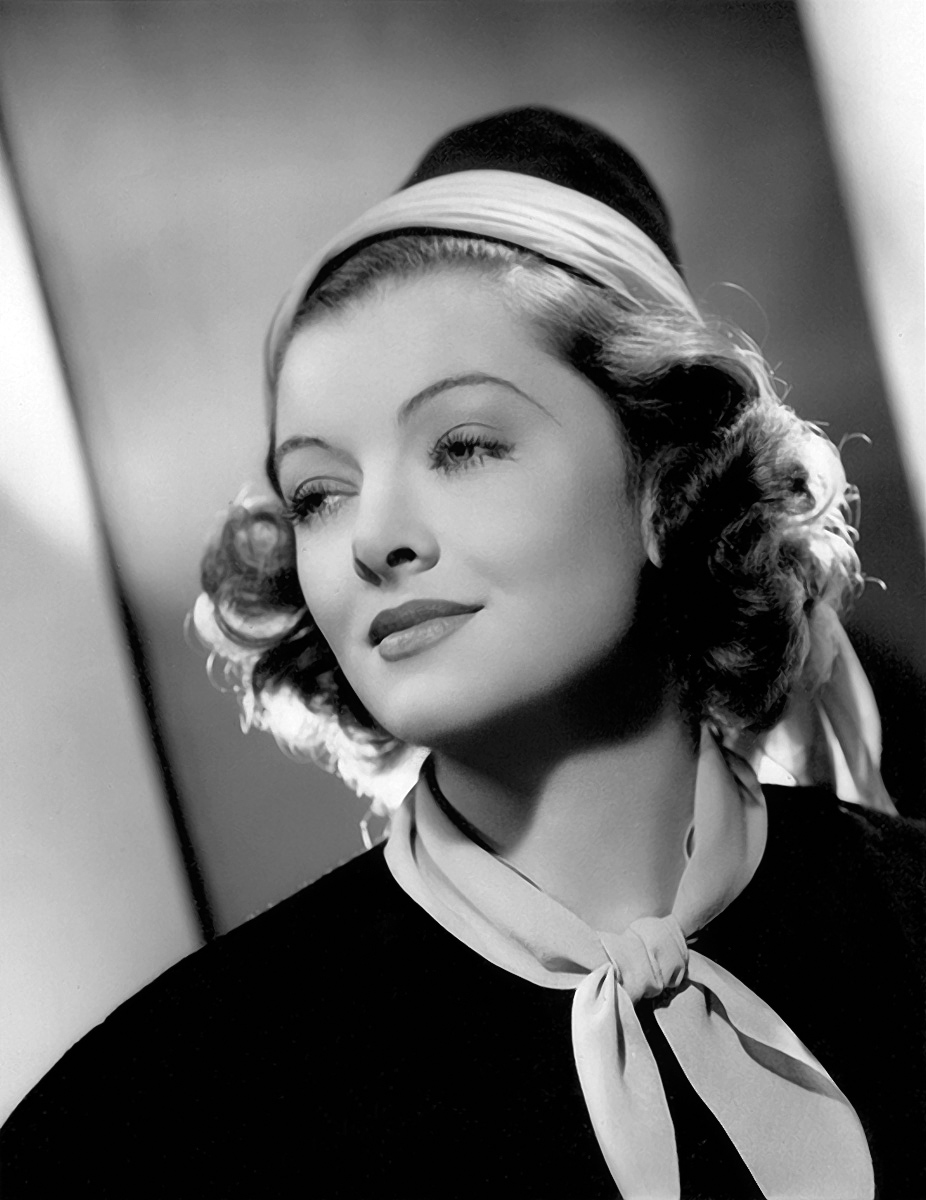
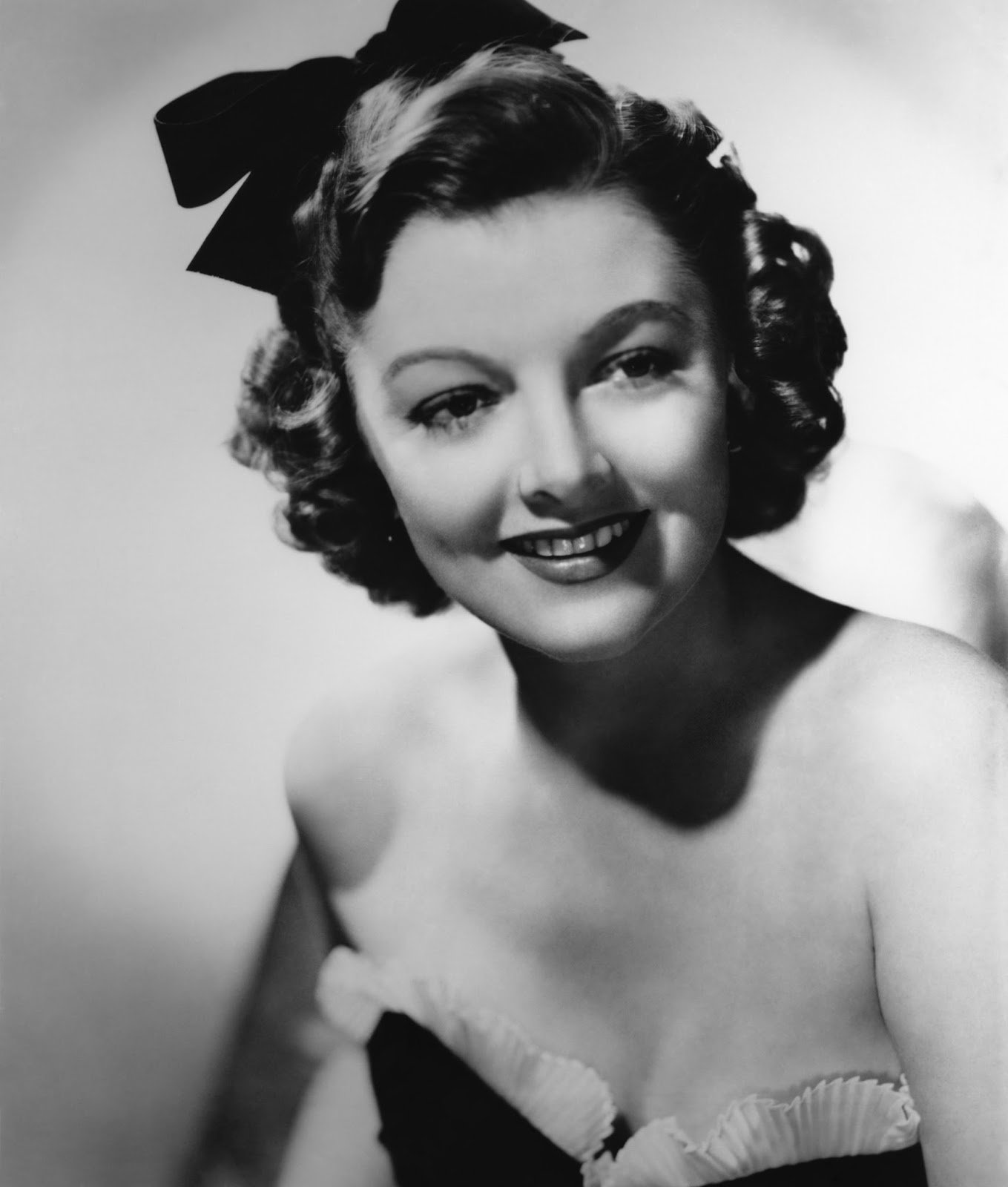
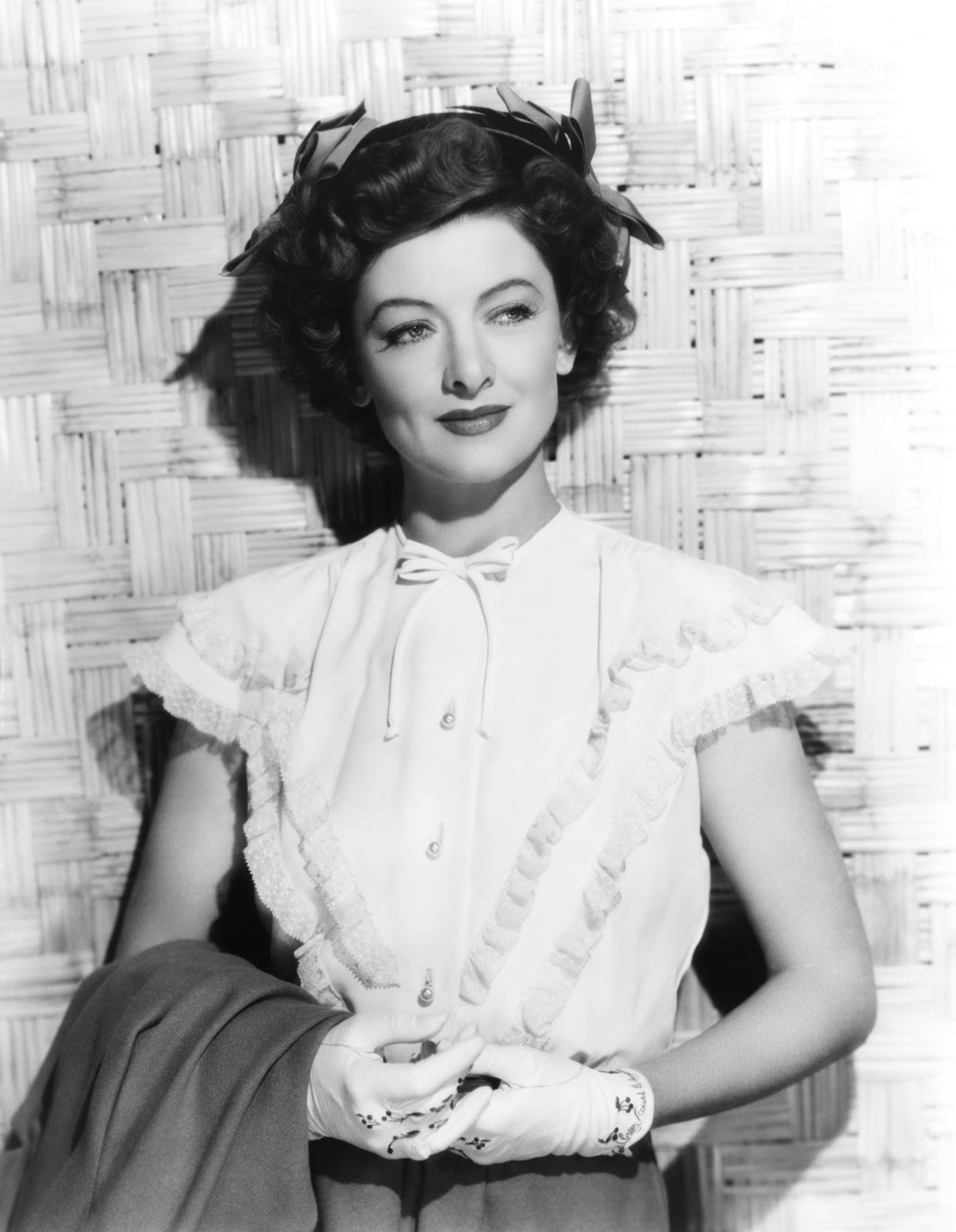
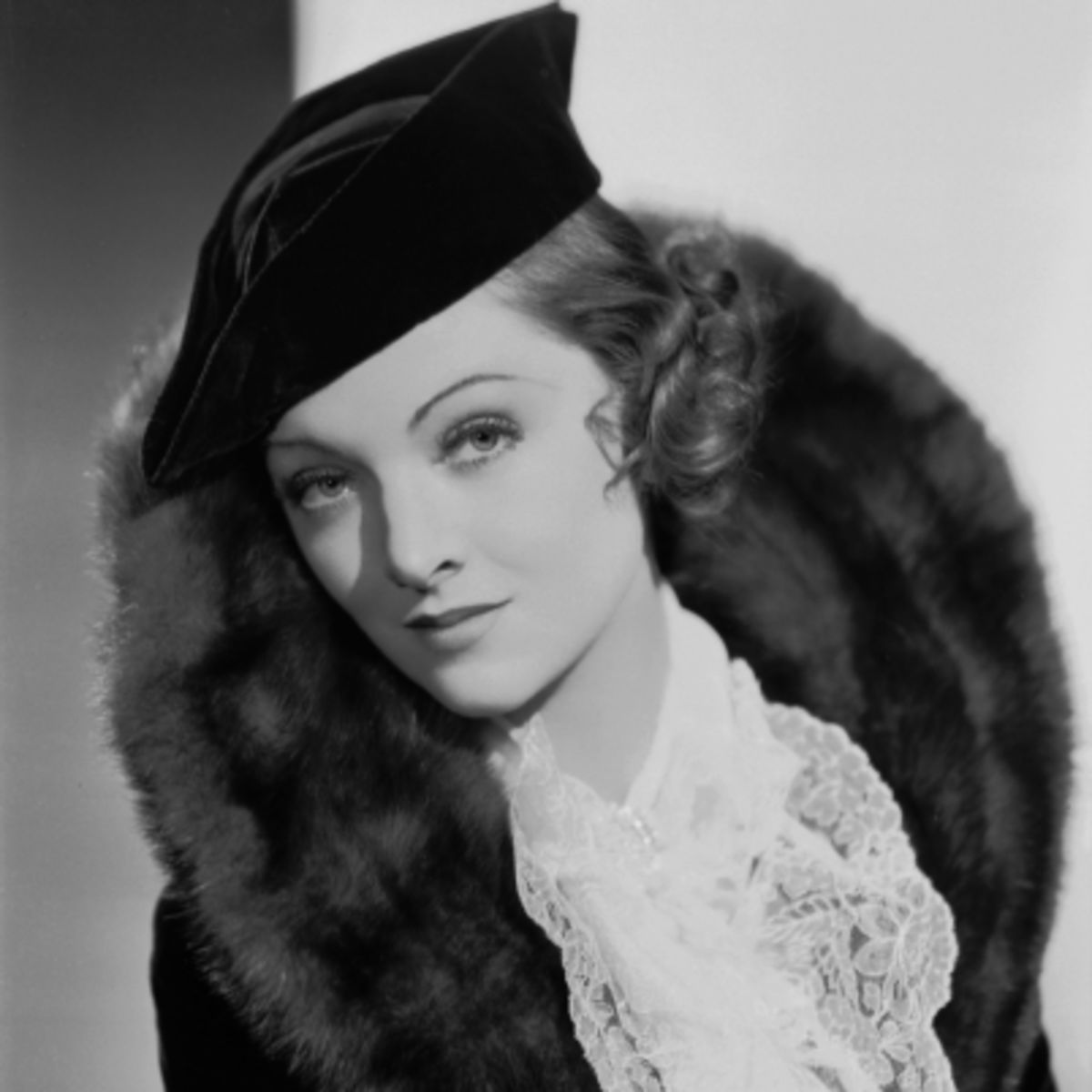
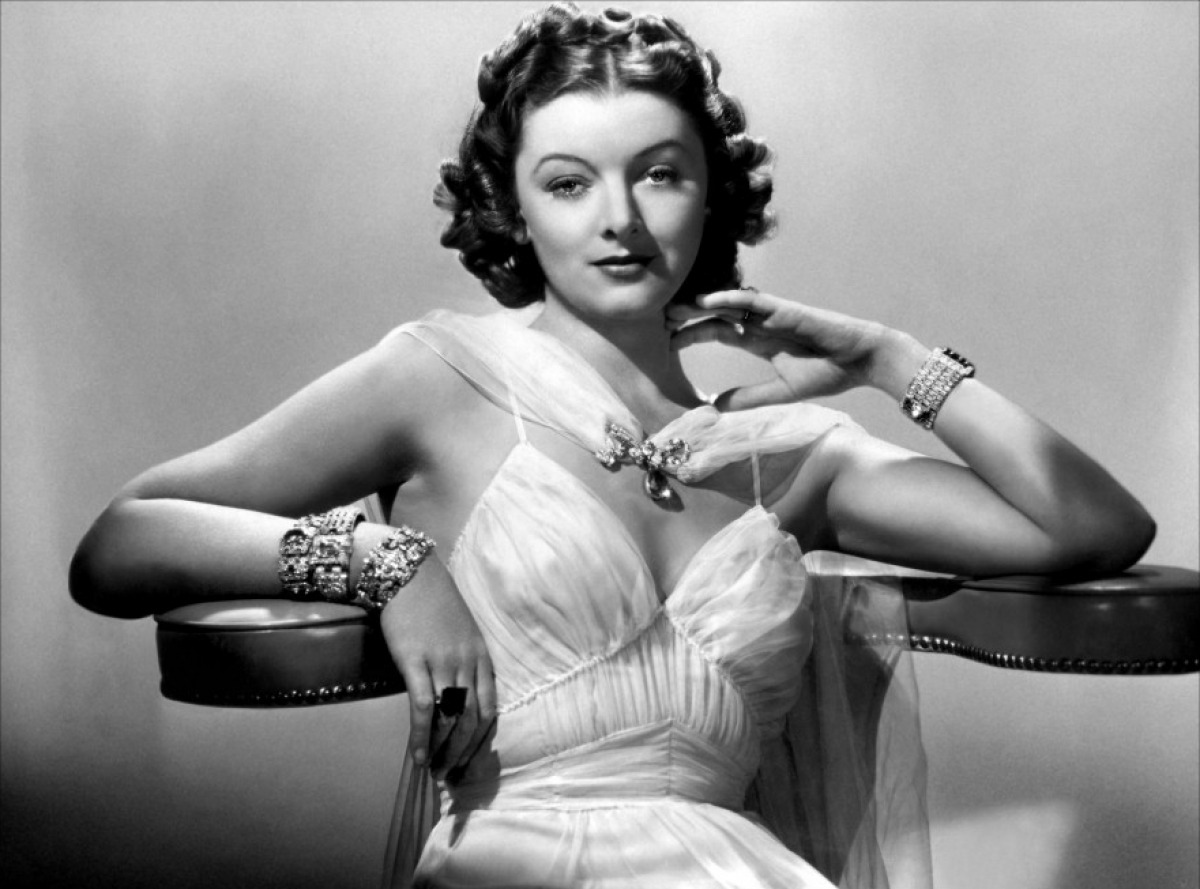
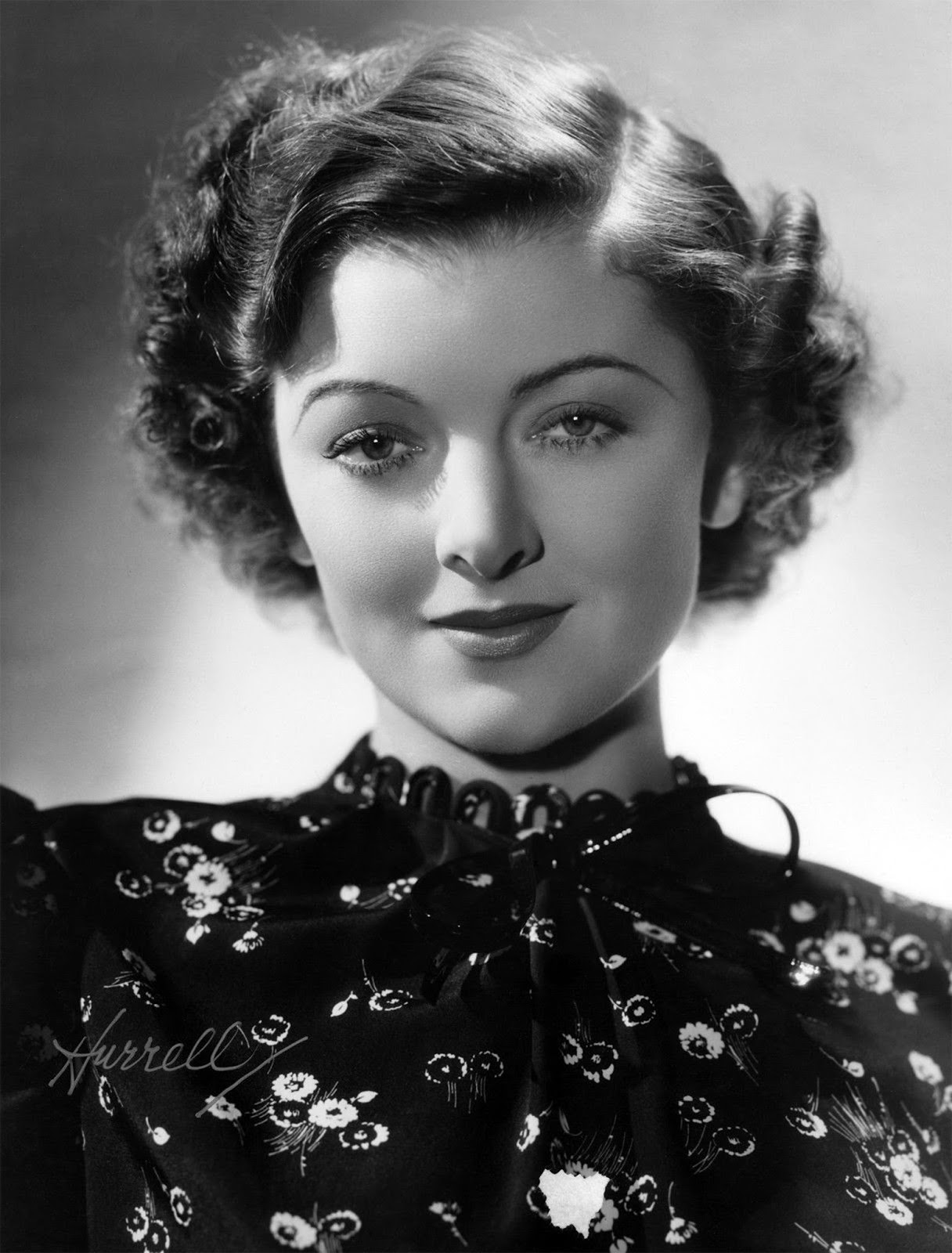
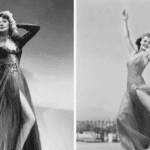
In the radiant world of classic Hollywood, Myrna Loy stands out as a truly timeless figure.
Celebrated for her elegance, magnetic presence, and remarkable talent, she built a film career that lasted more than forty years, shaping cinema and becoming one of the most respected and cherished actresses of her time.
She entered the world as Myrna Adele Williams on August 2, 1905, in Helena, Montana, where her path toward stardom began against the backdrop of the vast and beautiful American West.

Growing up in a disciplined and traditional family, Loy initially met resistance when she expressed her desire to enter the performing arts. Nevertheless, her determination and love for creative expression pushed her forward, and she ultimately chose to train in dance and pursue acting.
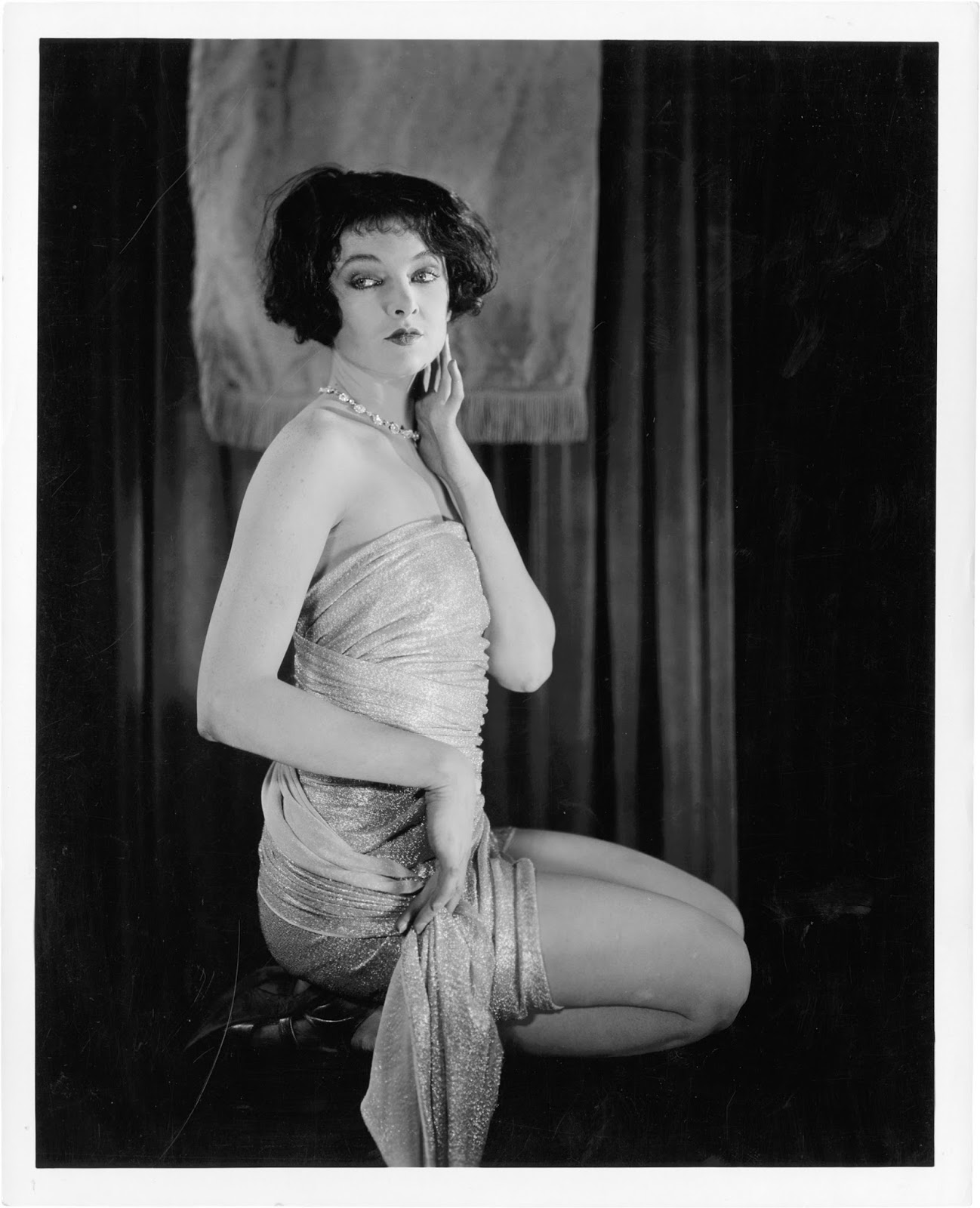
Her break came when she was noticed by production designer Natacha Rambova, who encouraged her and arranged screen tests that opened doors in Hollywood. After appearing in several small parts in silent films during the late 1920s, Loy committed herself entirely to building a serious acting career.
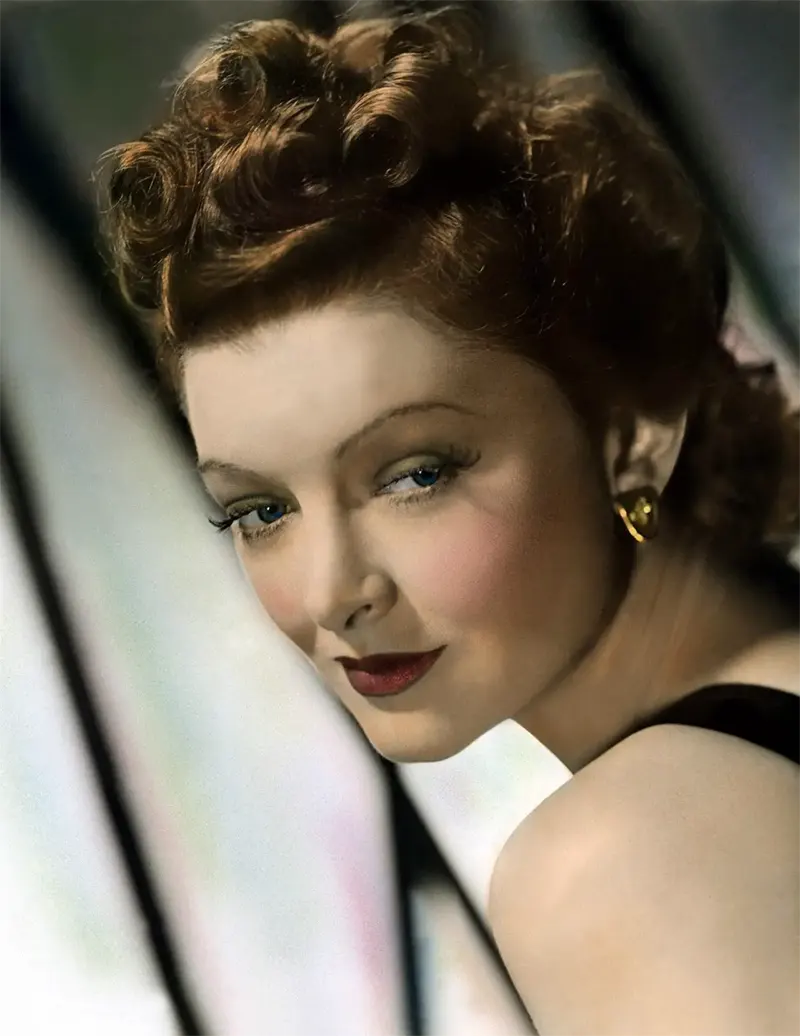
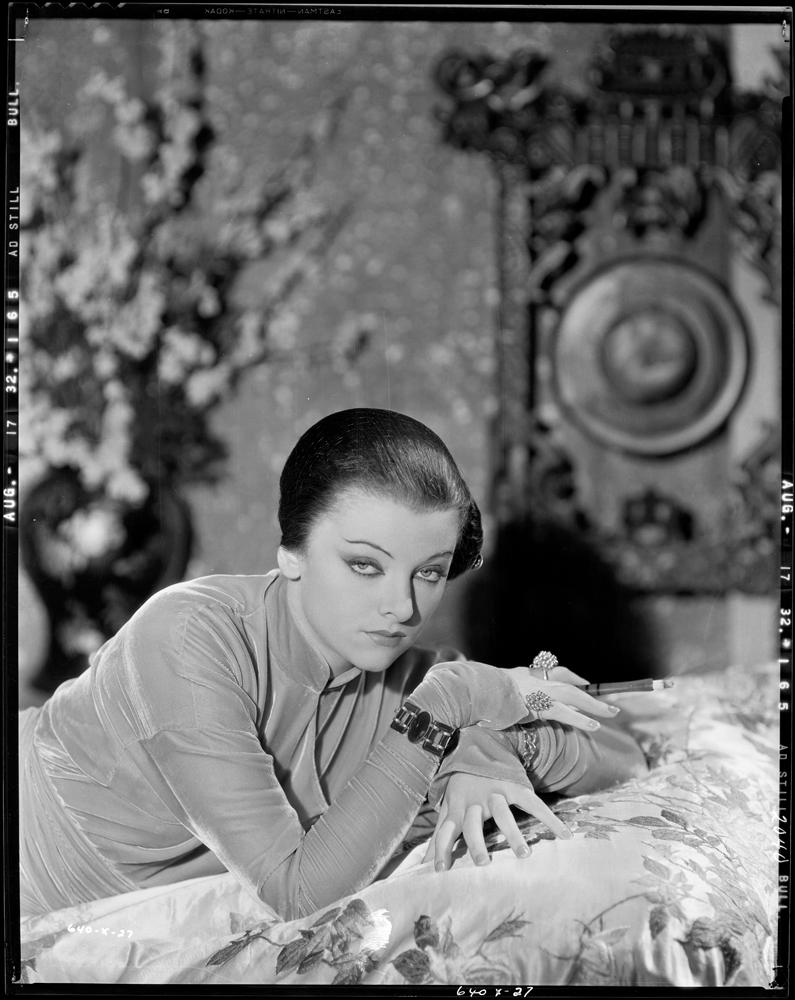
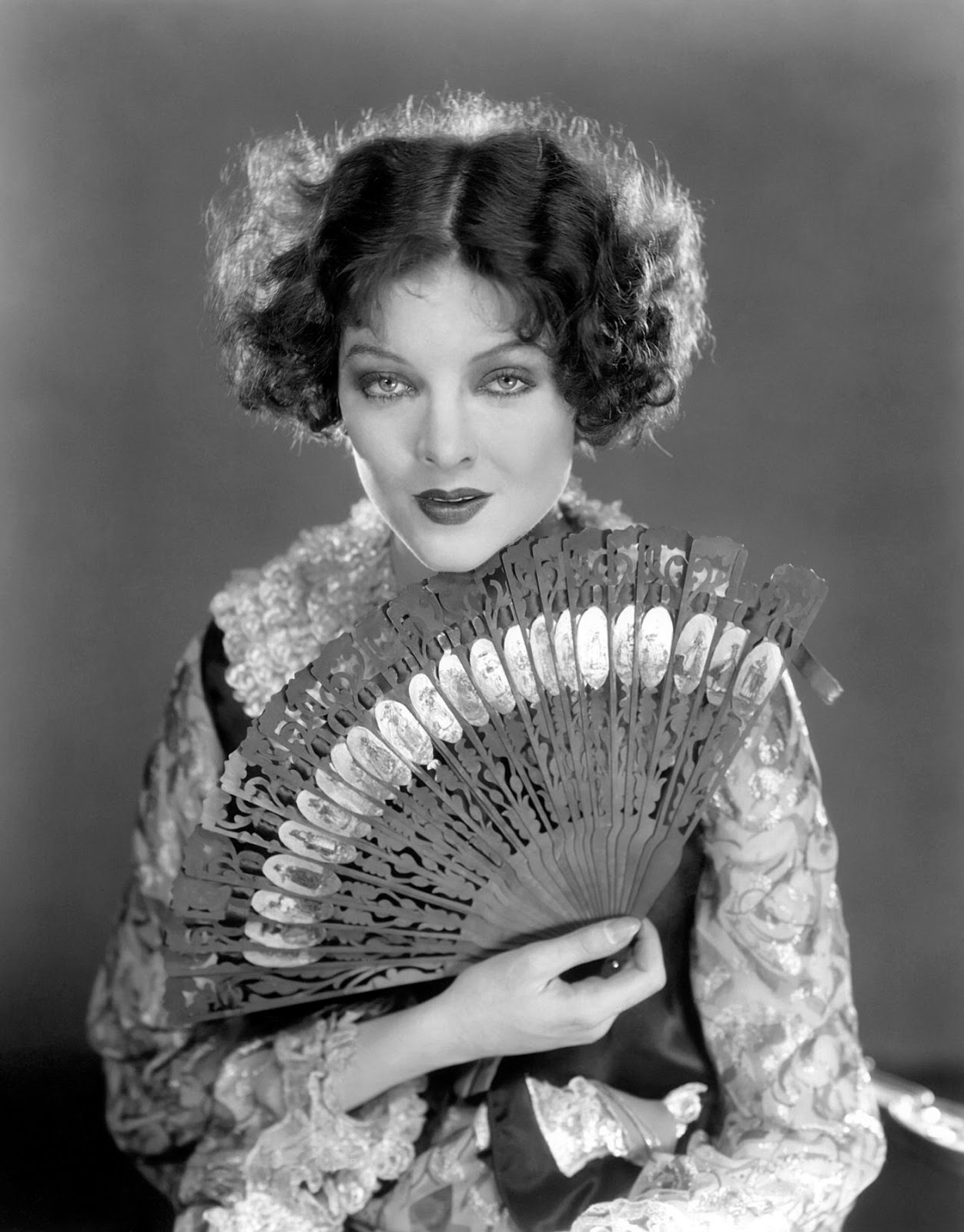
Early in her career, Loy was frequently cast in stereotypical “exotic” roles, often portraying seductive or vaguely Asian characters. Her fortunes changed dramatically, however, with her performance as Nora Charles in The Thin Man (1934).
The role transformed her image in Hollywood, establishing her as a skilled performer capable of handling both sharp comedy and emotional drama. Loy went on to play Nora Charles in five additional films in the series.
Her most celebrated work came in the 1940s, during which she delivered standout performances in films such as The Thin Man Goes Home, The Best Years of Our Lives, The Bachelor and the Bobby-Soxer, and Mr. Blandings Builds His Dream House.

During the 1950s, Loy’s screen appearances became more selective. She starred in the comedy Cheaper by the Dozen (1950) and later took supporting roles in The Ambassador’s Daughter (1956) and the dramatic film Lonelyhearts (1958).
From 1960 through 1981, she appeared in just eight more films before stepping away from acting altogether.
Although she never received a competitive Oscar nomination, the Academy honored her in March 1991 with an Honorary Award celebrating her lifetime achievements in film and her public service — including her work with the American Red Cross during World War II and her role as a member-at-large of the U.S. Commission to UNESCO.
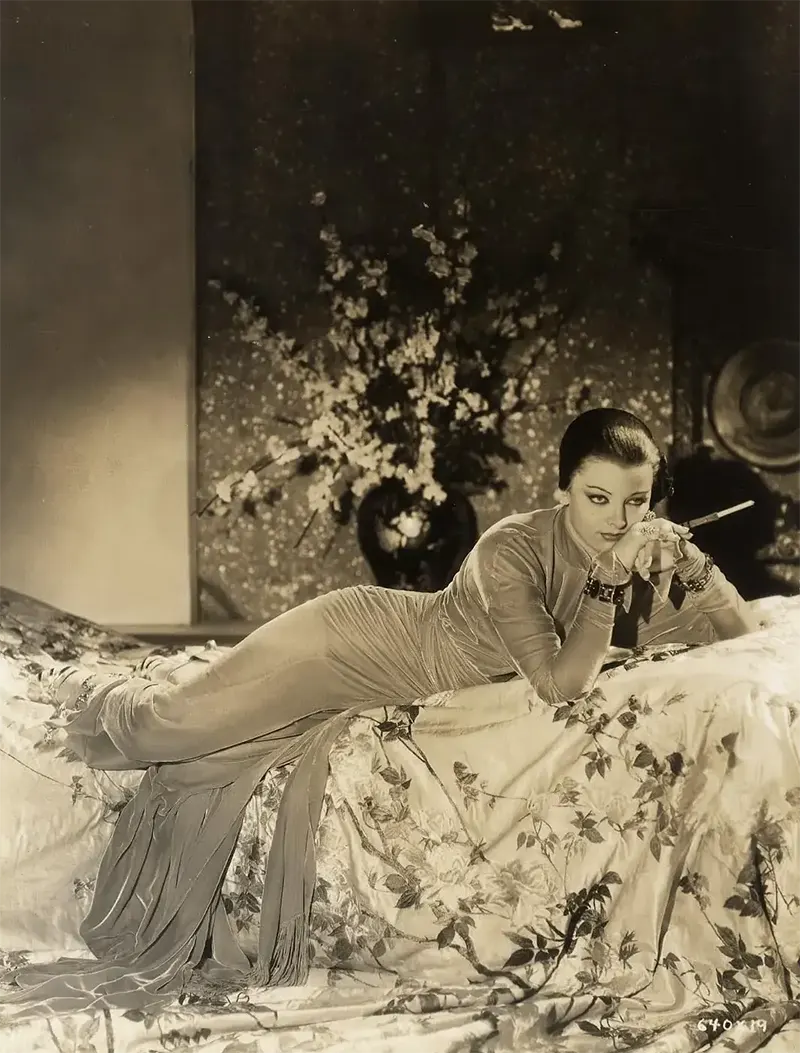
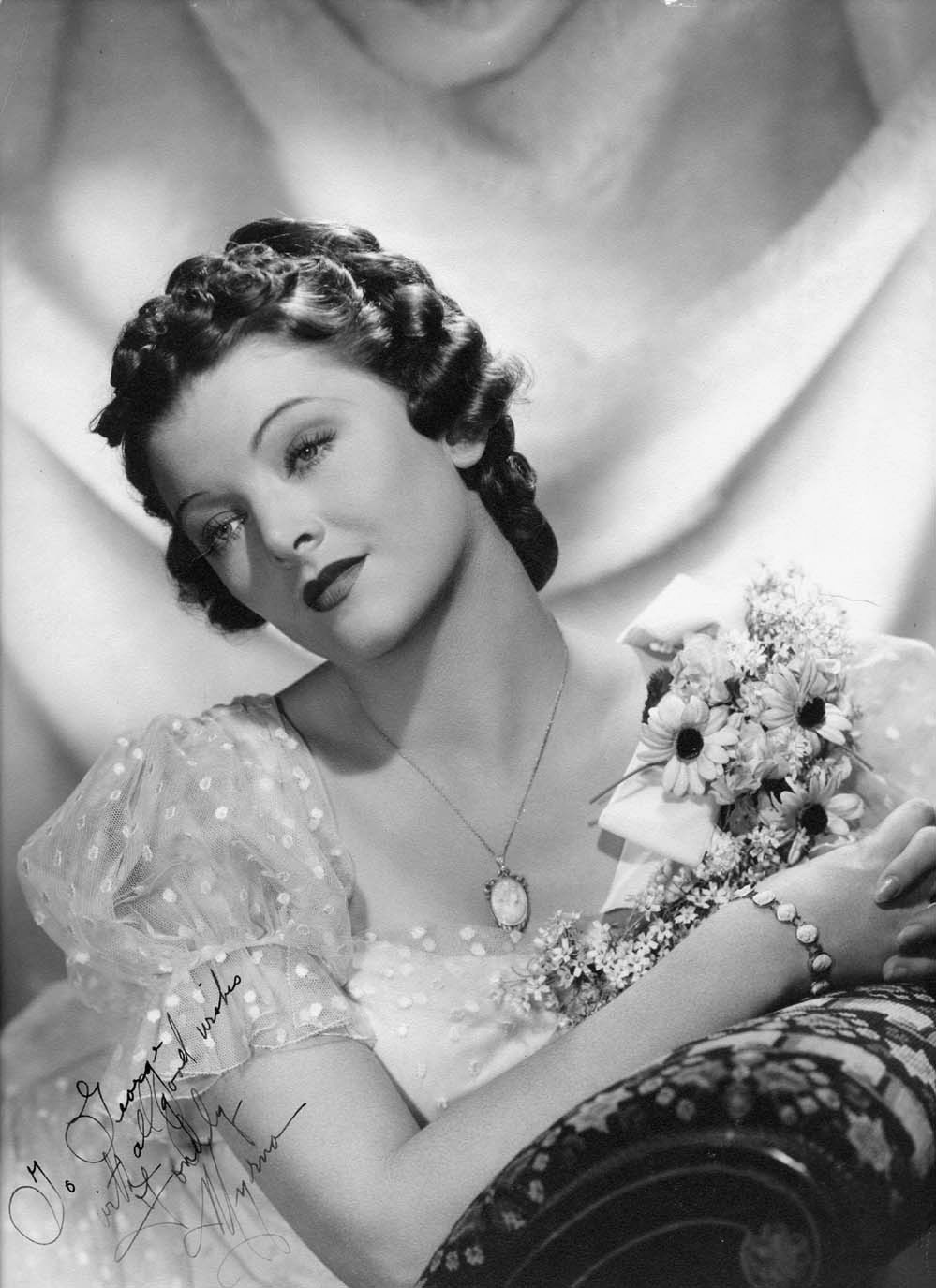
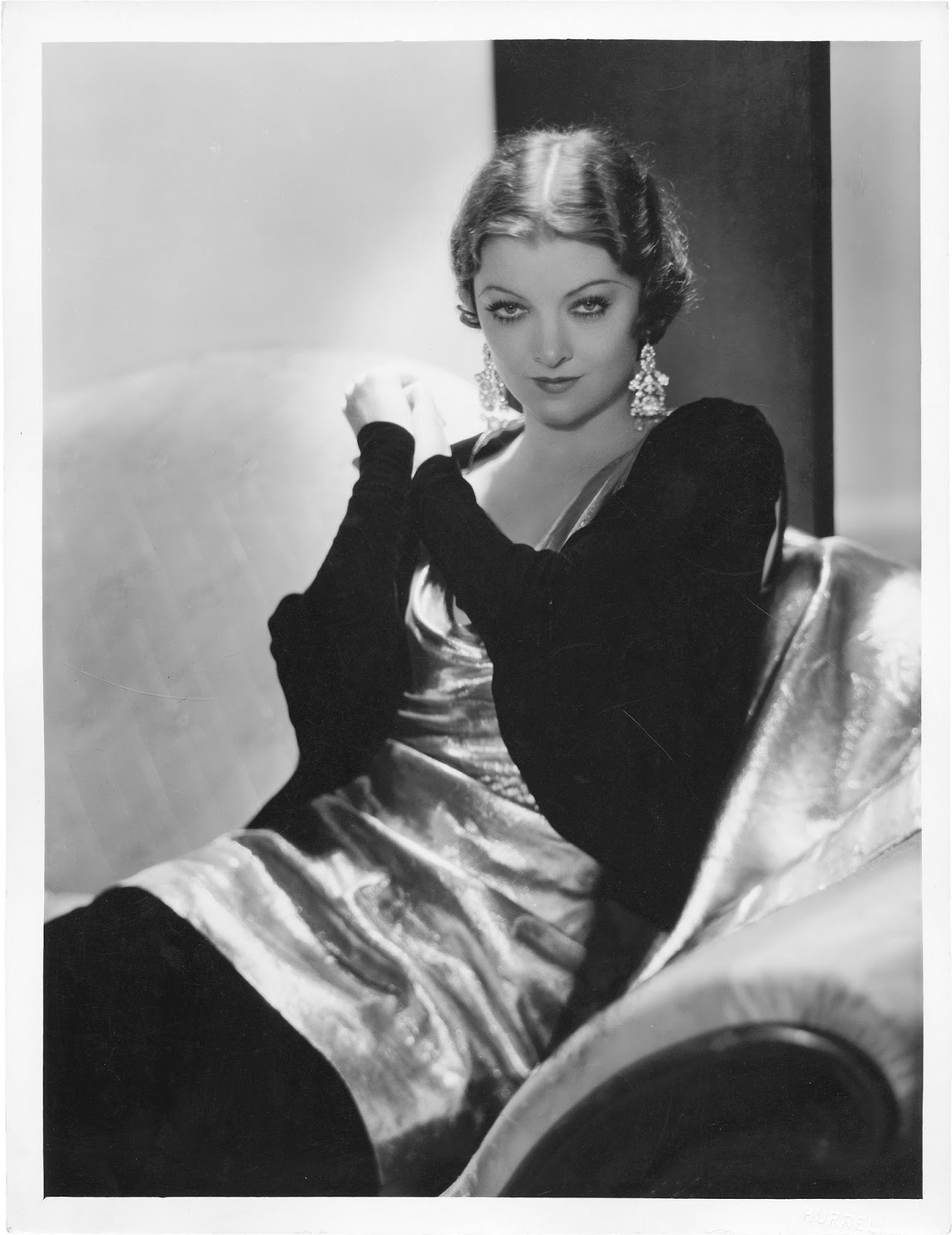
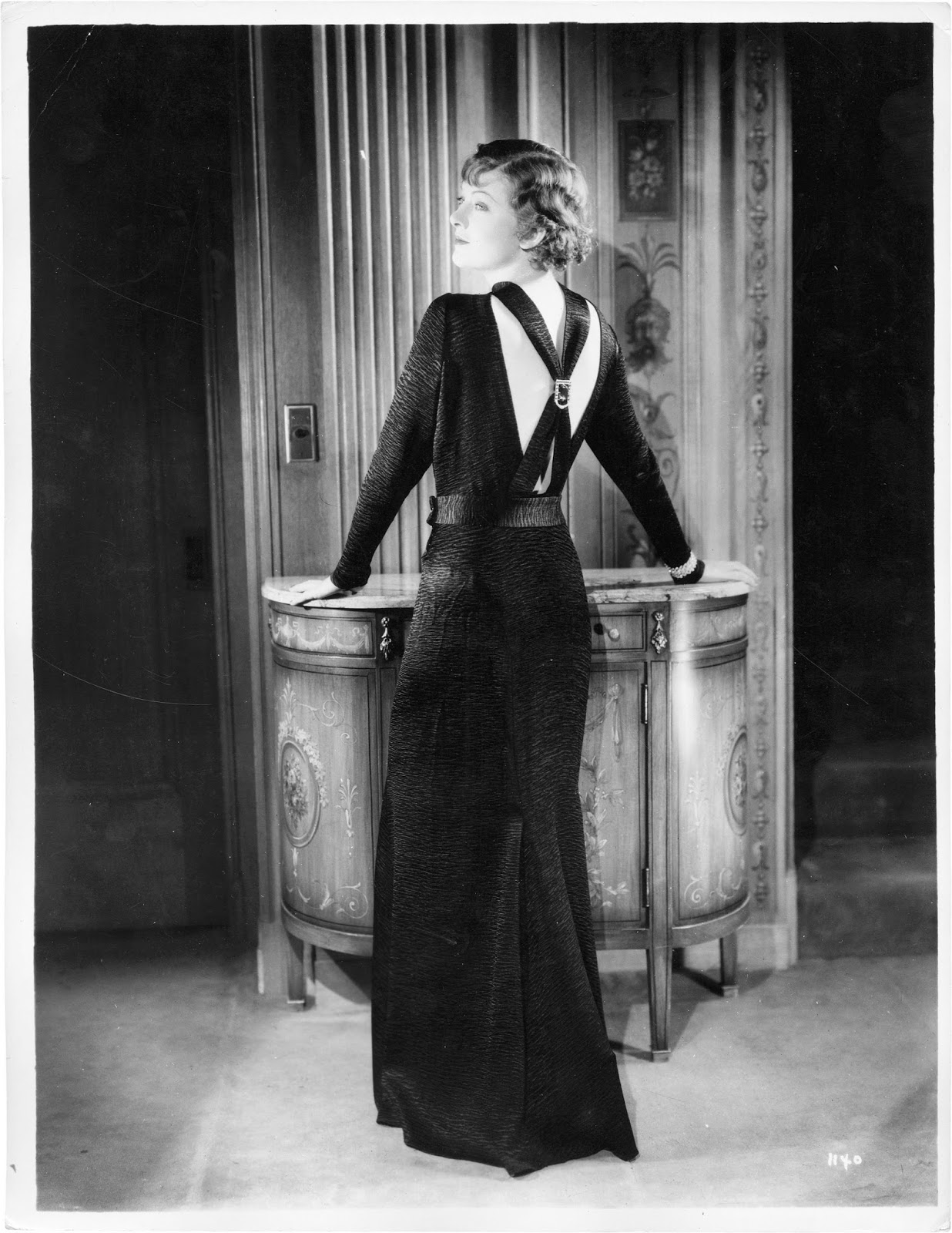
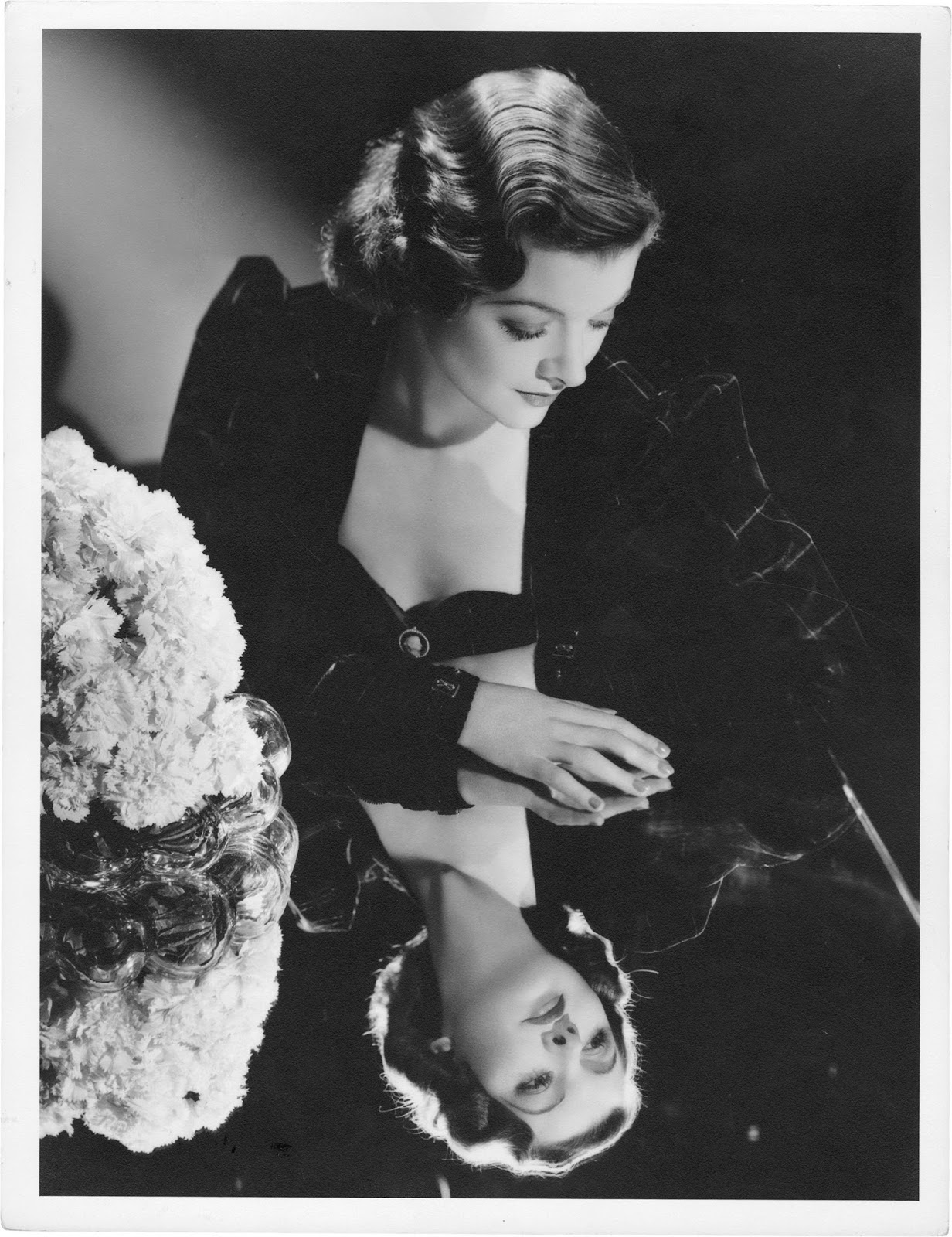
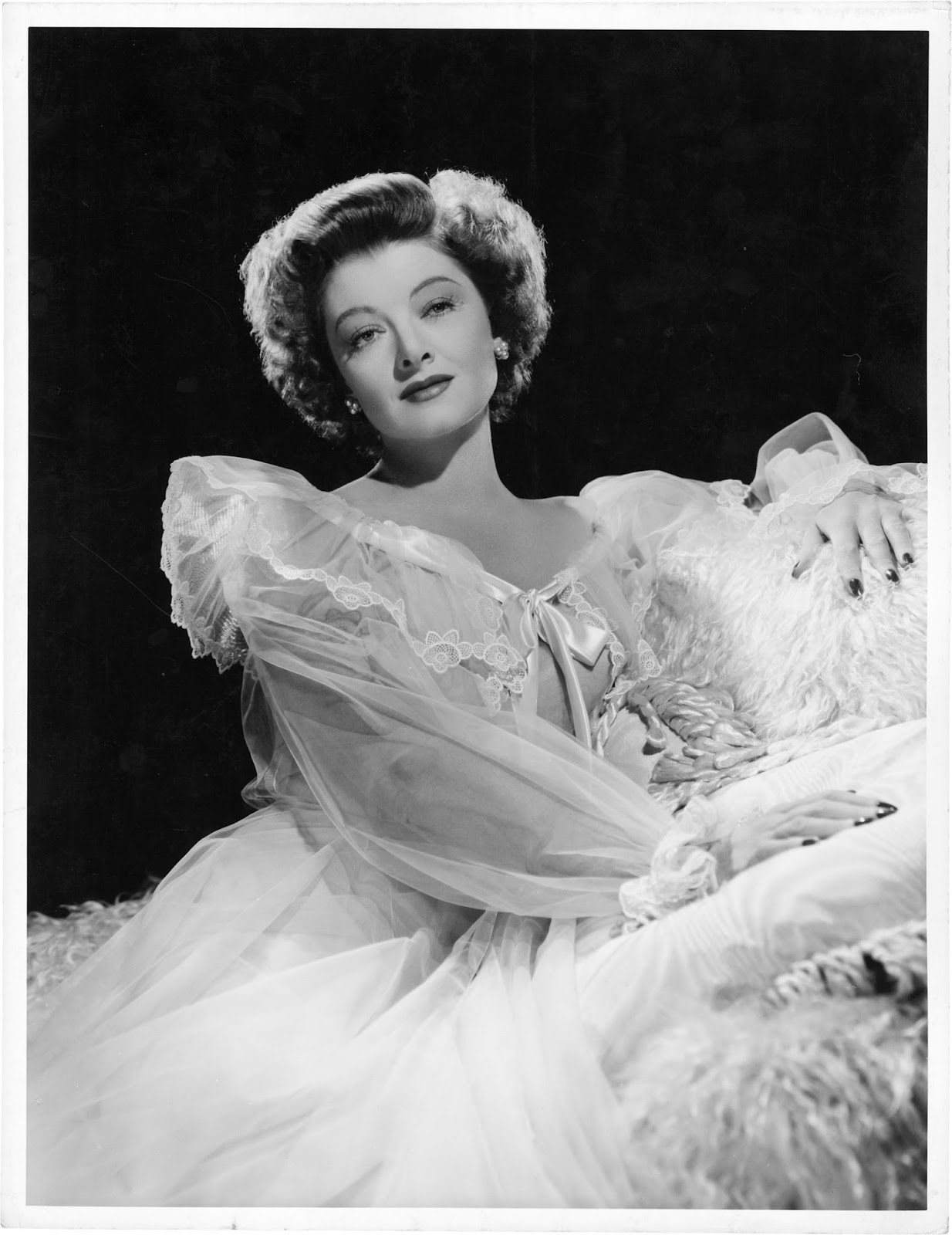
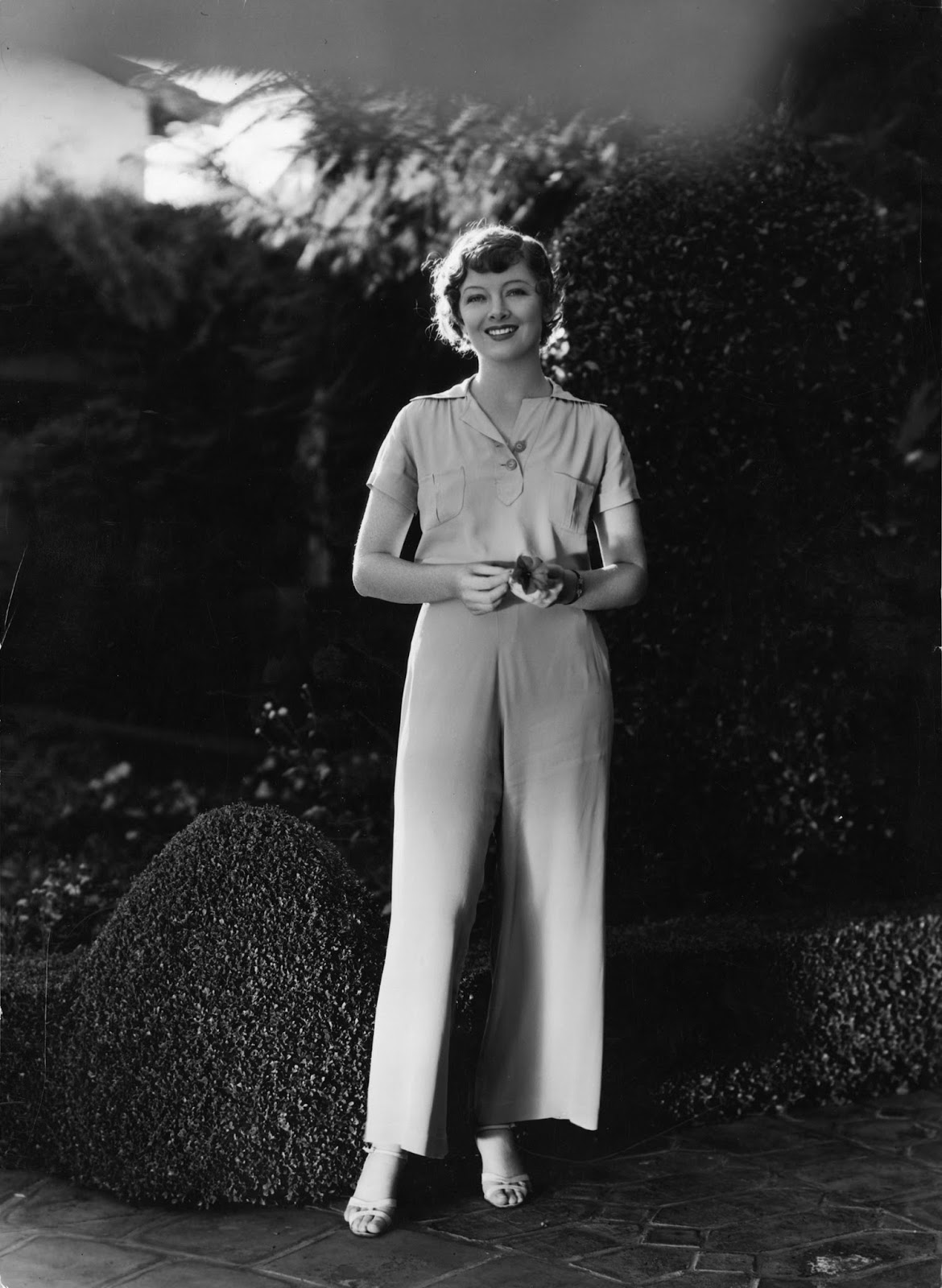
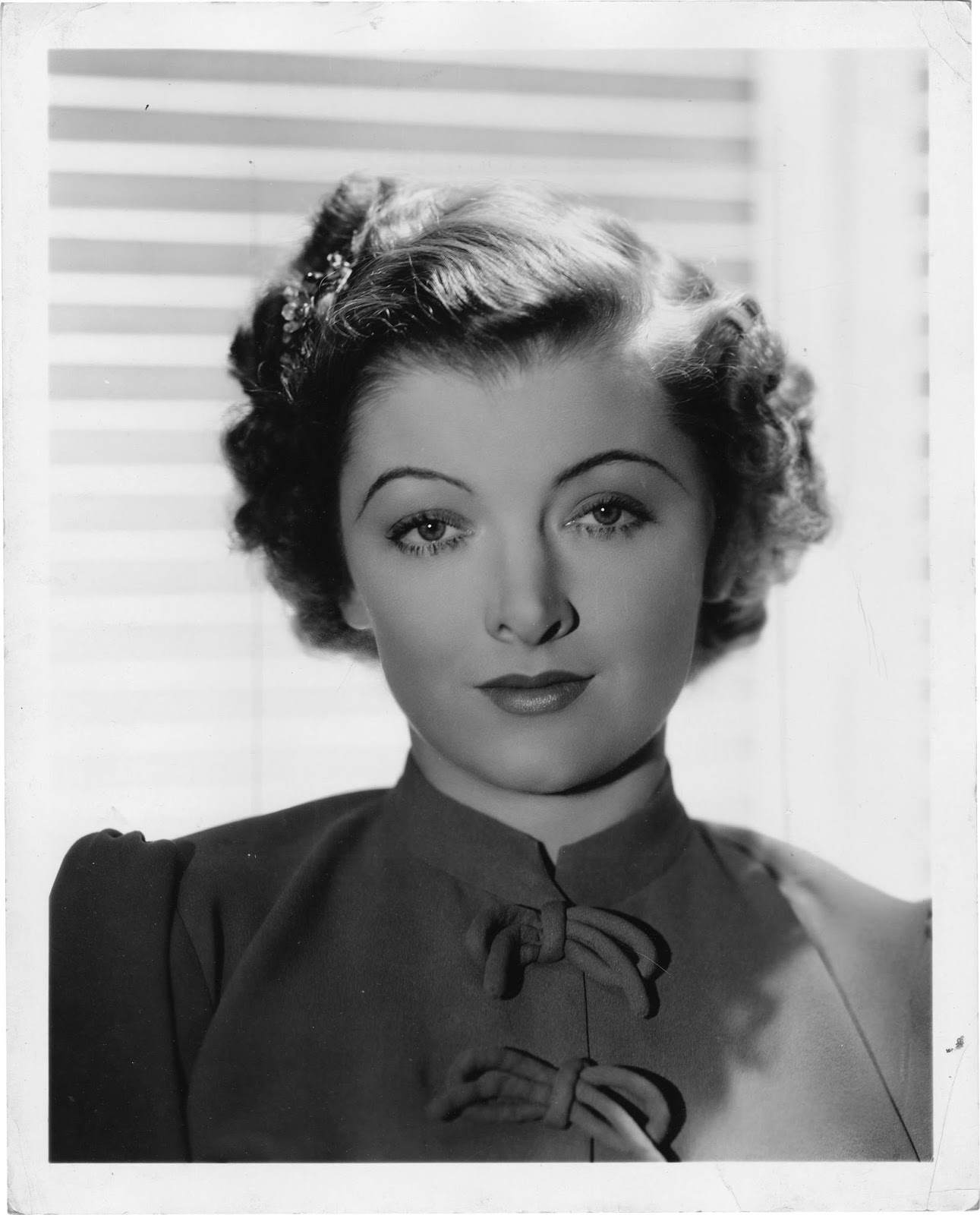
Throughout her years in Hollywood, Loy was widely praised by the press for her charm, intelligence, and striking presence. She appeared frequently on magazine covers and came to represent the refined glamour that defined classic movie stardom.
Her appeal extended far beyond America, as audiences around the world embraced her films, confirming her place not just as a Hollywood icon but as an internationally admired star.

As time went on, Myrna Loy came to be known as “The Only Good Girl in Hollywood,” a reputation built not only on her elegance but also on her integrity, professionalism, and compassion.
Beyond her accomplishments as an actress, she earned deep respect for her humanitarian efforts and dedication to charitable causes, which strengthened her admiration among audiences and journalists alike.
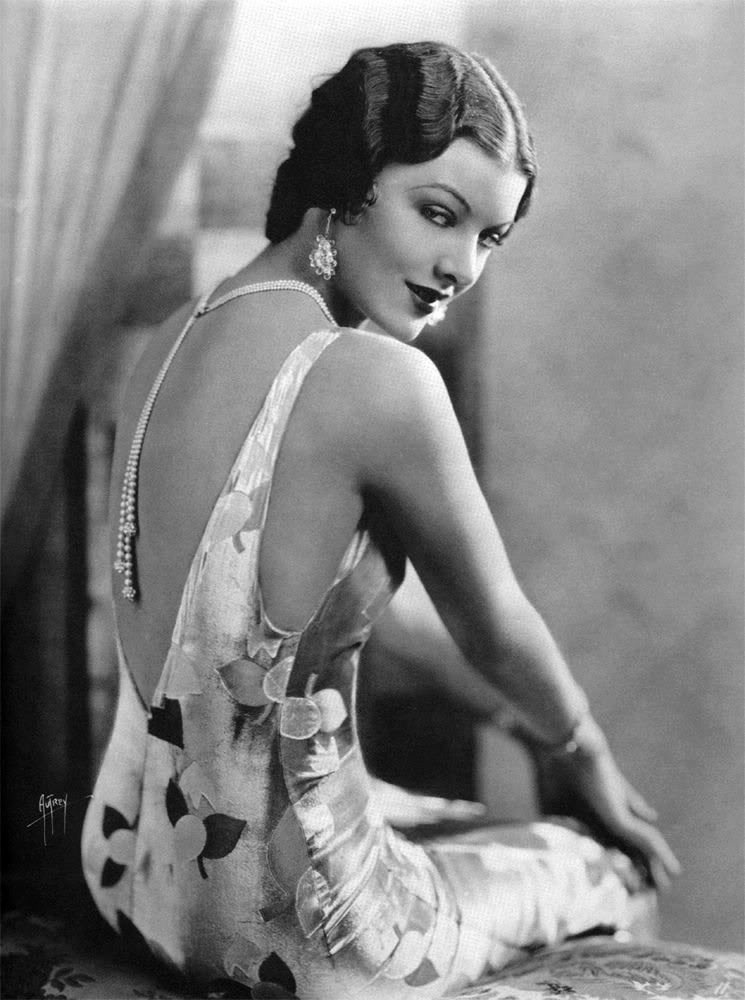
Myrna Loy’s legacy continues to resonate in both film and culture. Over a career that encompassed more than 129 movies, she helped shape the language of classic cinema, and her achievements have been honored through numerous accolades and distinctions.
Her influence reaches far beyond her own era, inspiring generations of performers who followed in her footsteps. Acclaimed actresses including Meryl Streep and Nicole Kidman have openly acknowledged Loy as a model for their own artistic paths and commitment to social causes.
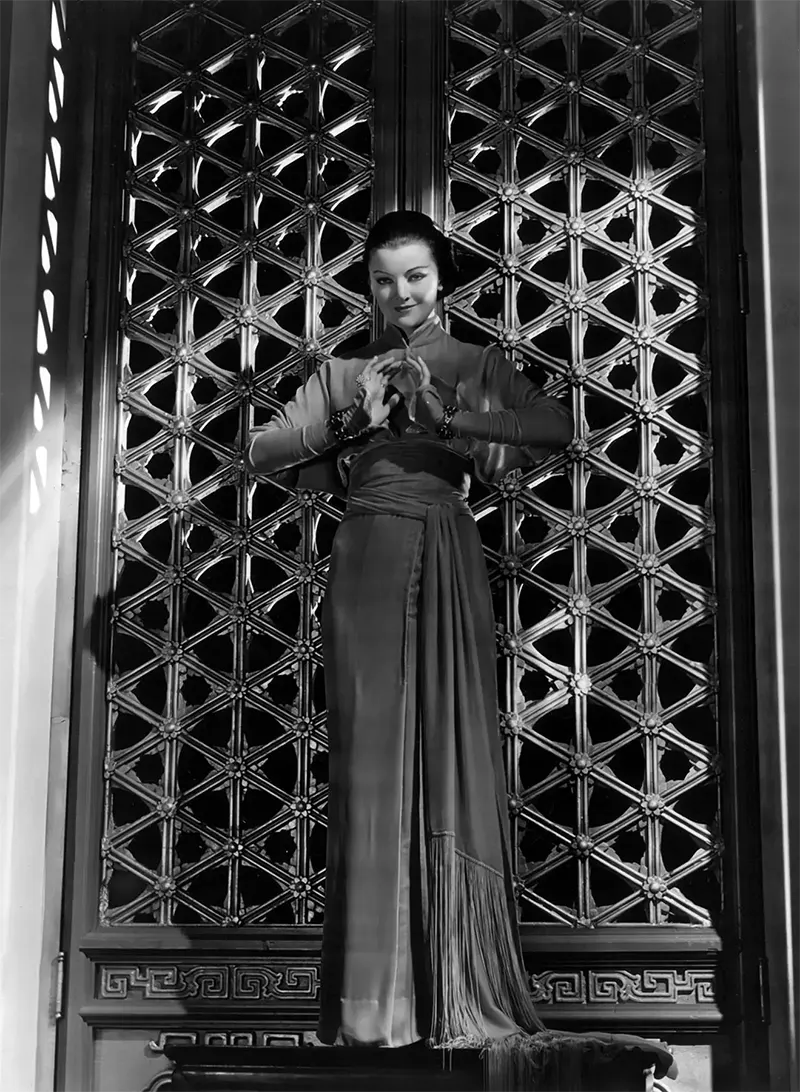
Even decades after her death in 1993, Loy’s enduring elegance, intelligence, and charm continue to command respect, keeping her spirit alive in the imaginations of audiences around the world.
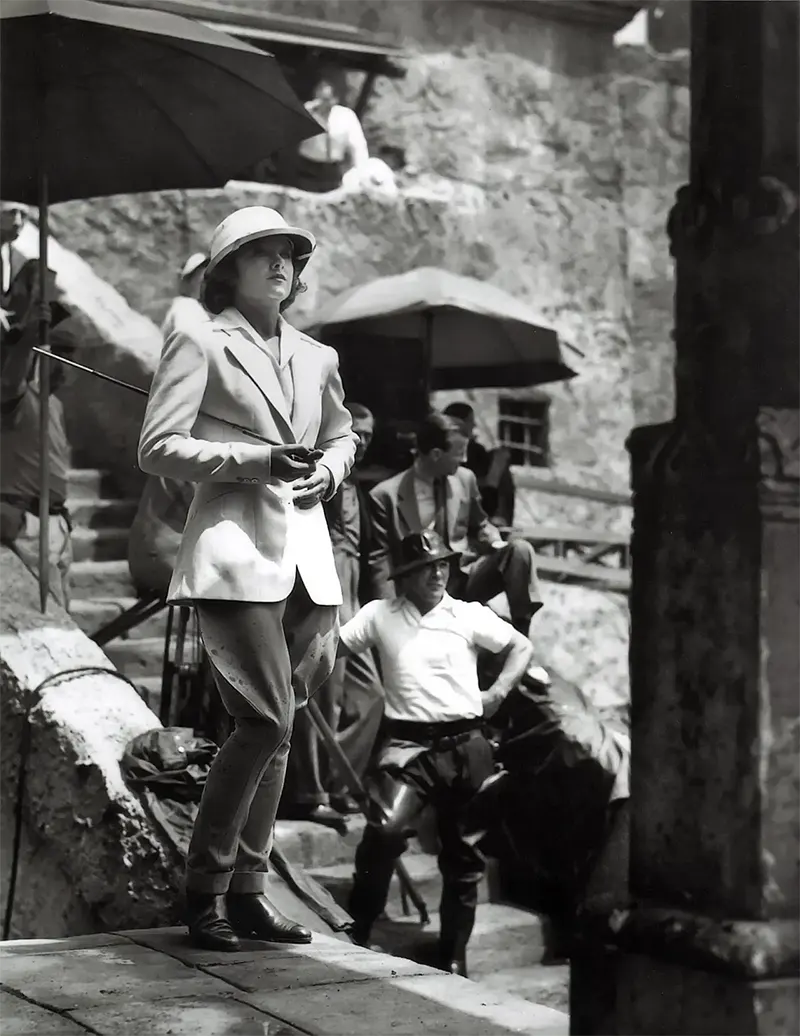

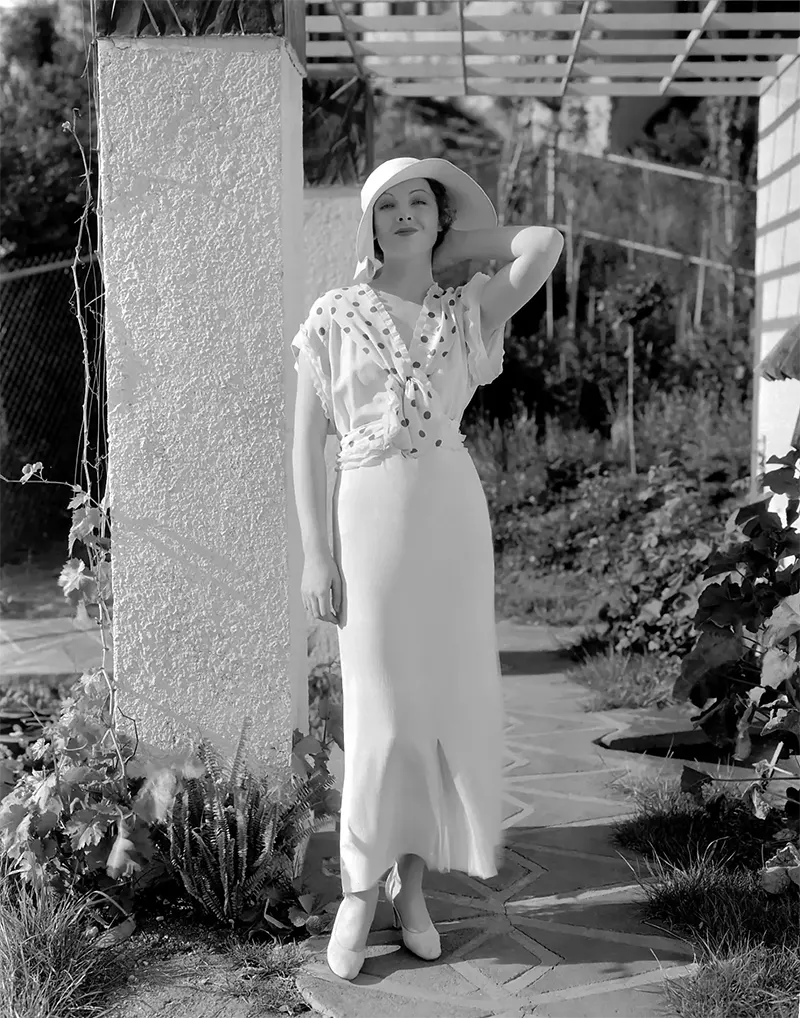
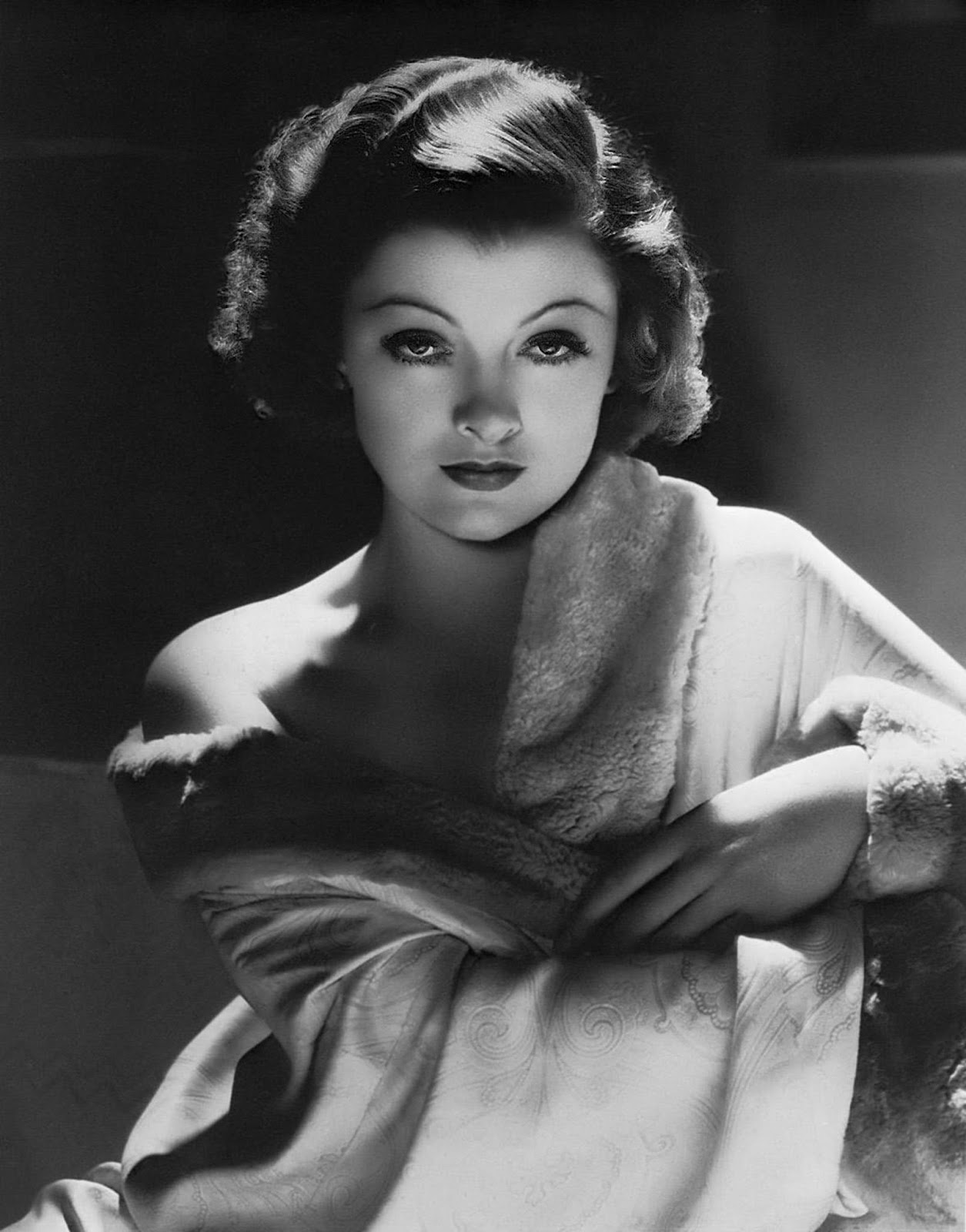
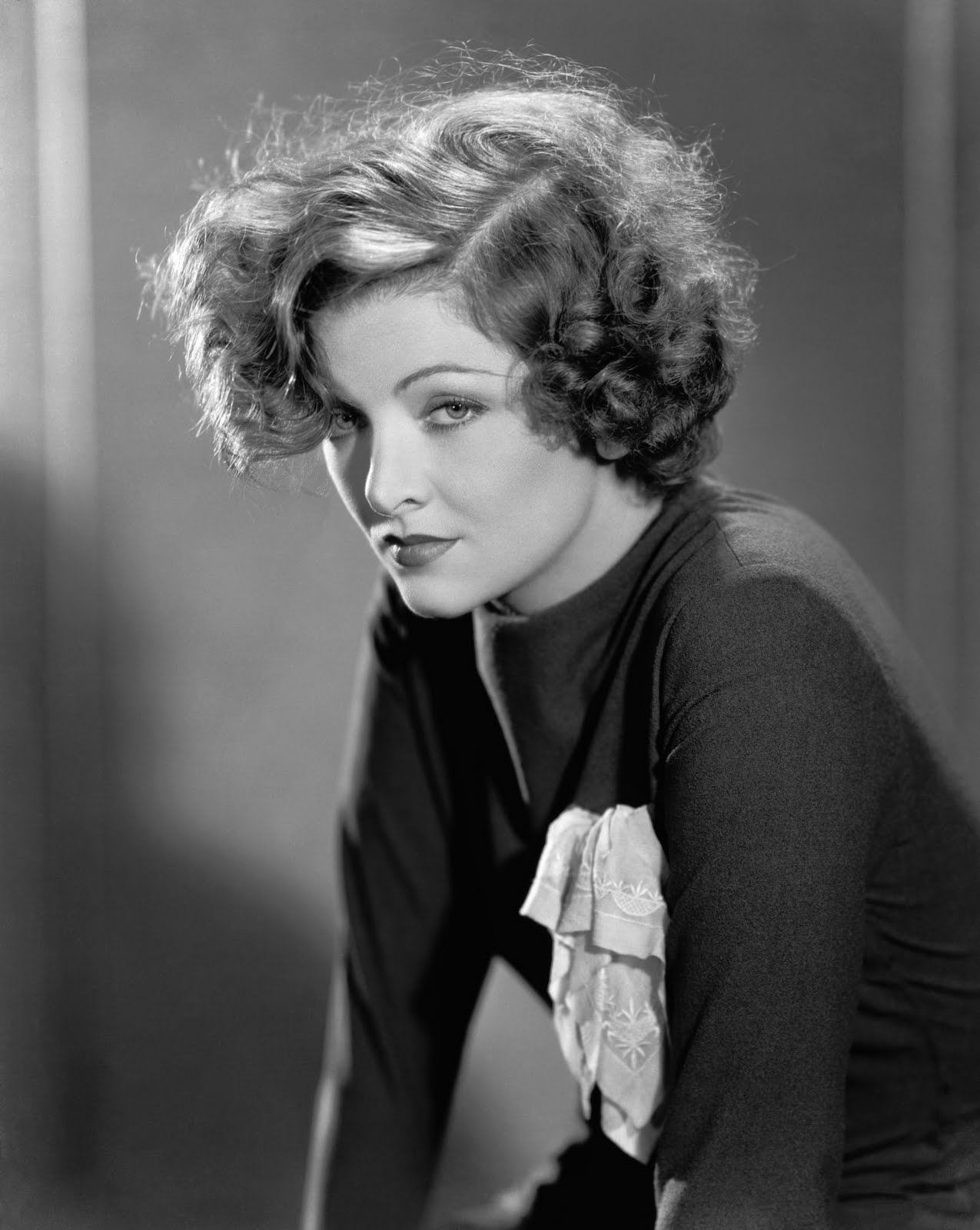
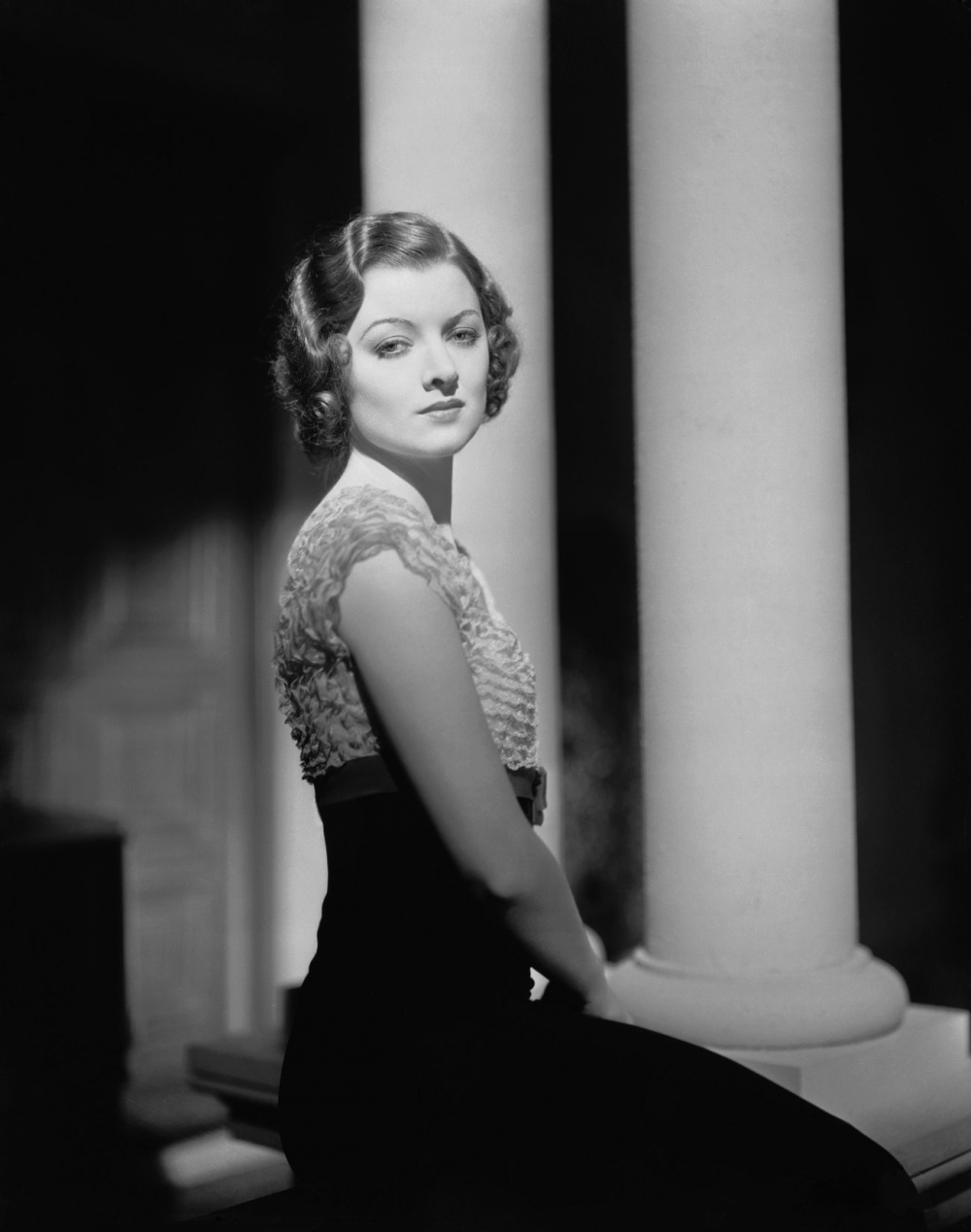
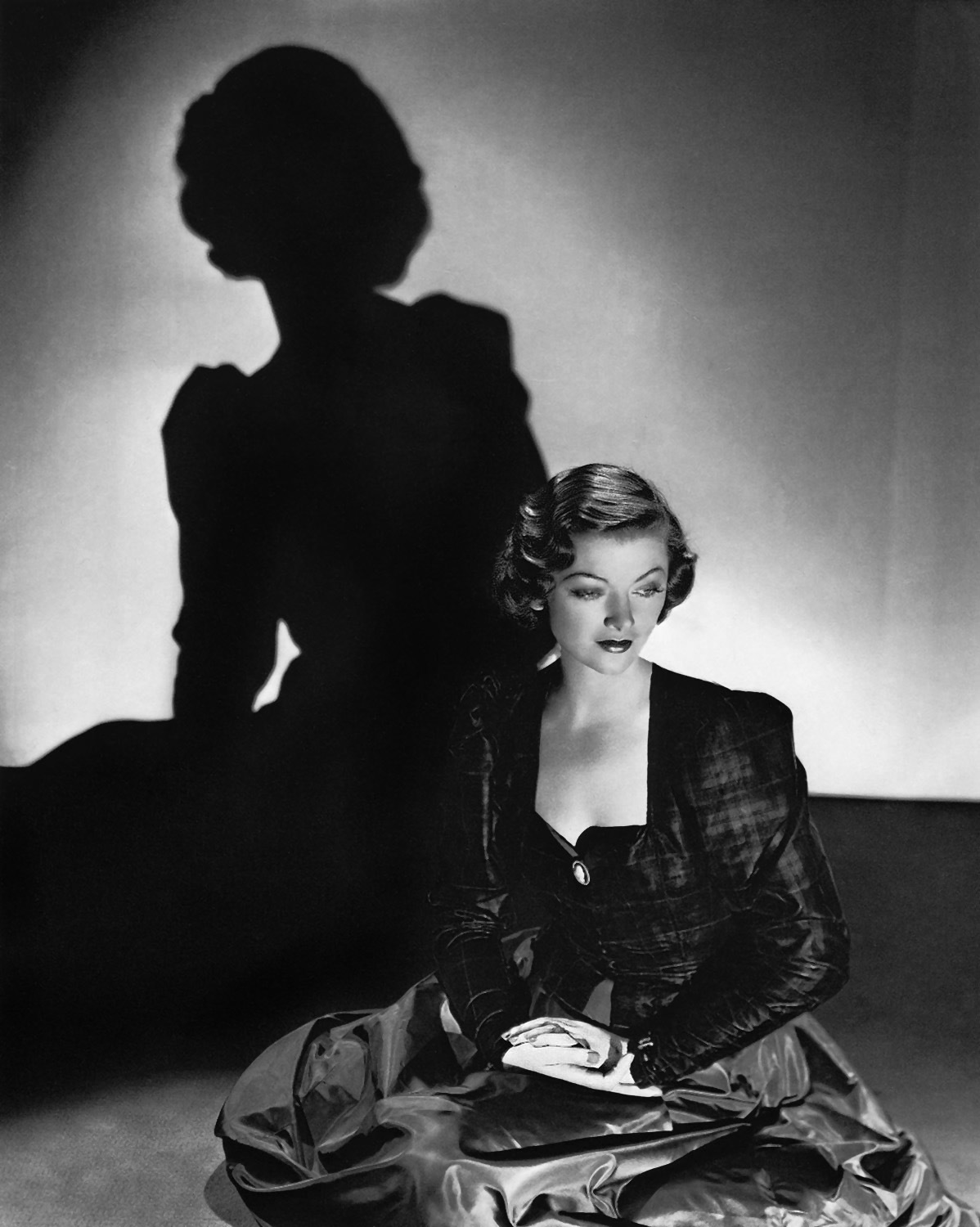
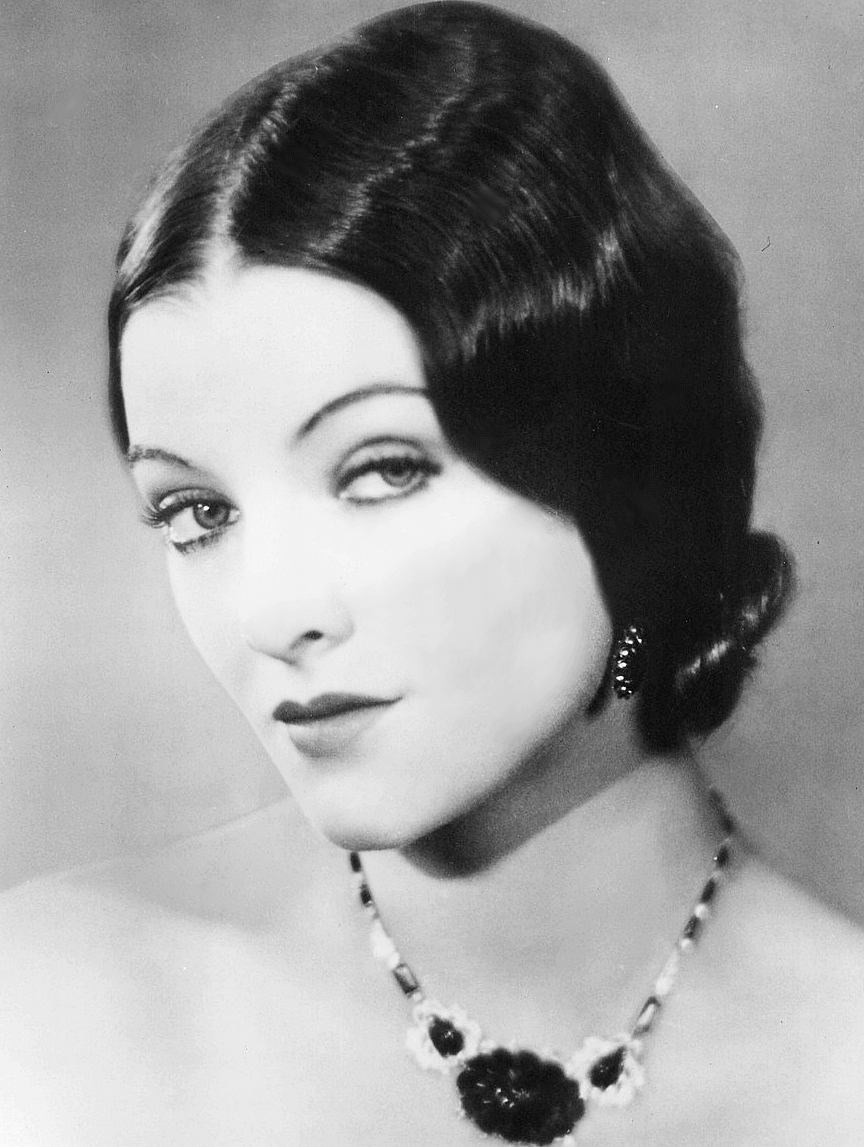
(Photo credit: Wikimedia Commons / IMDB / Pinterest).

No Comments