

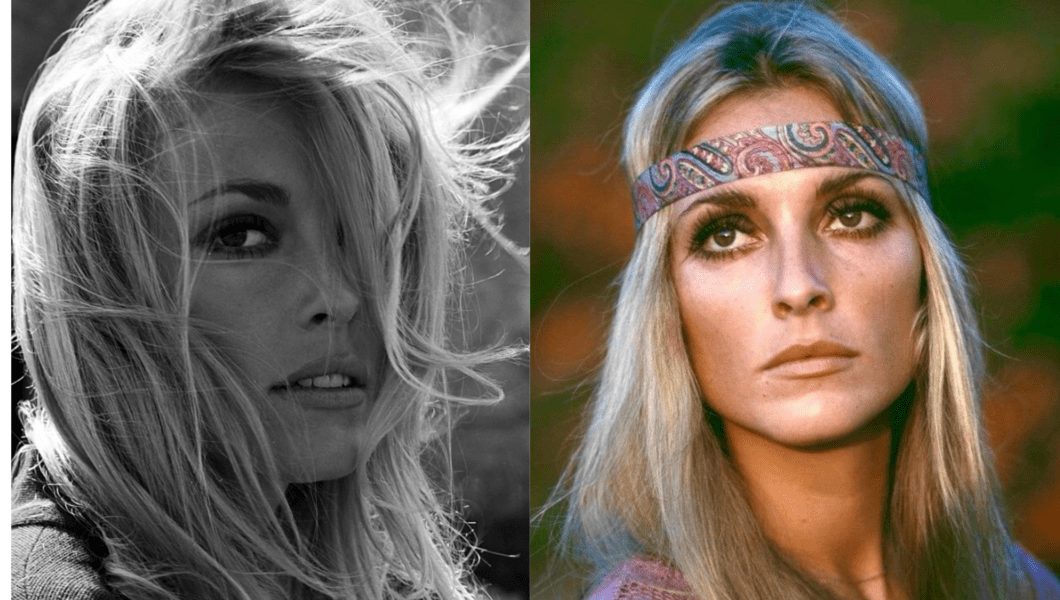
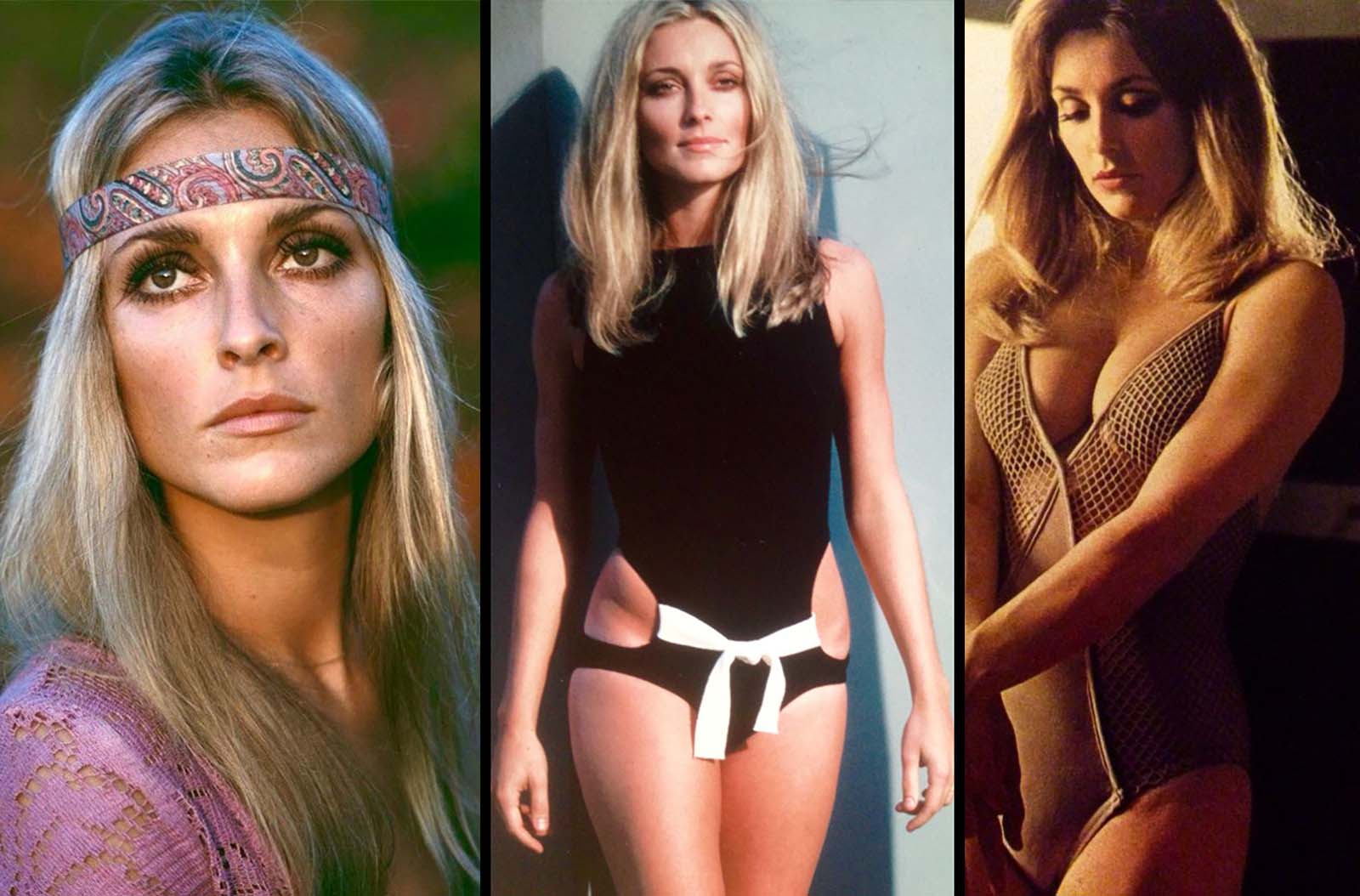
Sharon Tate remains one of Hollywood’s most unforgettable figures — a luminous presence whose beauty and talent continue to resonate with film lovers across generations.
This piece invites readers to reflect on her life through a collection of archival photographs, tracing her journey in cinema and acknowledging the heartbreaking circumstances that cut it short.
Born Sharon Marie Tate on January 24, 1943, in Dallas, Texas, she grew up in a military household. Her father’s career required the family to move often, giving her early exposure to different communities and helping shape her poised, adaptable character.
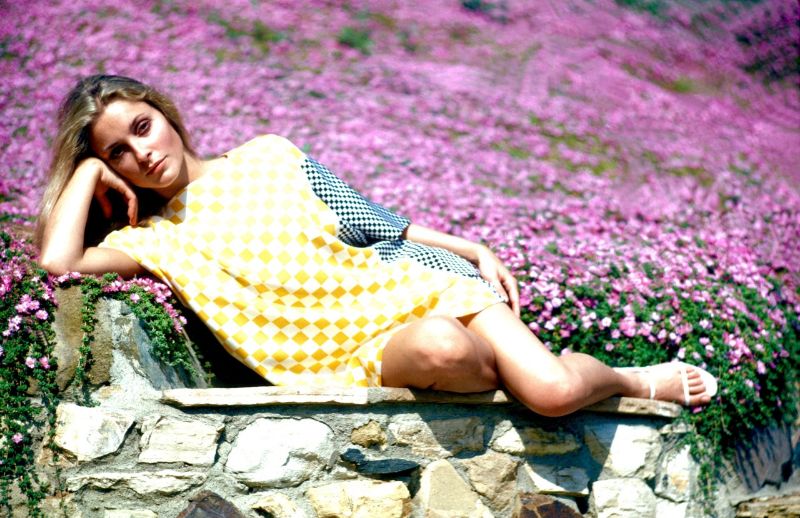
Driven by a strong love for beauty and performance, Tate committed herself to formal training, studying at the Verona School of Acting in Italy before continuing her education at the American Academy of Dramatic Arts in New York City.
Her pursuit of stardom eventually led her to Los Angeles, where she began seeking roles in film and television. With her striking appearance and natural screen presence, she quickly found success as a model, appearing on magazine covers and attracting the attention of casting directors and producers.
Opportunities in Hollywood soon followed. She made her screen debut in 1961 as an extra in Barabbas, starring Anthony Quinn, and later appeared in the suspenseful film Eye of the Devil (1966).
Her breakthrough came with the role of Jennifer North in Valley of the Dolls (1967), a performance that earned her a Golden Globe nomination. That same year, she starred in The Fearless Vampire Killers, directed by Roman Polanski, who would later become her husband.
Her final completed film, 12+1, was released after her death in 1969. Tate and Polanski first met in 1967 during the production of The Fearless Vampire Killers, marking the beginning of both a professional collaboration and a personal relationship.
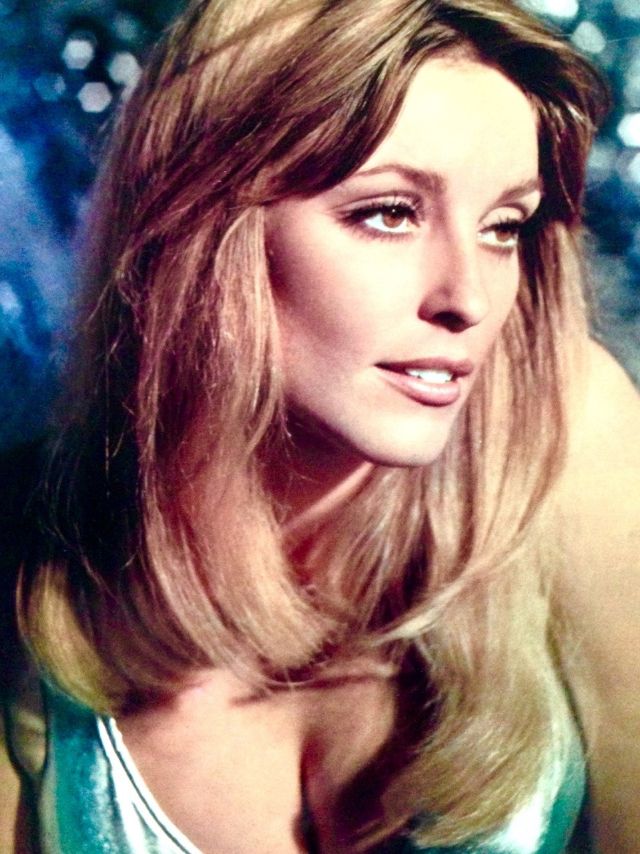
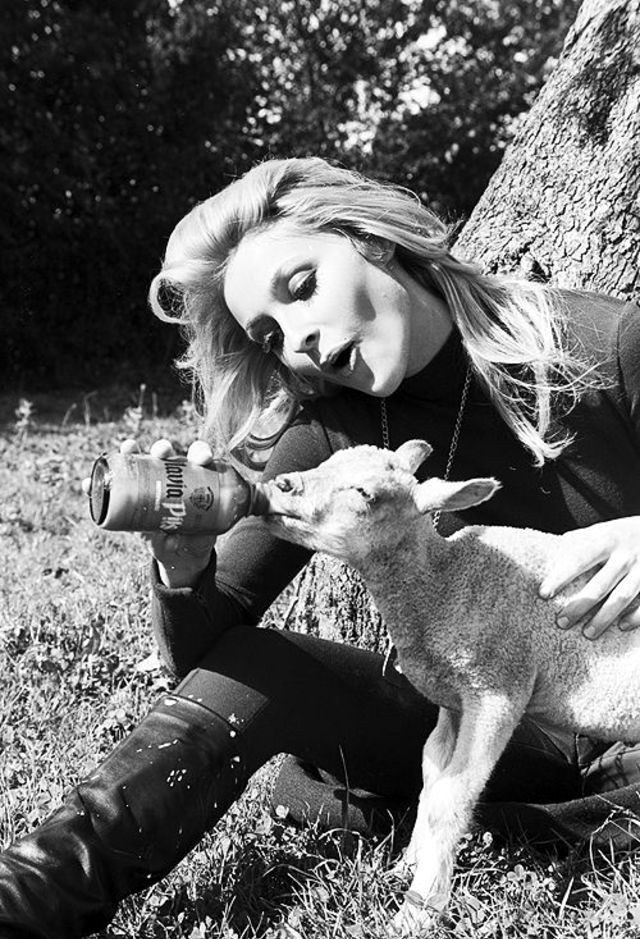
(Photo taken by Shahrokh Hatami in the 1960s)
Tate, then a rising actress poised for greater recognition, was impressed by Polanski’s creative vision, while he was equally taken by her luminous presence and natural charisma.
Their meeting quickly evolved into an intense and highly publicized romance that would profoundly influence both of their lives.
The pair married on January 20, 1968, in Chelsea, London, attracting significant media attention. Polanski wore elaborate Edwardian-style attire, while Tate chose a modern white minidress for the ceremony. Afterward, they settled into Polanski’s mews residence near Eaton Square in the Belgravia district of London.
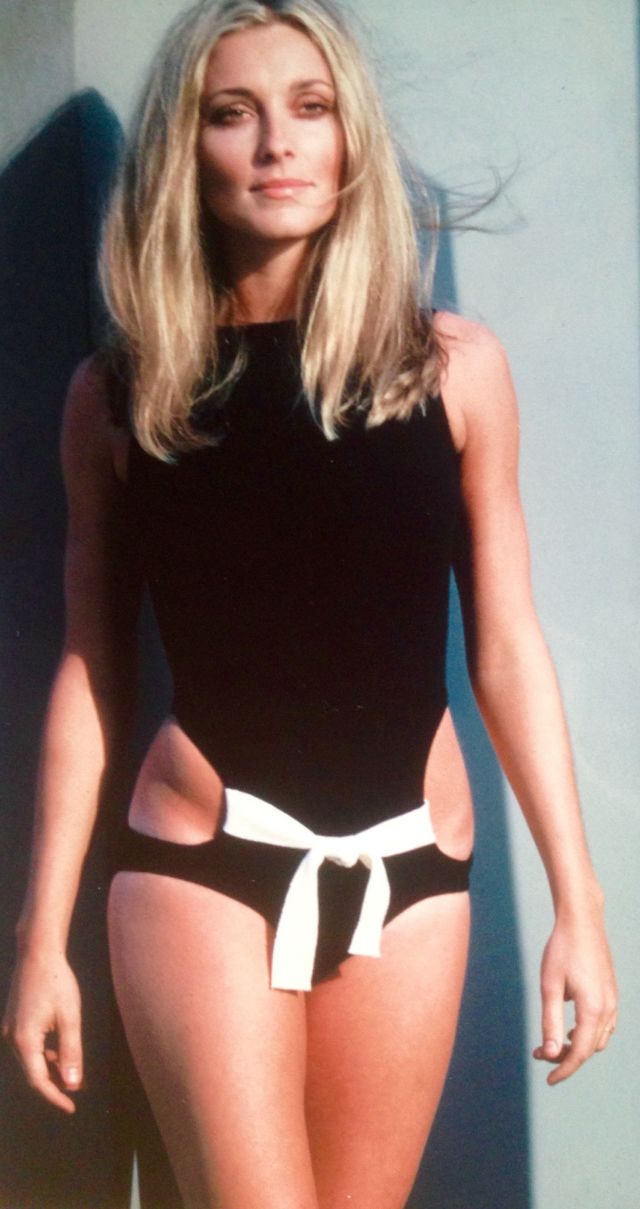
Photographer Peter Evans described them as “the imperfect couple. They were the Douglas Fairbanks/Mary Pickford of our time…. Cool, nomadic, talented, and nicely shocking”.
Tate reportedly wanted a traditional marriage but Polanski remained promiscuous and described her attitude to his infidelity as “Sharon’s big hang-up”.
He reminded her that she had promised not to change him. Tate accepted his conditions, though she confided to friends that she hoped that he would change.
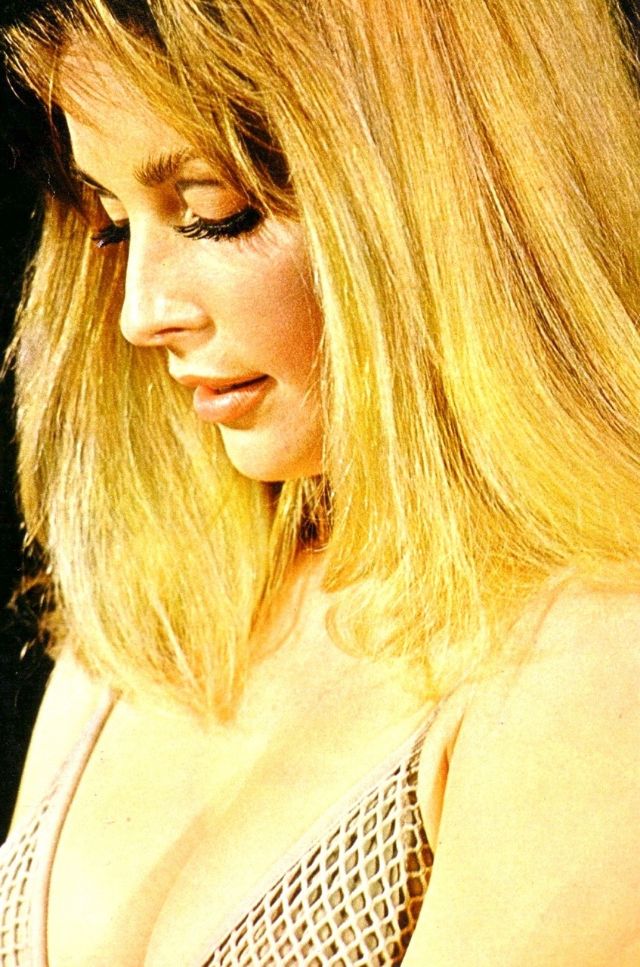
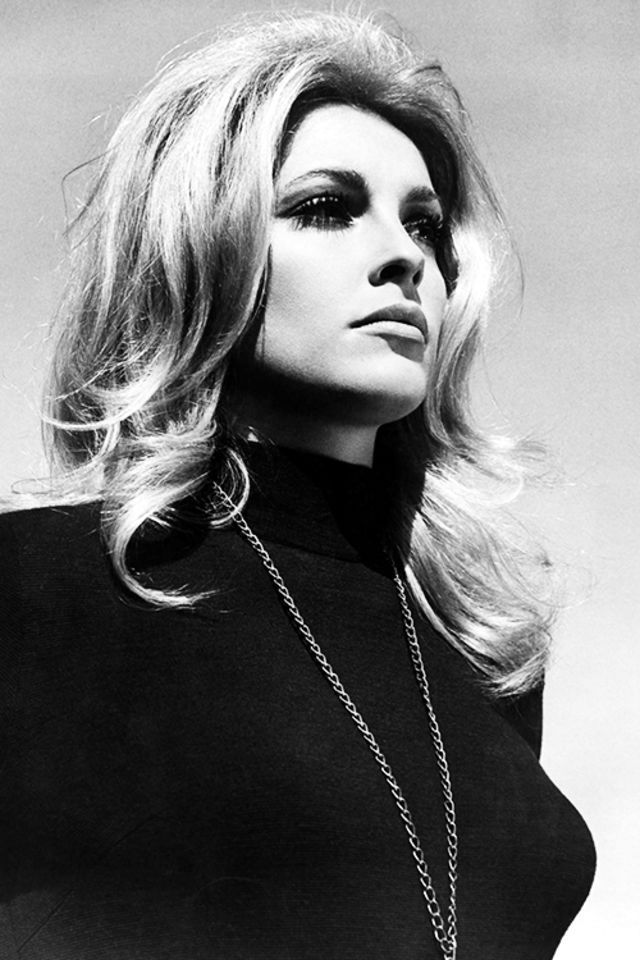
(Photo taken by Shahrokh Hatami in the 1960s)
Biographer Peter Evans once quoted Tate as joking about her marriage, saying, “We have a good arrangement. Roman lies to me and I pretend to believe him.”
Any sense of happiness and expectation surrounding their union came to a devastating end on the night of August 8, 1969.
That evening, Sharon Tate and her friends — Jay Sebring, Wojciech Frykowski, and Abigail Folger — were killed at her Los Angeles home by members of the Manson Family. Also slain on the property was 18-year-old Steven Parent, who had been visiting the residence’s caretaker.
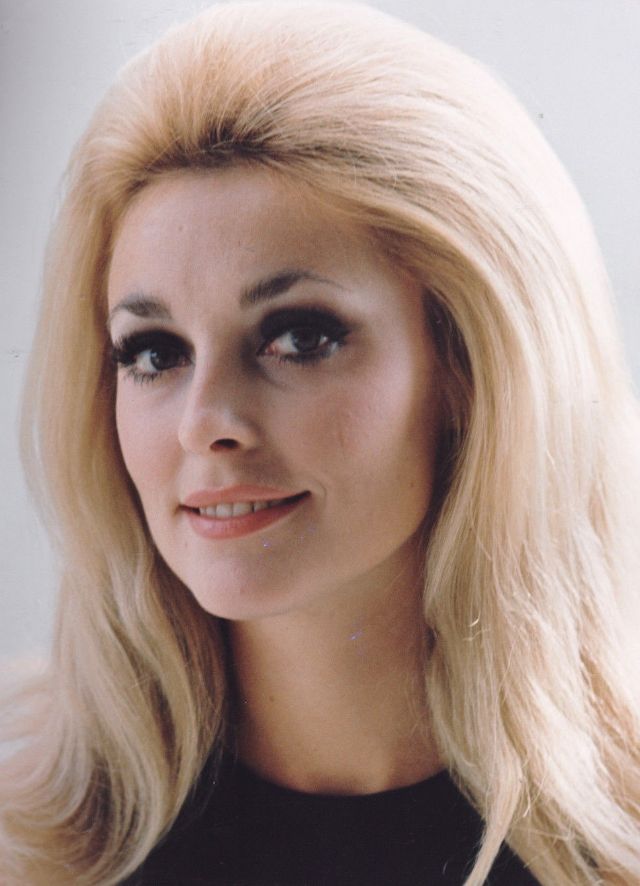
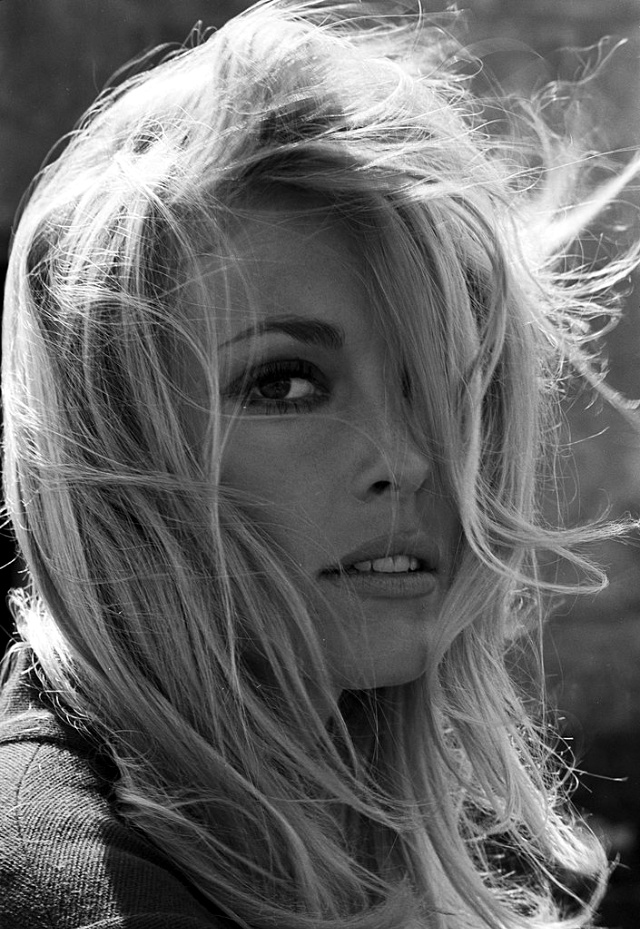
(Photo taken by Shahrokh Hatami in the 1960s)
In the final moments of her life, Tate reportedly begged for mercy, asking that she be allowed to live for the sake of her unborn child, who was due within weeks. Despite her pleas, she was brutally killed, and the crime shocked the nation with its cruelty.
Polanski was notified of the tragedy while away and immediately returned to Los Angeles, where authorities questioned him regarding the events and his connection to those who had been present that night.
On August 13, Tate was laid to rest at Holy Cross Cemetery in Culver City, California. She was buried holding her infant son, Paul Richard Polanski, who was named in memory of his grandfathers.
Life magazine later published an extensive feature on the murders, including images from the scene. Polanski agreed to be interviewed and photographed outside the home, a decision that drew criticism. He later explained that he hoped the publicity might prompt someone with information to come forward.
Public interest in the case led to renewed attention toward Tate’s film work, and several of her movies were reissued, finding greater audiences than during their original releases.
In the aftermath, some newspapers speculated wildly about the motives behind the crimes, even misrepresenting certain production stills from Eye of the Devil as evidence of sinister rituals, which they were not.
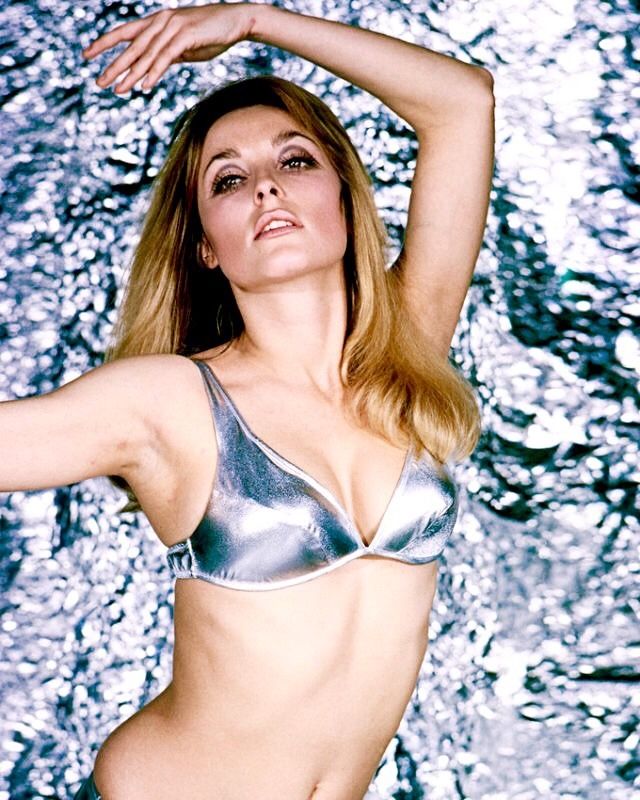
(Photo taken by Shahrokh Hatami in the 1960s)
Several of Tate’s friends publicly objected to the way parts of the media depicted her after her death. Actress Mia Farrow described her as “one of the sweetest and purest people” she had ever known, while Patty Duke remembered her as an exceptionally kind and gentle soul.
At a press conference, Polanski confronted reporters, challenging them to reflect on whether they had ever written about her goodness rather than focusing solely on the tragedy. In the weeks following the murders, he reportedly grew suspicious of various acquaintances, a period of intense anxiety that eased only after those responsible were arrested.
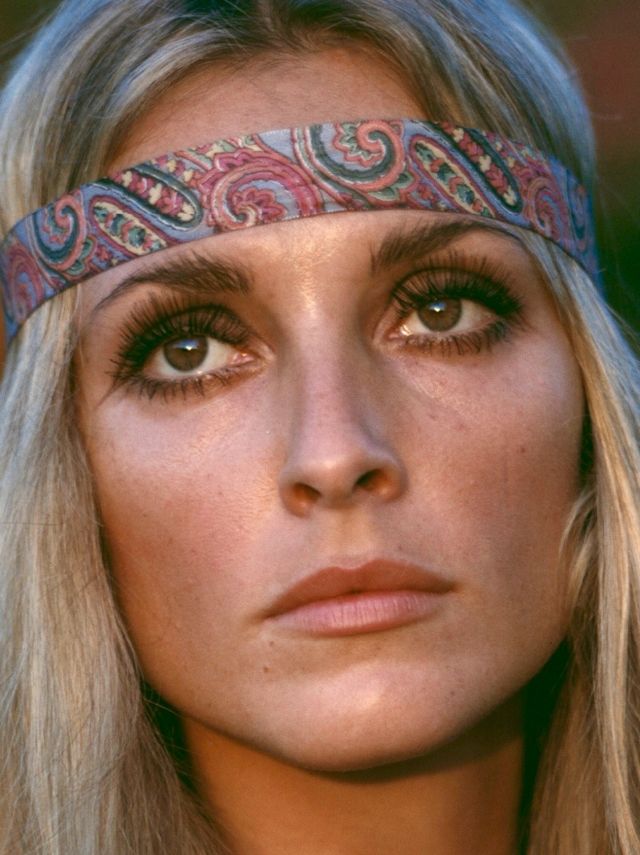
(Photo taken by Shahrokh Hatami in the 1960s)
In September 1969, several members of the Manson group were taken into custody on separate charges. As the investigation unfolded, authorities connected them to the killings at Tate’s residence, bringing clarity to a case that had stunned the nation.
Investigators later determined that the crime had not been driven by the specific identities of the victims. Instead, the attackers had targeted the property itself, which had previously been leased to record producer Terry Melcher, someone Charles Manson had once known.
Years later, in 1994, the original house was torn down, and a new structure was built in its place.
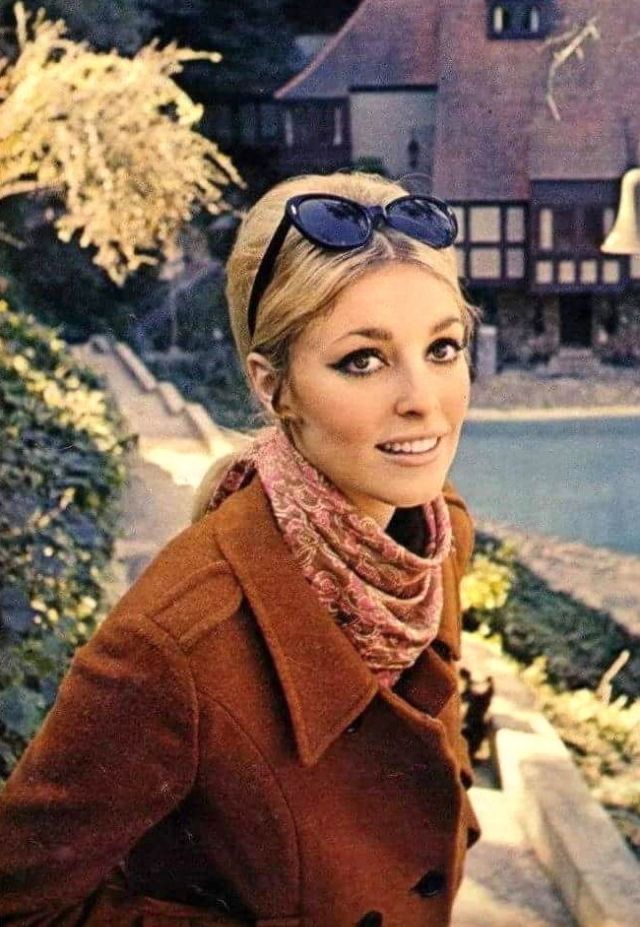
(Photo taken by Shahrokh Hatami in the 1960s)
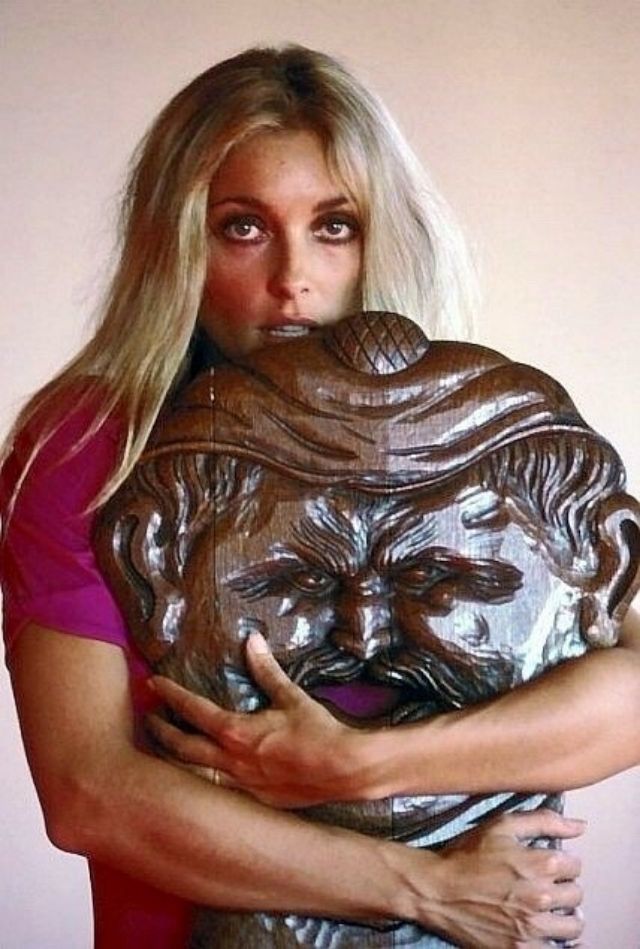
Photo taken by Shahrokh Hatami in the 1960s
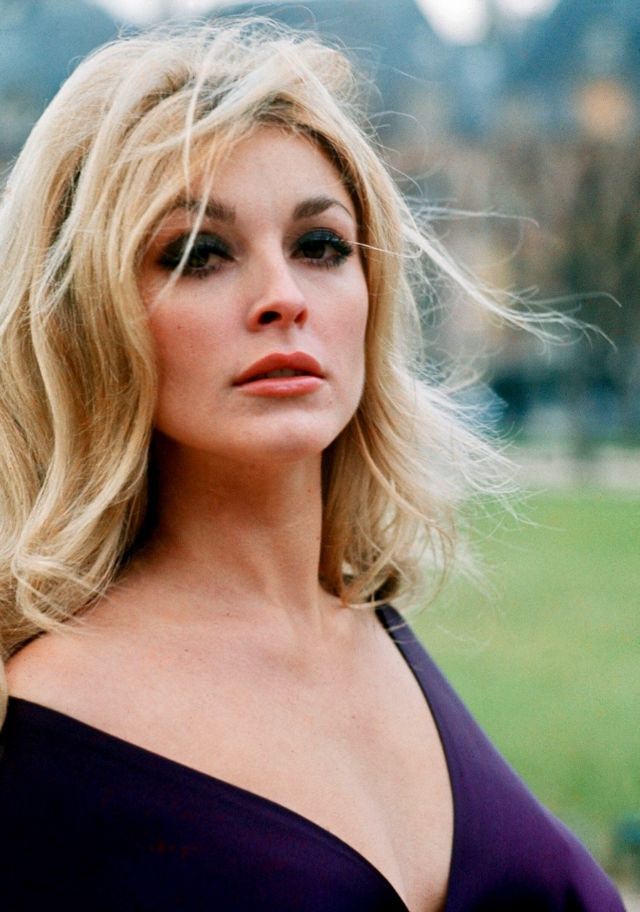
(Photo taken by Shahrokh Hatami in the 1960s)
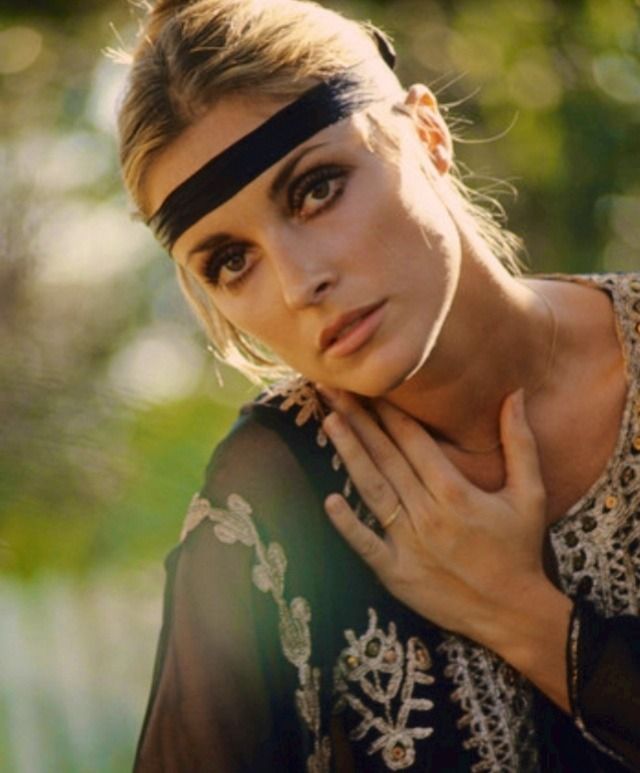
(Photo taken by Shahrokh Hatami in the 1960s)

(Photo taken by Shahrokh Hatami in the 1960s)
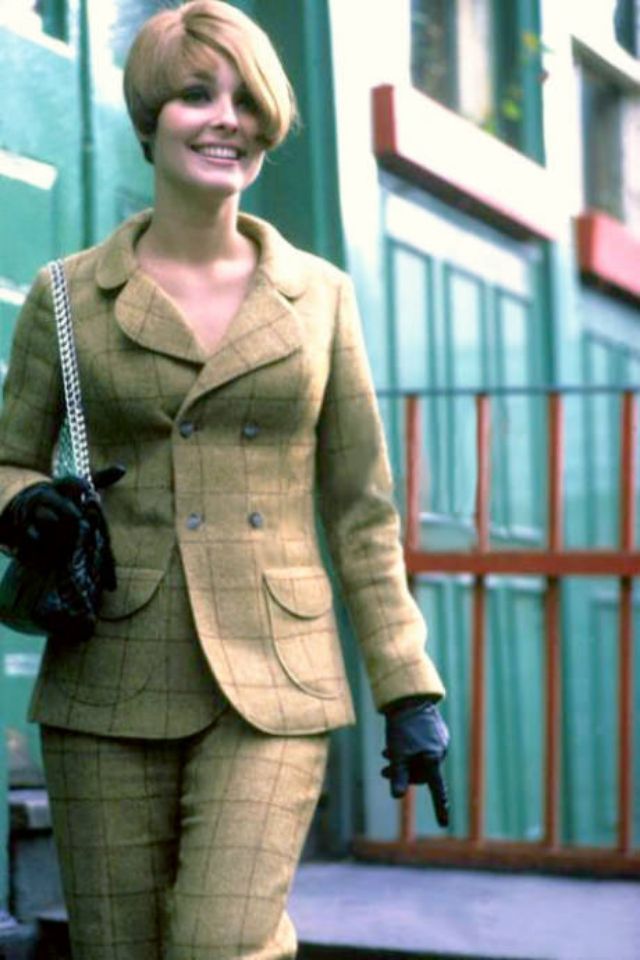
(Photo taken by Shahrokh Hatami in the 1960s)
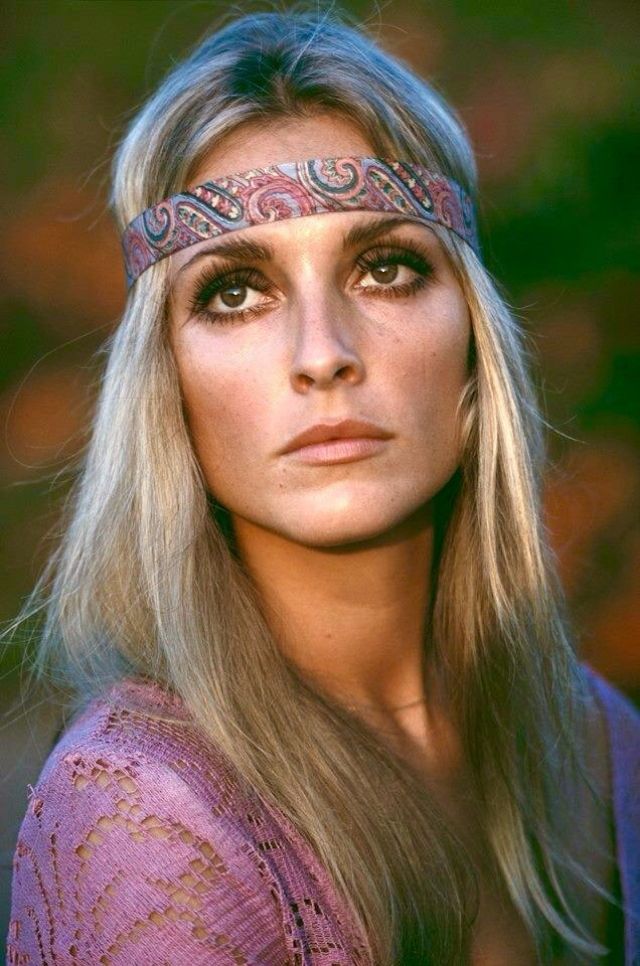
(Photo taken by Shahrokh Hatami in the 1960s)

(Photo taken by Shahrokh Hatami in the 1960s)
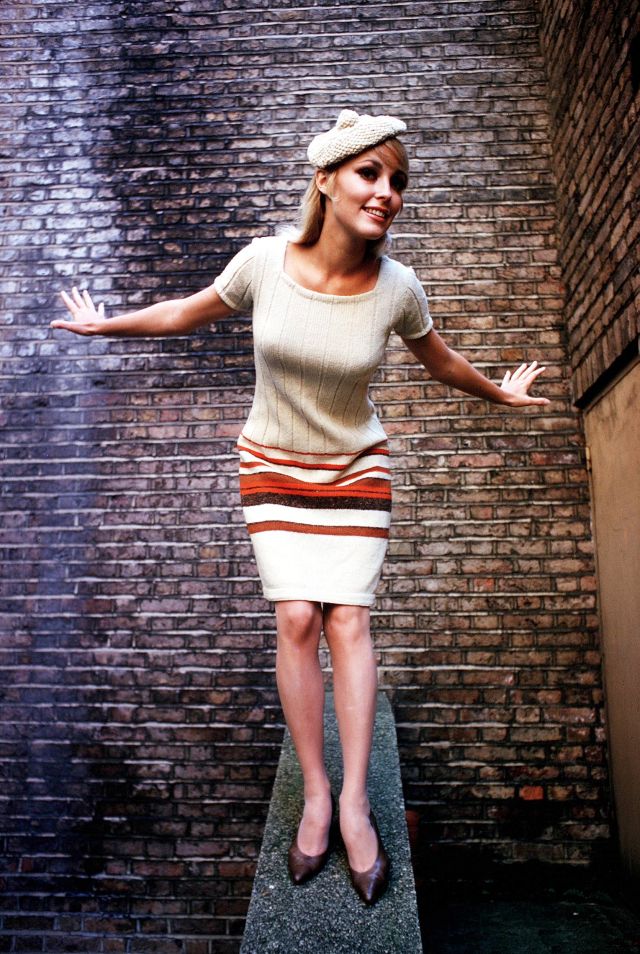
(Photo taken by Shahrokh Hatami in the 1960s)

(Sharon Tate photographed by Milton H. Greene in 1966)
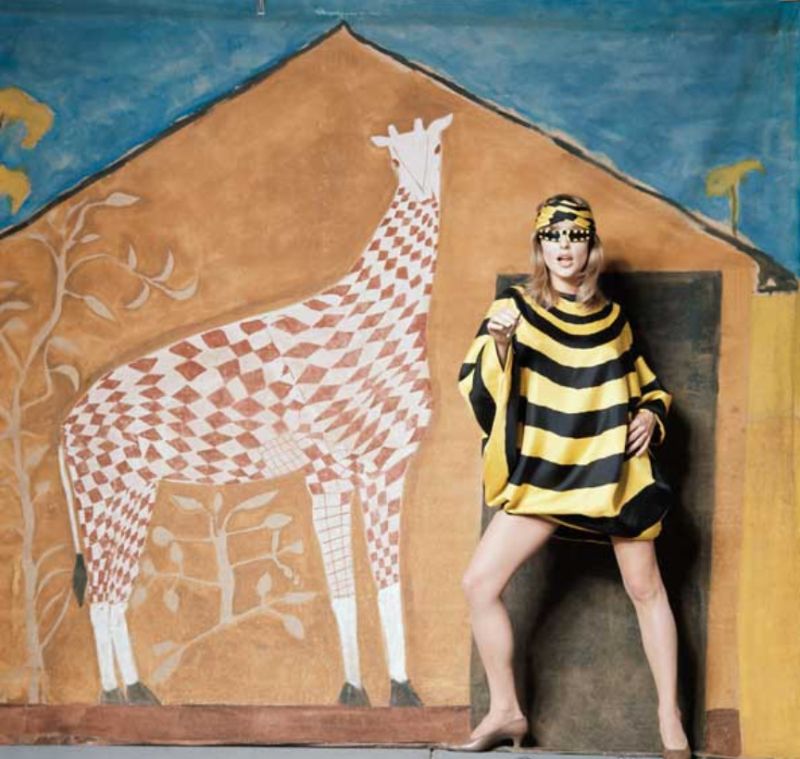
(Sharon Tate photographed by Milton H. Greene in 1966)
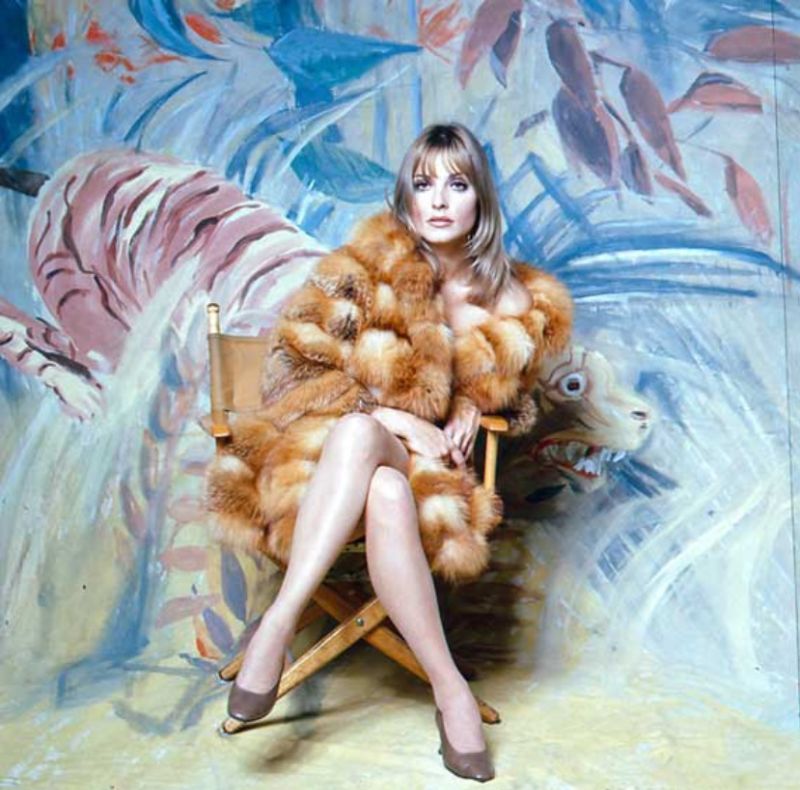
(Sharon Tate photographed by Milton H. Greene in 1966)
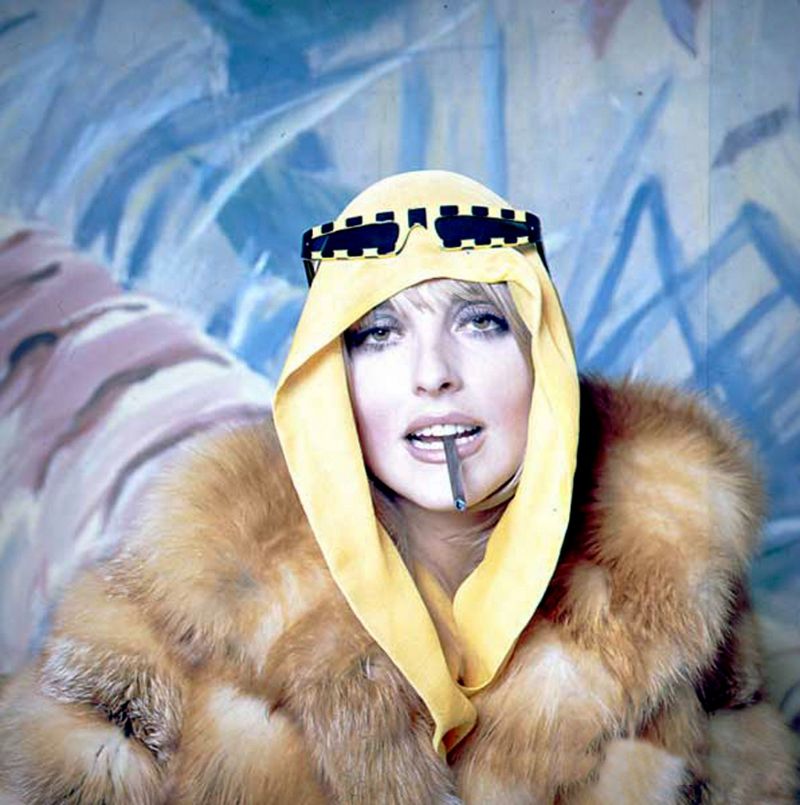
(Sharon Tate photographed by Milton H. Greene in 1966)
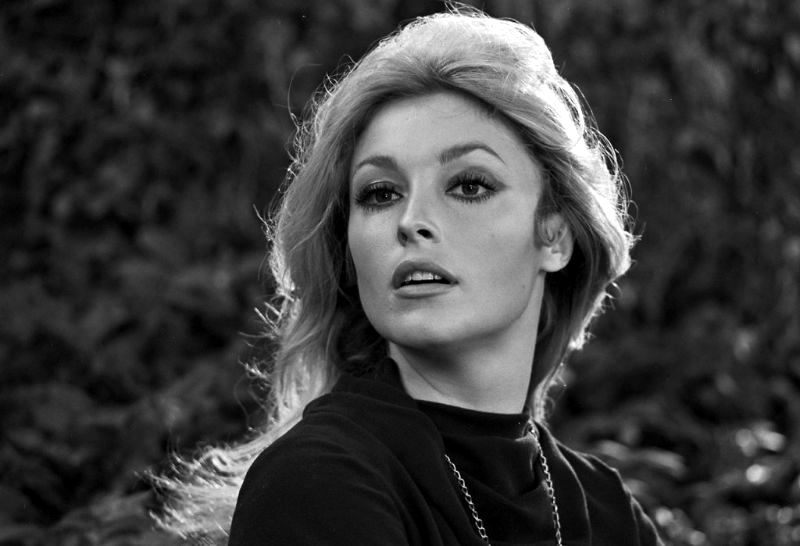
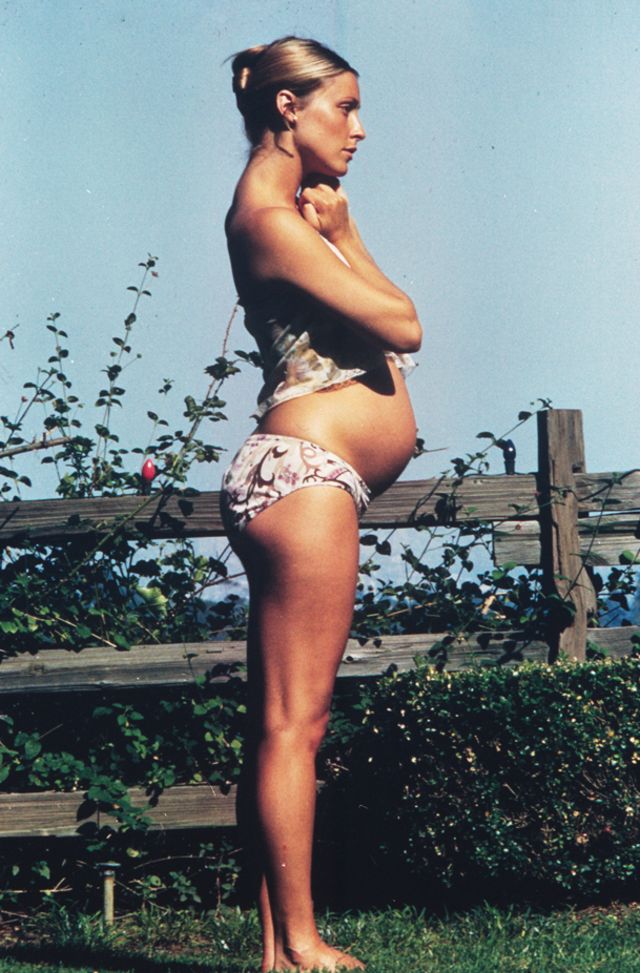
Last Known Photos of Sharon Tate Taken by Her Friend Jay Sebring Days Before She Was Murdered by the Manson Family
Tate was eight-and-a-half months pregnant at the time of her death, and her friend Jay Sebring was also one of the victims.
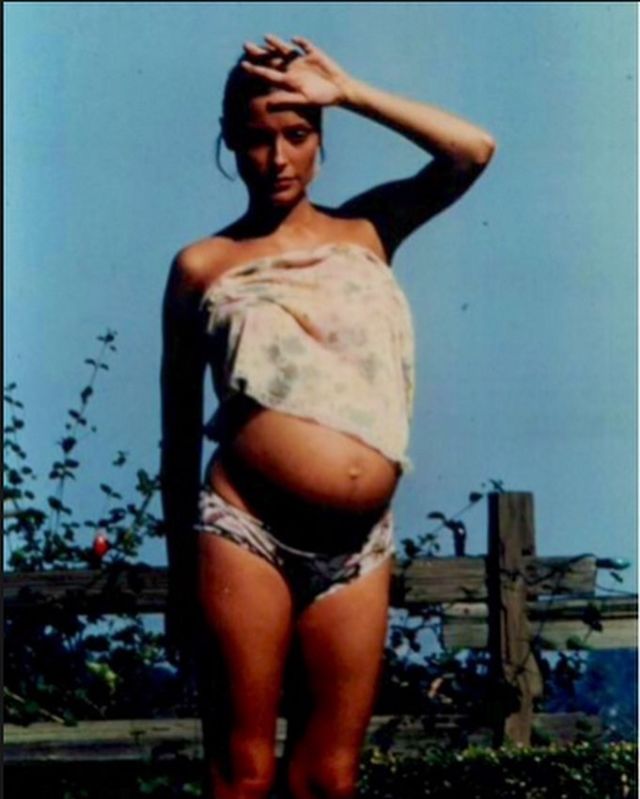
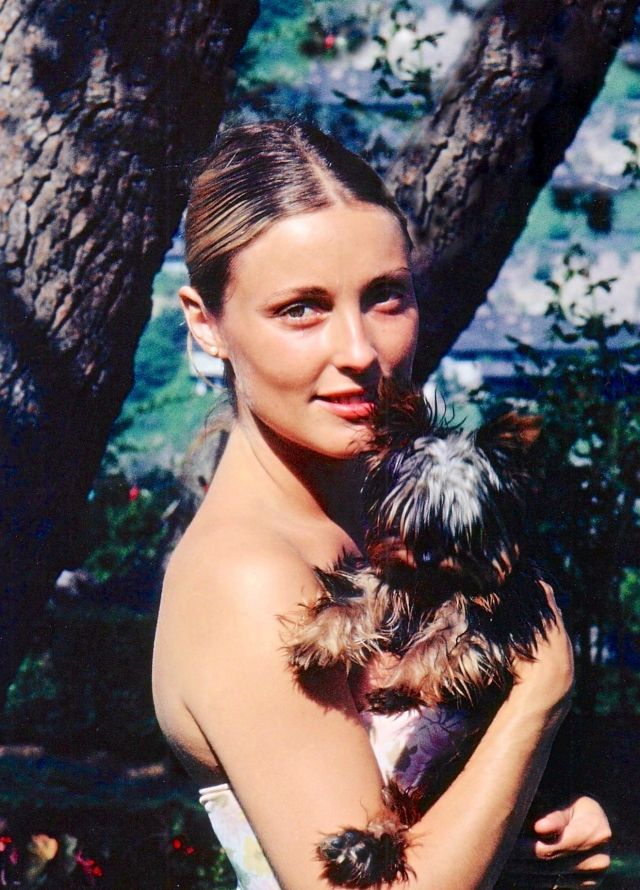
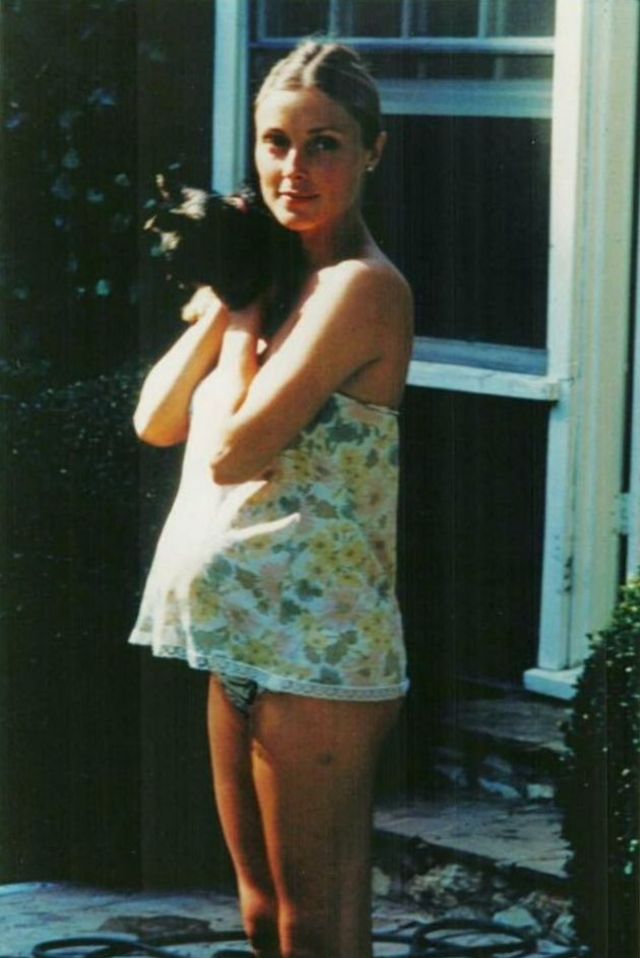
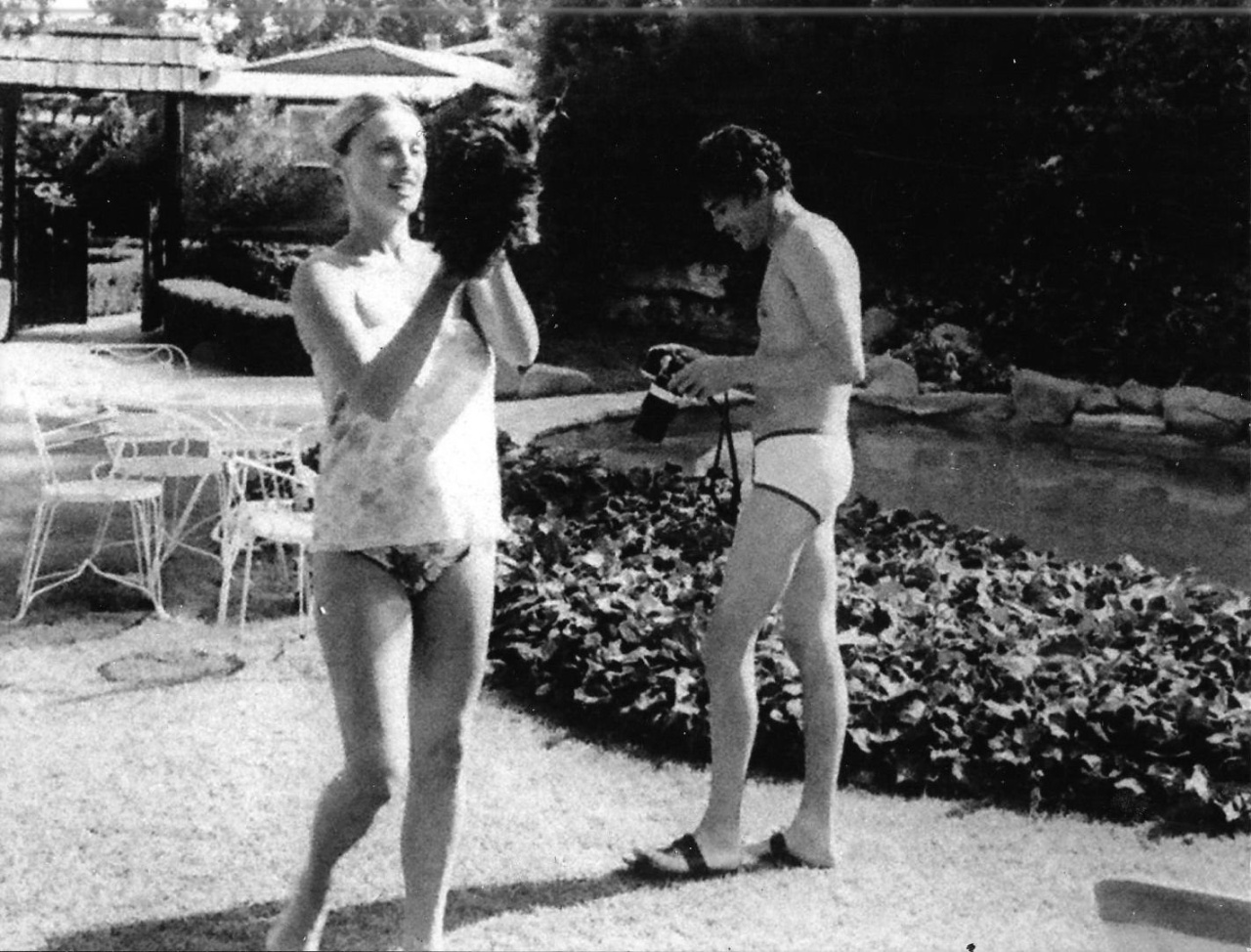
Sharon Tate and Jay Sebring, Cielo Drive, 1969.
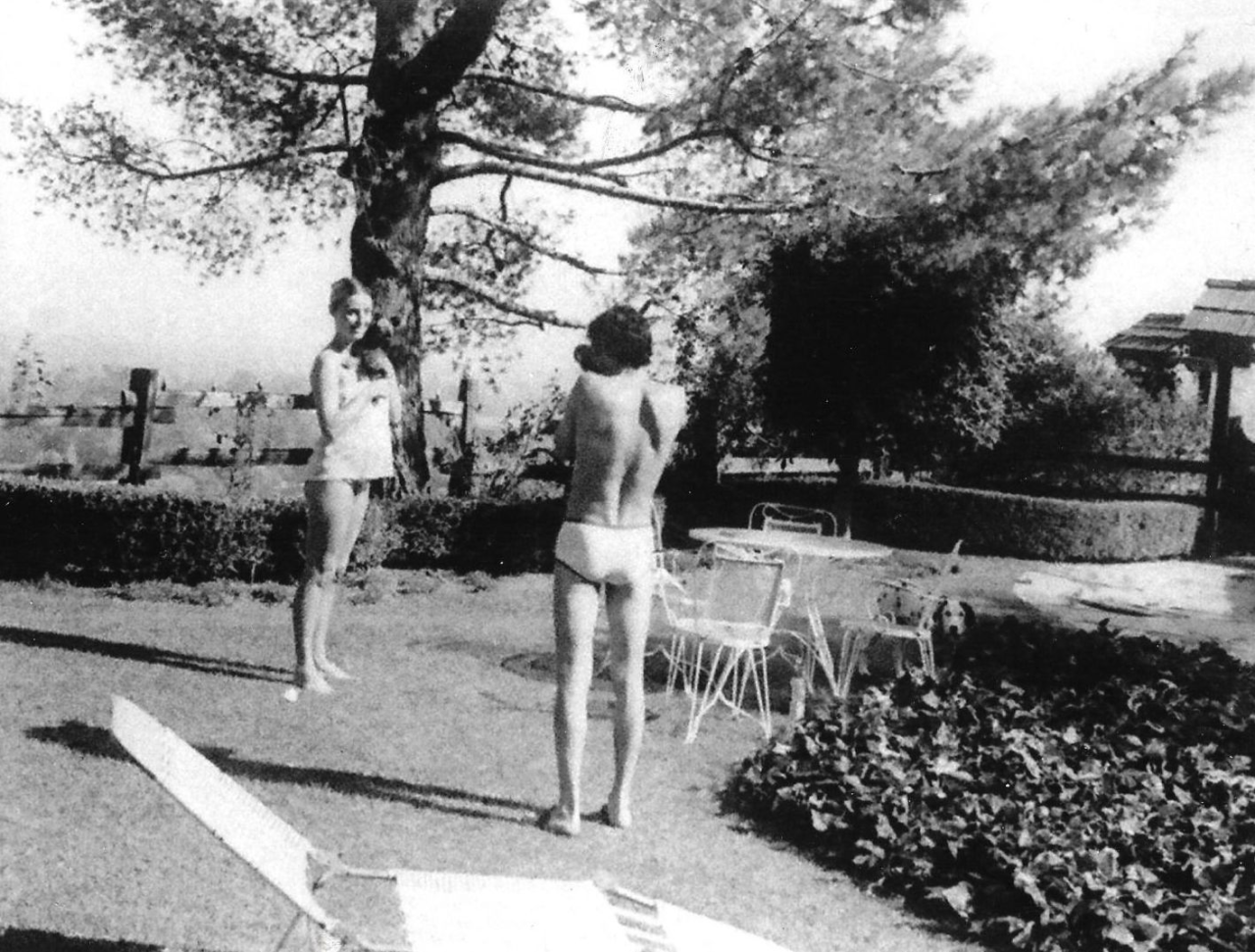
Sharon Tate and Jay Sebring, Cielo Drive, 1969.
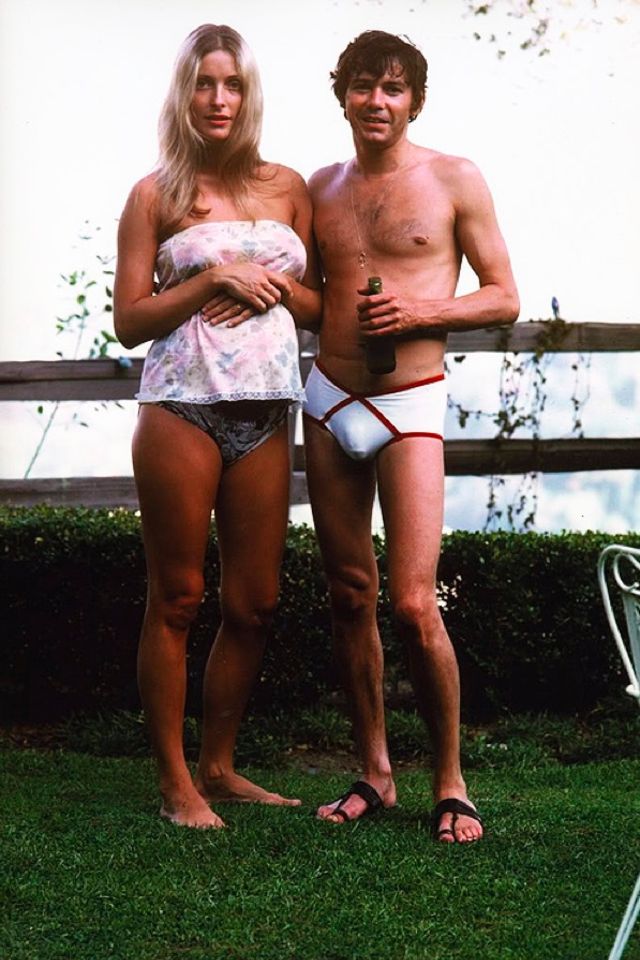
Sharon Tate and Jay Sebring.
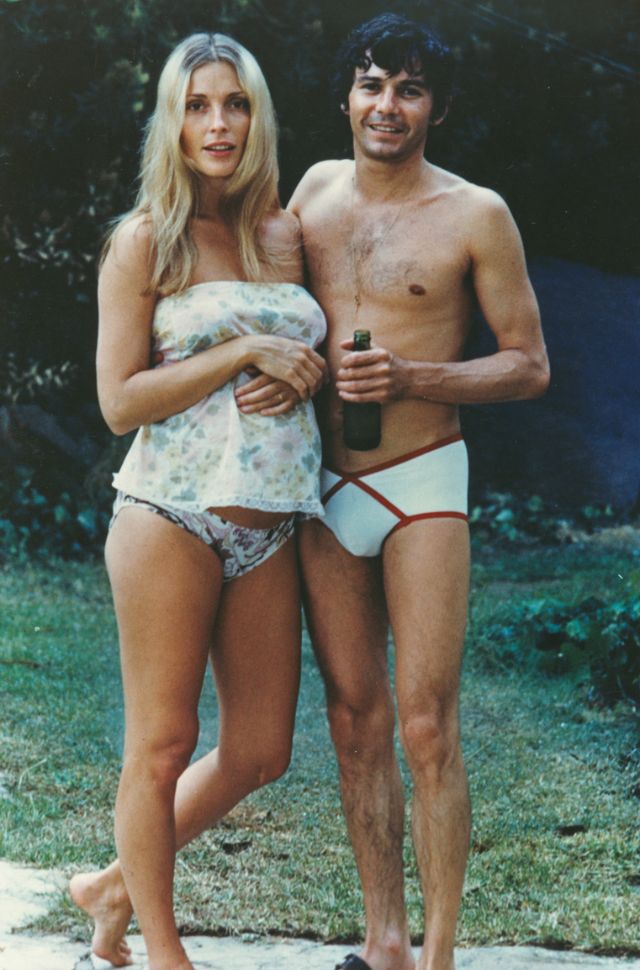
Sharon Tate and Jay Sebring.
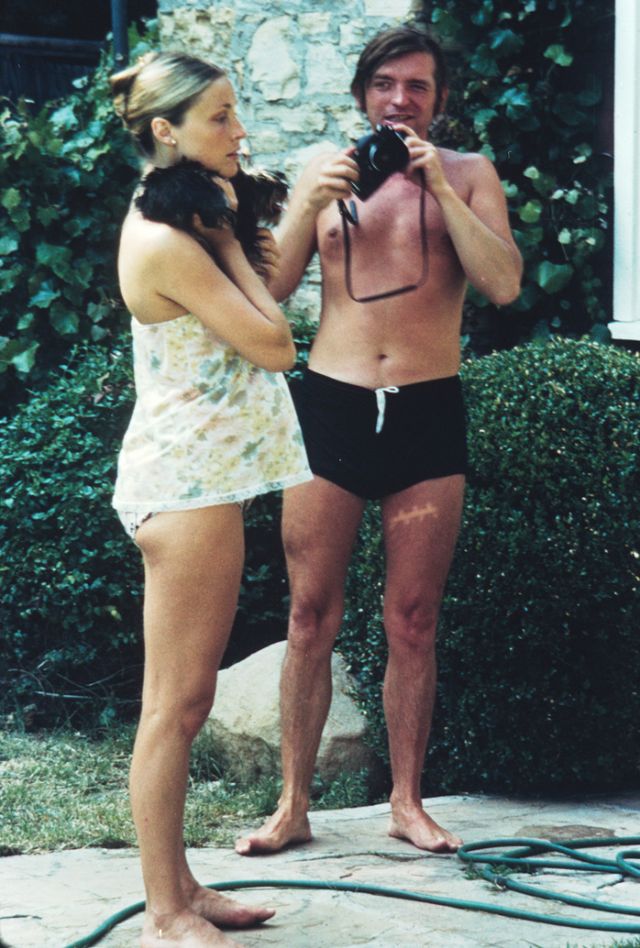
This is Tate with Voyteck Froykowski, the photo supposedly taken by Jay Sebring.
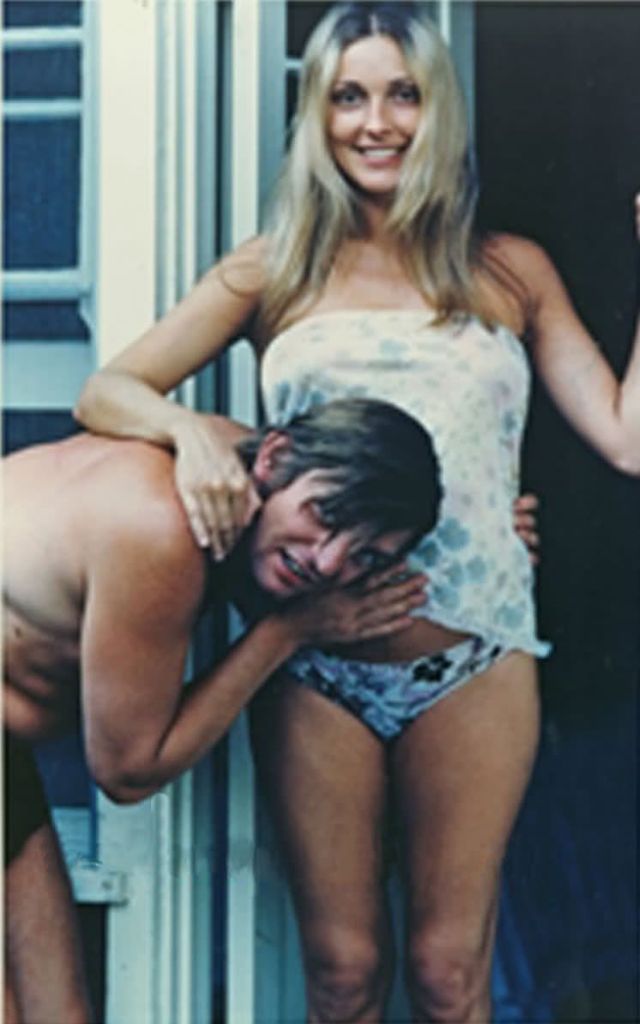
This is Tate and Frowkowski again. Daddies do this sort of thing, listen for the heartbeat. Of course, Voyteck is not the daddy, but this is Hollywood.
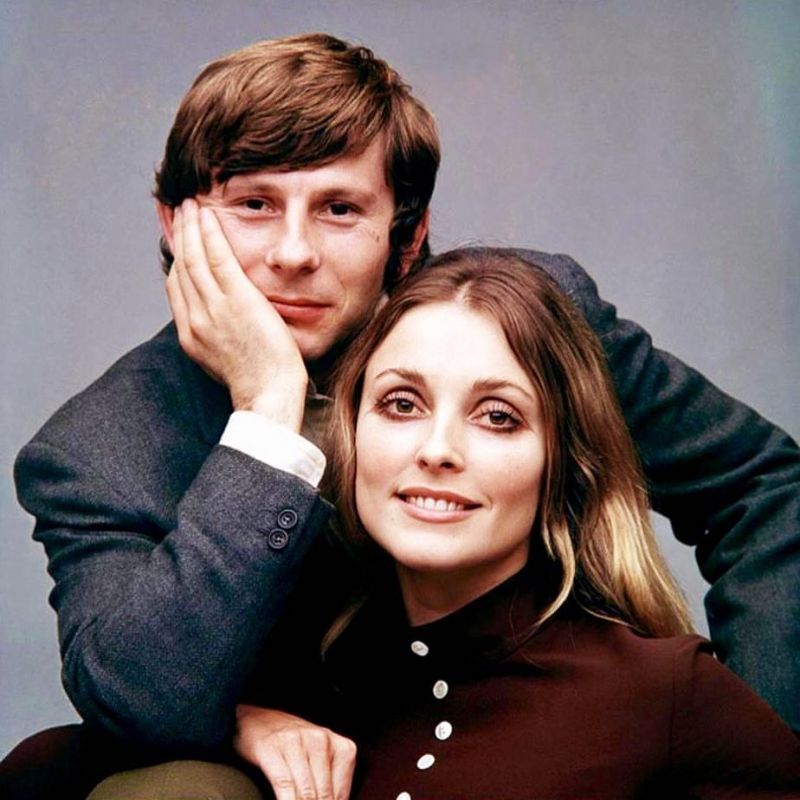
Sharon Tate and Roman Polanski. Photo taken by John Kelly in 1968.

Sharon Tate and Roman Polanski. Photo taken by John Kelly in 1968.
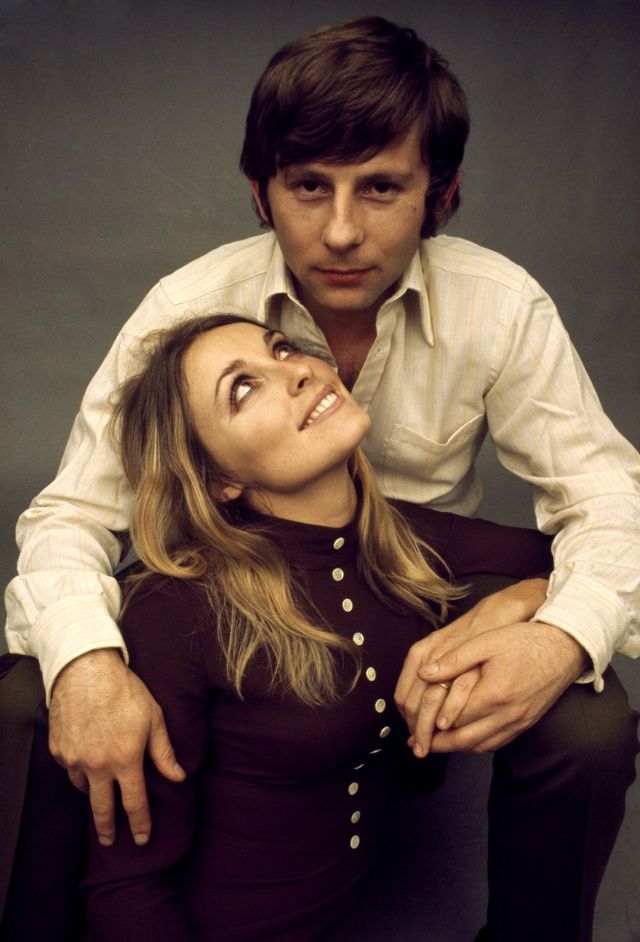
Sharon Tate and Roman Polanski. Photo taken by John Kelly in 1968.

Sharon Tate and Roman Polanski. Photo taken by John Kelly in 1968.

Sharon Tate and Roman Polanski on their wedding day in 1968.

Sharon Tate and Roman Polanski on their wedding day in 1968.

Sharon Tate and Roman Polanski on their wedding day in 1968.
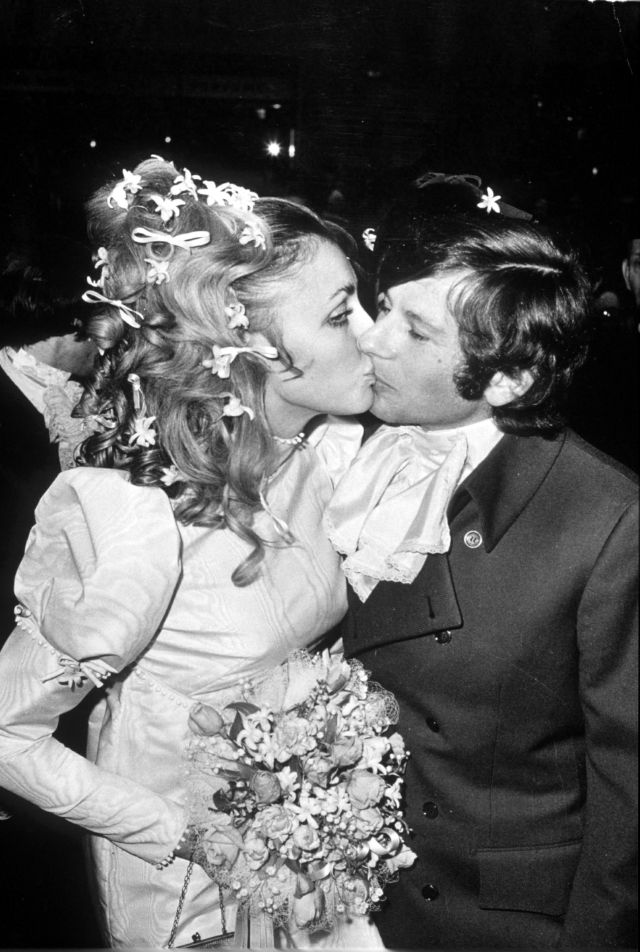
Sharon Tate and Roman Polanski on their wedding day in 1968.
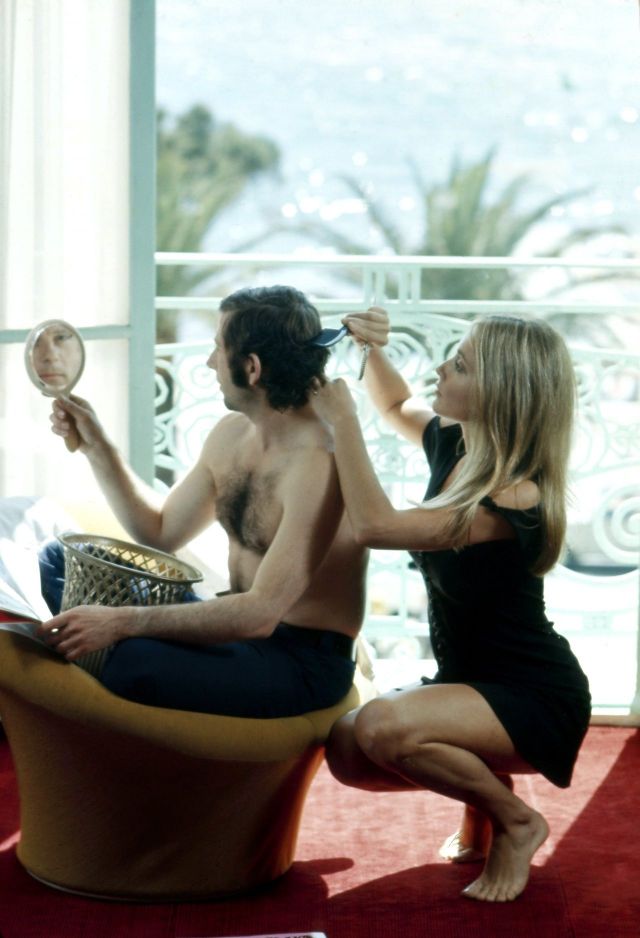
Sharon Tate gives her husband Roman Polanski a haircut in 1968.
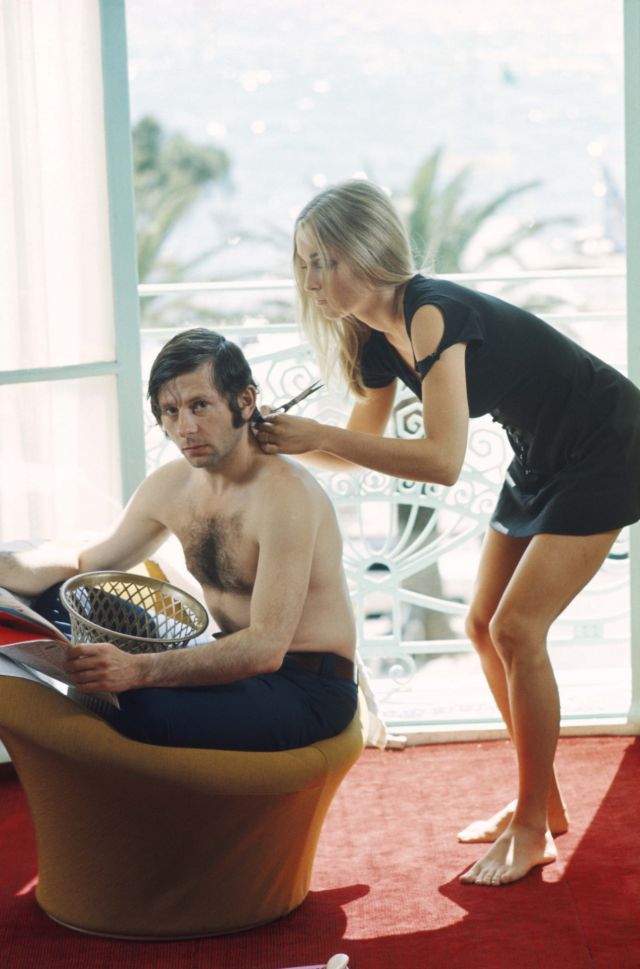
Sharon Tate gives her husband Roman Polanski a haircut in 1968.
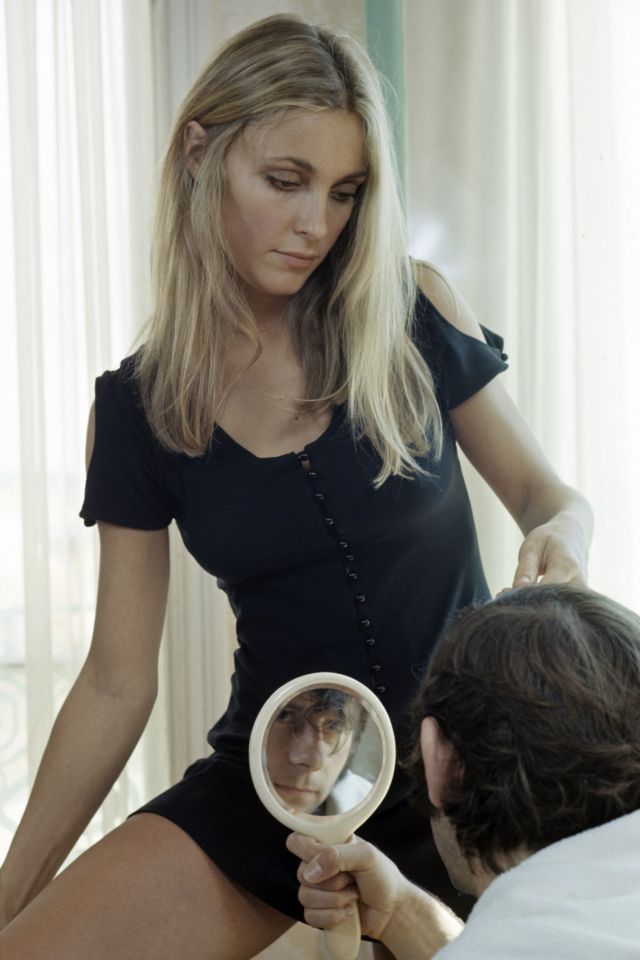
Sharon Tate gives her husband Roman Polanski a haircut in 1968.
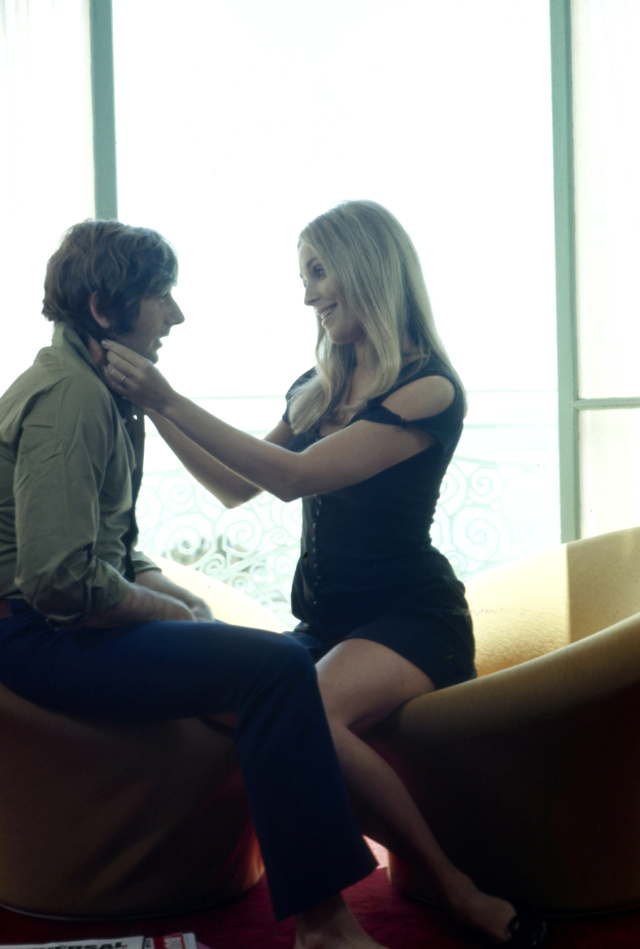
Sharon Tate gives her husband Roman Polanski a haircut in 1968.
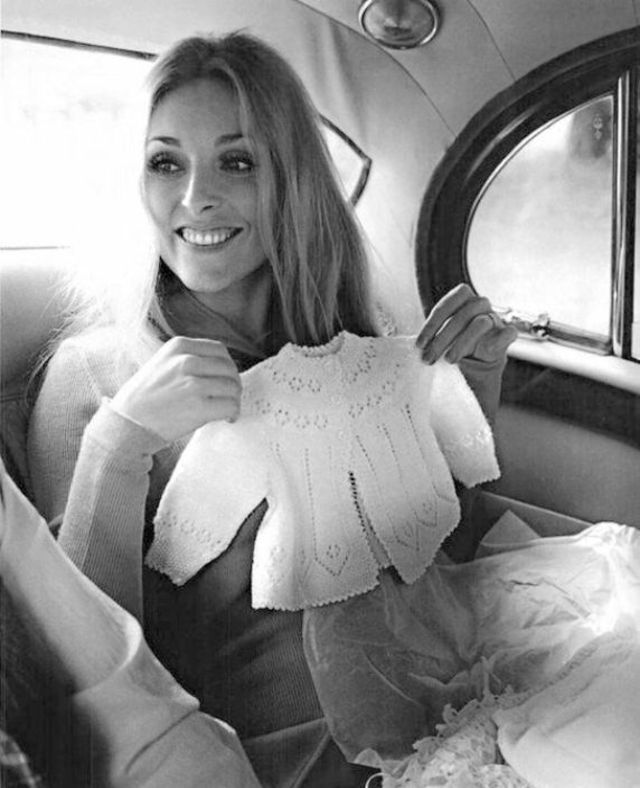
Last pictures of Sharon Tate taken by Terry O’Neill in London, 1969.

Last pictures of Sharon Tate taken by Terry O’Neill in London, 1969.

Last pictures of Sharon Tate taken by Terry O’Neill in London, 1969.
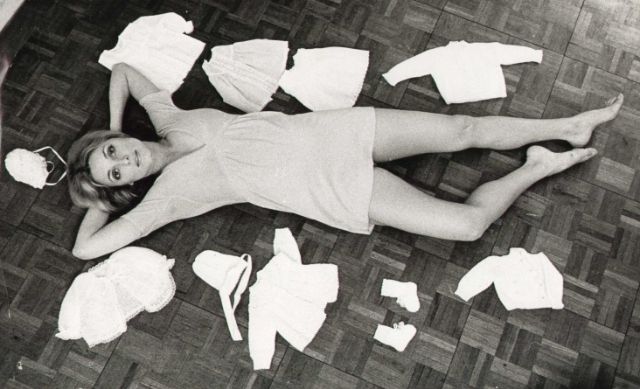
Last pictures of Sharon Tate taken by Terry O’Neill in London, 1969.
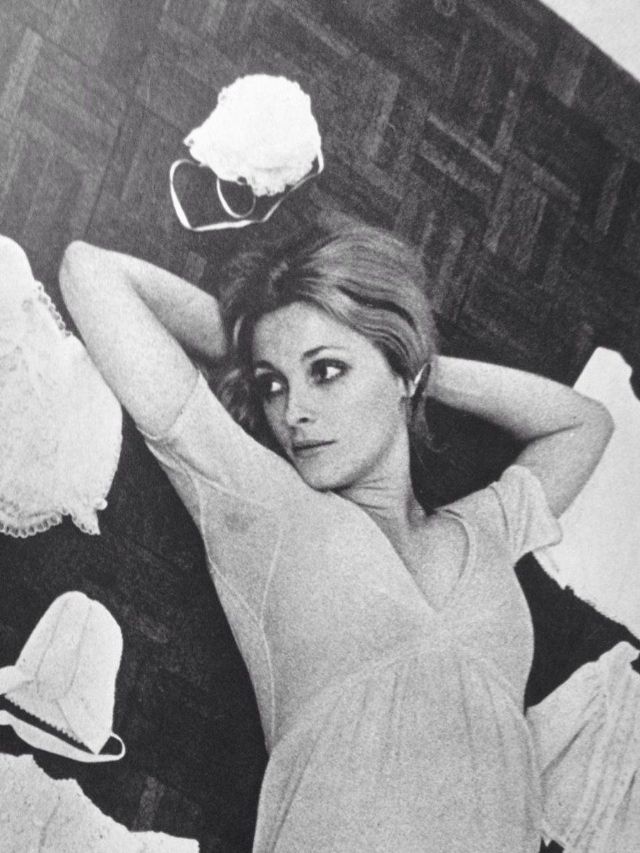
Last pictures of Sharon Tate taken by Terry O’Neill in London, 1969.
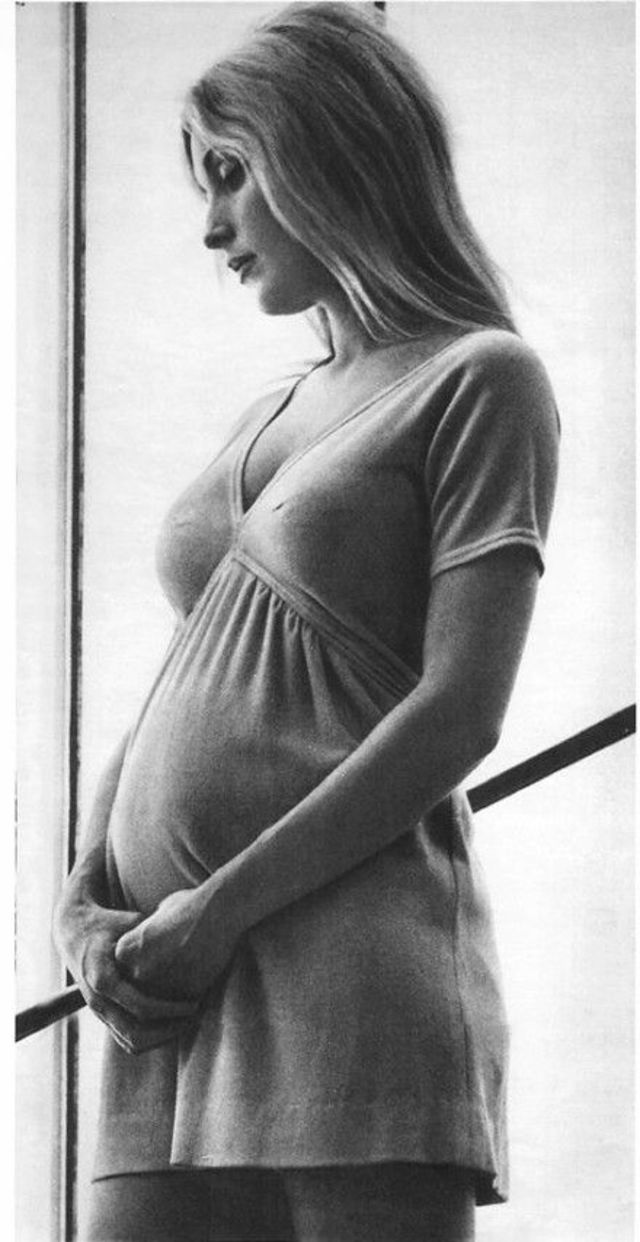
Last pictures of Sharon Tate taken by Terry O’Neill in London, 1969.
(Photo credit: Pinterest / Wikimedia Commons).
No Comments