

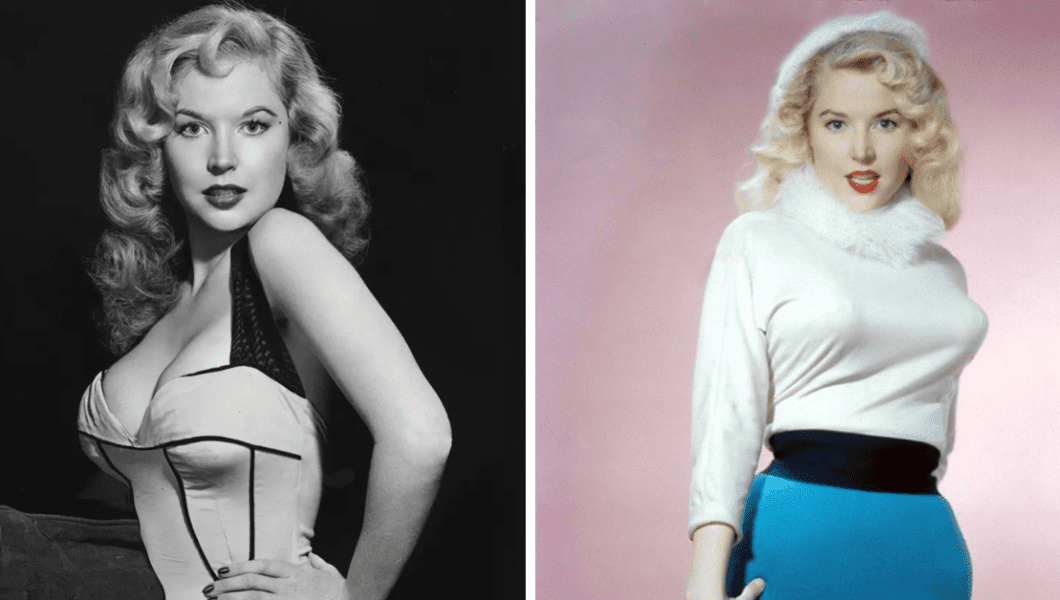
Betty Brosmer perfectly embodied the classic “hourglass figure,” a description that seemed almost tailor-made for her iconic image.
Often recognized as the highest-paid pin-up model of the 1950s, she is also considered one of the earliest figures to reach true supermodel status.
Her photographs appeared in numerous well-known publications, including LIFE, Time, Fortune, and Look, making her one of the most visible models of her era.
Brosmer also achieved something remarkable within the industry by securing ownership of many of her own photographs and negatives, an unusual and forward-thinking move for a model at the time.
Note: Prints of these images are available through Betty’s official website at bettybrosmer.com.
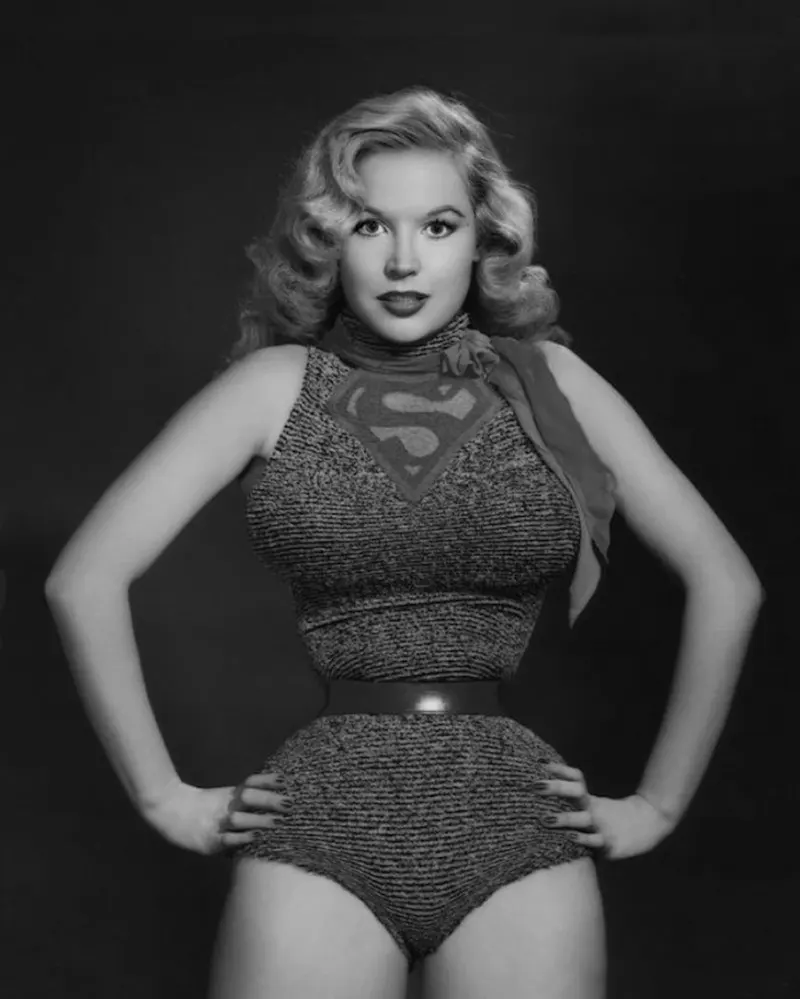
Despite her impressive career, one feature captured the most attention: her remarkably small waist, which led to her being nicknamed “The Girl with the Impossible Waist.”
Its size seemed almost unbelievable, appearing less like a natural measurement and more like something drawn by an illustrator.
With proportions that seemed to defy conventional expectations, her striking waistline became a constant source of fascination and curiosity among fans and observers.
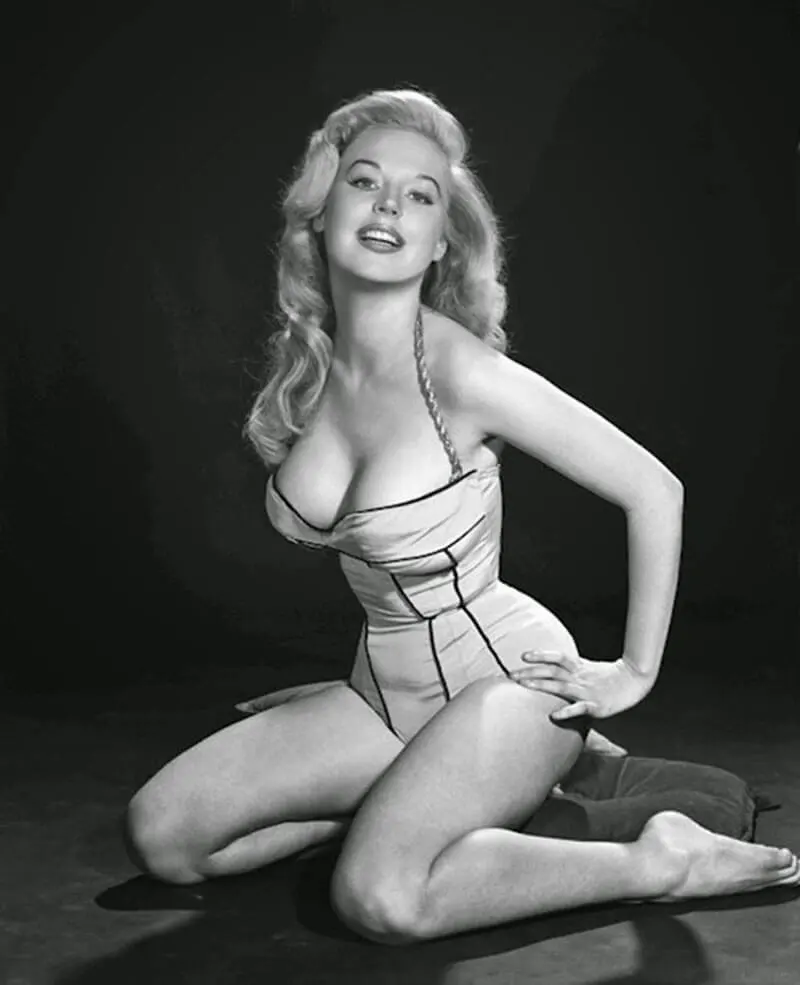
Betty Chloe Brosmer was born on August 2, 1935, in Pasadena, California. During her childhood, she was known for having a bit of a tomboy spirit.
Her father encouraged her to stay active and participate in sports, which eventually sparked her interest in fitness and bodybuilding even before she reached her teenage years.
By the age of 13, Betty had already begun modeling for Sears & Roebuck catalogs, where her striking look quickly attracted the attention of well-known photographers such as Alberto Vargas and Earl Moran. At just 15 years old, she moved to New York to pursue modeling as a full-time career.

Moving to New York opened the door to major opportunities, though it also forced her to mature quickly. Reflecting on that time, Betty later recalled, “At 15, I looked like I was 25.”
Before long, her image became widely recognized across the United States, appearing on milk cartons, billboards, book covers, and numerous magazine pages.

After several years in New York, she eventually returned to California. While continuing her modeling career, she also pursued her education, studying psychology at the University of California, Los Angeles.
Later, she collaborated with Joyce Vedral to create a fitness program designed for women of all ages. Their approach to exercise and wellness was published in 1993 in the book Better and Better.

Betty also collaborated with well-known photographer Keith Bernard, who was recognized for photographing legendary figures such as Marilyn Monroe and Jayne Mansfield.
Although Playboy approached her with an offer to pose, she declined because she was unwilling to appear nude. From early in her career, Betty clearly understood her value in the industry. She retained ownership of her photographs and ensured she received payment whenever they were used.
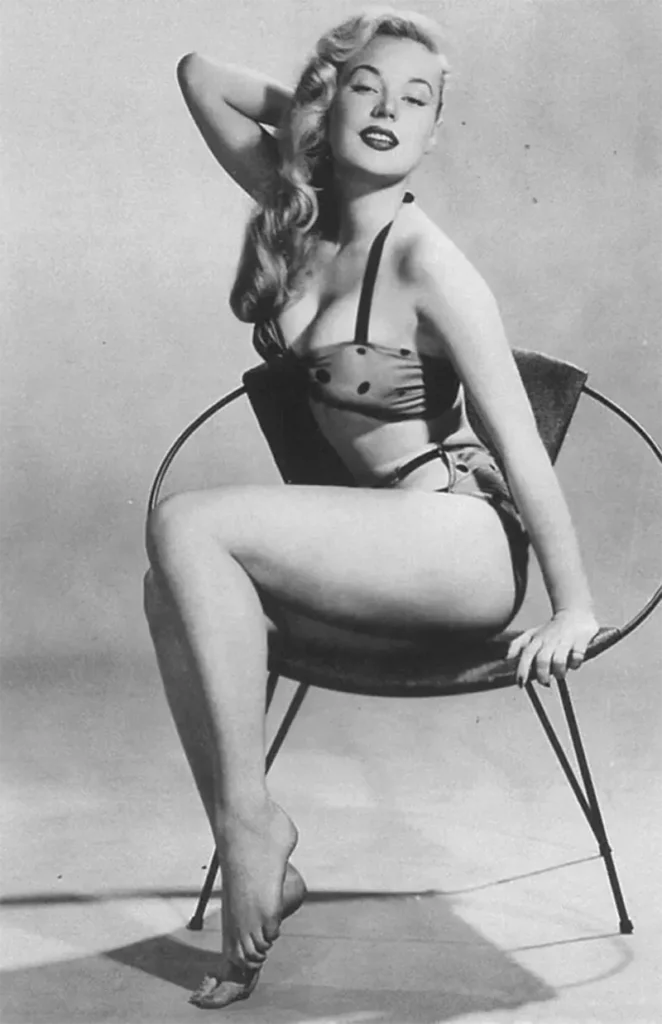
In the late 1950s, Betty met Joe Weider, a well-known bodybuilder and magazine publisher. Captivated by her, Weider frequently featured Betty in his publications, and the two eventually married in 1961.
Around this time, Betty developed a strong interest in fitness and health. She began writing columns focused on bodybuilding and wellness, encouraging healthier standards for models appearing on magazine covers.
Working alongside her husband, she later co-authored two fitness books: The Weider Book of Bodybuilding for Women (1981) and The Weider Body Book (1984), both aimed at promoting strength and healthy living.


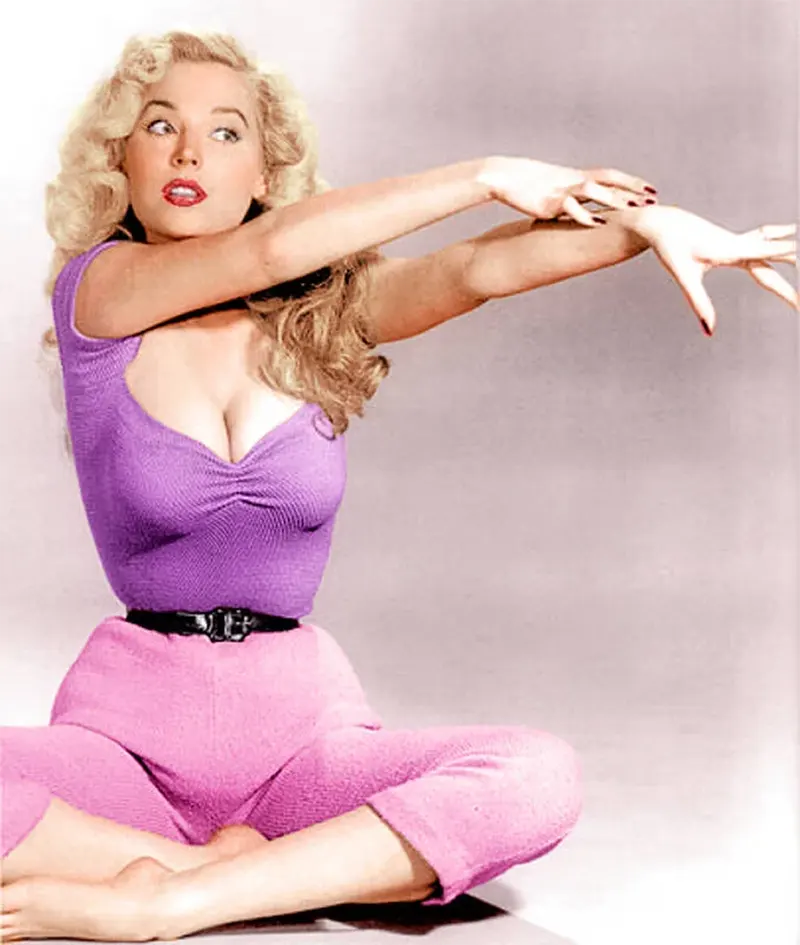


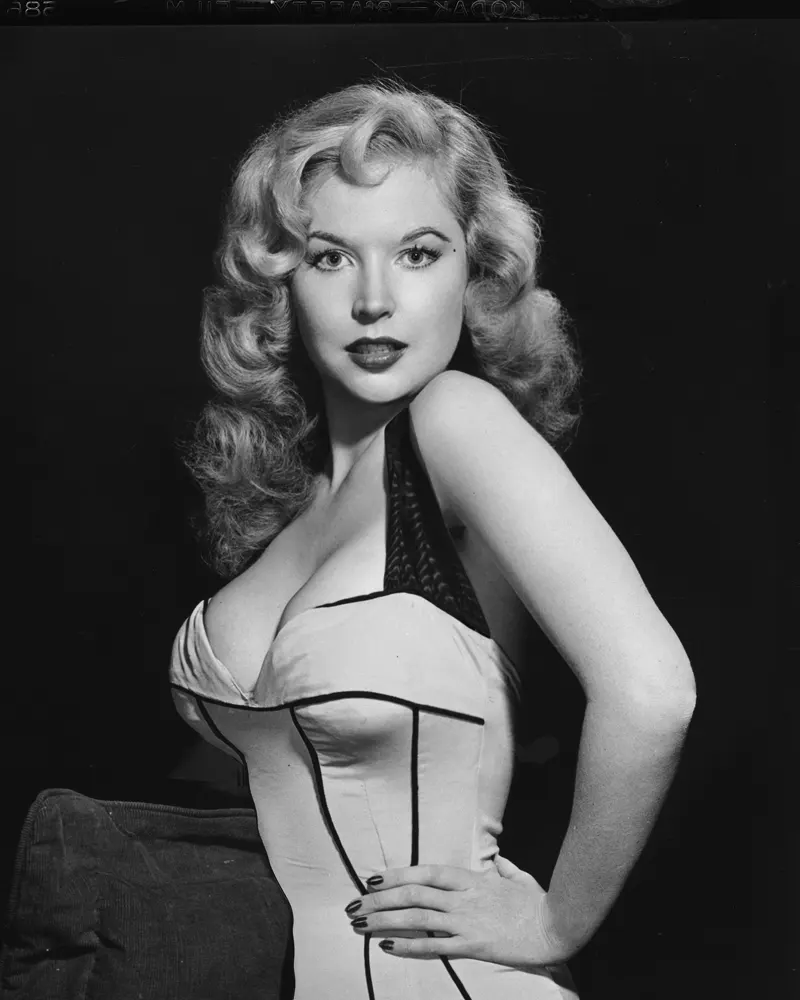
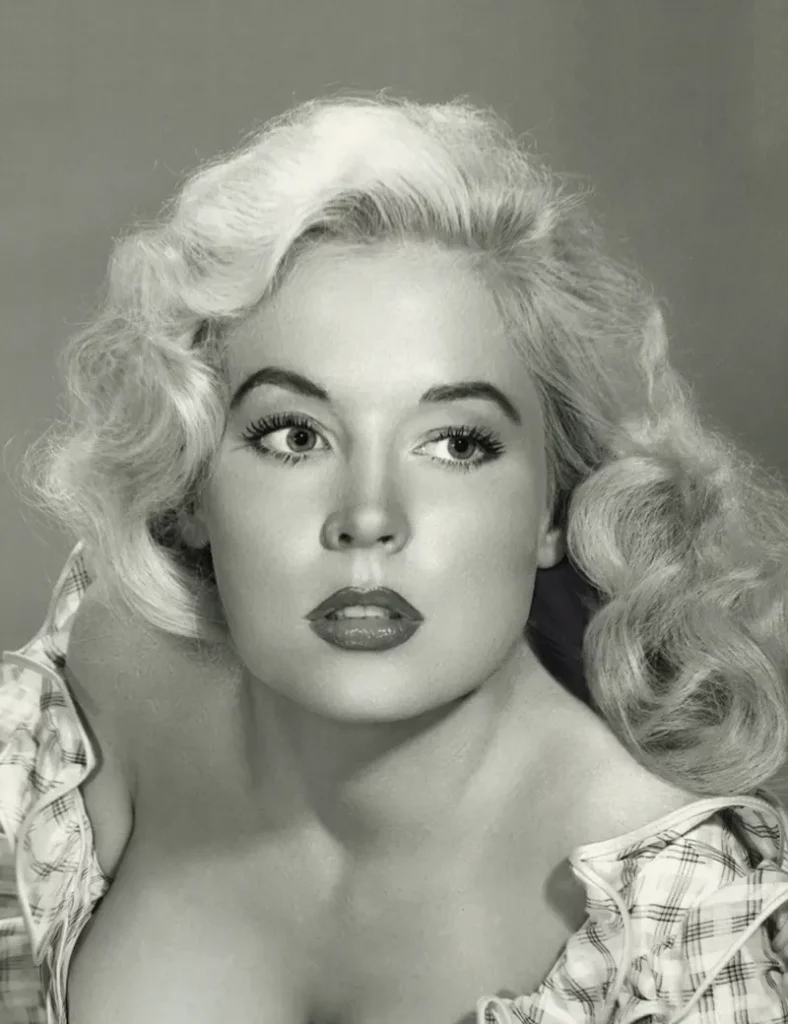

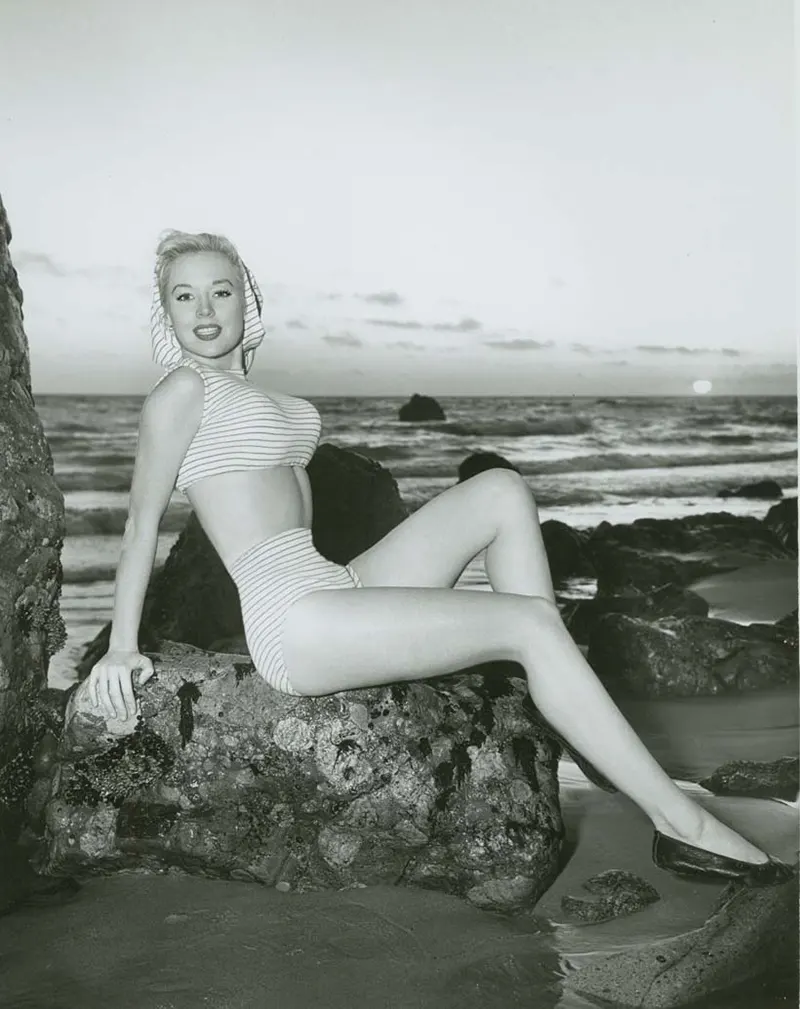
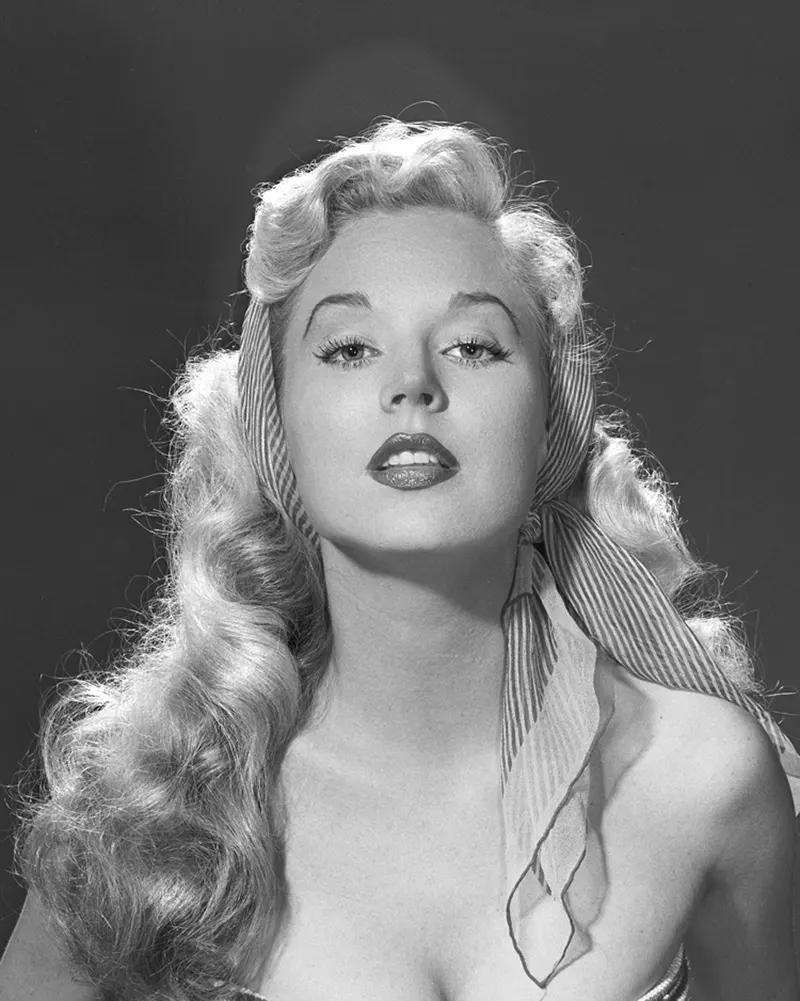

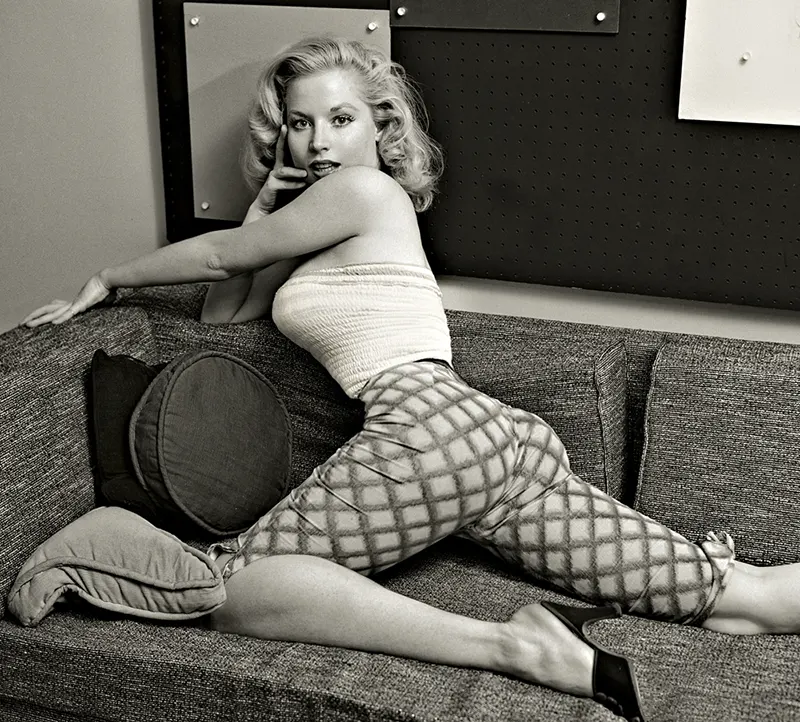


(Photo credit BettyBrosmer.com and BettyWeider.com / Flickr via sila rcamsila / Pinterest / Wikimedia Commons).

No Comments