

Part Two
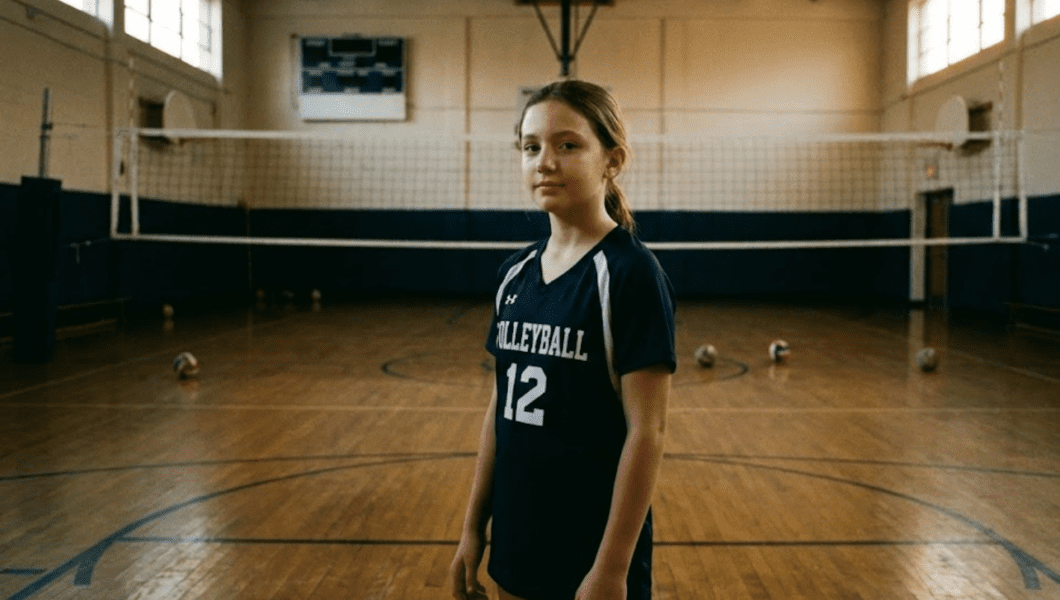
The gym emptied slowly that night.
Shoes squeaked less. Voices softened. The sharp echo of whistles faded into memory. Parents folded chairs, gathered water bottles, called out reminders about homework and dinner. Life moved on the way it always does after a game.
But I sat in my car for a long time before turning the key.
The parking lot lights buzzed overhead. My hands rested on the steering wheel, unmoving. Through the windshield, I watched Lily walk toward me with her teammates, her ponytail swinging, her shoulders slumped in that familiar way she gets when she is tired and trying not to show it.
She smiled when she saw me.
That smile undid me.
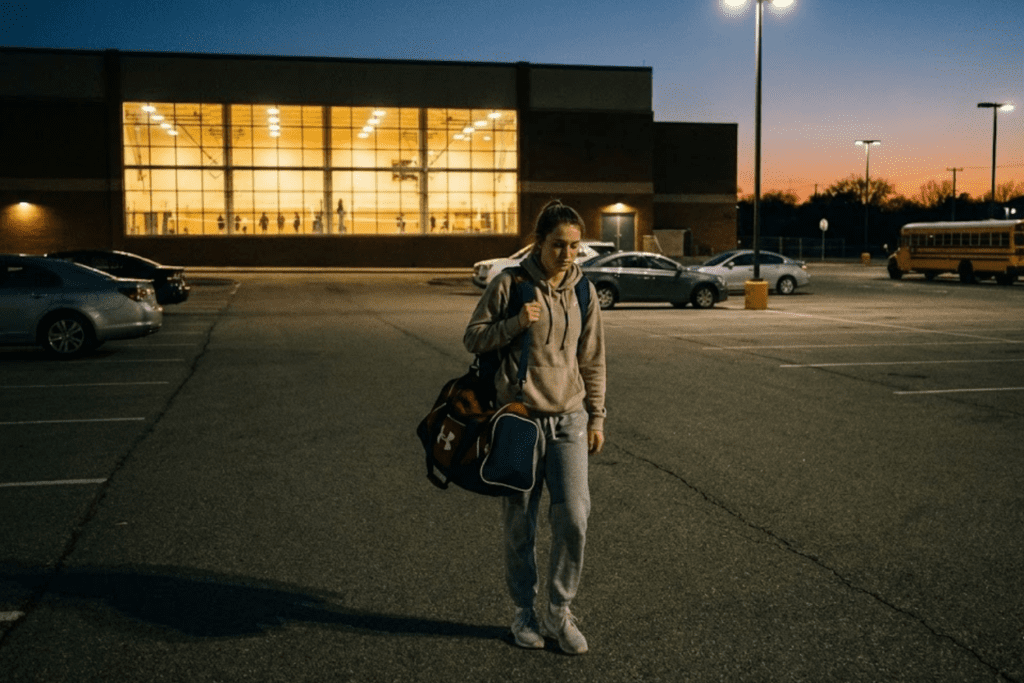
When she opened the car door, she climbed in quietly and buckled her seatbelt. She stared out the window as we pulled away, watching the school disappear behind us.
For a few minutes, neither of us spoke.
Then she said, “I messed up a lot today.”
Not dramatic. Not angry.
Just honest.
My chest tightened. I kept my eyes on the road. “You showed up,” I said. “That matters.”
She nodded, but did not look convinced.
At a red light, she added, “I heard some people talking.”
My hands gripped the wheel harder.
“What did you hear?” I asked carefully.
She shrugged. “Just stuff.”
That was the moment I realized something important.
Children hear more than we think.
Even when we believe our words are floating safely behind bleachers or whispered quietly between adults, they travel. They find their way into young ears and settle into young hearts.
We drove the rest of the way home in silence.
Later, after dinner and homework and showers, she sat cross legged on her bed, tracing the seams of her jersey with her fingers. I leaned against the doorframe, watching her do something she had done since she was small. When she feels overwhelmed, she touches familiar things, grounding herself in texture and routine.
“I am trying, Mom,” she said suddenly.
I crossed the room and sat beside her. “I know.”
“I really am,” she continued. “Sometimes my brain just cannot tell how far the ball is. I see it, but it feels like guessing.”
She looked at me then, searching. “Do you think the coach thinks I am bad?”
I swallowed.
“I think your coach sees effort,” I said. “And effort matters more than talent when you are building something.”
She considered that.
Then she nodded slowly, like she was choosing to believe it.
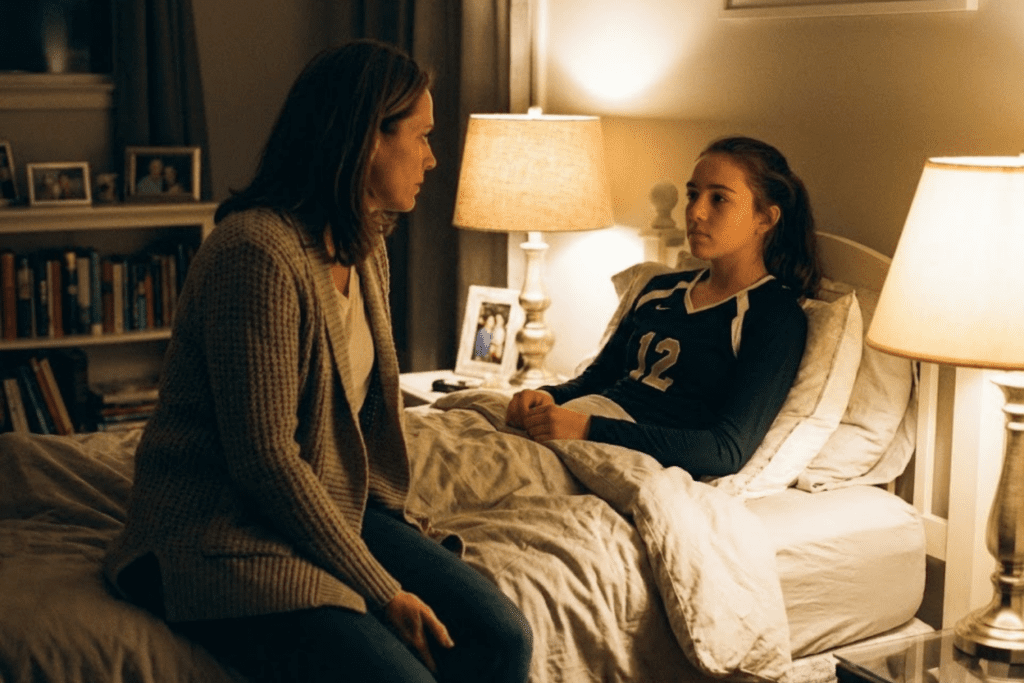
After she fell asleep, I stood in the hallway listening to her steady breathing.
That was when the words I had held in all evening finally pressed against my chest again.
Not anger.
Not bitterness.
Something heavier.
Responsibility.
Because those women in the bleachers were not cruel monsters. They were ordinary moms. Women like me. Women who probably loved their own children fiercely. Women who packed snacks and washed uniforms and whispered encouragement on the drive home.
And still, harm had been done.
Not intentionally.
But intention does not erase impact.
The next practice, I watched differently.
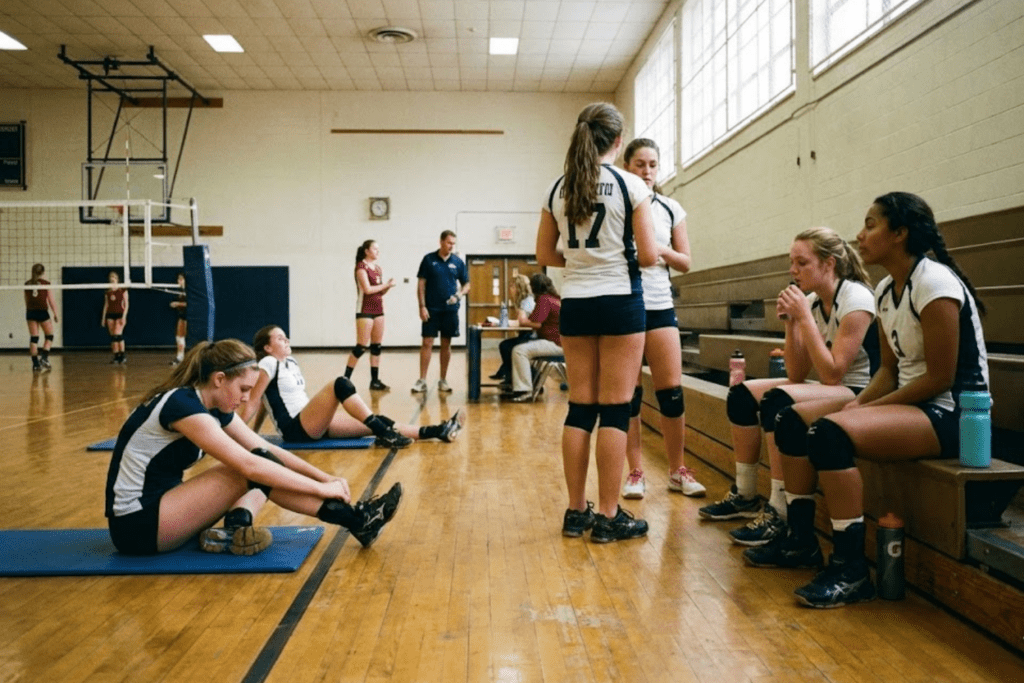
I noticed the girl who kept her shoulders hunched after every missed serve. The one who smiled too much, like she was apologizing for existing. The one who lingered near the water cooler, afraid to step back onto the court.
I wondered what stories lived inside their jerseys.
I wondered how many invisible battles were sitting on that polished gym floor, waiting for permission to be acknowledged.
Weeks passed.
Lily improved.
Not dramatically. Not in ways that would impress strangers.
But in ways that mattered.
Her feet moved faster. Her confidence lasted longer. She stopped apologizing after every mistake. She started calling the ball more clearly, her voice rising just a little above the noise.
One night after practice, she climbed into the car grinning.
“I got it three times in a row today,” she said.
My heart lifted. “That is amazing.”
She shrugged, trying not to look too proud. “Coach said I am getting better.”
That sentence meant everything.
Not because it erased the criticism.
But because it gave her something stronger to hold onto.
Progress.
I thought again about those moms in the bleachers.
I wondered if they would ever know how much weight their words carried. How a single comment could sit beside a child at night, replaying itself long after the gym lights went out.
Probably not.
Most harm is unintentional.
That does not make it harmless.
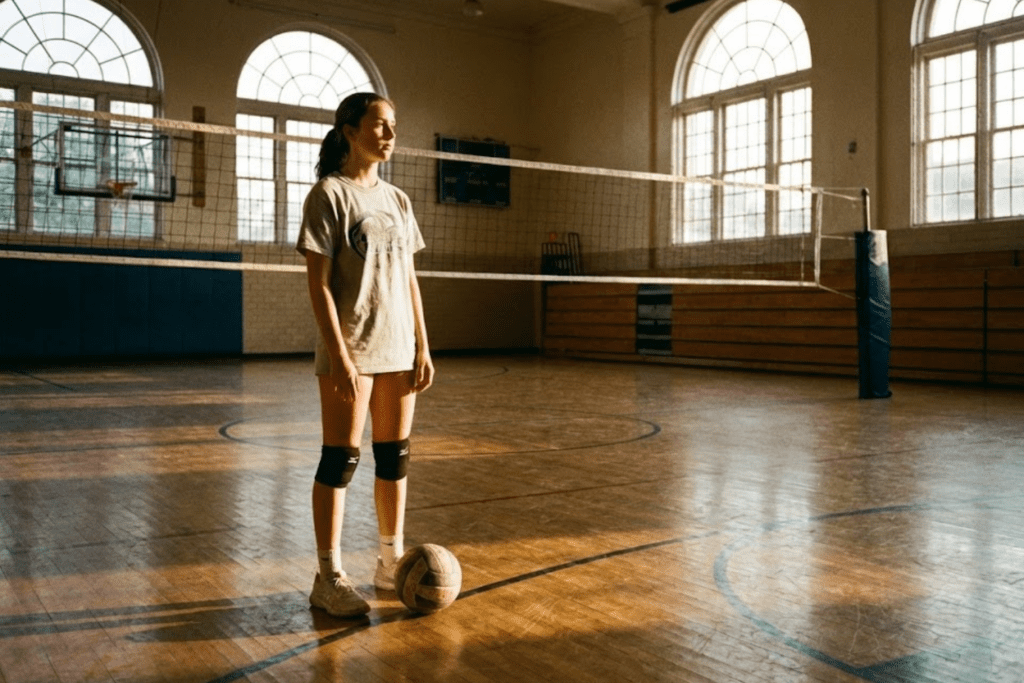
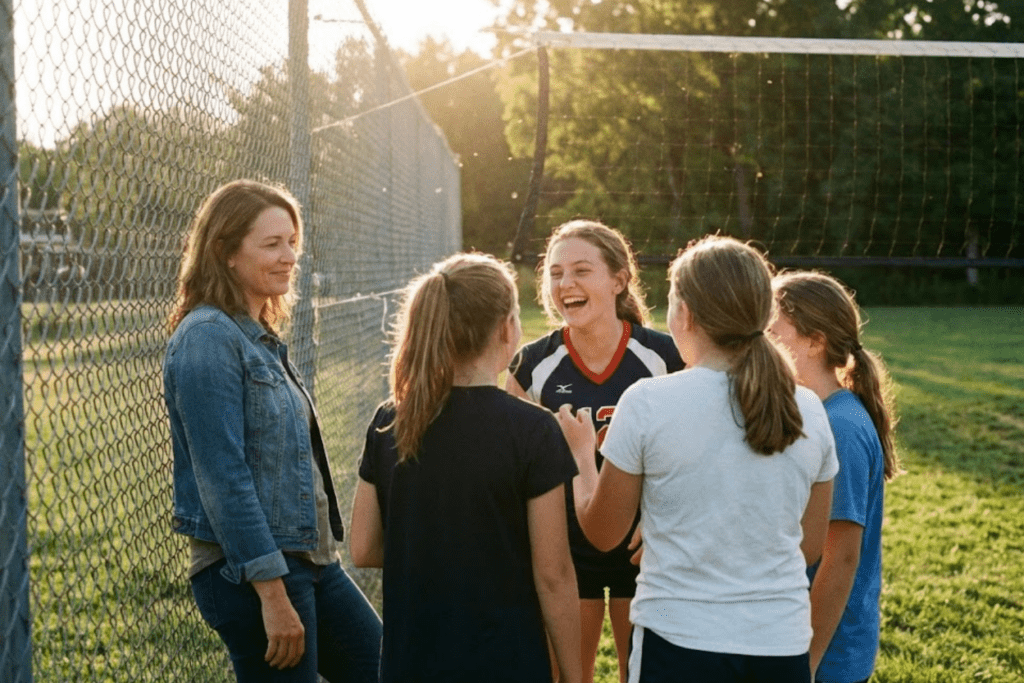
One afternoon, as I watched Lily laughing with her teammates, I realized something else too.
She was not playing volleyball to become perfect.
She was playing to become brave.
Brave enough to try something new.
Brave enough to be seen.
Brave enough to fail publicly and come back anyway.
Those are not skills you measure on a scoreboard.
They show up later in life.
In interviews.
In friendships.
In moments where confidence matters more than precision.
That is when I understood why the words from that night mattered enough to write.
Because there are moms sitting in bleachers right now who do not realize they are shaping more than opinions.
They are shaping environments.
They are teaching children what kind of world this is.
A world that tears down.
Or a world that holds space.
I do not need apologies.
I do not need anyone to feel guilty.
I only hope for awareness.
Because someday, it may be your child who is new.
Your child who is trying something for the first time.
Your child whose body or brain does not work the way others expect.
And when that day comes, you will hope the adults watching choose kindness.
So if you find yourself in the bleachers again, drink in hand, voice rising with opinion, pause for just a moment.
Look at the court.
Remember that these are not statistics.
They are children.
Children becoming themselves in public.
Children learning courage under fluorescent lights.
Children wearing stories you cannot see.
And if you do not know the story behind the jersey, let your words rest.
Because sometimes the bravest thing a child does all day is step onto that court.
And sometimes the bravest thing an adult can do is simply let them try.




No Comments