

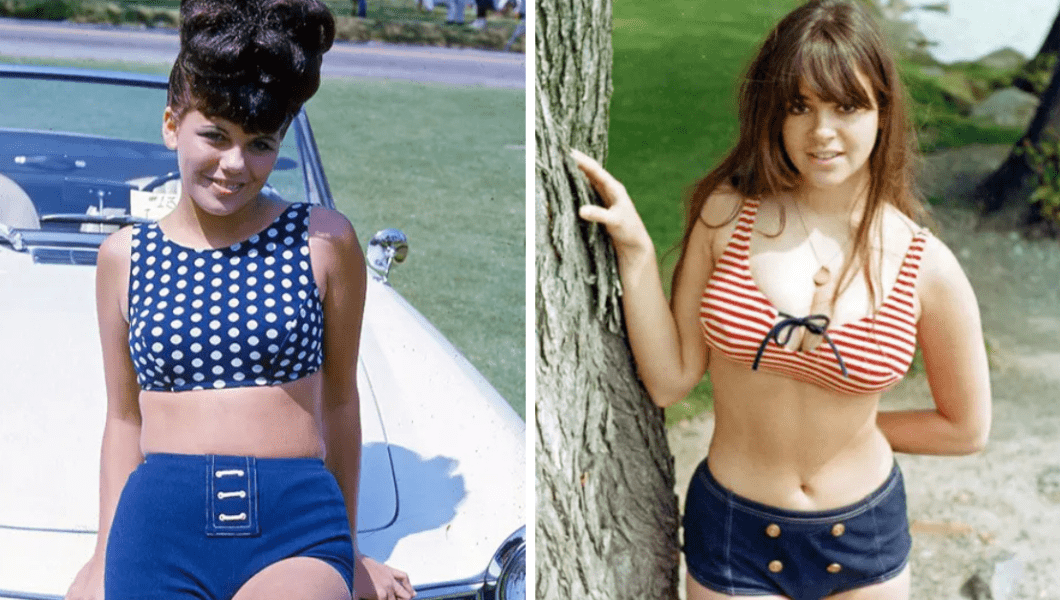
The decade that would ultimately redefine teenage fashion began with modest styles but ended in a bold wave of shorter hemlines, brighter colors, and growing youth expression.
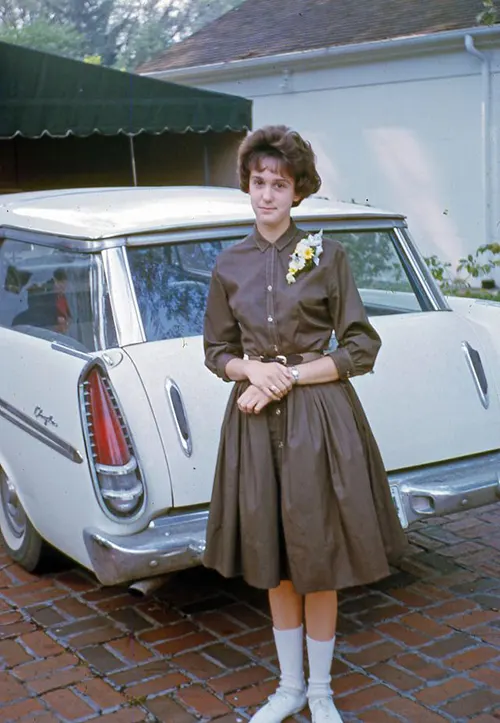
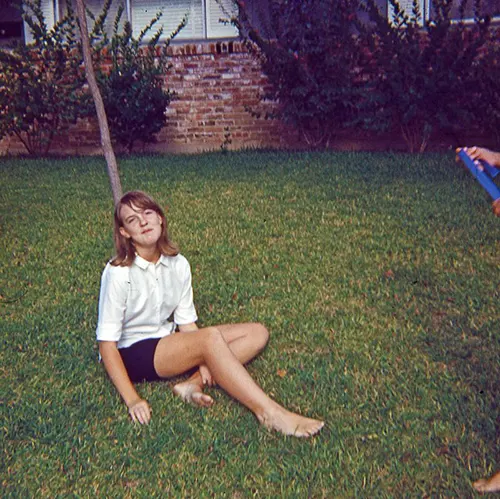
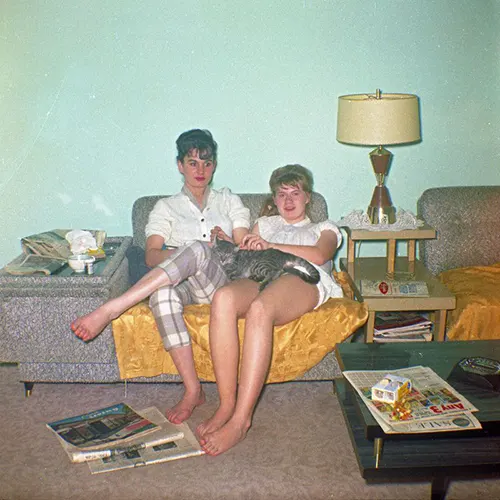
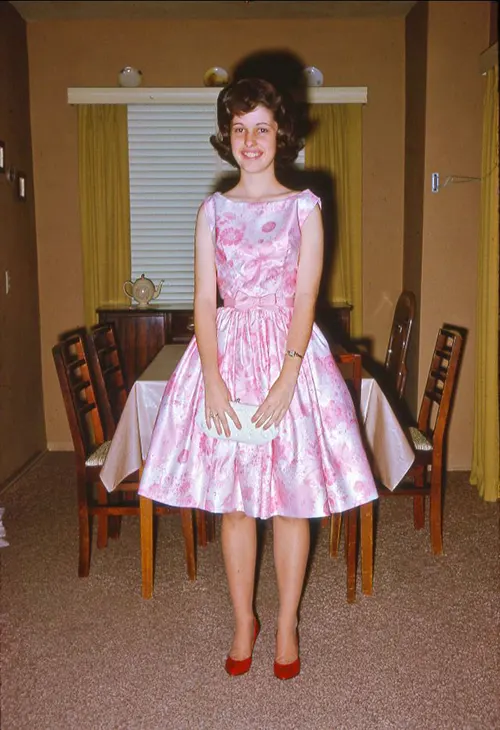
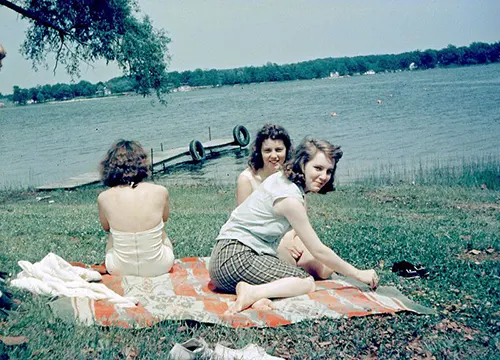
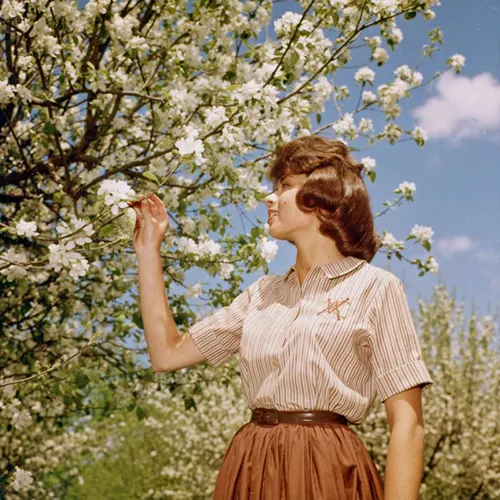
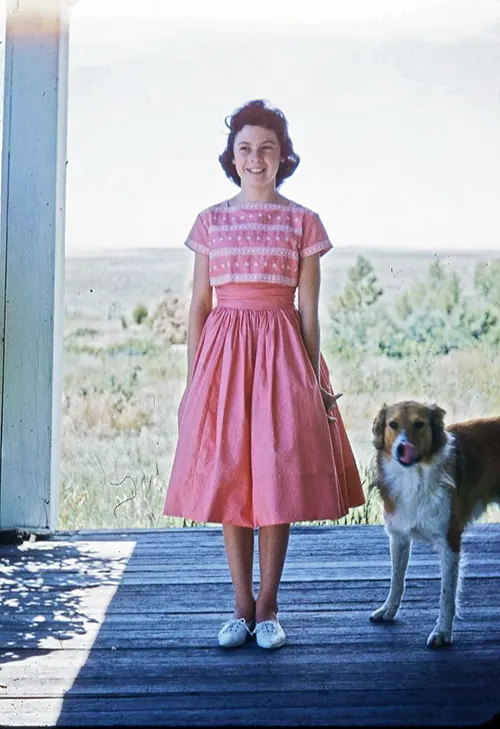
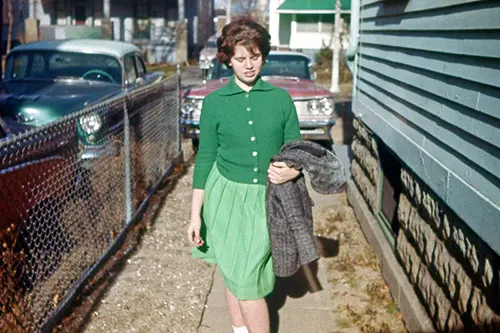
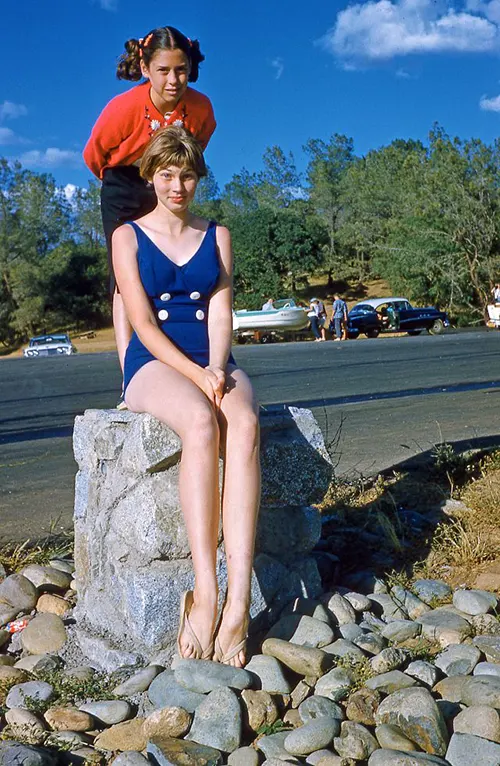
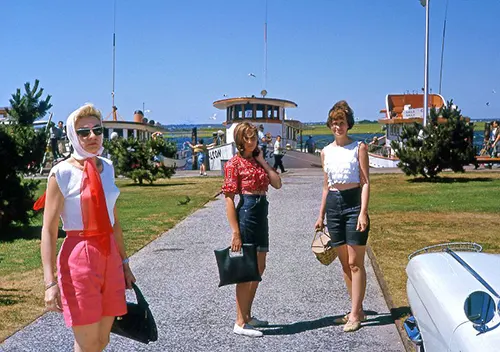
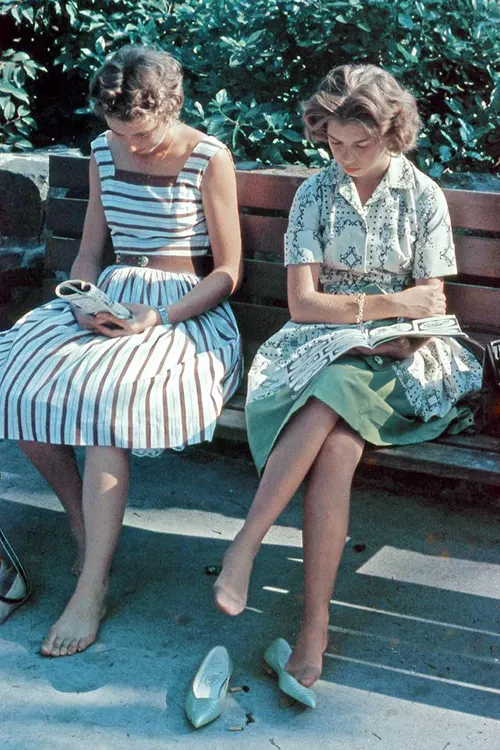
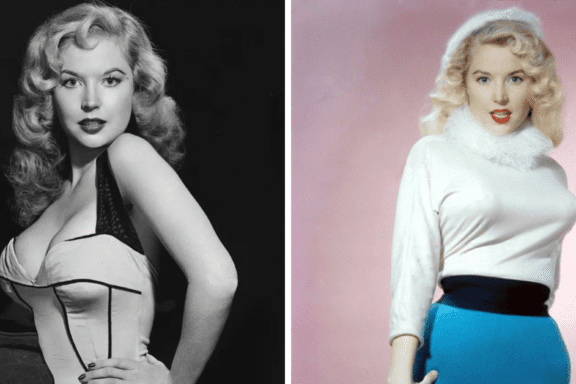
At the start of the 1960s in America, many teenage girls dressed in ways that mirrored their mothers’ expectations. Knee-length skirts, simple blouses, and cardigan sweaters were common sights in school corridors and at weekend outings.
This more reserved style reflected the strong influence of the 1950s, a time when tradition and proper appearance still played a major role in shaping how young women dressed.
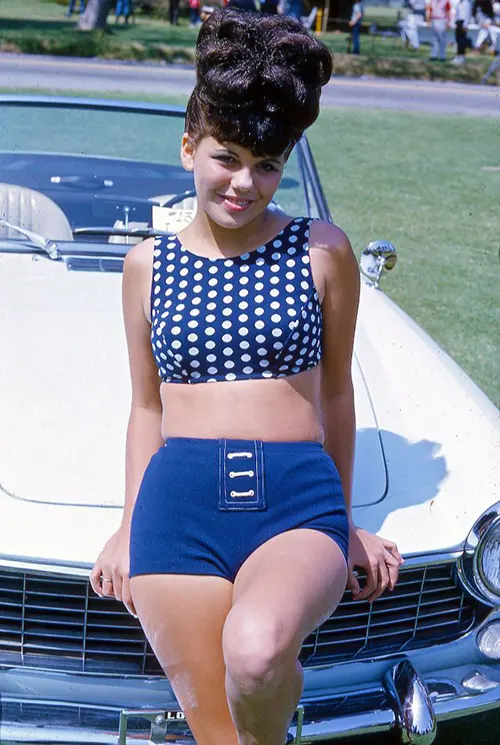
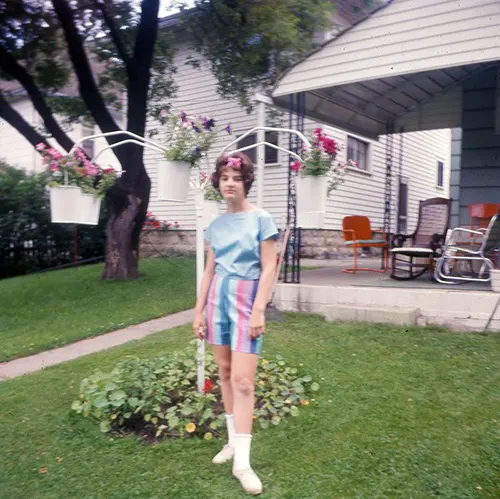
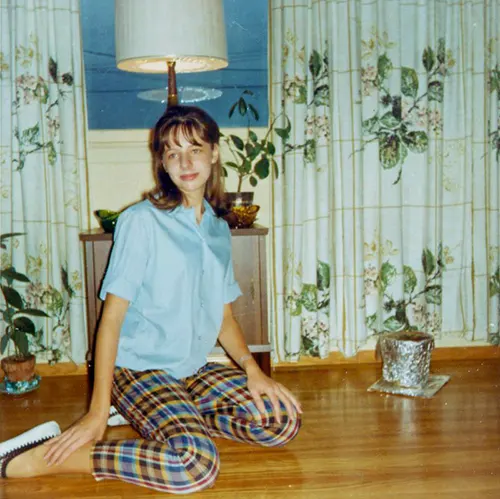
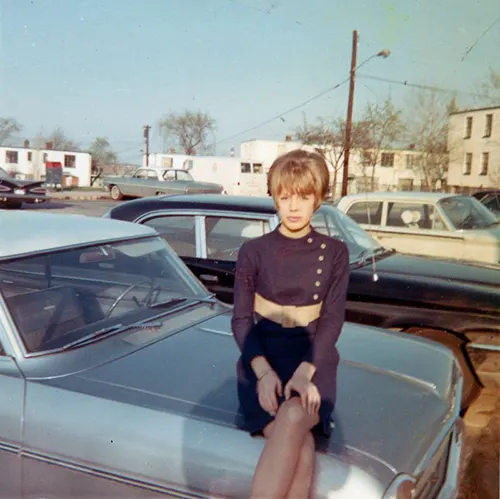
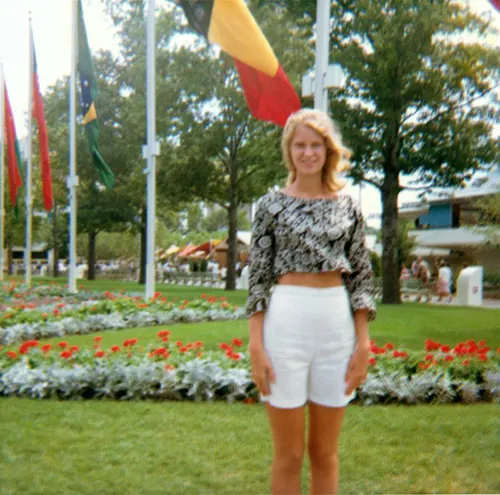
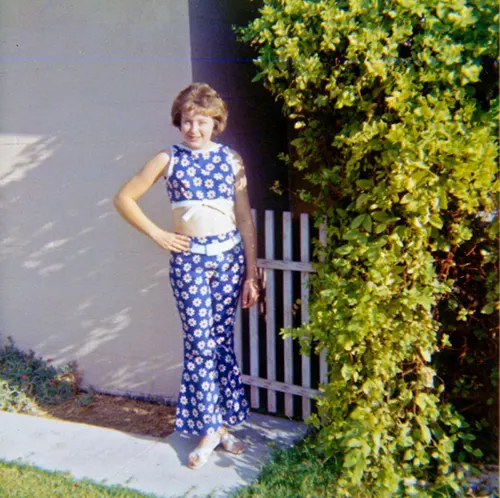
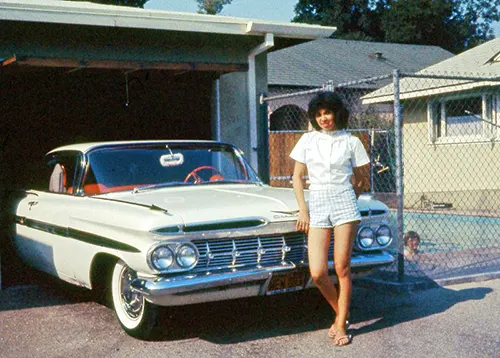
As the decade moved toward the mid-1960s, everything began to shift. A powerful cultural wave known as the “Mod” movement arrived from London, introducing striking geometric designs, vivid colors, and a bold challenge to traditional fashion rules.
Teenage girls quickly welcomed this exciting new style, which perfectly reflected their growing desire for individuality and freedom of expression.
At the center of this transformation was the miniskirt, a daring fashion statement that soon became the defining symbol of the movement. Its creator, designer Mary Quant, became closely associated with the youthful rebellion and creativity that defined the era.
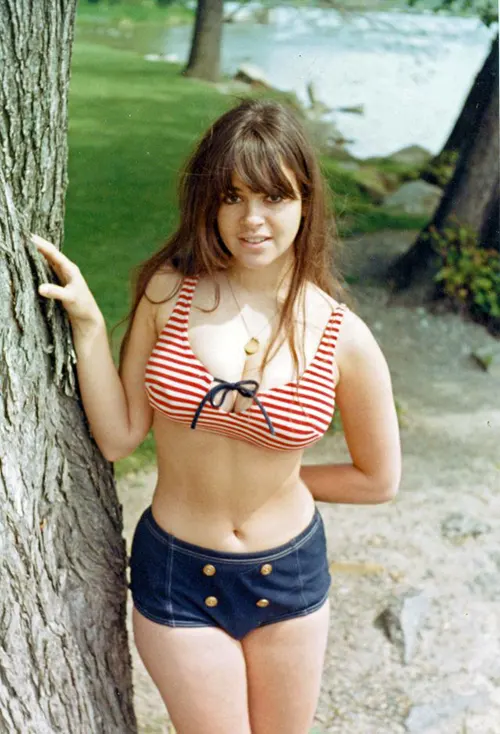
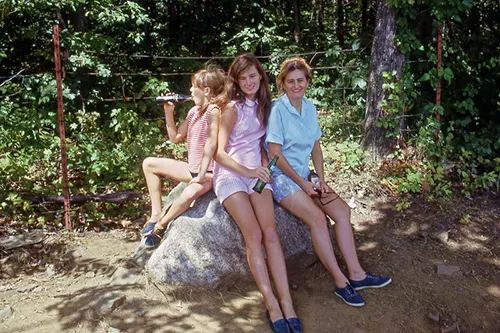
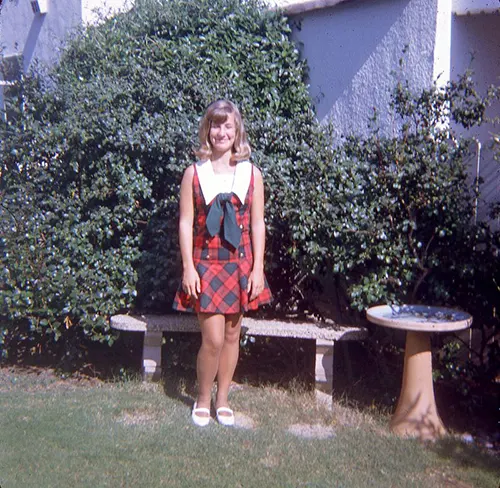
This shift in fashion involved much more than simply raising hemlines. A-line shift dresses and baby-doll silhouettes introduced relaxed alternatives to the more structured clothing of earlier years, placing greater emphasis on comfort and freedom of movement.
Often referred to playfully as “little nothing” dresses, these lightweight styles reflected the decade’s love for youthful simplicity and easygoing design.
Pinafore dresses also became a popular choice alongside classic miniskirts, while turtlenecks and fitted sweaters turned into essential layering pieces that paired perfectly with the shorter, modern looks of the time.
Footwear also experienced a dramatic transformation during this time. Knee-high white vinyl go-go boots quickly became one of the most recognizable fashion statements of the era, adding a bold and futuristic flair that made every street feel like a fashion runway.
At the same time, Mary Janes and ballet flats offered stylish yet practical alternatives. These classic shoes balanced out even the most daring outfits, proving that comfort and timeless design could still play an important role in the evolving fashion scene.
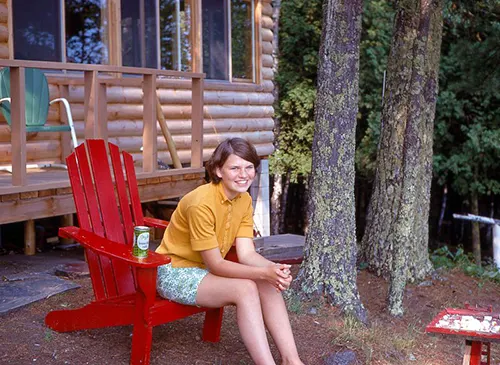
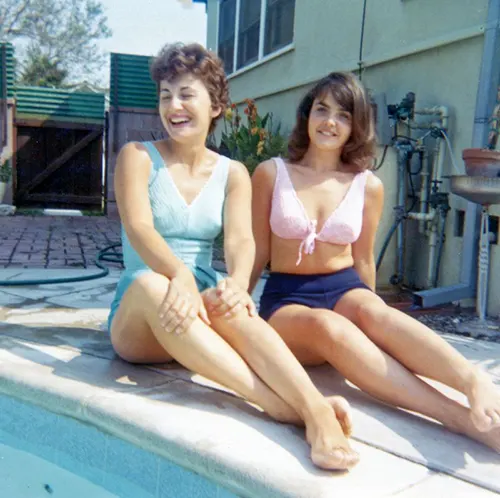
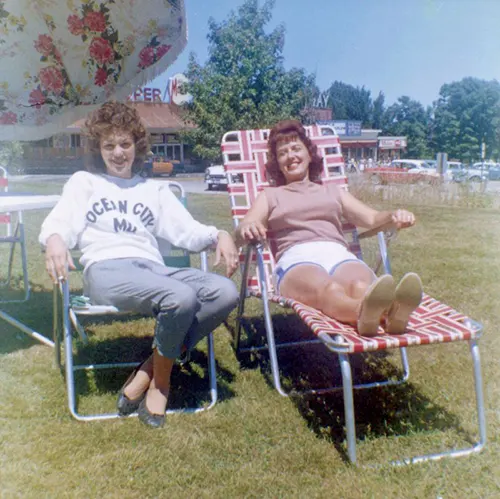
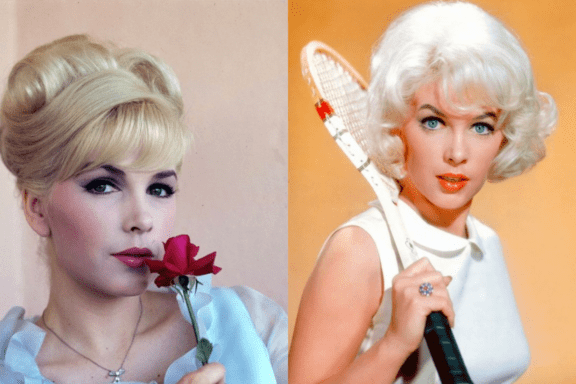
Beauty trends changed alongside the evolving fashion of the decade. The tall, elaborate beehive hairstyles popular at the beginning of the 1960s gradually gave way to sharper, geometric bobs that complemented the clean, modern lines of Mod-inspired clothing.
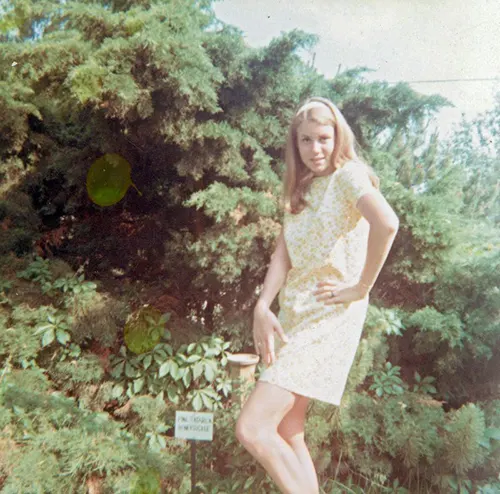
Accessories such as headbands and scarves became simple yet stylish ways to add character without overpowering the overall look.
Makeup trends also shifted toward a softer approach. Lighter lipstick shades replaced the darker tones that had been common earlier, helping create a fresh, modern appearance that matched the spirit of the era.

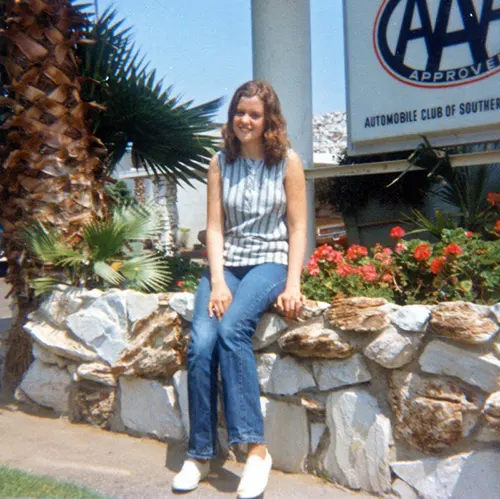
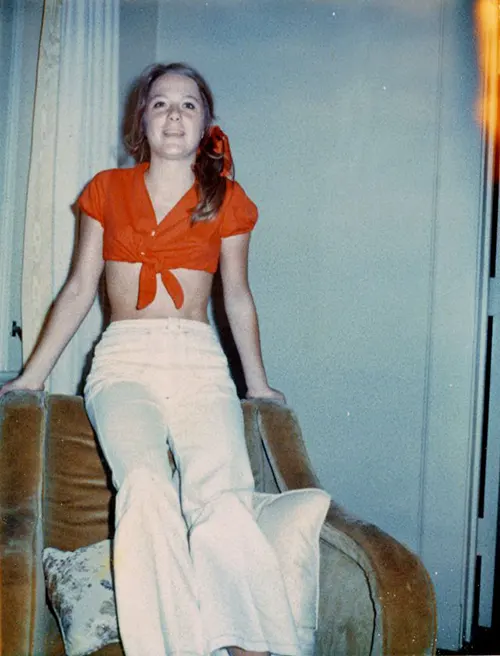
As the 1960s approached their final years, fashion started to shift once again. The early influence of the hippie movement began to appear, bringing flowing maxi skirts and earthy color palettes that hinted at a new direction in style.
Teenage girls of the decade not only witnessed these dramatic changes but also helped shape them. Their willingness to embrace new trends showed how strongly youth culture could influence fashion, transforming styles and attitudes one hemline at a time.
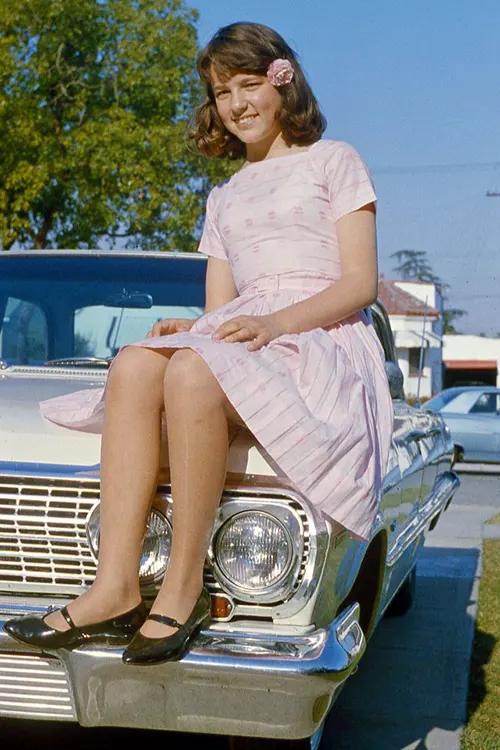
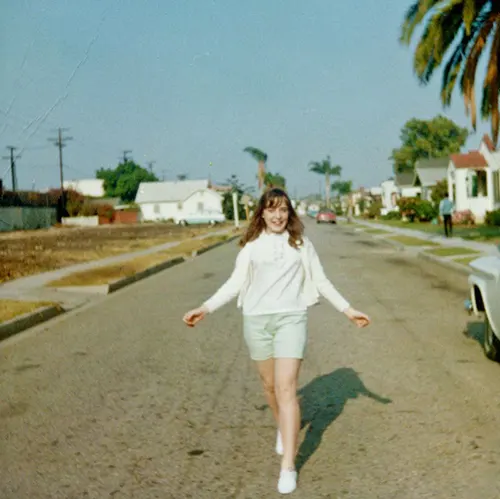
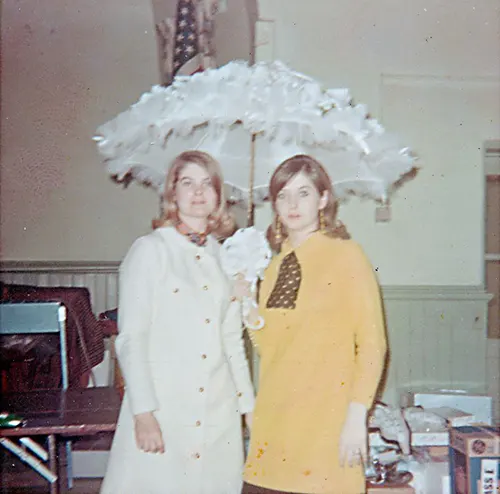
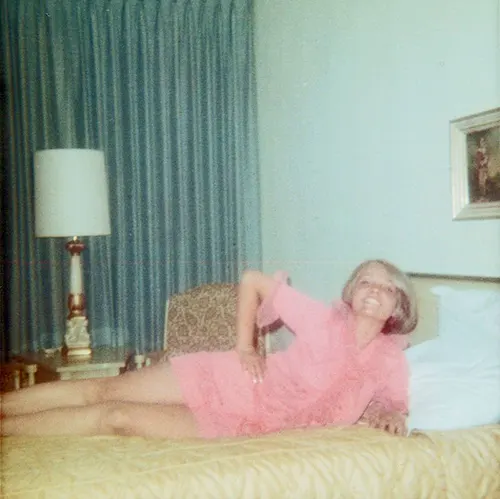
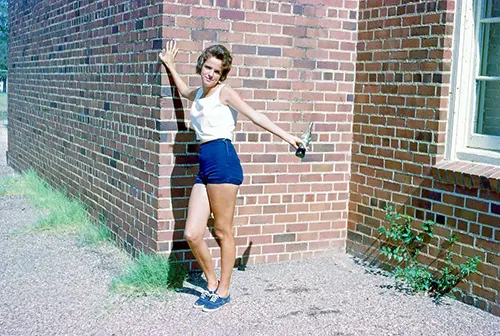
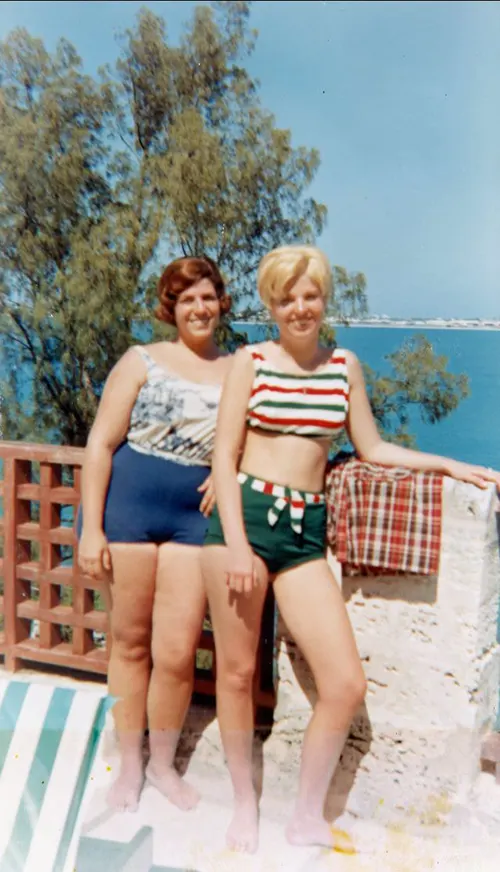
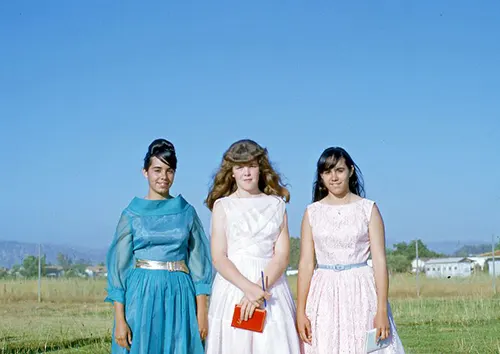
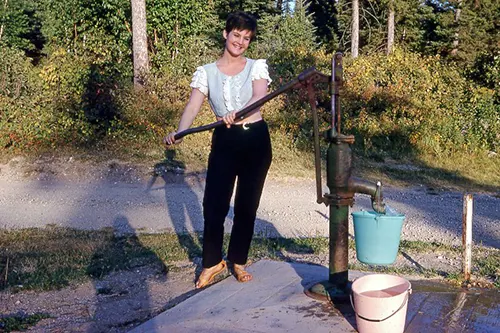
(Photo credit: Pinterest / Flickr / Wikimedia Commons).


No Comments