

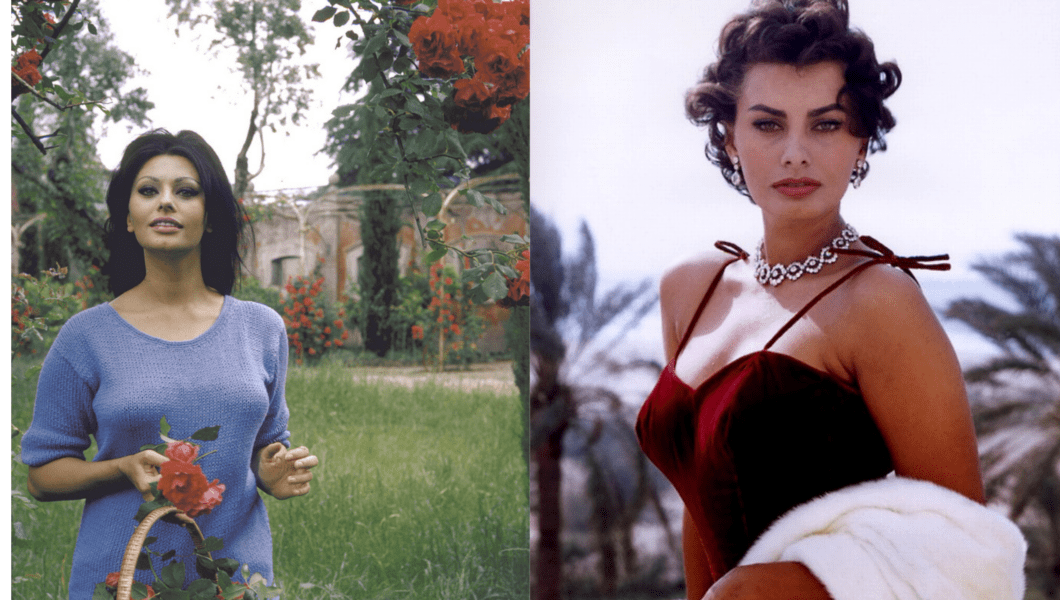
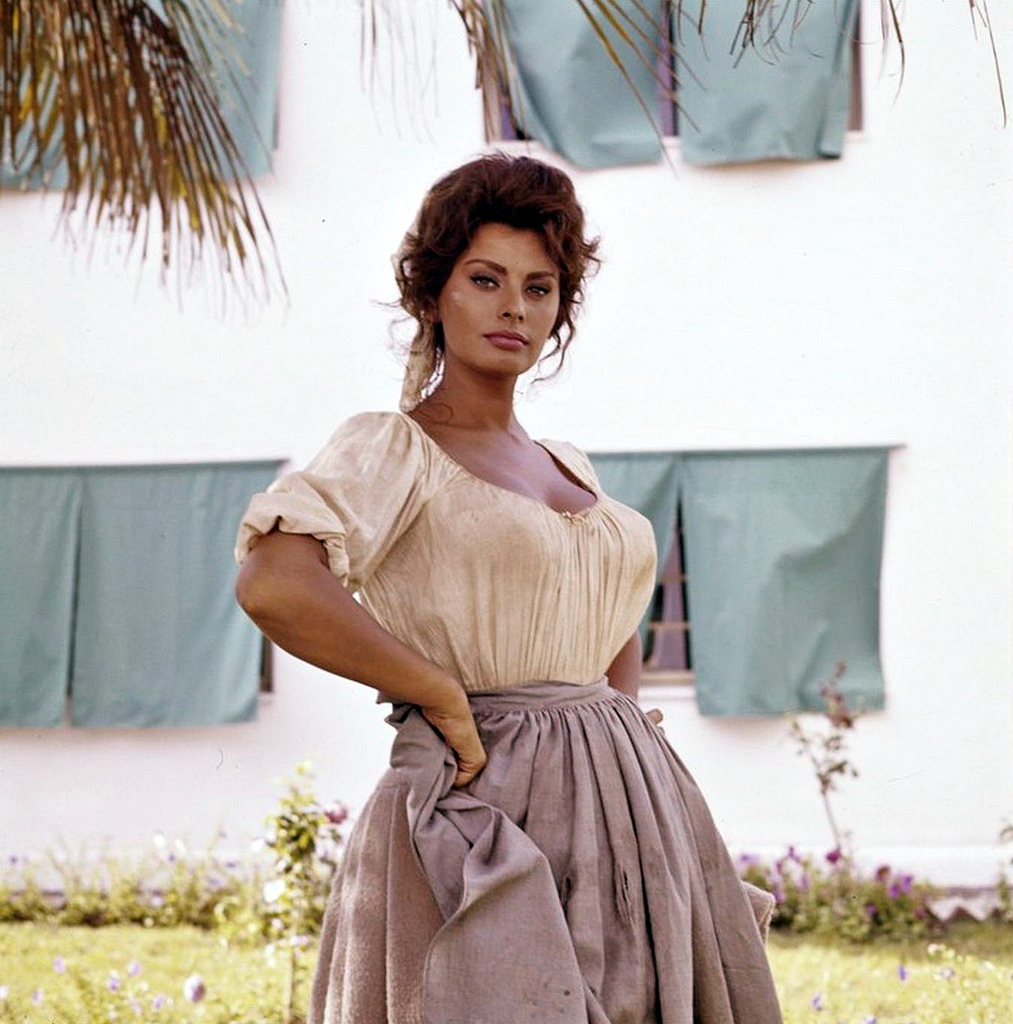
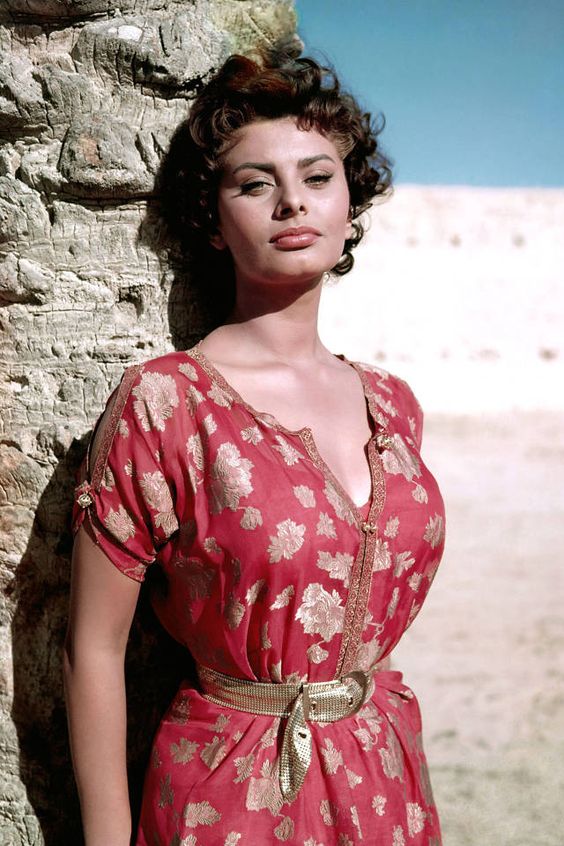
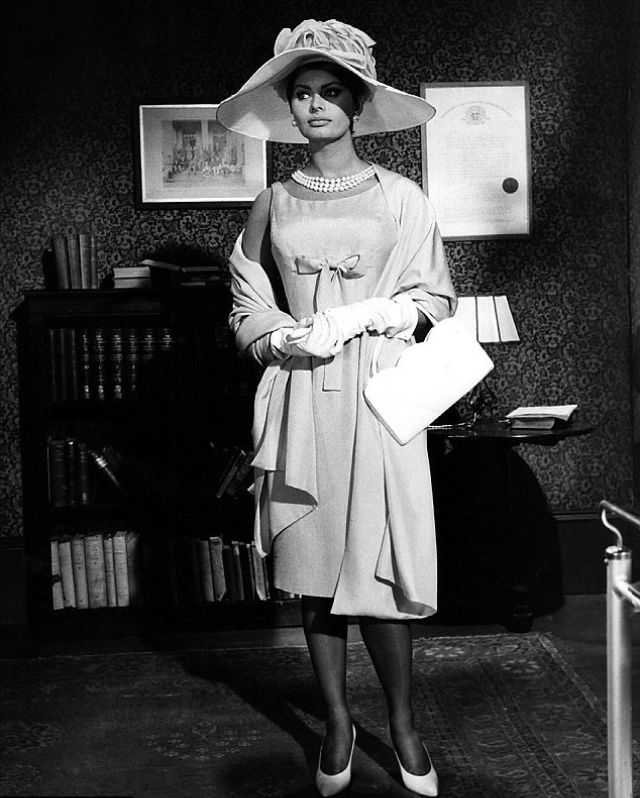
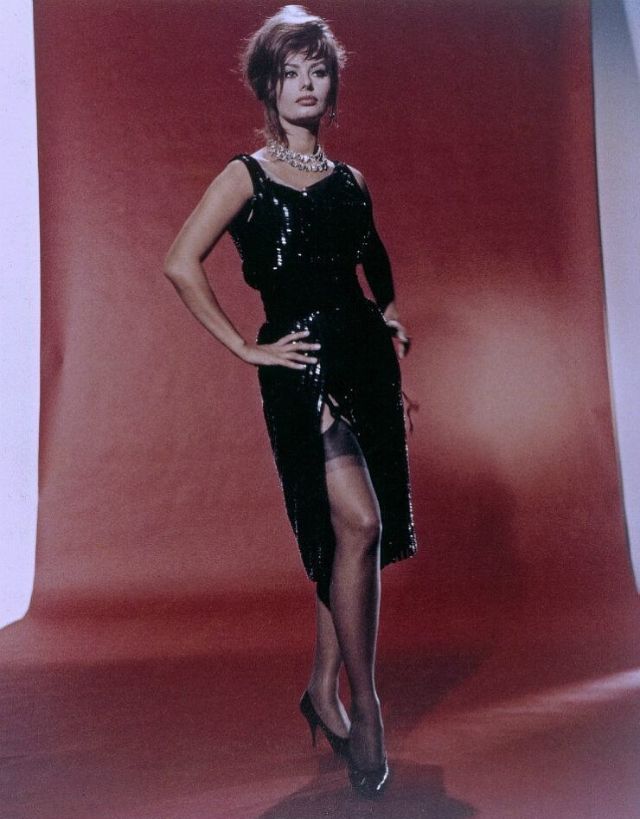
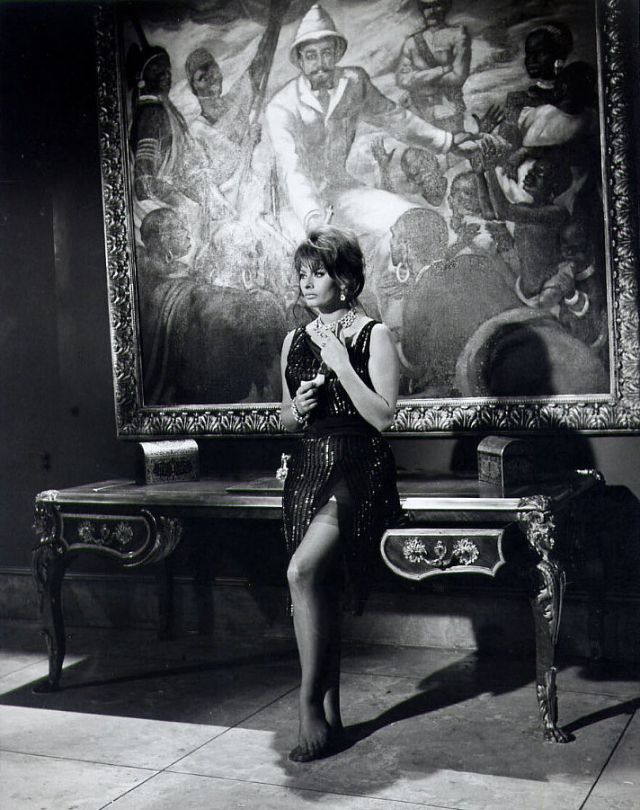
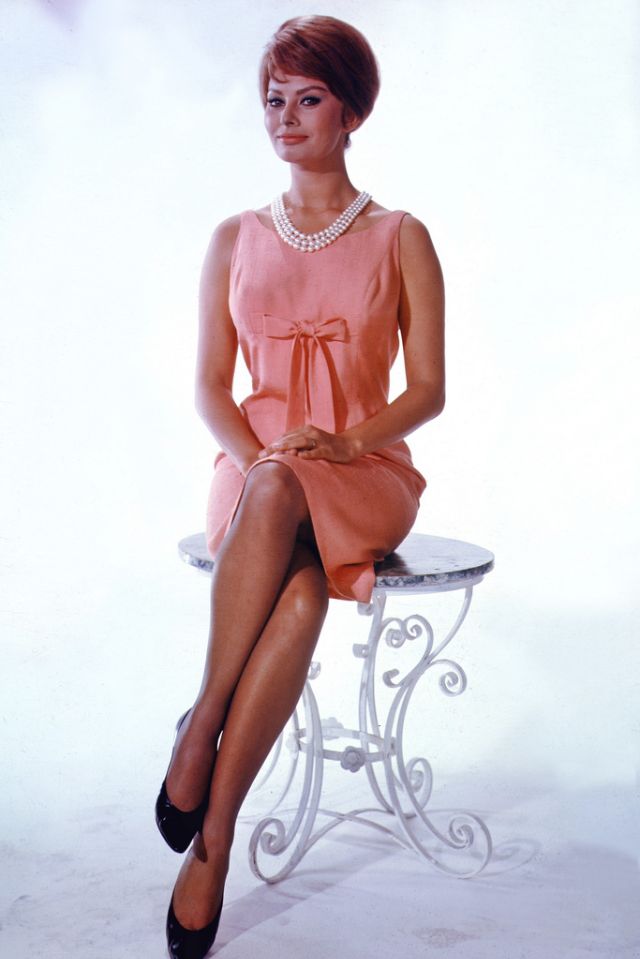
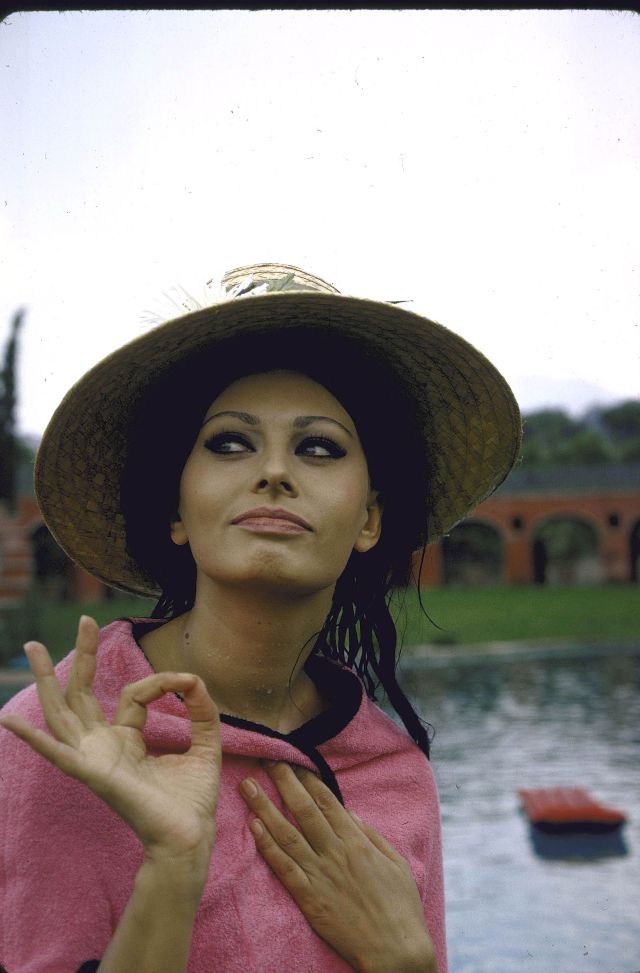
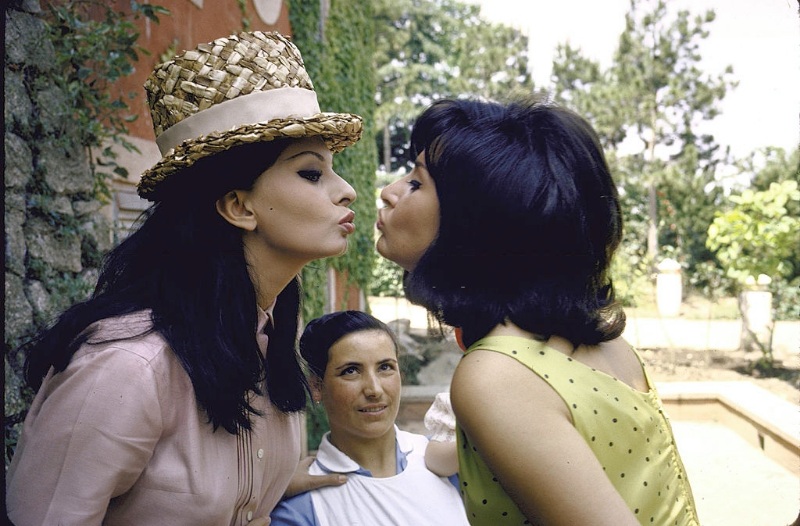
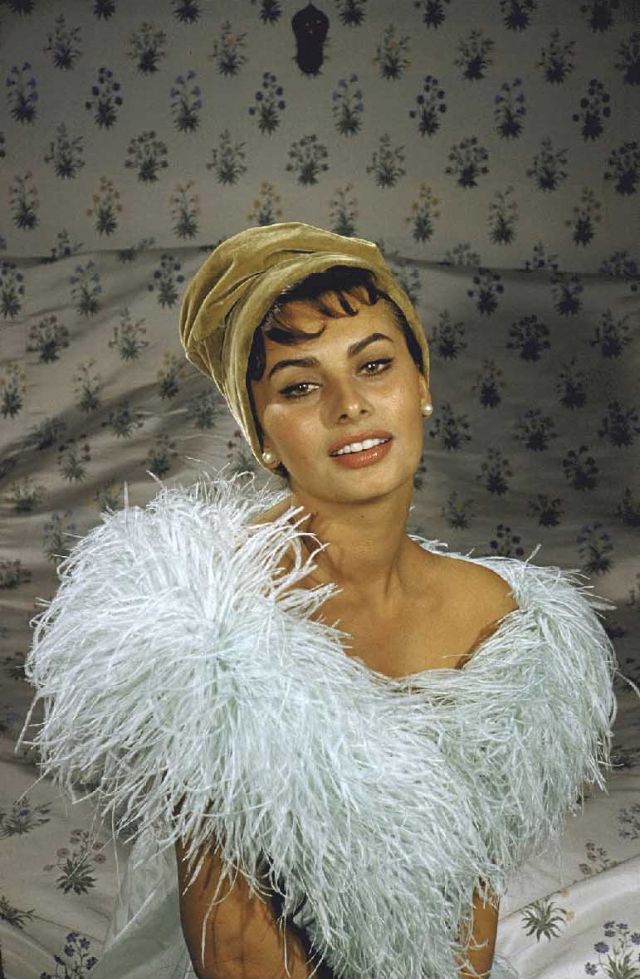
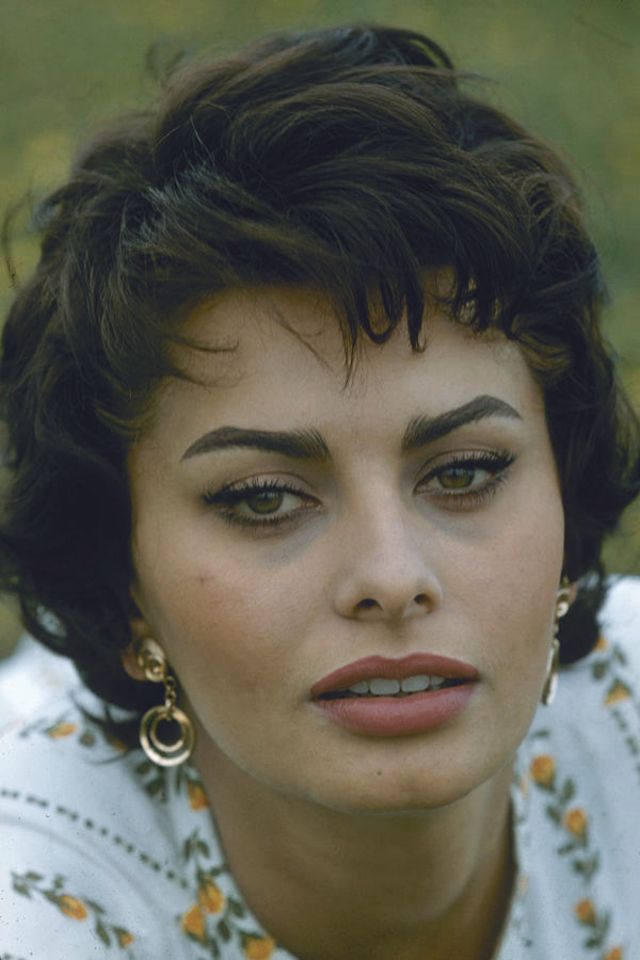
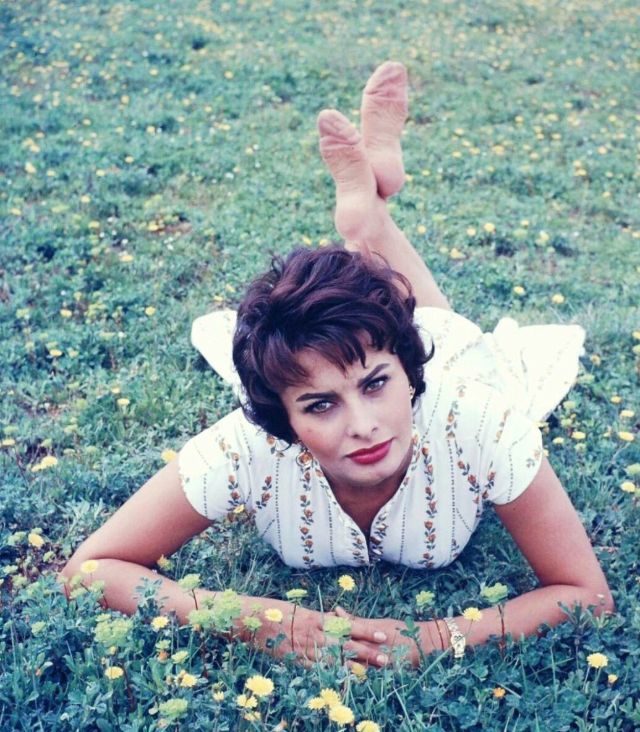
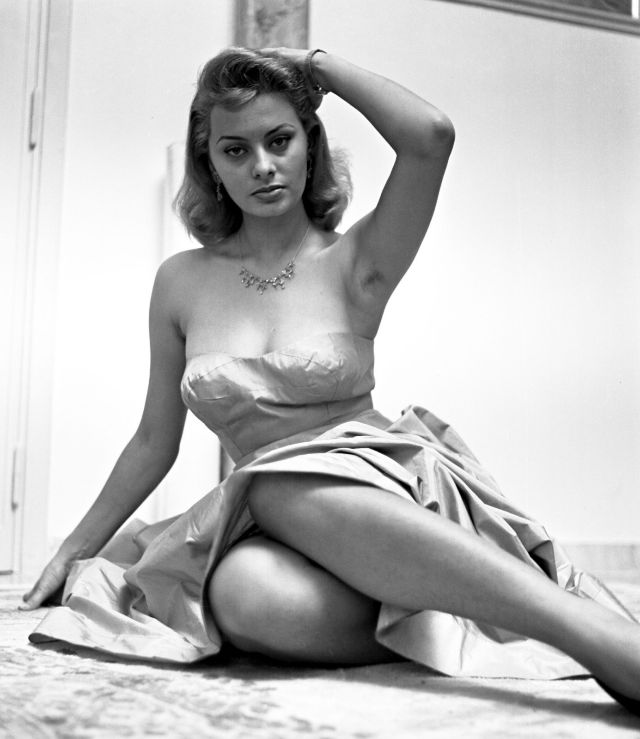
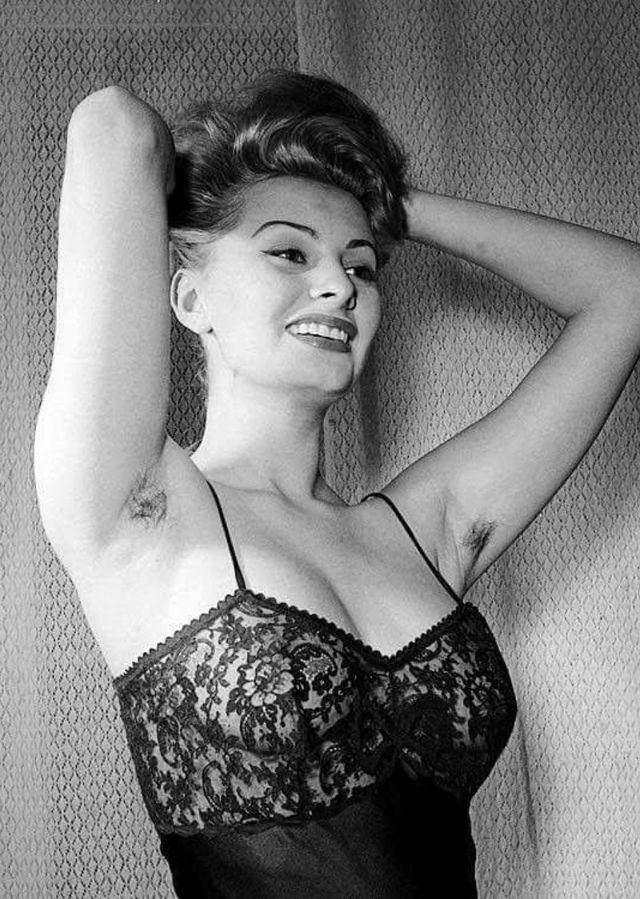
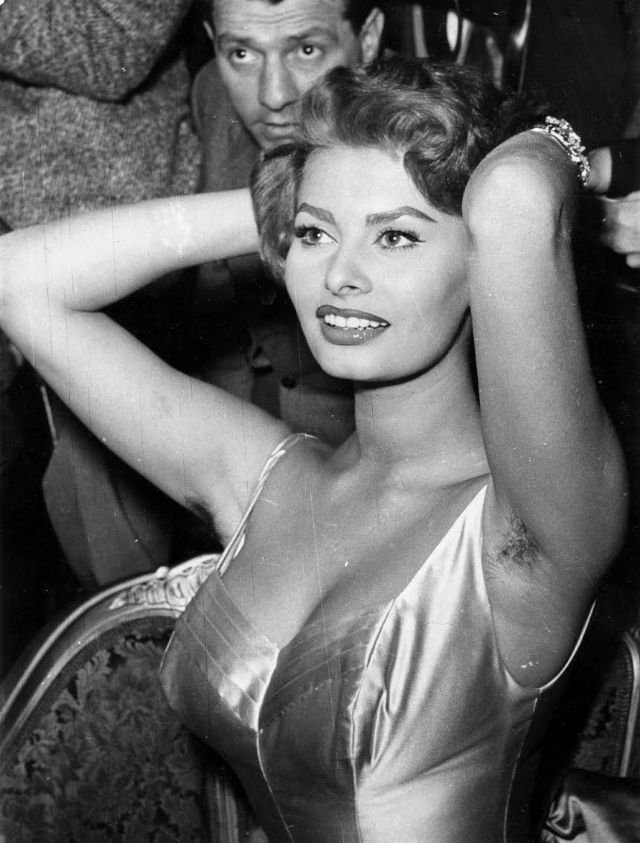
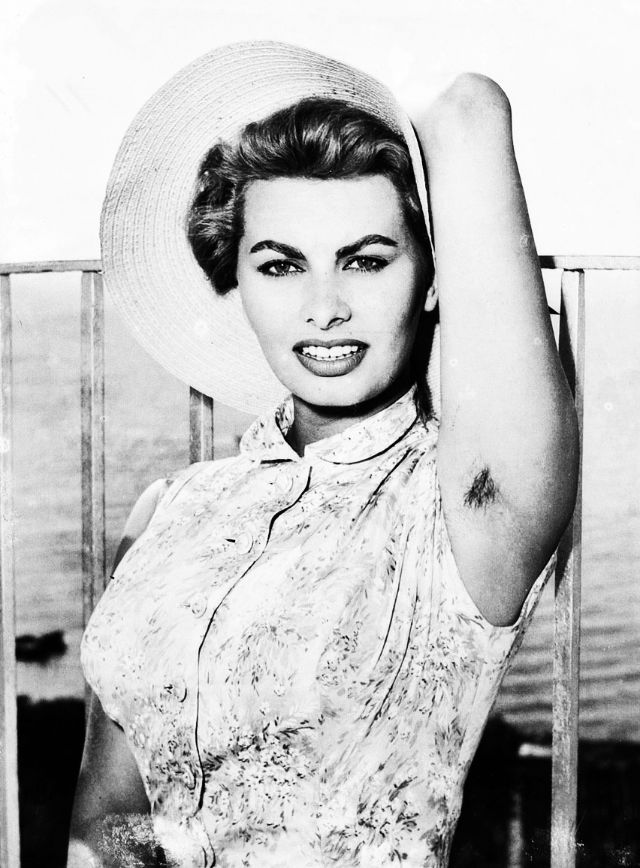
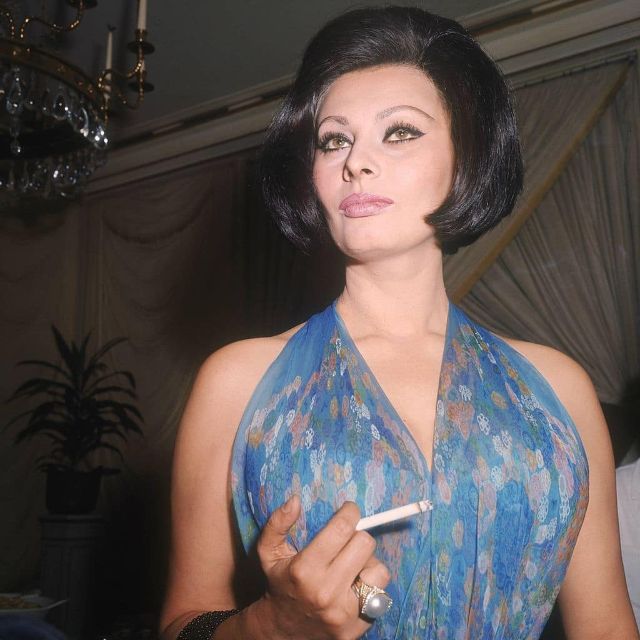
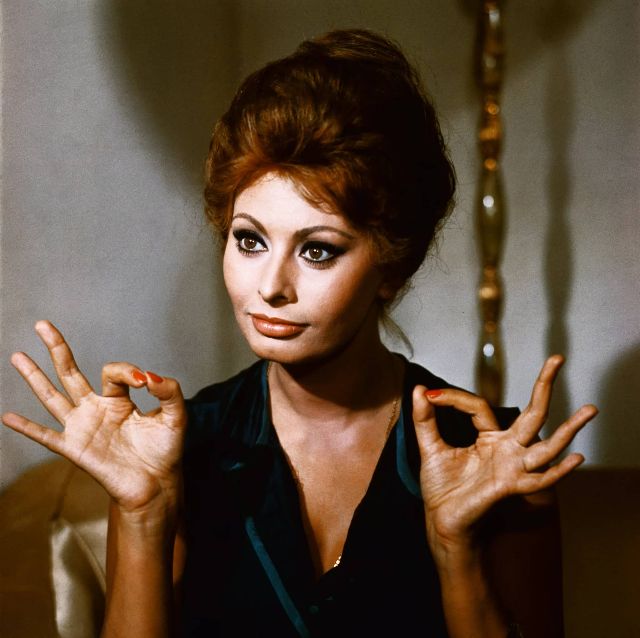
Sophia Loren, born in 1934 in Rome, Italy, emerged from a childhood marked by hardship in postwar Naples to become one of Italy’s most admired actresses and an international symbol of beauty and stardom.
Her remarkable career earned her recognition from the American Film Institute, which honored her as one of the greatest female stars of Hollywood’s classic era.
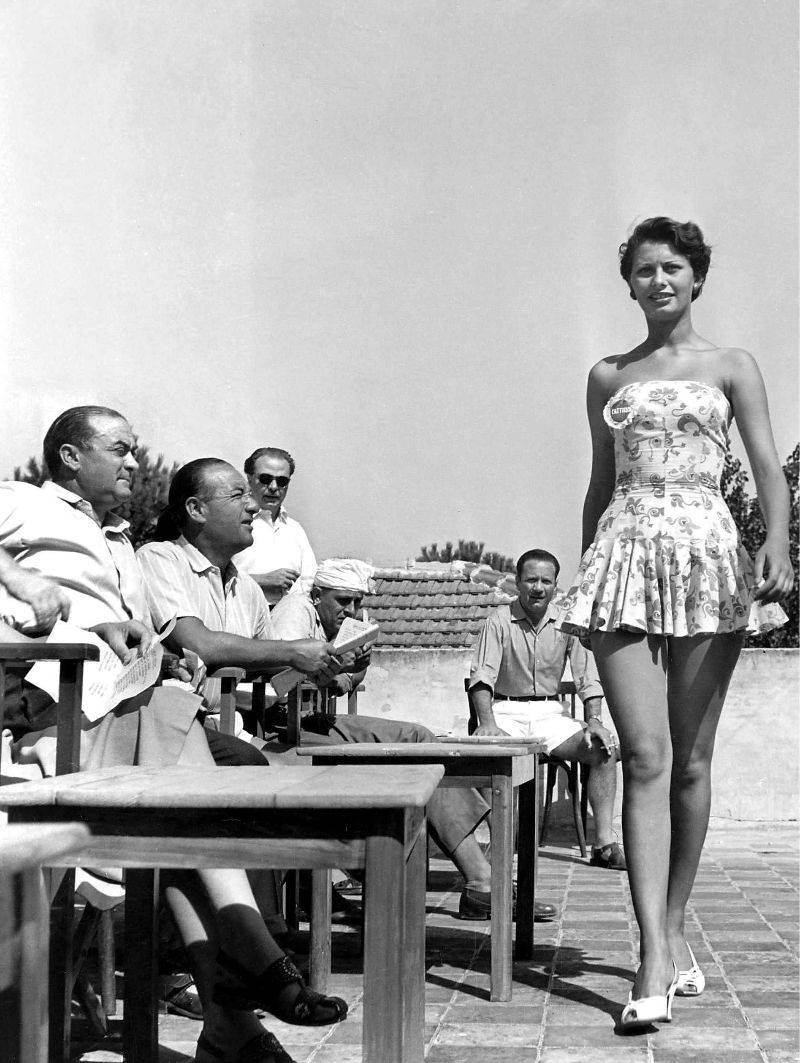
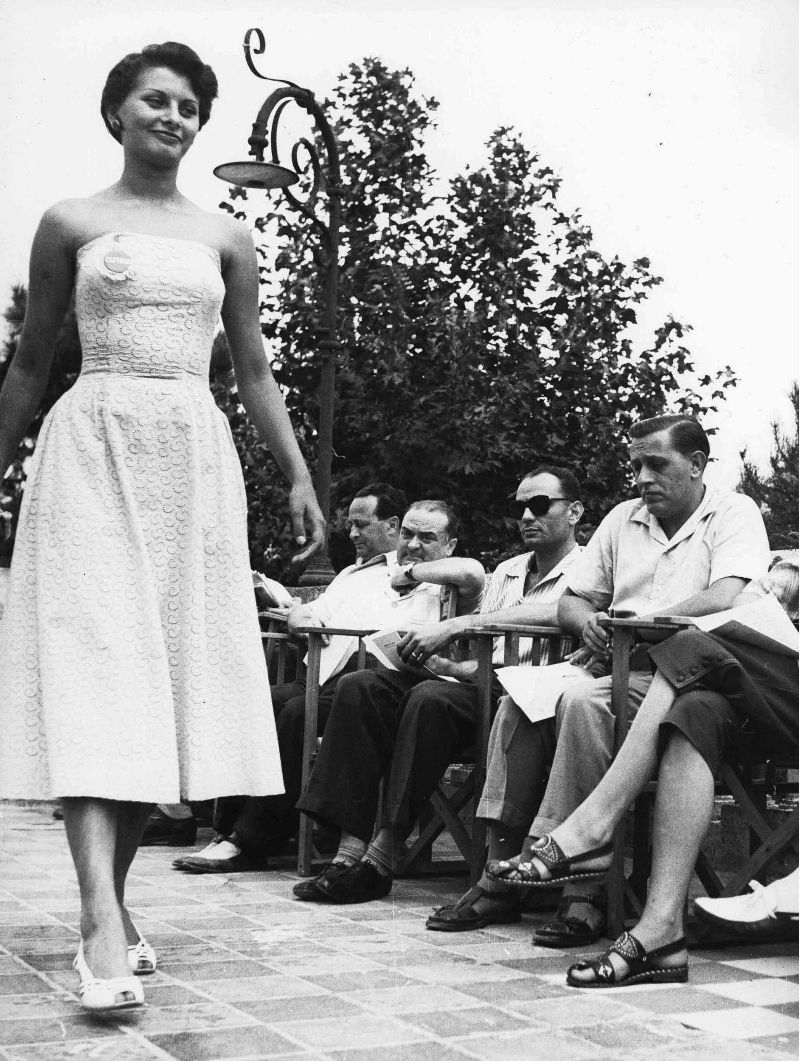
Before entering the film industry, Loren—born Sofia Scicolone—briefly adopted the surname Lazzaro while appearing in fotoromanzi, popular Italian photo-story magazines that told romantic tales through staged images.
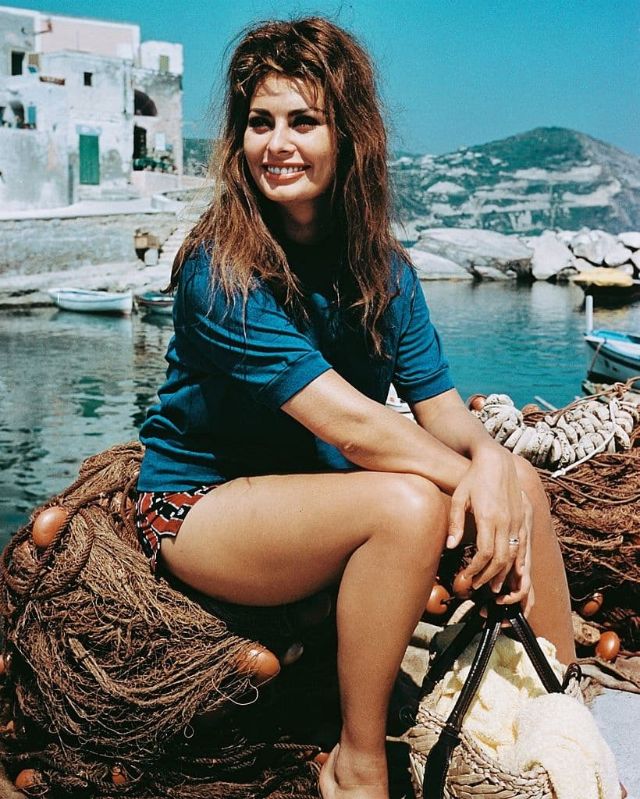
Loren’s earliest screen appearance came in 1951, when she worked as an uncredited extra among the slave girls in the American epic Quo Vadis? Under the guidance of producer Carlo Ponti—who would later become her husband—Sofia Scicolone was reintroduced to the world as Sophia Loren.
She initially built her career through a string of modestly budgeted comedies before gaining significant recognition with Aida (1953). In that film, she portrayed the lead character on screen while lip-syncing to the operatic voice of Renata Tebaldi.
A major turning point arrived in 1960 with Vittorio De Sica’s Two Women, a powerful drama centered on a mother struggling to shield her young daughter amid the devastation of World War II in Italy. The story takes a harrowing turn when both characters suffer a brutal assault while attempting to return home after the bombings have ceased.
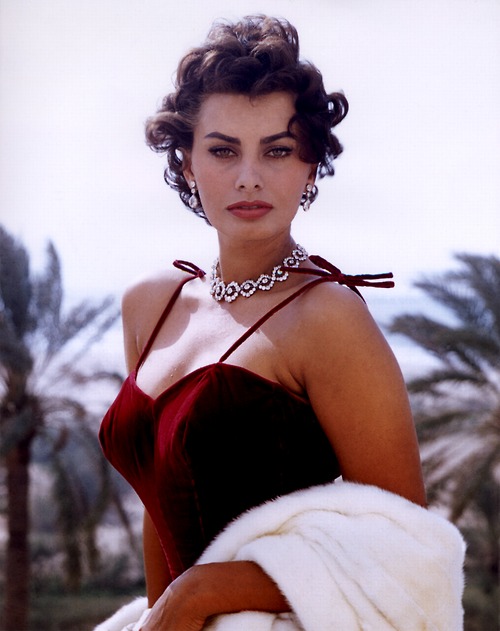
At first, Loren had been considered for the role of the daughter in Two Women, but she pushed back against that casting choice and ultimately secured the part of the mother, while Eleonora Brown was given the role of the child.
Her powerful and deeply emotional portrayal brought widespread acclaim, earning her numerous honors. Among them were the Best Actress award at the Cannes Film Festival and the Academy Award for Best Actress—making her the first performer to win a major Oscar for a non-English-language role and the first Italian actress to receive the distinction.
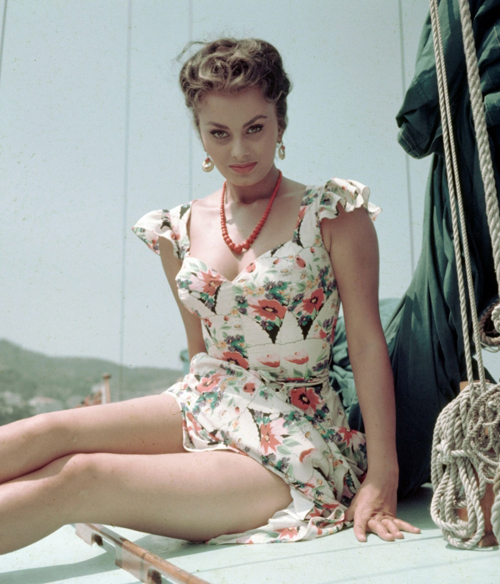
For her work in Two Women, Loren collected a total of 22 international honors. The film earned enthusiastic praise from critics and achieved major success at the box office.
Despite her pride in the achievement, she chose not to attend the Academy Awards ceremony, later explaining that she was afraid she might faint from nerves.
The following day, Cary Grant personally called her in Rome to share the news that she had won the Oscar.
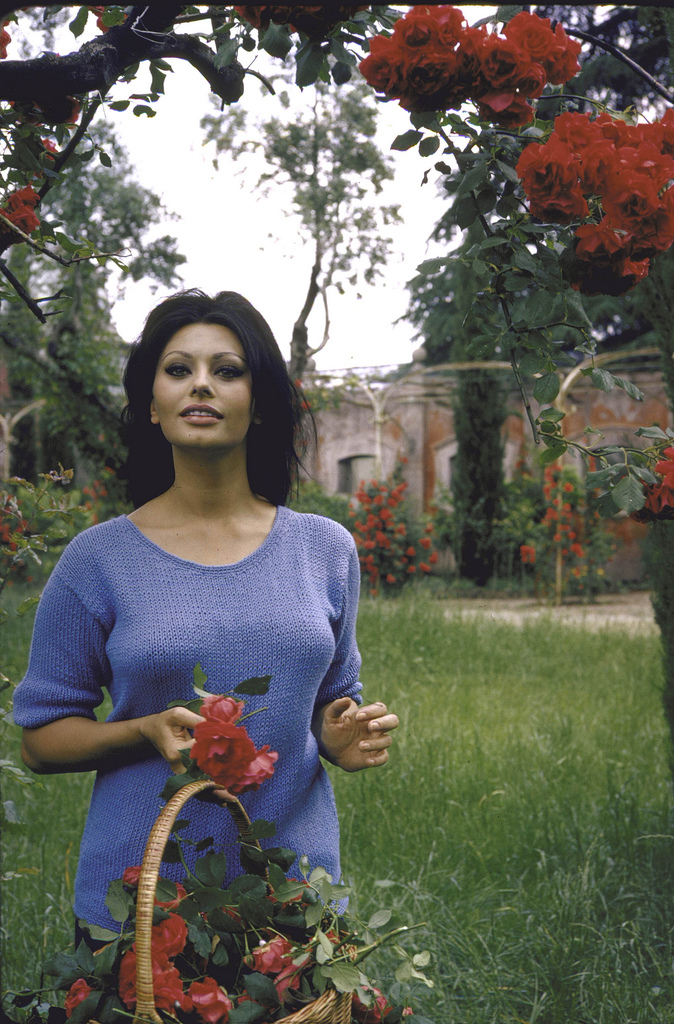
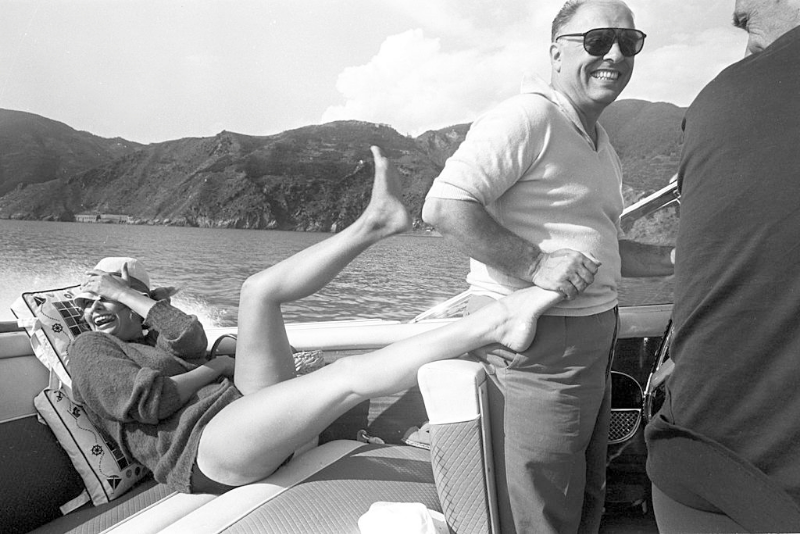
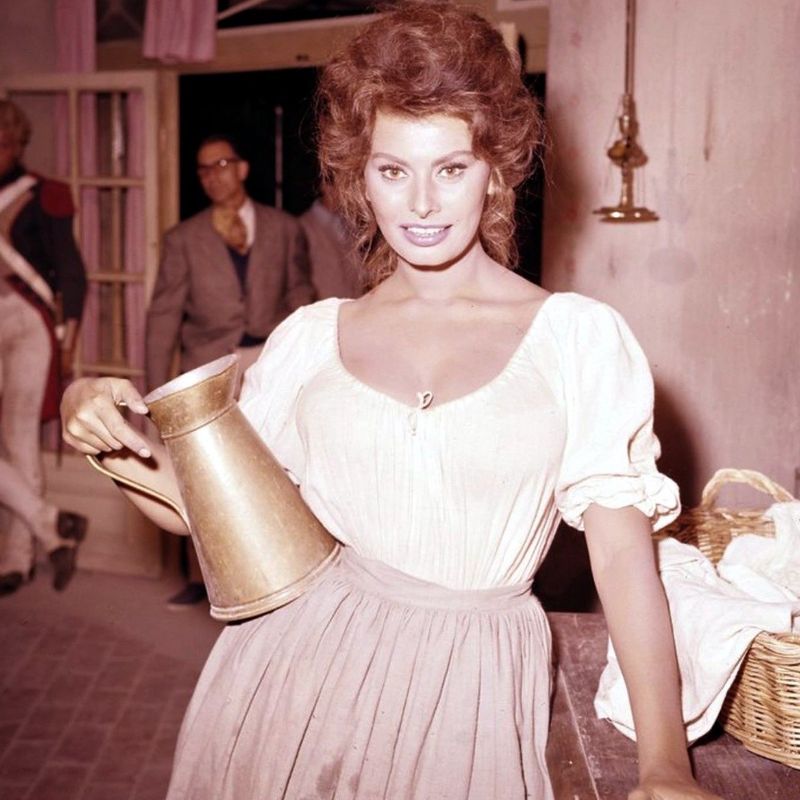
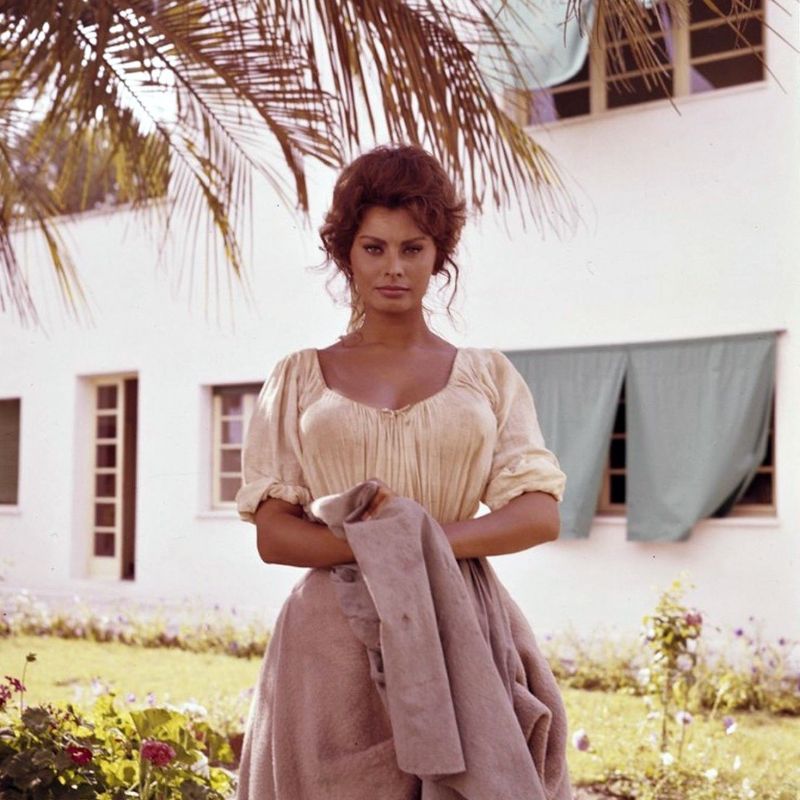
Throughout the 1960s, Loren ranked among the most sought-after actresses in the world, appearing in major productions on both sides of the Atlantic alongside many of the era’s leading men.
In 1964, she reached a career high point when she was paid $1 million to star in The Fall of the Roman Empire, a remarkable sum at the time.
The following year, she earned another Academy Award nomination for her role in Marriage Italian-Style, sharing the screen with Marcello Mastroianni.
Starting in the early 1980s, Loren began to scale back her film work, choosing projects more selectively. In later years, she appeared in films such as Prêt-à-Porter (1994), Grumpier Old Men (1995), and Nine (2009).

Loren first encountered Carlo Ponti in 1950, when she was just 15 years old and he was 37. Although Ponti had been separated from his wife, Giuliana, for some time, he was still legally married when he and Loren entered into a proxy marriage in Mexico on September 17, 1957, with two attorneys standing in for them.
In 1962, the couple had the union annulled to avoid charges of bigamy, yet they remained together despite the legal complications.
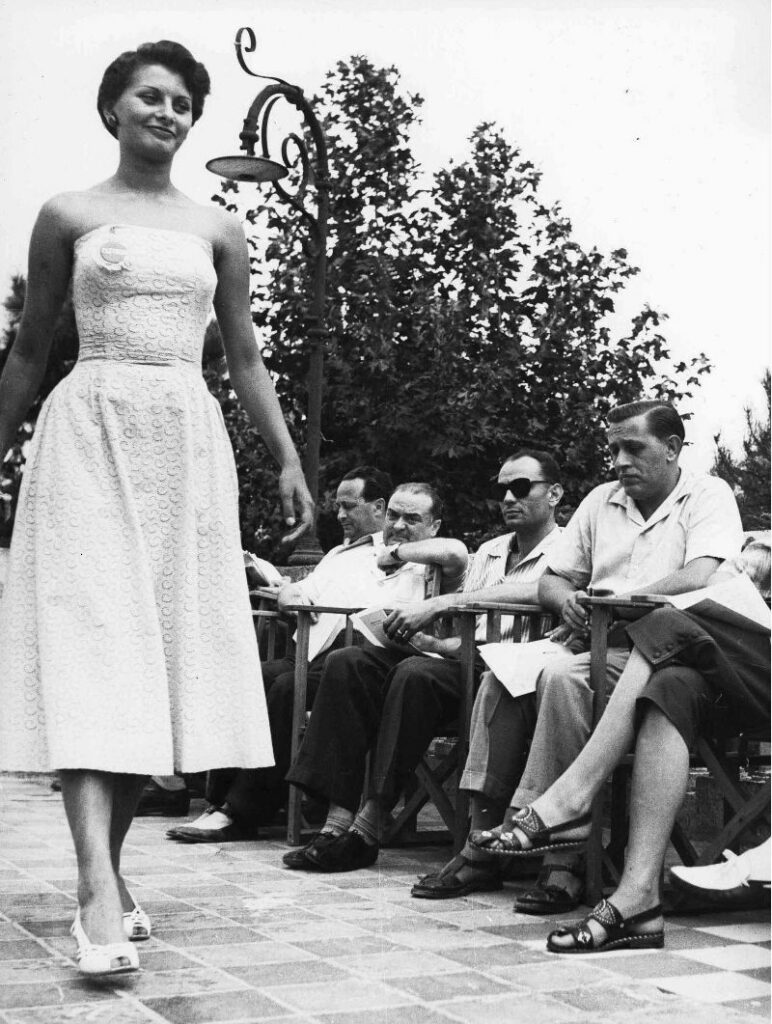
In 1965, Loren and Ponti were granted French citizenship after their request was approved by then–Prime Minister Georges Pompidou. Ponti was subsequently able to finalize his divorce from Giuliana in France, clearing the way for him to legally marry Loren on April 9, 1966.
Together, they welcomed two sons: Carlo Ponti Jr., born on December 29, 1968, and Edoardo Ponti, born on January 6, 1973. Through their marriages to Sasha Alexander and Andrea Meszaros, Loren became a mother-in-law and later a grandmother to four grandchildren.
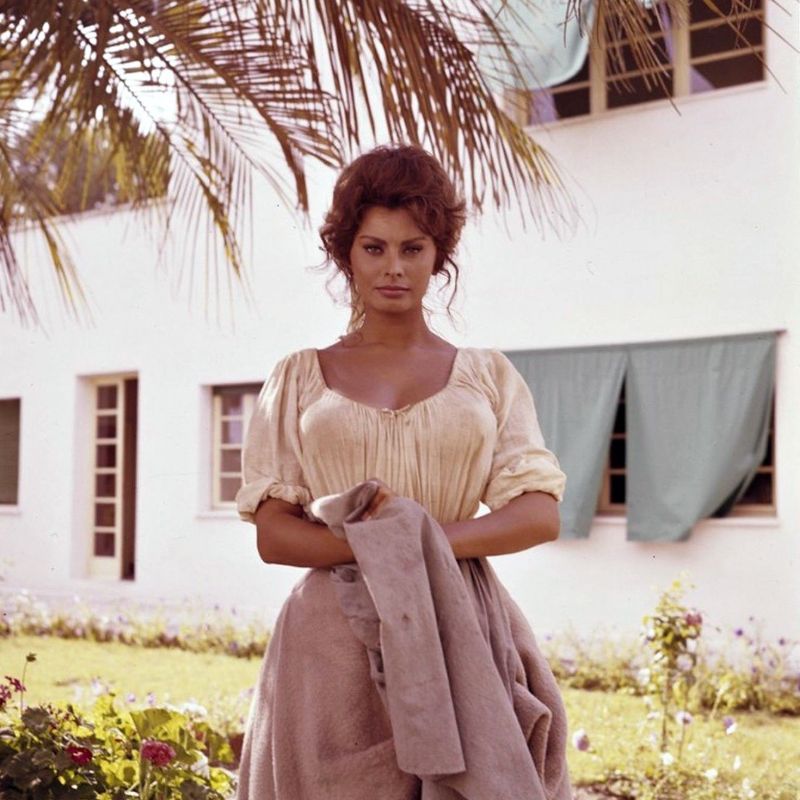
Loren stayed devoted to Carlo Ponti for the rest of his life, remaining by his side until his passing on January 10, 2007, when he died from complications related to lung illness.

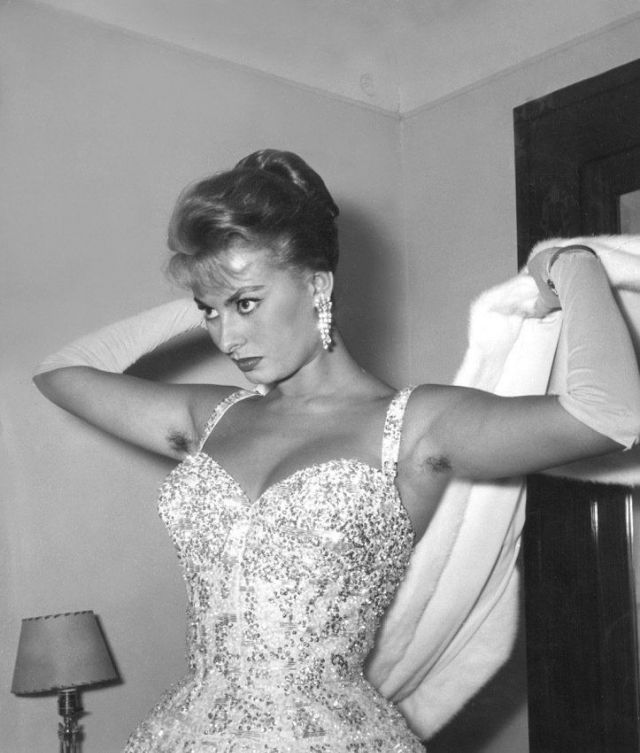
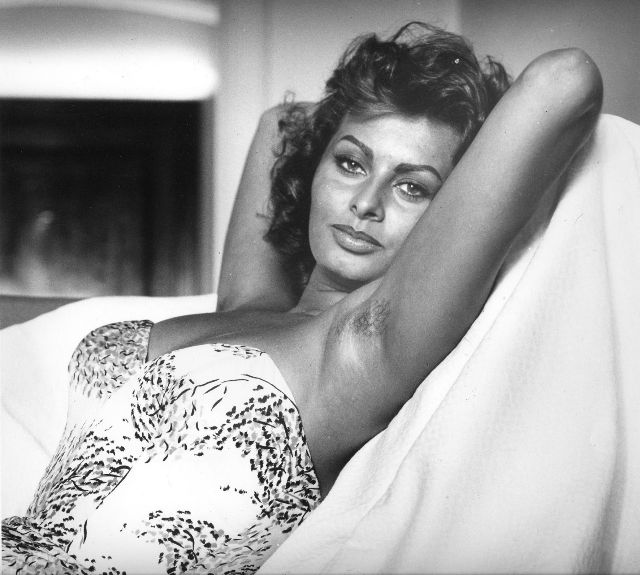
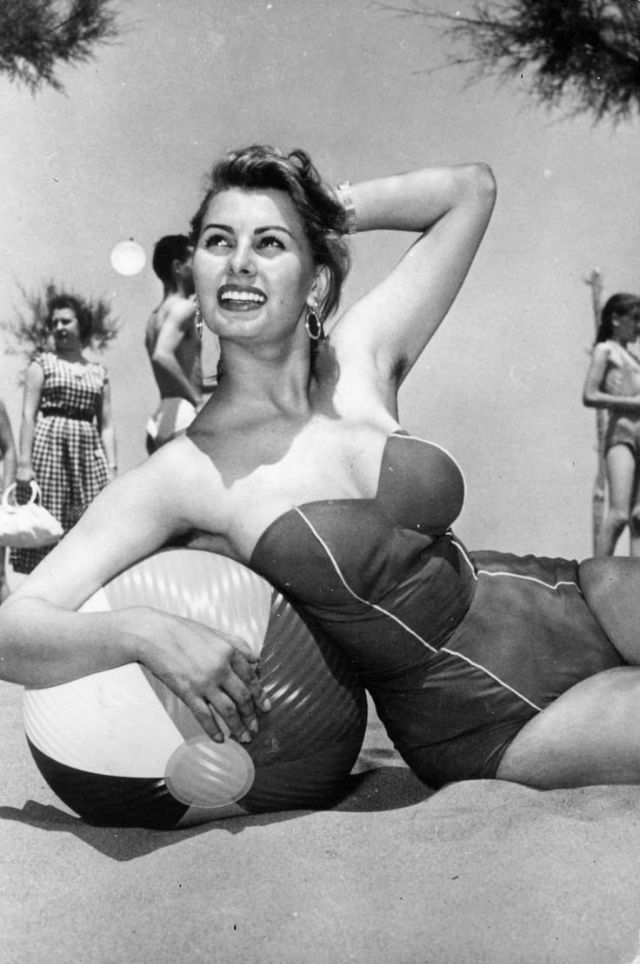
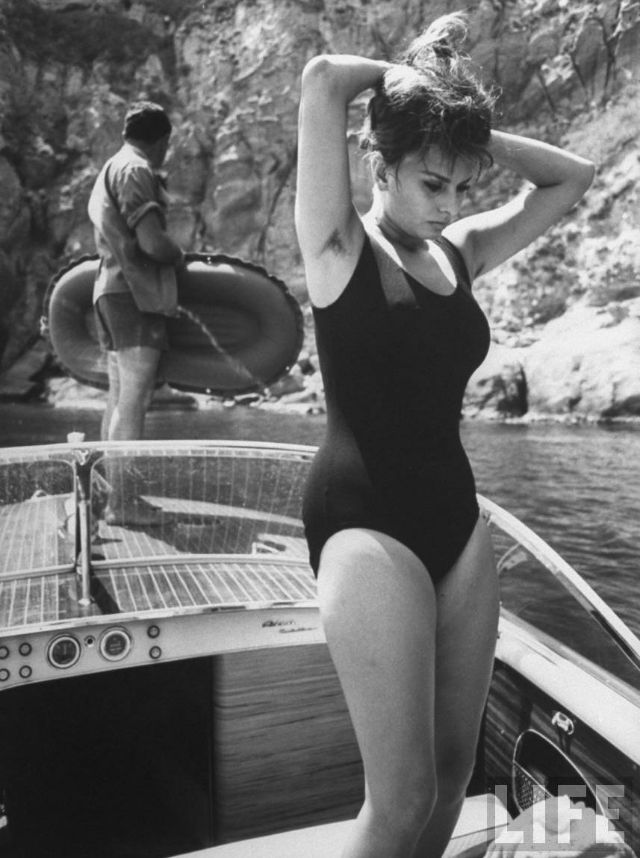

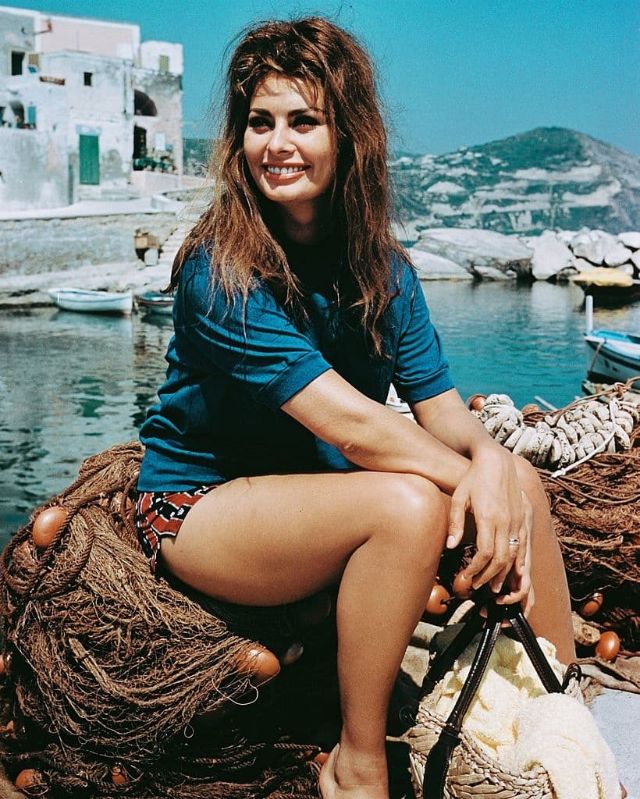
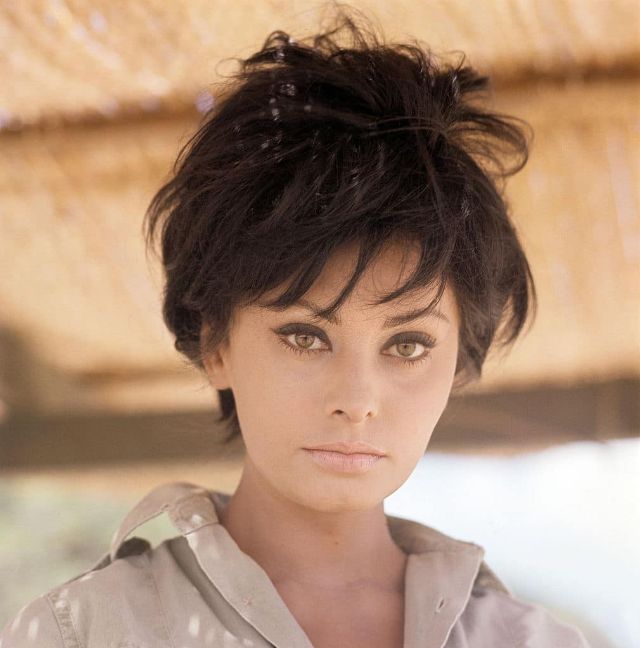
(Photo credit: Britannica / Wikimedia Commons / Wikipedia).


No Comments