

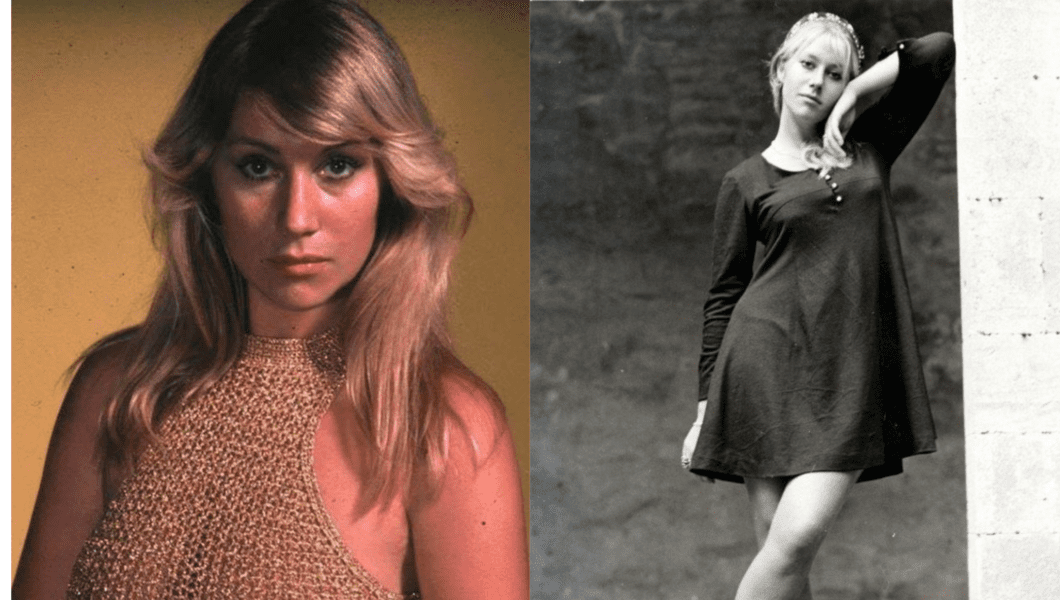
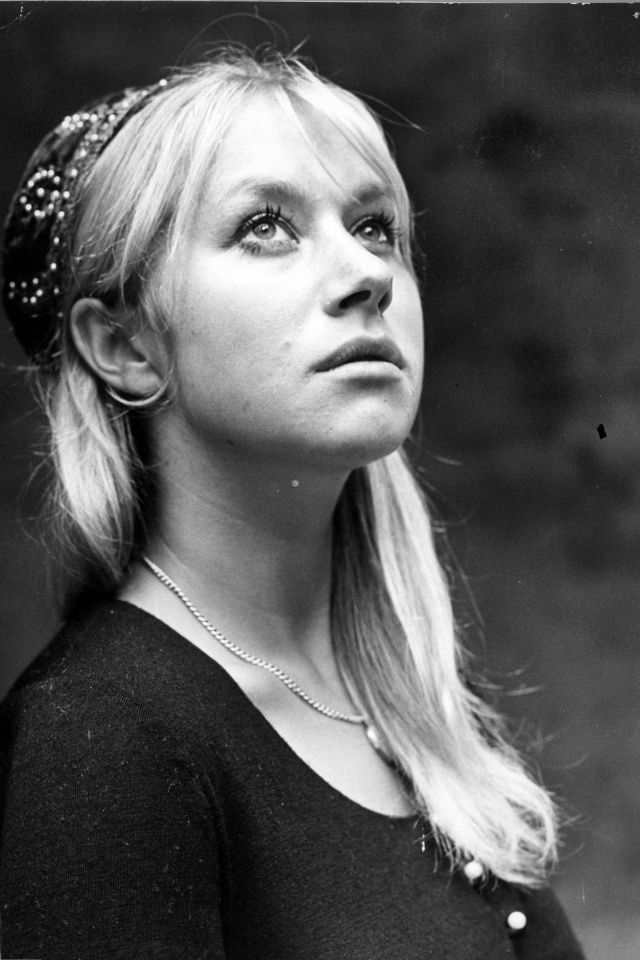
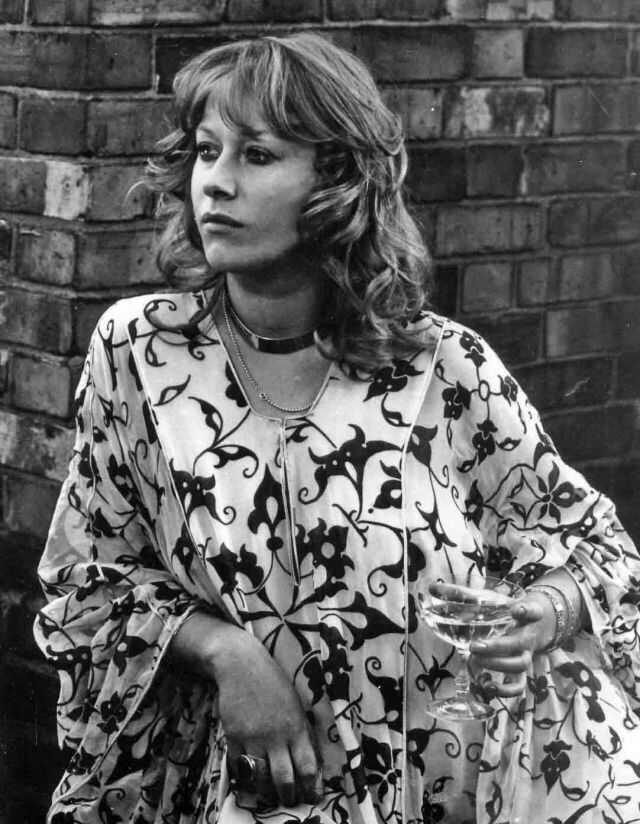
Helen Mirren was born in London to a father of Russian heritage and a mother of Scottish descent. Originally, the family surname was Mironoff, but when she was around ten years old, her father chose to adopt a more Anglicized version of the name.
At eighteen, she became a member of Britain’s National Youth Theatre, and just a year later she joined the Royal Shakespeare Company, marking the beginning of her distinguished stage career.
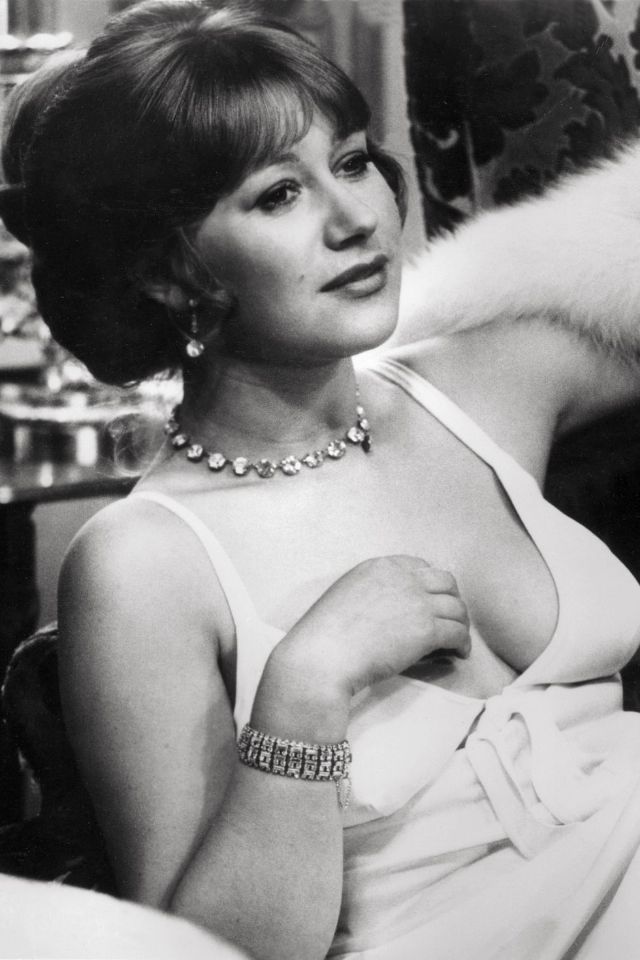
For much of the following fifteen years, she remained closely associated with the Royal Shakespeare Company, taking on demanding classical roles such as Cressida in Troilus and Cressida and Cleopatra in Antony and Cleopatra.
While continuing her stage work, Mirren transitioned into film in her early twenties. Her first released movie was A Midsummer Night’s Dream (1968), launching a screen career that would span decades. She went on to appear in a wide range of films, including the British crime drama The Long Good Friday (1980), the Arthurian epic Excalibur (1981), and the Northern Ireland-set romance Cal (1984), the latter earning her the Best Actress award at the Cannes Film Festival.
She later portrayed the adulterous wife of a brutal English criminal in the provocative film The Cook, the Thief, His Wife, and Her Lover (1989). In The Madness of King George (1994), she took on the role of Queen Charlotte, a performance that brought her an Academy Award nomination for Best Supporting Actress.
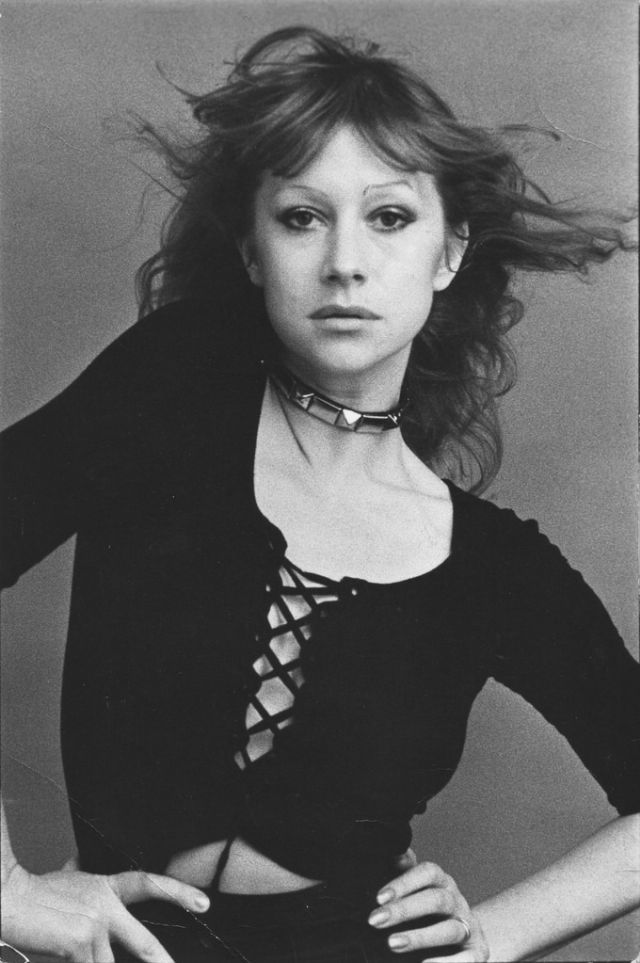
Mirren carried her acclaimed film career well into the new millennium.
She received a second Academy Award nomination for Best Supporting Actress for her portrayal of a sharp-witted English housekeeper in Robert Altman’s Gosford Park (2001).
In Calendar Girls (2003), she took on the role of a middle-aged woman from Yorkshire who persuades her friends to pose nude for a charity calendar created to raise funds for leukemia research.
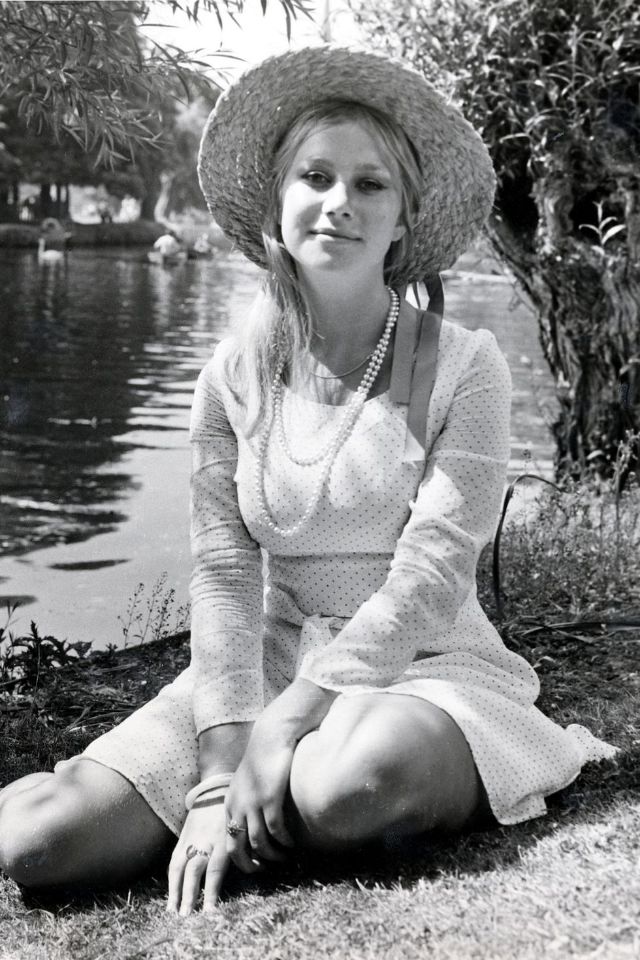
In the Queen’s 2003 Birthday Honours, Mirren was appointed a Dame (DBE) for services to drama, with investiture taking place at Buckingham Palace.
In 2013 she was awarded a star on the Hollywood Walk of Fame, and in 2014 she received the BAFTA Fellowship for lifetime achievement from the British Academy of Film and Television Arts.
In 2021, she was announced as the recipient of the Screen Actors Guild Life Achievement Award.
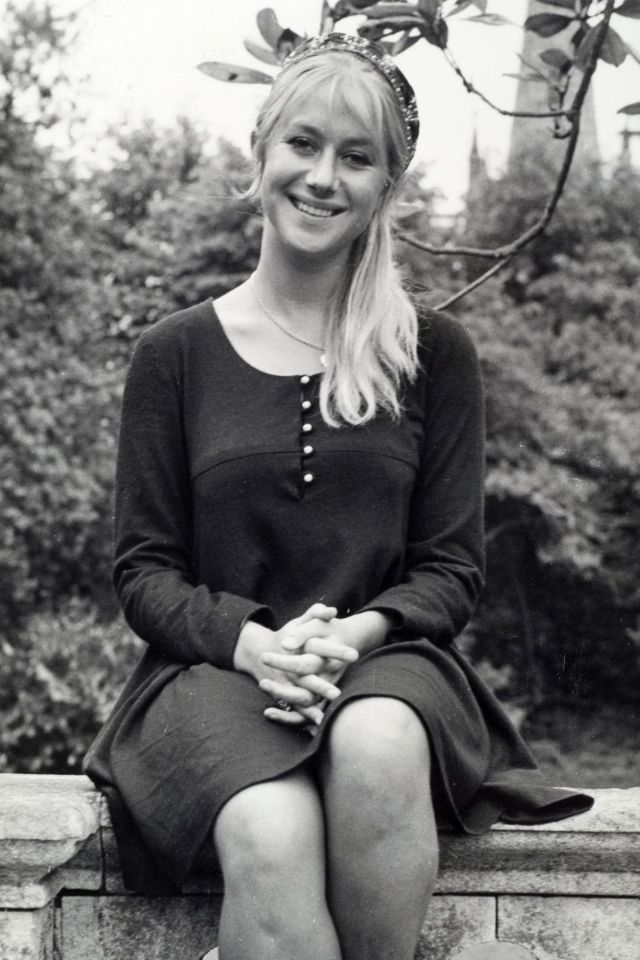
In the Queen’s 2003 Birthday Honours, Mirren was named a Dame Commander of the Order of the British Empire (DBE) in recognition of her contributions to drama, and she was formally invested at Buckingham Palace.
A decade later, in 2013, she was honored with a star on the Hollywood Walk of Fame. The following year, she received the BAFTA Fellowship — the British Academy of Film and Television Arts’ highest distinction — celebrating her lifetime achievements in the industry.
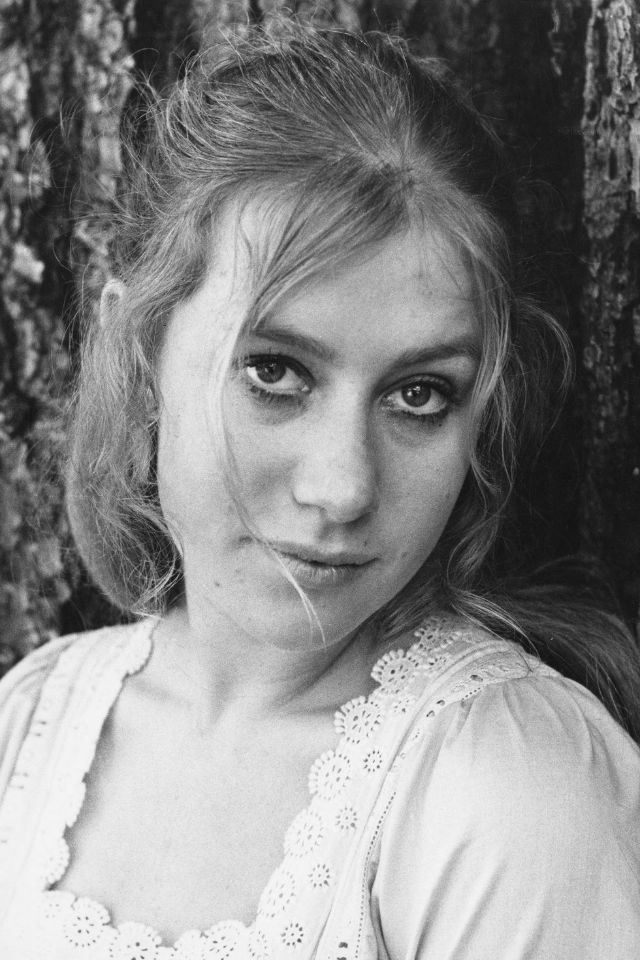
In a 1990 interview, Mirren described herself as an atheist.
Years later, in the August 2011 edition of Esquire, she expanded on her outlook, explaining that while she does not believe in God, she considers herself spiritually inclined. She mentioned that as a child she believed in fairies — and joked that she still holds onto a touch of that whimsical belief, along with leprechauns — even though she does not subscribe to traditional religious faith.


No Comments