

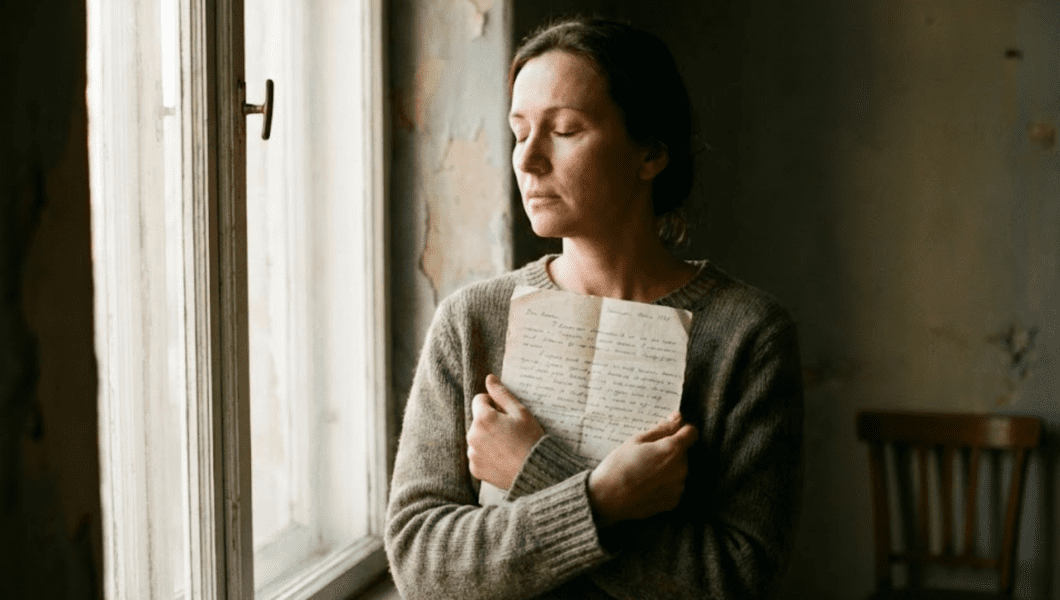
The morning after I found out, the house did not look any different. That was the cruelest part. The same light came through the kitchen window. The same chair sat half pulled out from the table where he used to drop his jacket. The coffee maker hummed like it always did, filling the air with a smell that suddenly felt out of place, as if routine itself had missed the memo that everything had ended.
I remember standing in the hallway, unsure where to put my body. Grief does that. It makes every familiar space feel wrong, like you are trespassing in your own life. I kept expecting to hear his footsteps, the uneven rhythm he had when he was tired. I kept expecting to hear him call out, just once, to tell me he was okay, that there had been a mistake.
Instead, there was only quiet. Not peaceful quiet. The kind that presses against your ears.
I found his letter again that morning. I had folded it carefully the night before and placed it on the kitchen counter, like it was something alive that needed space to breathe. When I picked it up, my hands shook, not because I did not know what it said, but because I knew it too well. I had already read it once, but reading it again felt like walking into a room where he had just been.

I sat down and read his words slowly this time, letting each line land. Without realizing it, I started responding out loud. Not in full sentences. Just small things. Yes, I know. I understand. I am not angry. I never stopped loving you. It felt ridiculous and necessary at the same time, like my heart was trying to find him wherever it still could.
What I did not expect was the way guilt would arrive in waves. Not sharp at first, but heavy. It crept in quietly, bringing questions I had already asked myself a hundred times but now asked with new urgency. Should I have pushed harder for treatment sooner. Should I have noticed something in his voice that last night. Should I have sat with him longer when he handed me the letter. Grief loves to pretend that hindsight is power.
I walked into his room later that day. I had avoided it at first, like crossing a threshold would make everything official. His bed was unmade, the way it usually was. Clothes lay folded and unfolded in small piles, evidence of decisions interrupted. On his dresser sat his Bible, worn at the edges, with a folded piece of paper tucked into the middle. I opened it and saw where he had underlined verses, his handwriting slanted slightly, urgent in places, steady in others. It was a quiet reminder that his faith had not been performative. It had been personal. It had been something he carried even when his hands were shaking.

As the day went on, people started to come by. Some knocked. Some just stood on the porch until I noticed them. They brought food that no one really ate and words that were meant to help. I appreciated the effort. I really did. But there were moments when I wanted to cover my ears. Not because people were cruel, but because language feels flimsy when it tries to explain the unexplainable.
One woman hugged me and whispered that everything happens for a reason. I nodded because I did not have the energy to correct her. Another told me how strong I was. I wondered what strength was supposed to look like in a moment like this. Standing upright. Breathing. Not screaming. Sometimes that is all strength is.
Later, when the house was quiet again, I noticed something unexpected. Alongside the pain, there was relief. That realization scared me. Not relief that he was gone, never that. Relief that his suffering had stopped. Relief that he was no longer fighting something that exhausted him day after day. I sat with that feeling for a long time, letting it exist without judgment. Love can hold more than one truth at once.
The days that followed blurred together. Paperwork. Phone calls. Decisions that felt far too practical for the weight of what had happened. Choosing clothes for him felt unbearable. I kept thinking about how he would have rolled his eyes at some of the options. He had opinions about things like that, quiet ones, but real. I chose something simple. Something that felt like him.
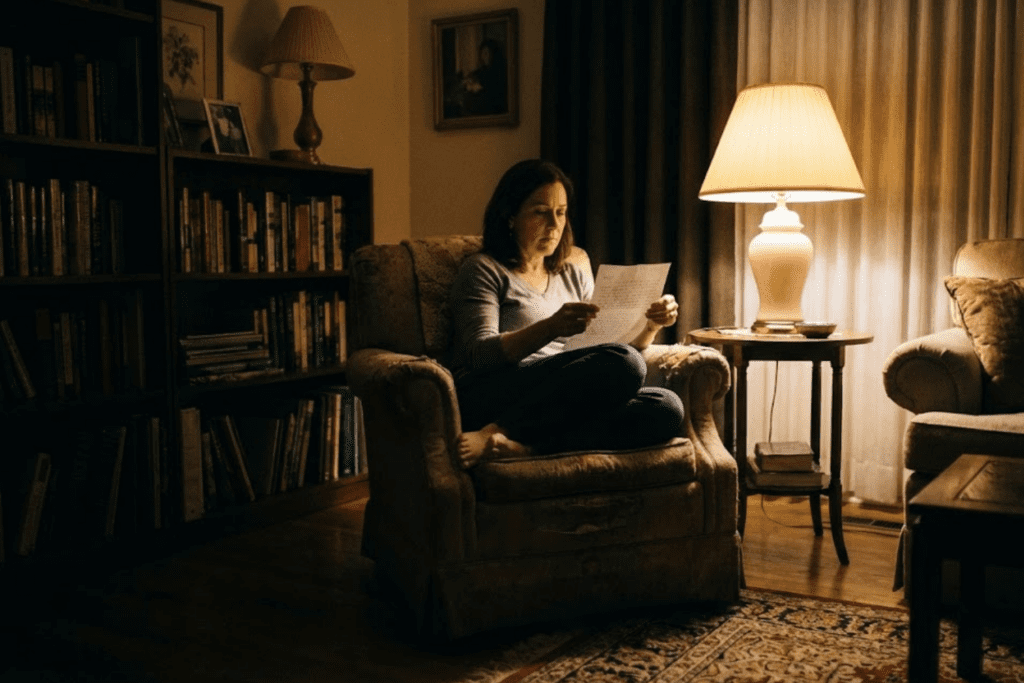
The night before the service, I did not sleep. I sat in the living room with his letter again, reading it under a lamp that cast long shadows on the wall. I noticed things I had missed before. How careful he was with his words. How he took responsibility without punishing himself on the page. How much love he folded into sentences that were already heavy with truth. That letter was not despair. It was clarity. It was courage.
At the service, people stood up and told stories about him. Some were funny. Some caught me off guard with how much joy they carried. It reminded me that he had lived, really lived, even inside the struggle. He had been more than his addiction. He had been a friend, a son, a presence that left an imprint on rooms long after he left them.
When it was my turn to speak, I held his letter in my hands. I did not read it aloud. It felt too sacred for that. But I talked about honesty. About the kind of bravery it takes to tell the truth when you are ashamed. About how addiction is not a moral failure but a complicated, painful illness that does not discriminate. I watched faces in the crowd change as I spoke. Some softened. Some broke. I knew then that his story was already doing what he had wanted. It was reaching people.
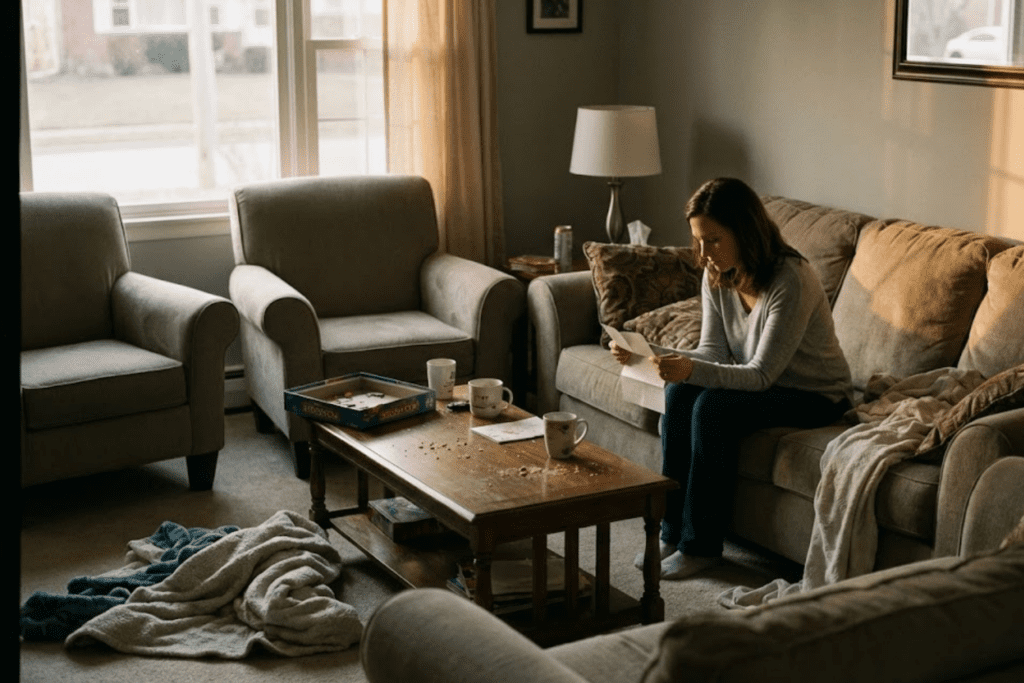
After everyone left, I returned home to a house that felt larger than it used to. Grief has a way of expanding space. I sat on the couch where he used to sit, my feet tucked under me, his letter folded in my lap. For the first time since he passed, I let myself say his name out loud without immediately breaking down. Eli. The sound of it filled the room, gentle and aching.
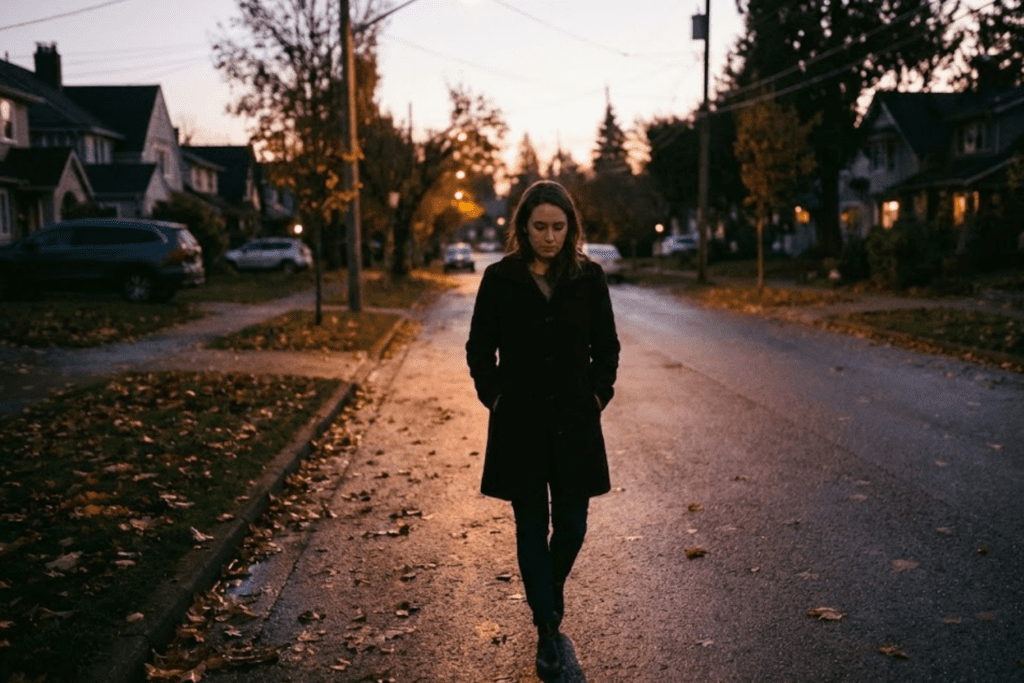
Time did not heal anything quickly. That is something people do not say enough. What it did was teach me how to carry the weight differently. Some mornings I woke up and felt almost normal, and then guilt rushed in behind the feeling, as if calm were a betrayal. Other days, grief hit me out of nowhere. In the grocery store. In the car when a song he loved came on. In the middle of folding laundry when I reached for a shirt that still smelled like him.
I started talking to him sometimes. Not because I believed he could answer in the way I wanted, but because love does not disappear when someone does. It looks for new places to go. I told him about the ordinary things. The way the dog still waits by the door. The way the seasons are changing. The way his absence has made me pay attention to moments I used to rush through.
I also started sharing his letter with people who needed to hear it. Not the physical paper, but the heart of it. I told other parents who were exhausted and scared that progress is real even when it does not last. I told people struggling themselves that honesty is not weakness. That asking for help is not failure. Every time I spoke about him, it felt like keeping a promise.
There are nights when faith feels steady and nights when it feels thin. I am learning that both can exist without canceling each other out. I still believe in peace. I still believe in mercy. But belief now looks quieter. Less like certainty, more like trust exercised one day at a time.
Eli’s letter did not save him in the way I wish it had. That truth hurts to say. But it saved something else. It saved honesty. It saved connection. It saved the reminder that even in the middle of the darkest struggle, a person can still choose truth, still reach for healing, still love deeply.
I keep his letter in a drawer now, wrapped in a soft cloth. I do not read it every day. Some days I cannot. Other days, it feels like a lifeline. It reminds me that my son was not defined by his worst moments. He was defined by his heart, his faith, his humor, and his courage to speak when it cost him something.
If you are reading this and you recognize someone you love in these words, please stay open. Keep listening. Keep choosing compassion even when you are tired. And if you see yourself in my son, please know that your story is not over just because it feels heavy. There is help. There is dignity in reaching for it.
I miss Eli every second. That has not changed. What has changed is my understanding of what love looks like when it has nowhere physical to go. It becomes memory. It becomes advocacy. It becomes telling the truth, even when it hurts.
And every time I open that drawer and touch the folded paper inside, I remember that my son wanted freedom. He wanted healing. He wanted light. That matters. It will always matter.


No Comments