

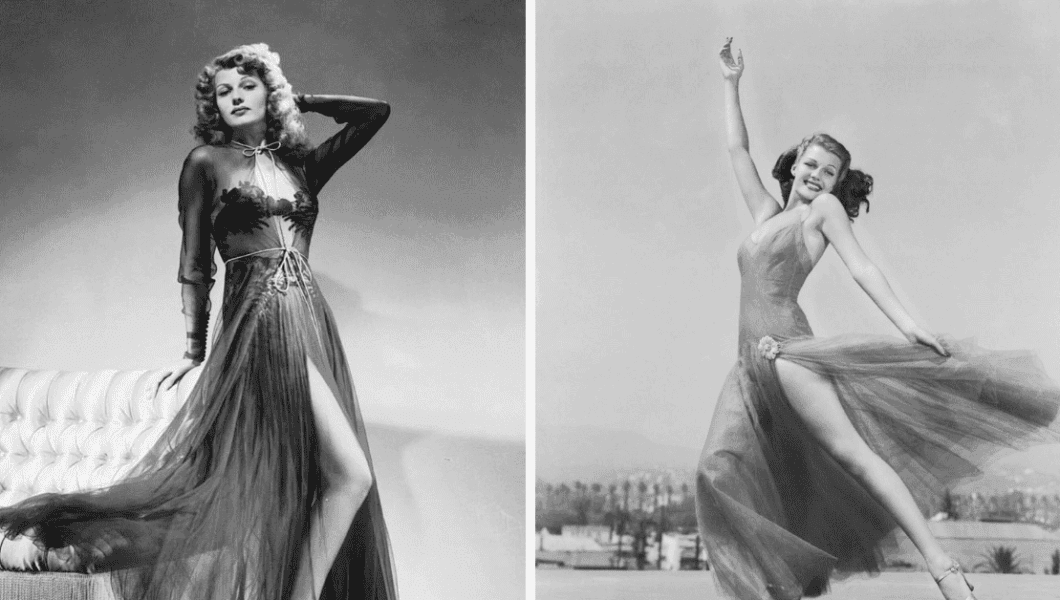
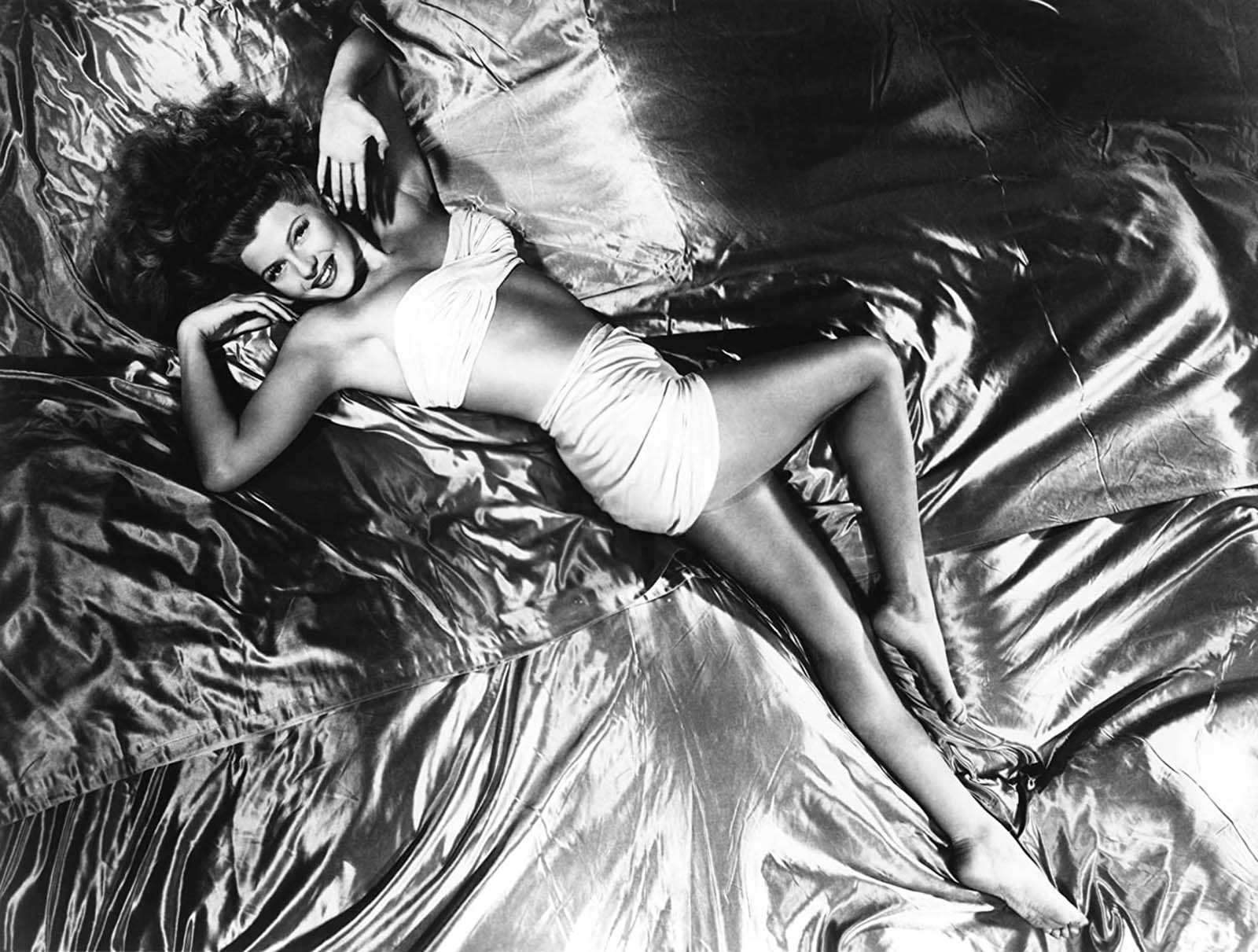
Rita Hayworth’s famous pin-up photograph became one of the most recognizable images of its era.
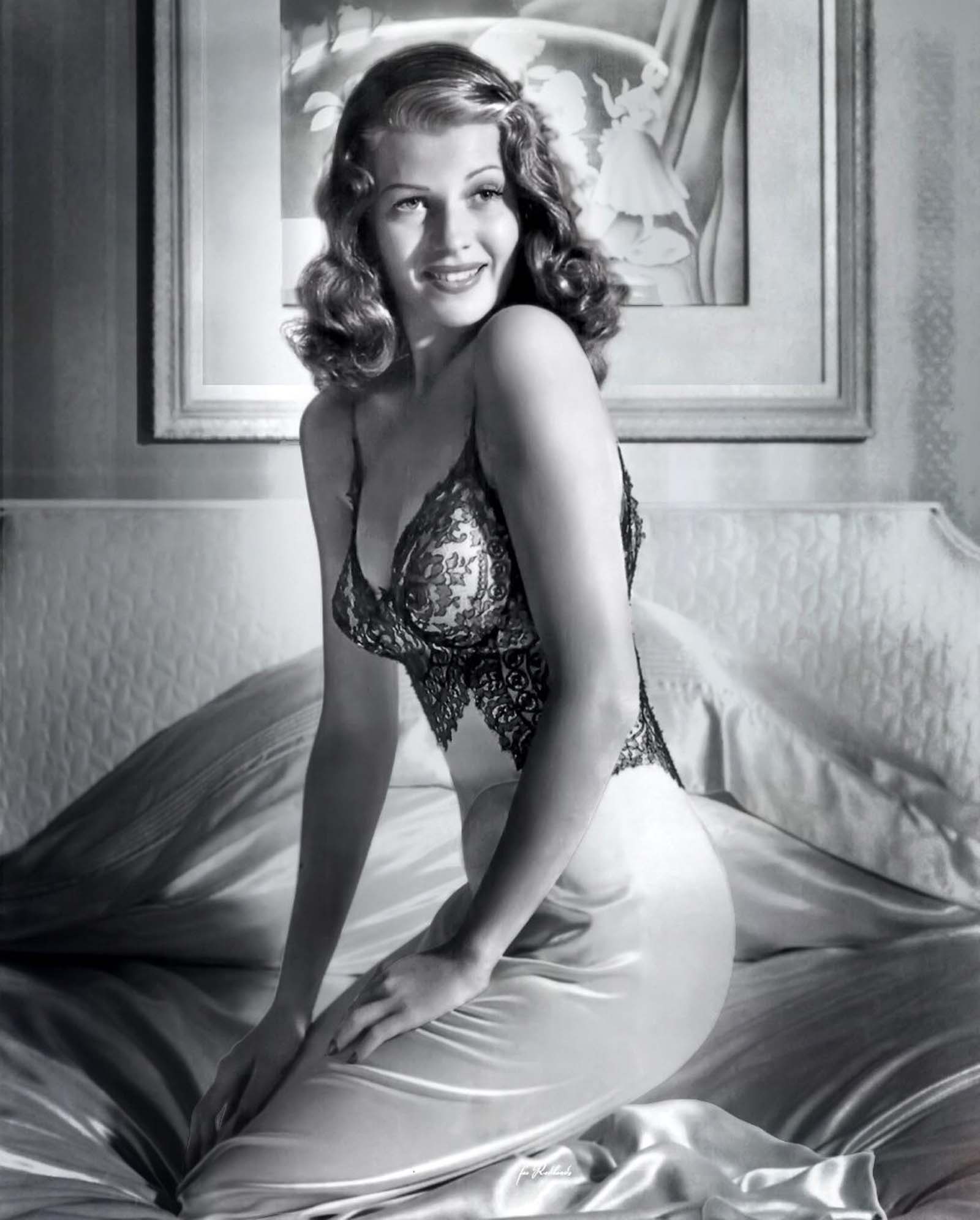
A few months before the attack on Pearl Harbor, LIFE magazine published a striking black-and-white image of the rising Hollywood star.
In the photograph, Hayworth appears kneeling on a satin-covered bed, wearing a white satin nightgown edged with delicate black lace along the neckline.
Photographer Bob Landry captured numerous shots that day, but the image he loved most happened by accident — his camera flash was unusually strong, creating a bold black silhouette reflected behind Hayworth in the final picture.

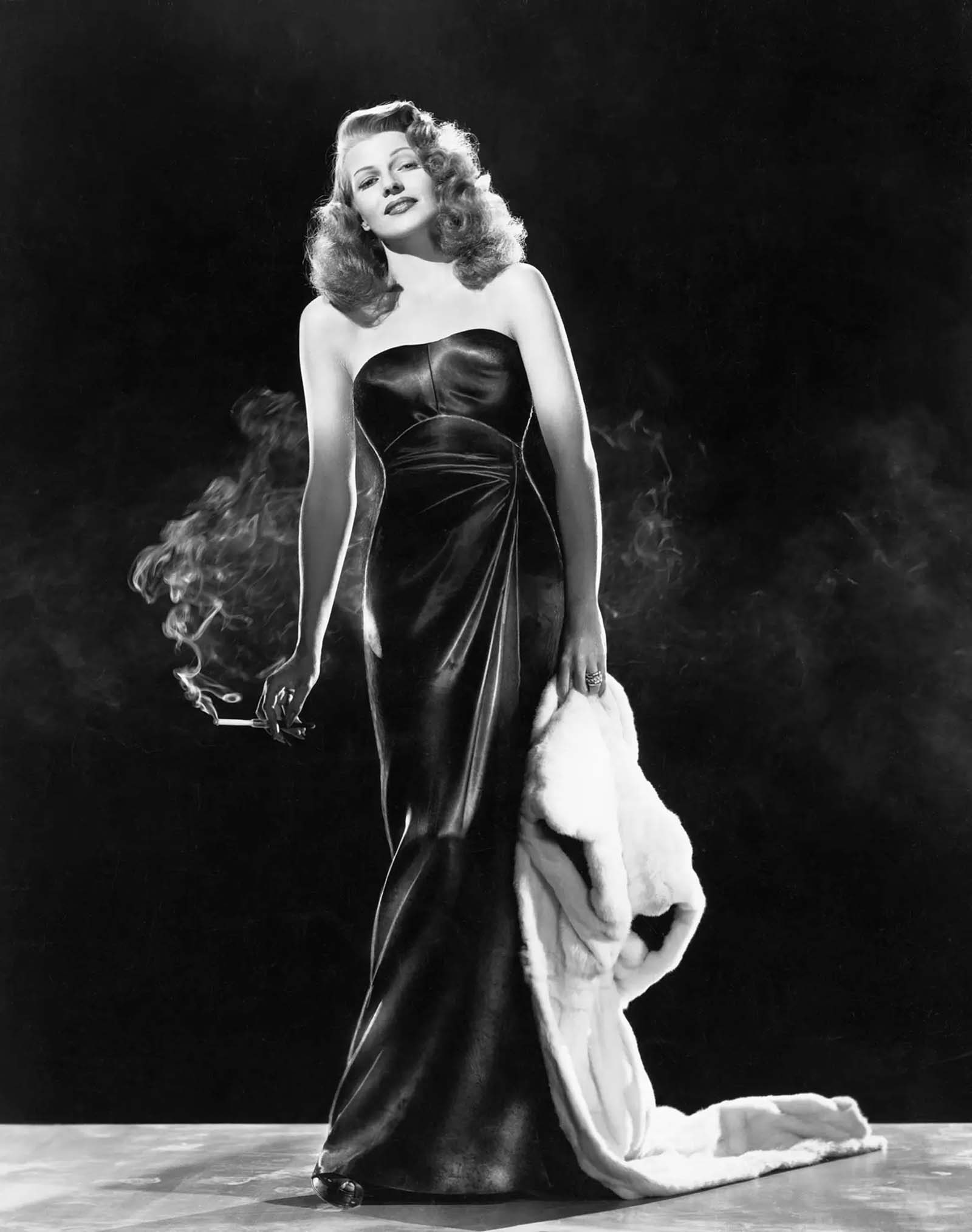
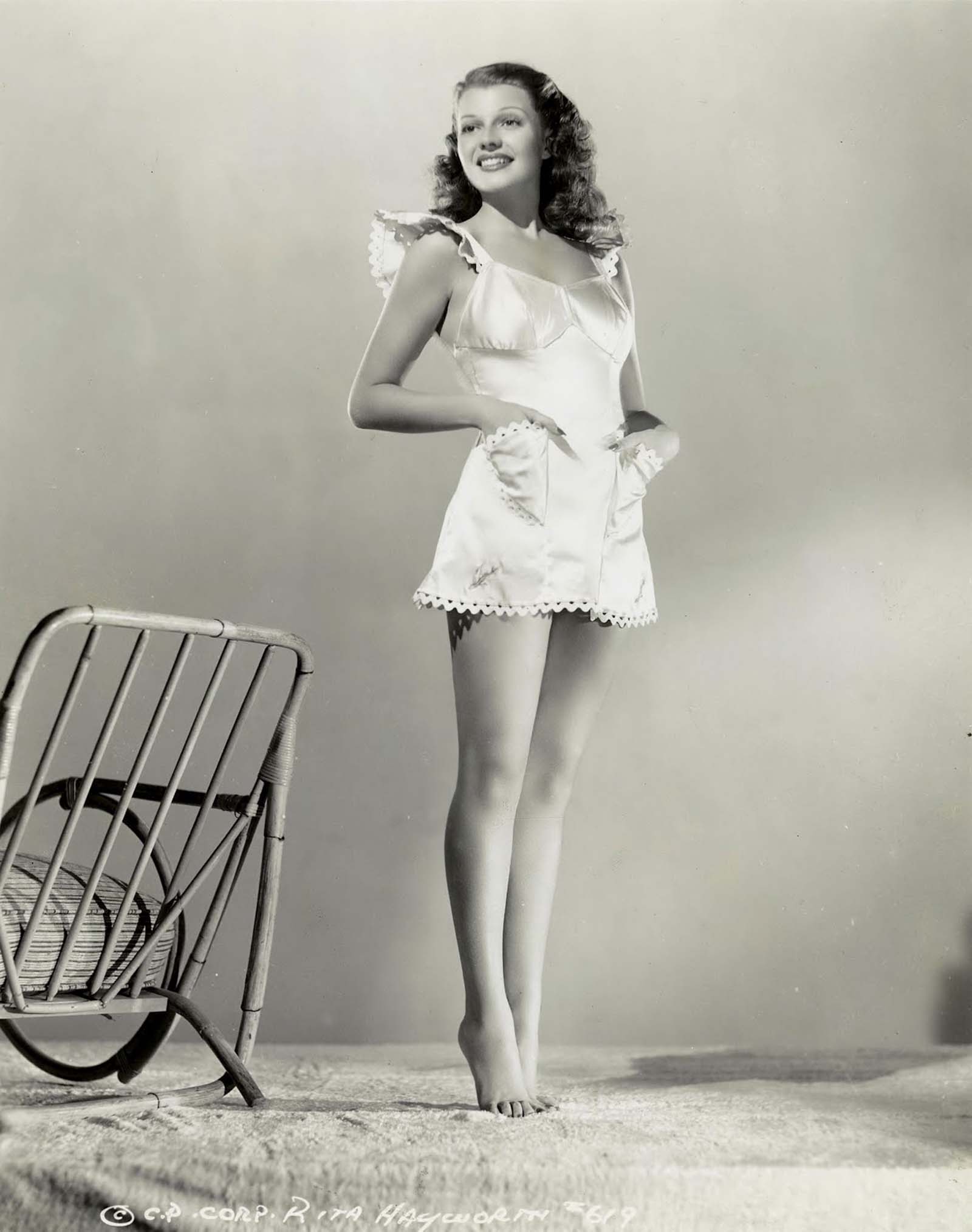
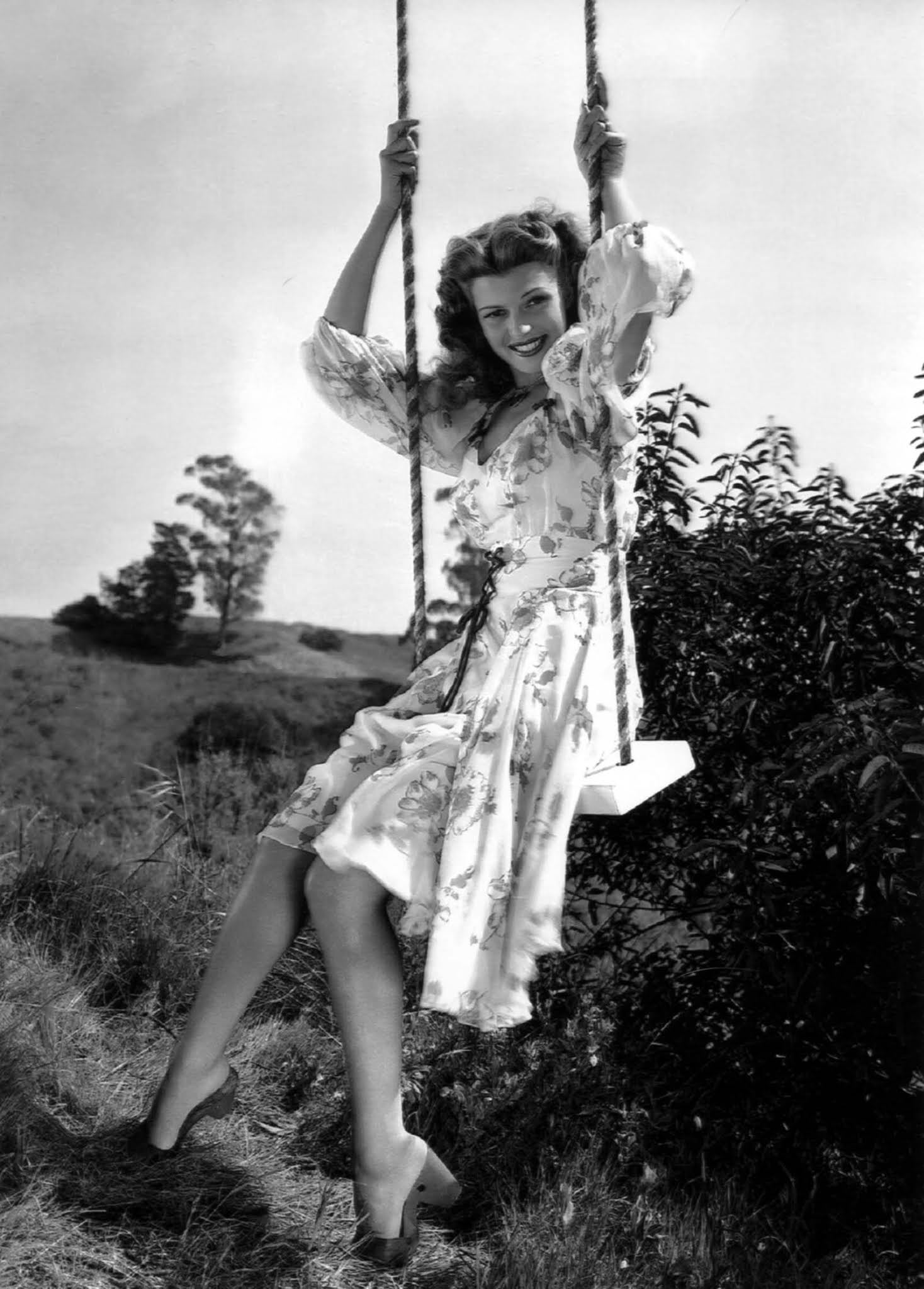
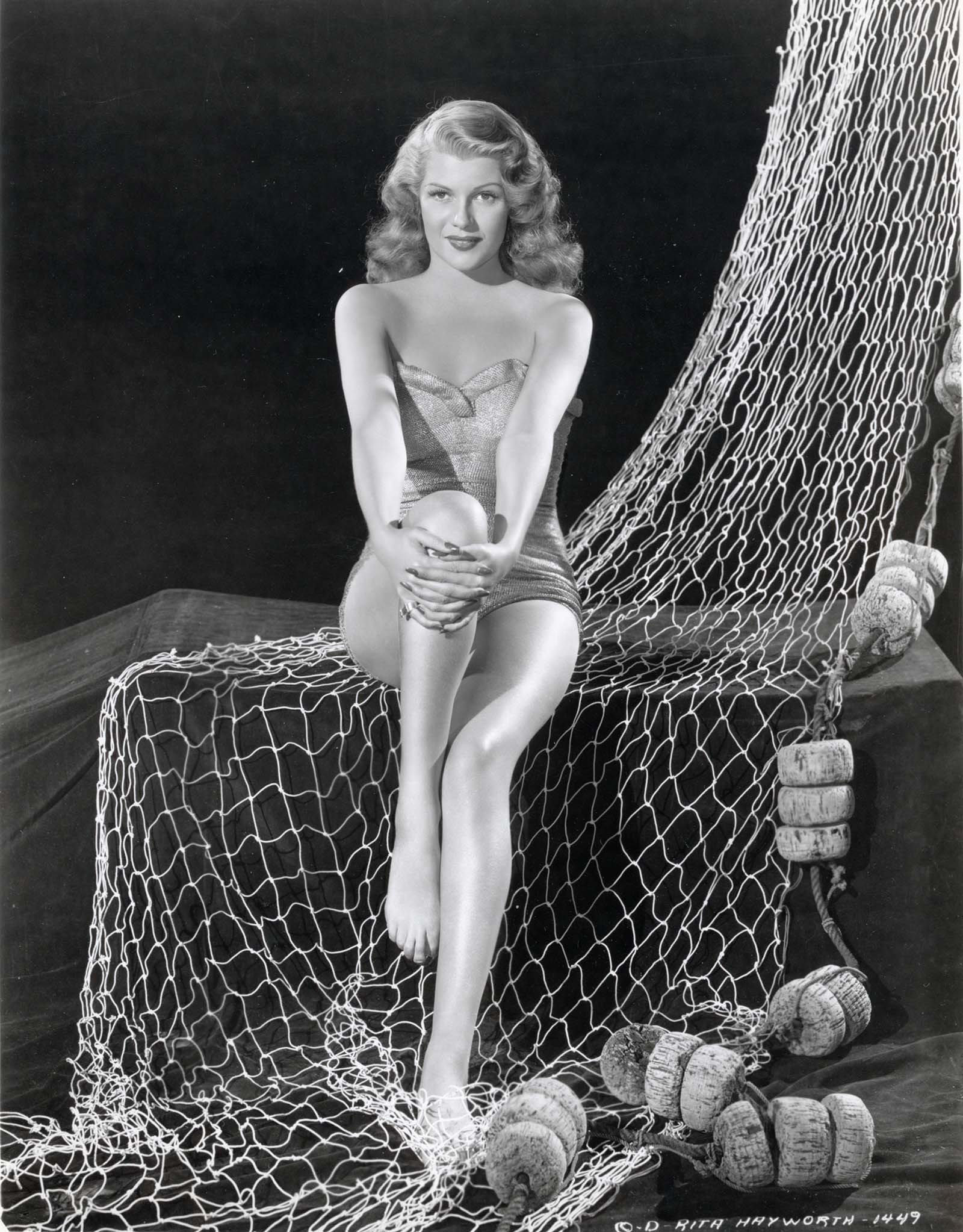
This was another image taken during the same photo session.
Although unintended, Landry felt the sharp silhouette gave the photograph greater depth and intrigue, so he chose to send this version to LIFE.
In his book Get the Picture: A Personal History of Photojournalism, John G. Morris later recalled how the shoot came together. According to him, a Columbia Pictures press agent named Magda Maskel proposed dressing Hayworth in a black lace nightgown that her own mother had made.
Maskel, Hollywood correspondent Richard Pollard, and photographer Bob Landry then met Hayworth at her apartment. She posed kneeling on a bed in the gown while Landry took multiple photographs.
As Landry continued shooting, Pollard suggested one final adjustment, telling Hayworth to take a deep breath — a simple direction that resulted in what everyone agreed was the most striking frame of the day.

Rita Hayworth appeared on the cover of LIFE magazine on August 11, 1941.
Just four months later, the United States entered World War II, and many American soldiers carried copies of her silk-and-lace photograph with them as a comforting reminder of home and normal life.
Over time, the image grew in fame and became one of the most widely reproduced and celebrated pin-up photographs in American history.
By the time World War II ended, over five million copies of this photograph had been sold. The U.S. Navy even dubbed Hayworth “The Red-Head We Would Most Like to Be Shipwrecked With.”
Only Betty Grable surpassed her in pinup popularity—Grable’s cheerful over-the-shoulder pose in a white swimsuit and high heels, showcasing her famously long legs, became the single best-selling pinup of the era.
The war years marked the peak of pinup culture. For the first time, the U.S. military informally supported the production and circulation of pinup images, calendars, and magazines as a way to boost morale and keep soldiers connected to life back home.
These classic WWII pinup posters decorated barracks walls, servicemen’s lockers, and even the fuselages of military aircraft, becoming an enduring symbol of the period.
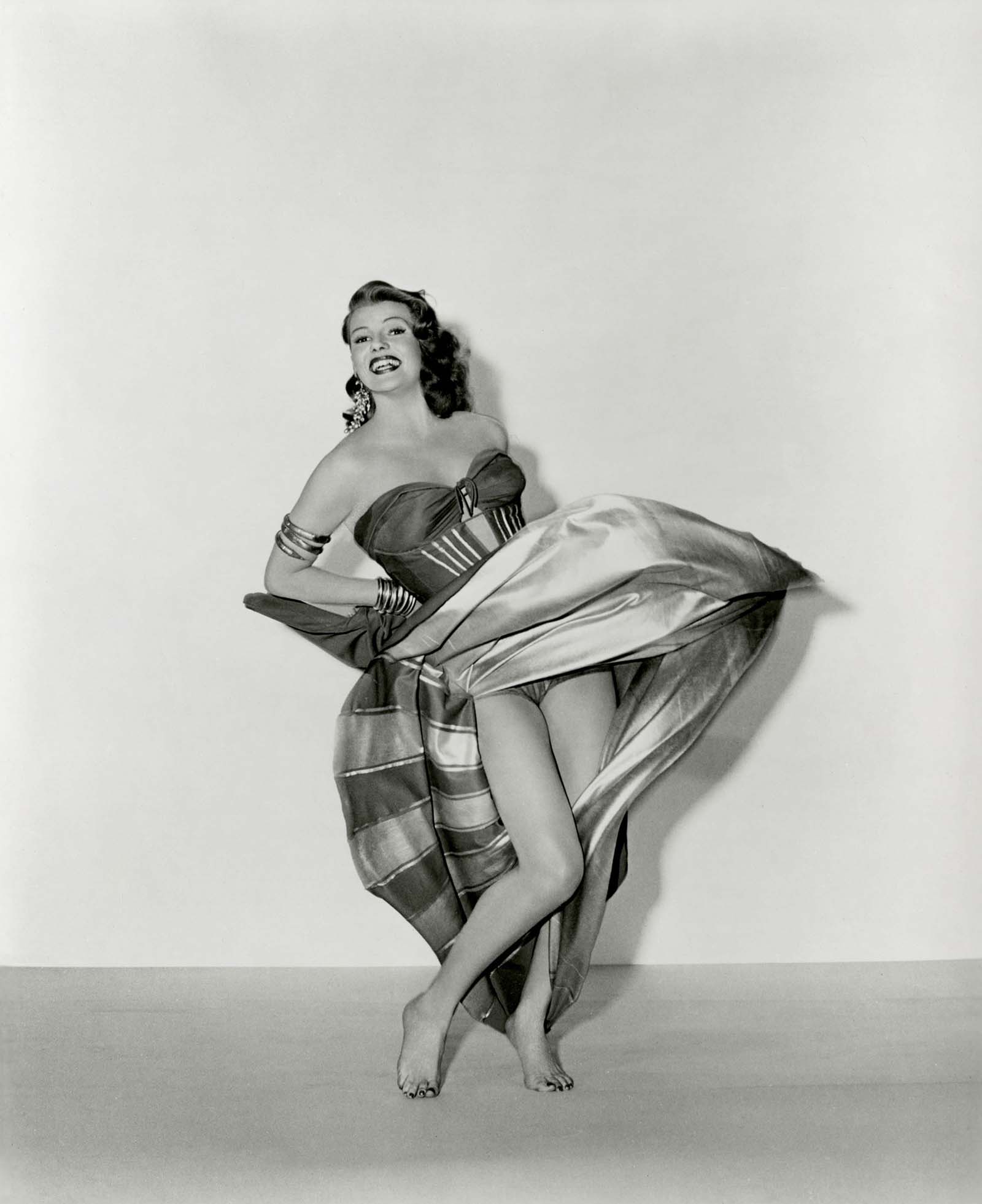
Rita Hayworth in Affair in Trinidad (1952).
Hayworth stood among the brightest stars of Hollywood’s Golden Age, with her most celebrated film role coming in Gilda. Contemporary posters proudly proclaimed, “There NEVER was a woman like Gilda!” reflecting her magnetic screen presence.
Interestingly, the famous silk-and-lace LIFE magazine photograph from 1941 was captured while she was on set filming You’ll Never Get Rich.
Yet Hayworth’s contribution to the wartime effort went far beyond her status as a pinup. During World War II, she actively volunteered with the Naval Aid Auxiliary—an organization that supported both the U.S. Navy and Marine Corps by providing essential assistance and services.
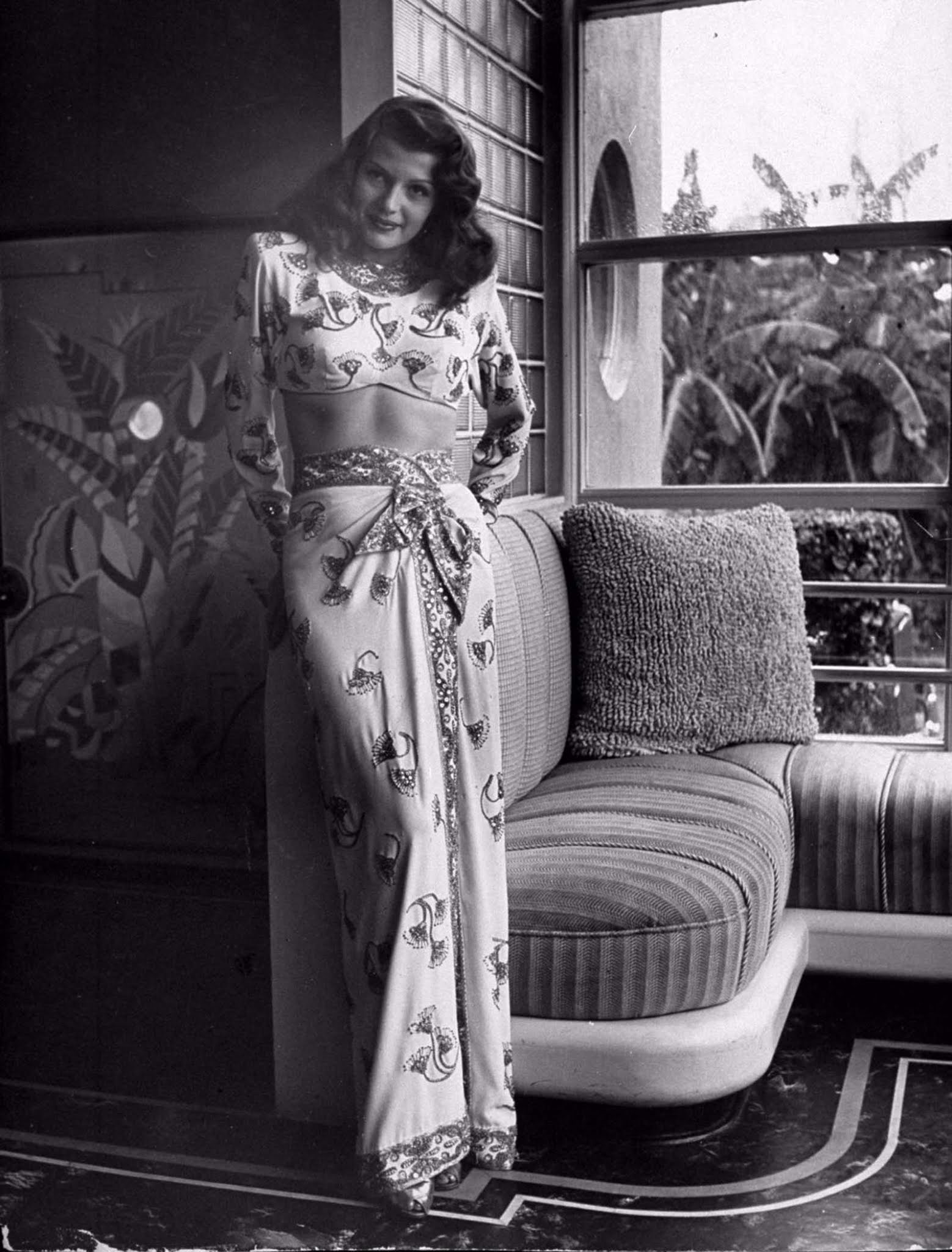
Rita Hayworth, 1945.
As most stars in Hollywood, Rita was a regular at the Hollywood Canteen, where she served food and danced with the servicemen.
She also visited over three hundred cities as part of seven war bond tours, as well as touring camps and military hospitals.
Rita was horrified in 1946 to find out that her famous pinup picture had been plastered on the bomb tested on the Bikini Atoll.
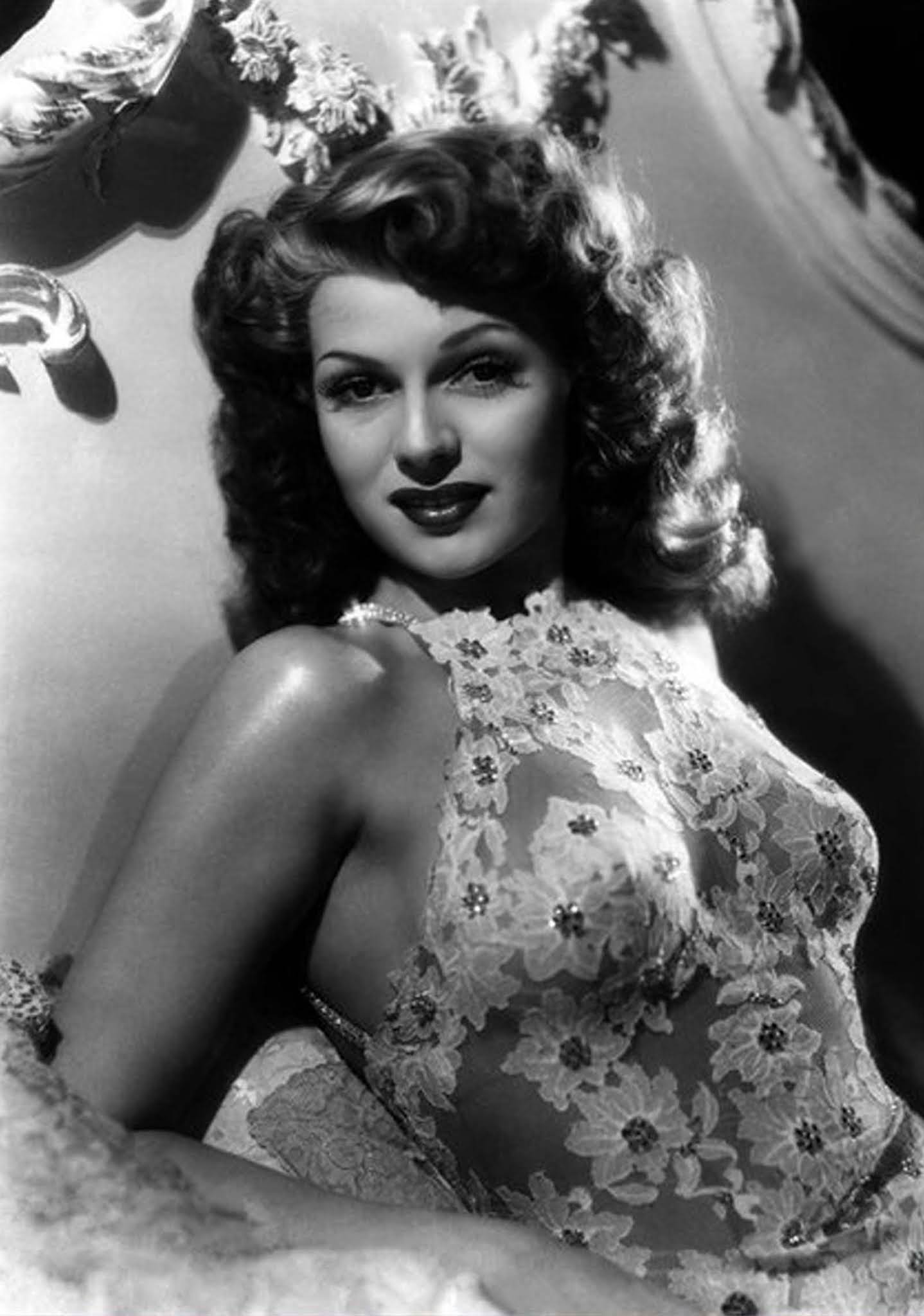
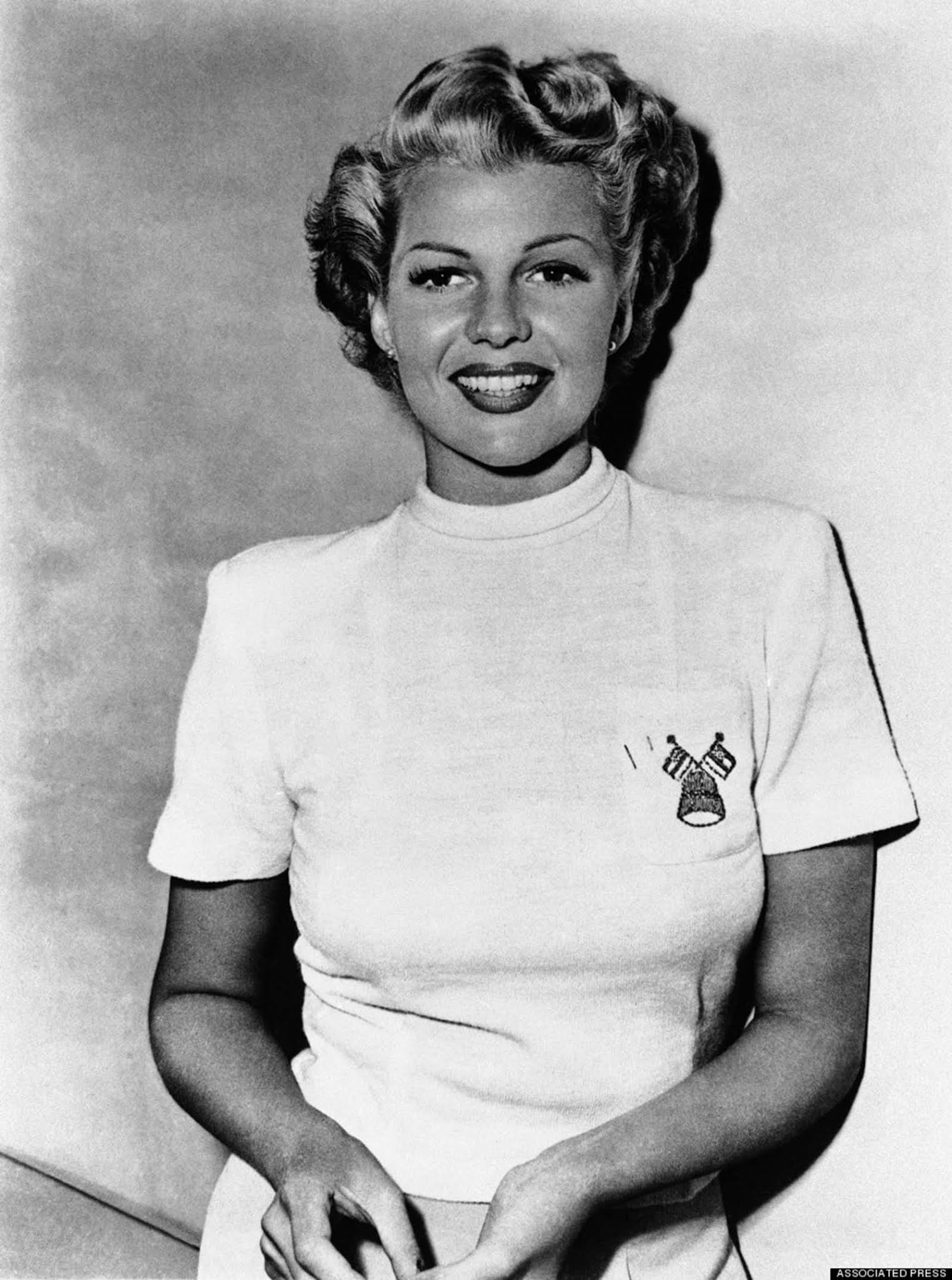
Rita Hayworth in 1945.
Like many major Hollywood stars of the era, Hayworth regularly volunteered at the Hollywood Canteen, where she spent hours greeting servicemen, serving meals, and dancing with them to lift their spirits.
She also played an active role in the war effort by traveling to more than three hundred cities across the country on seven separate war bond tours, in addition to visiting military camps and hospitals.
In 1946, she was shocked and distressed to discover that her famous pinup image had been painted onto a nuclear bomb tested at Bikini Atoll.
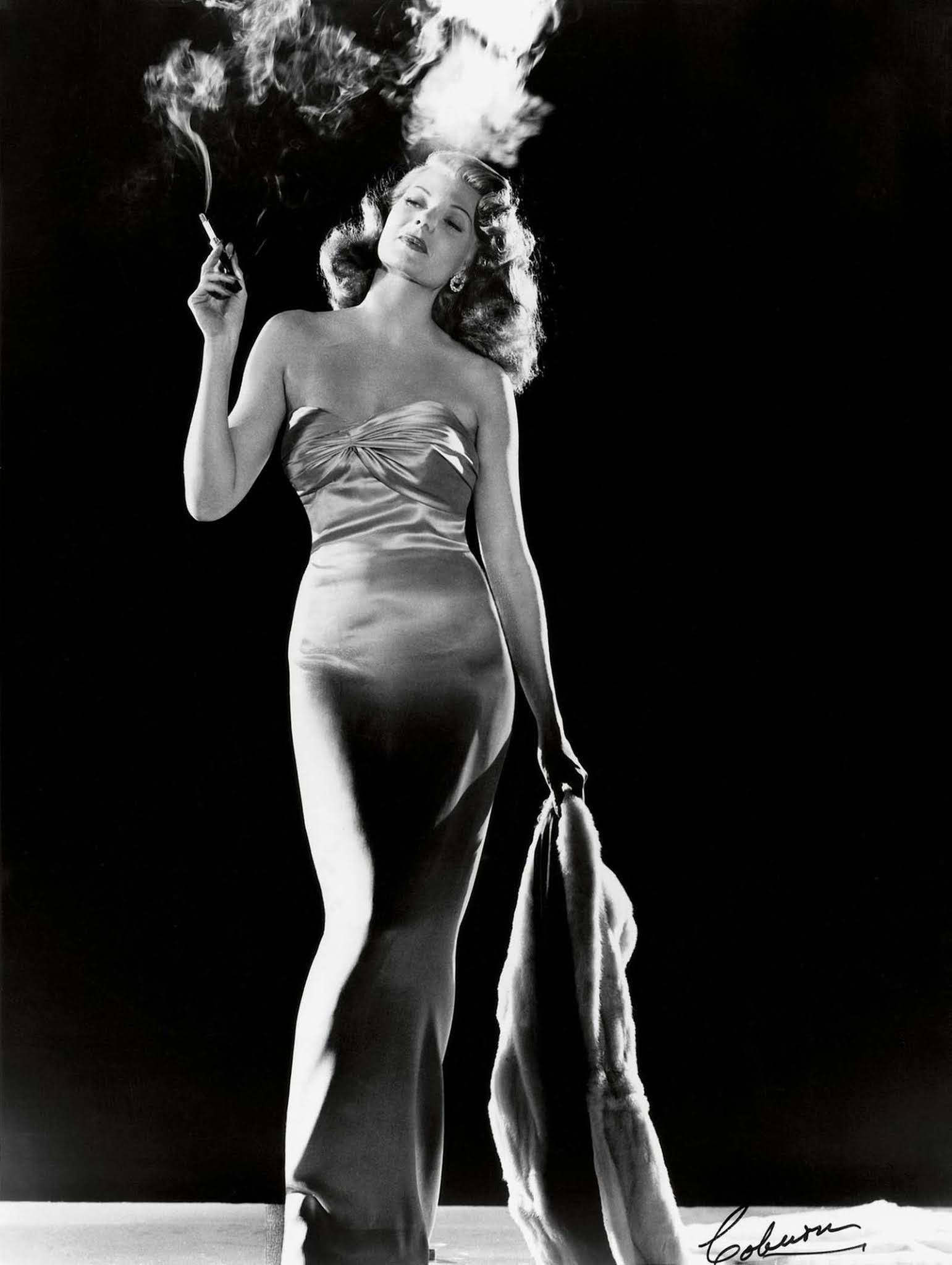
Rita Hayworth by Coburn.
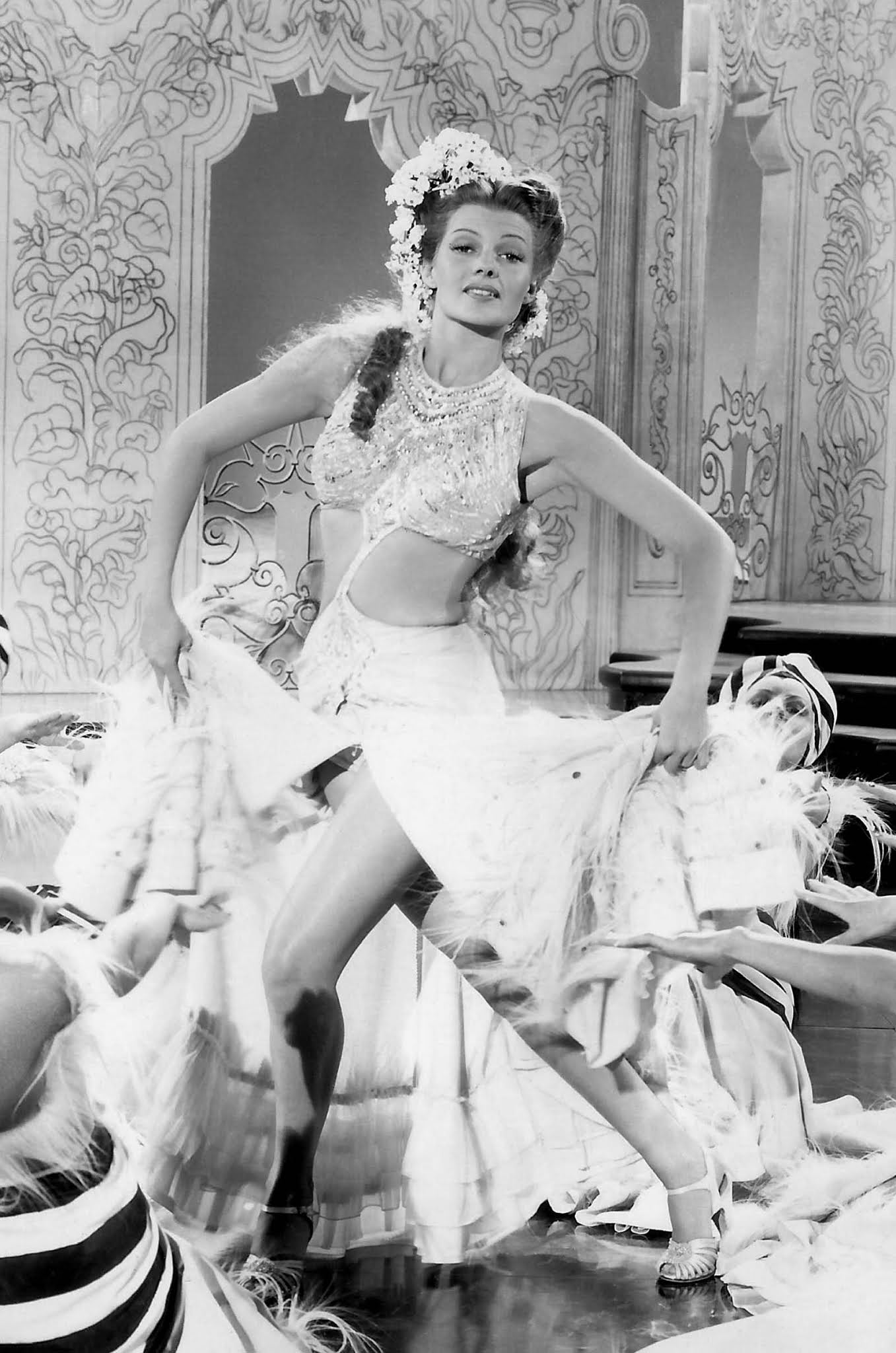
Rita Hayworth’s Cut Out Gown in Tonight & Every Night, 1945.
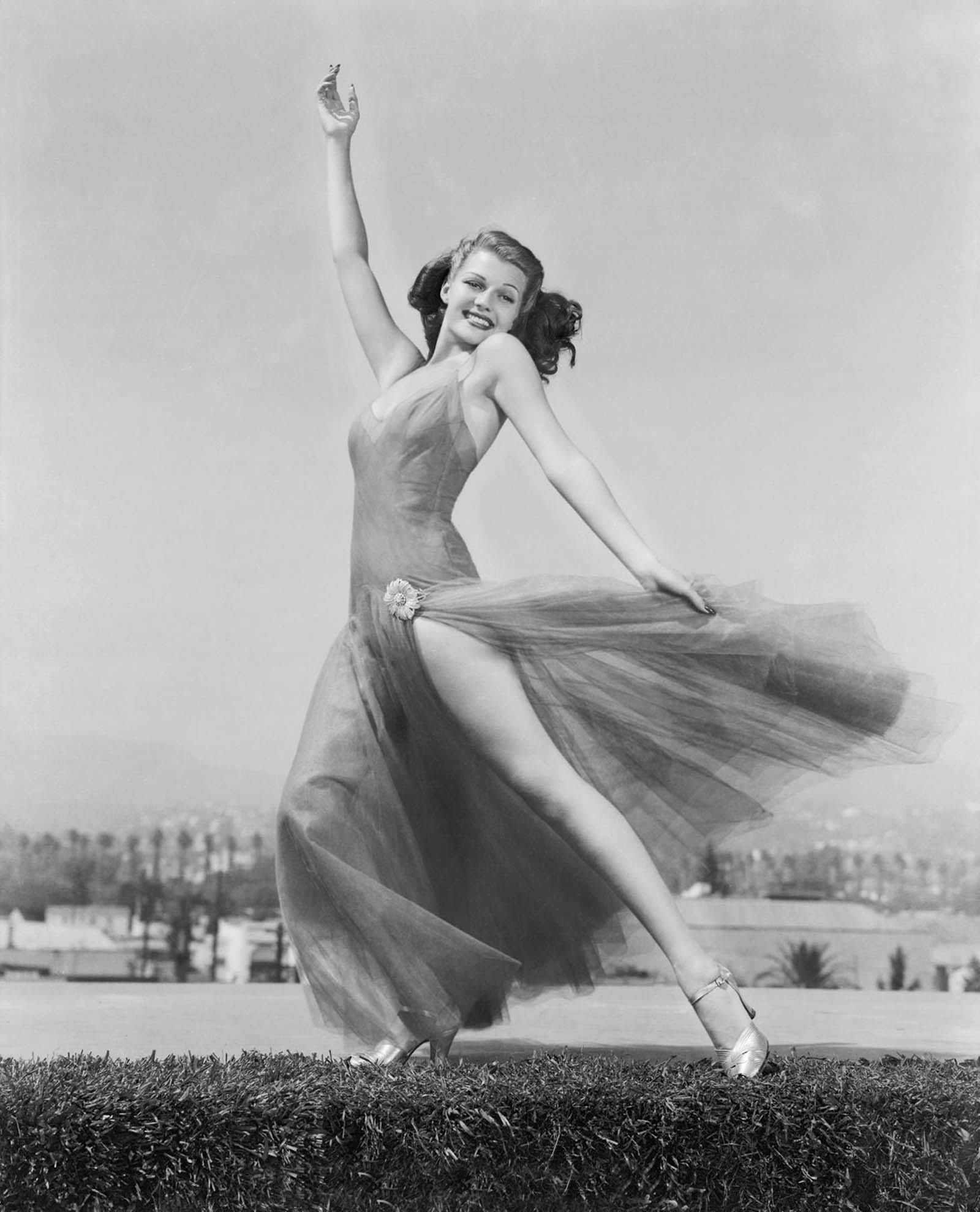
Rita Hayworth in You’ll Never Get Rich.
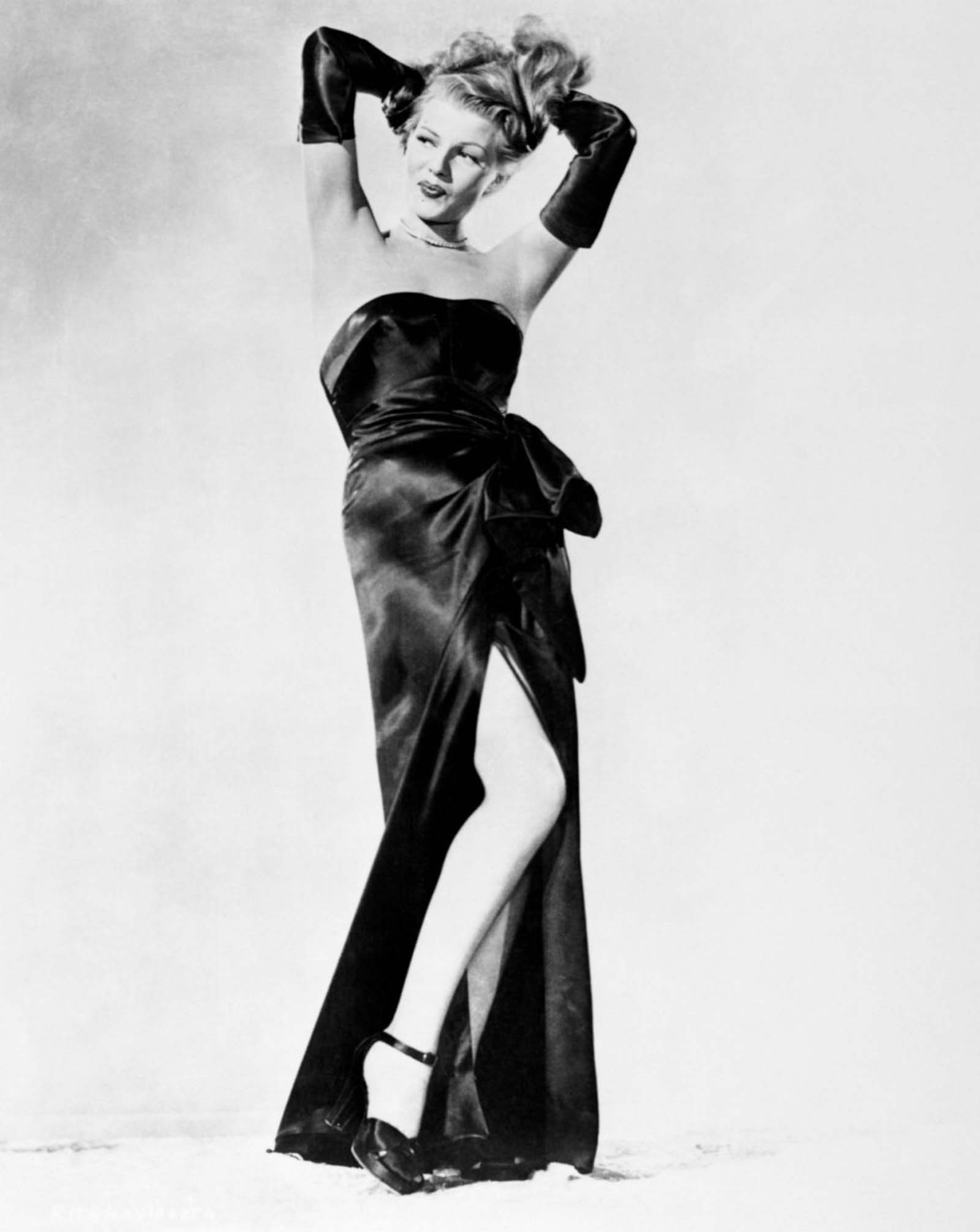
Rita Hayworth as Gilda. Photographed by Robert Coburn.
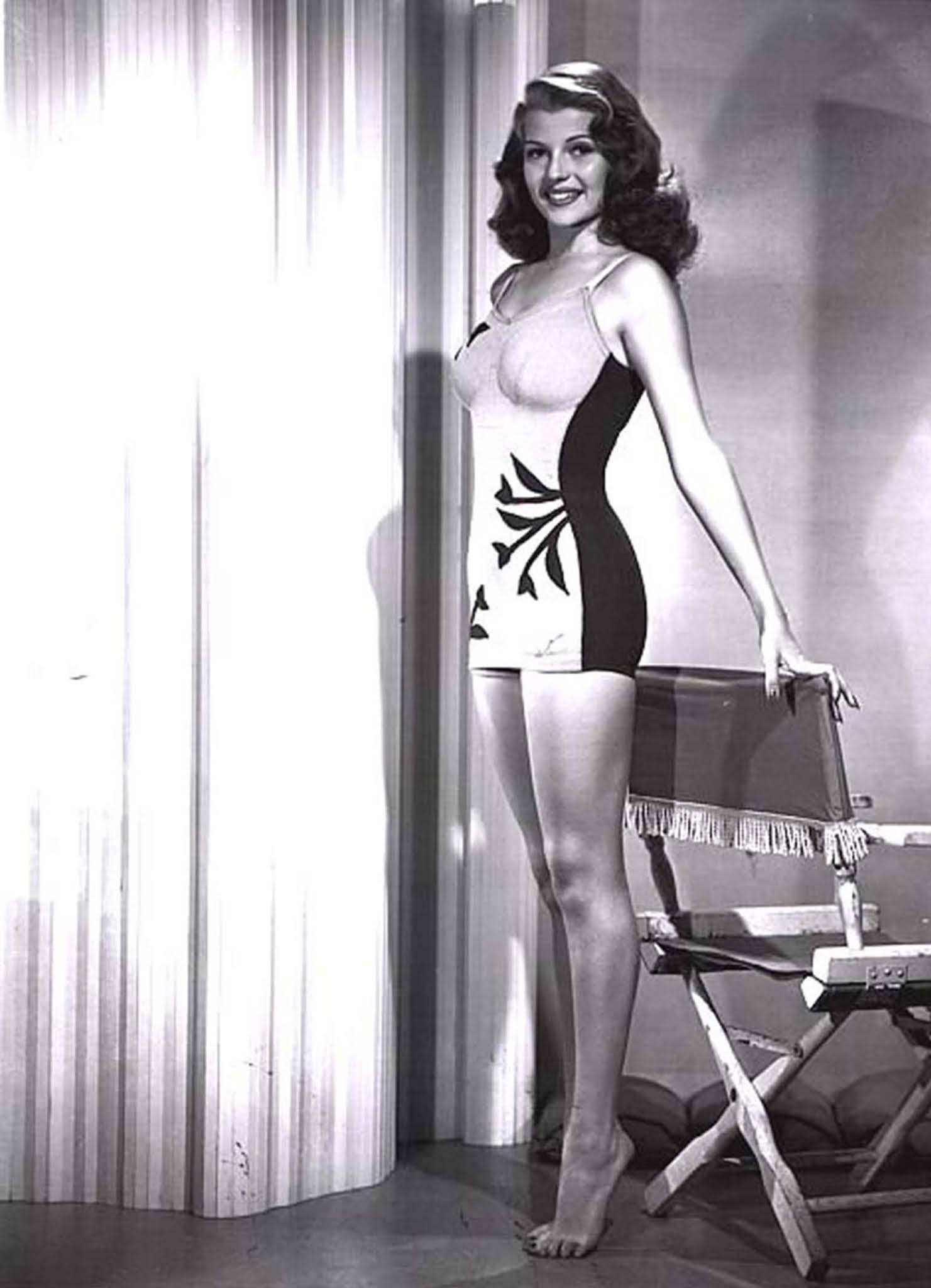
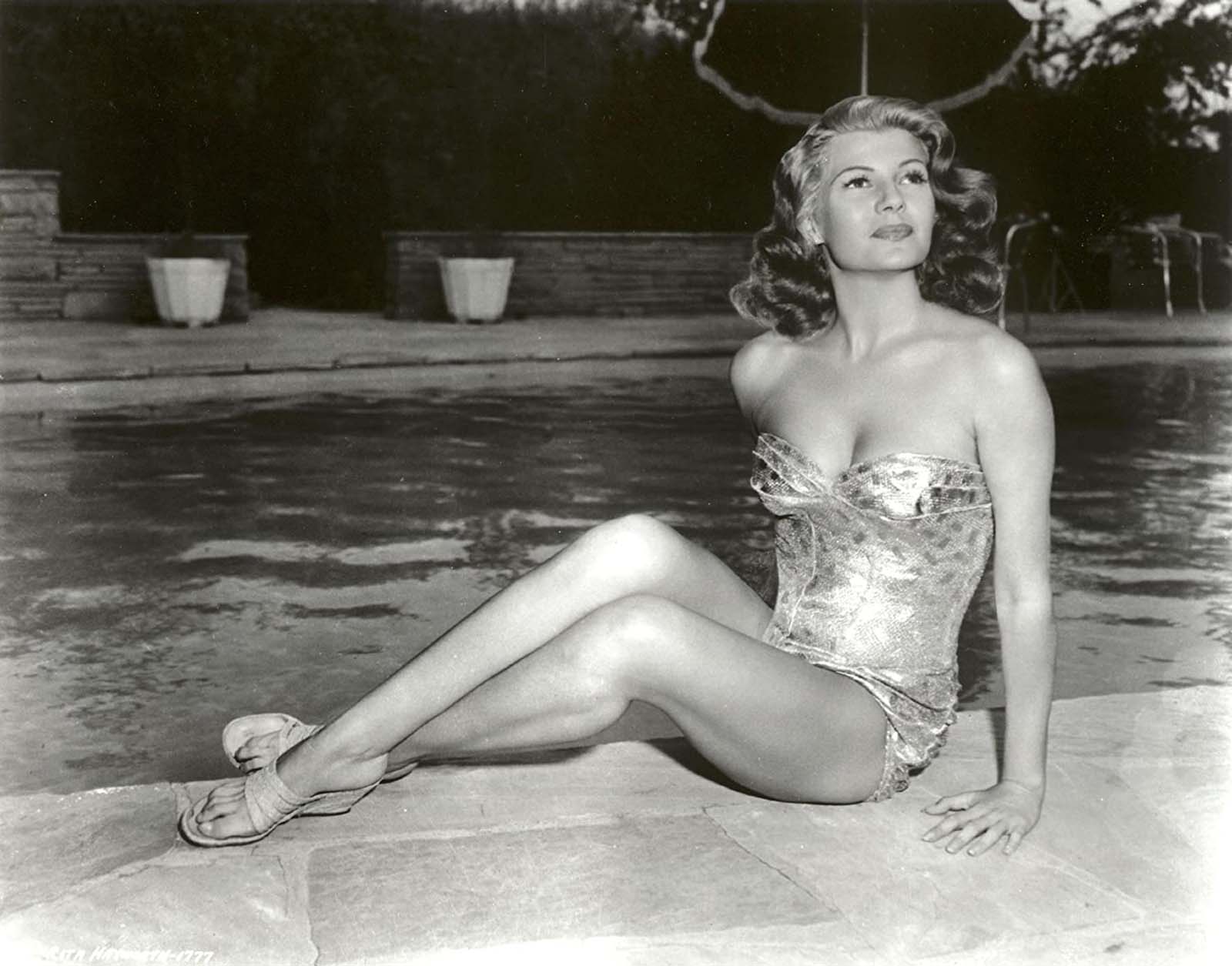
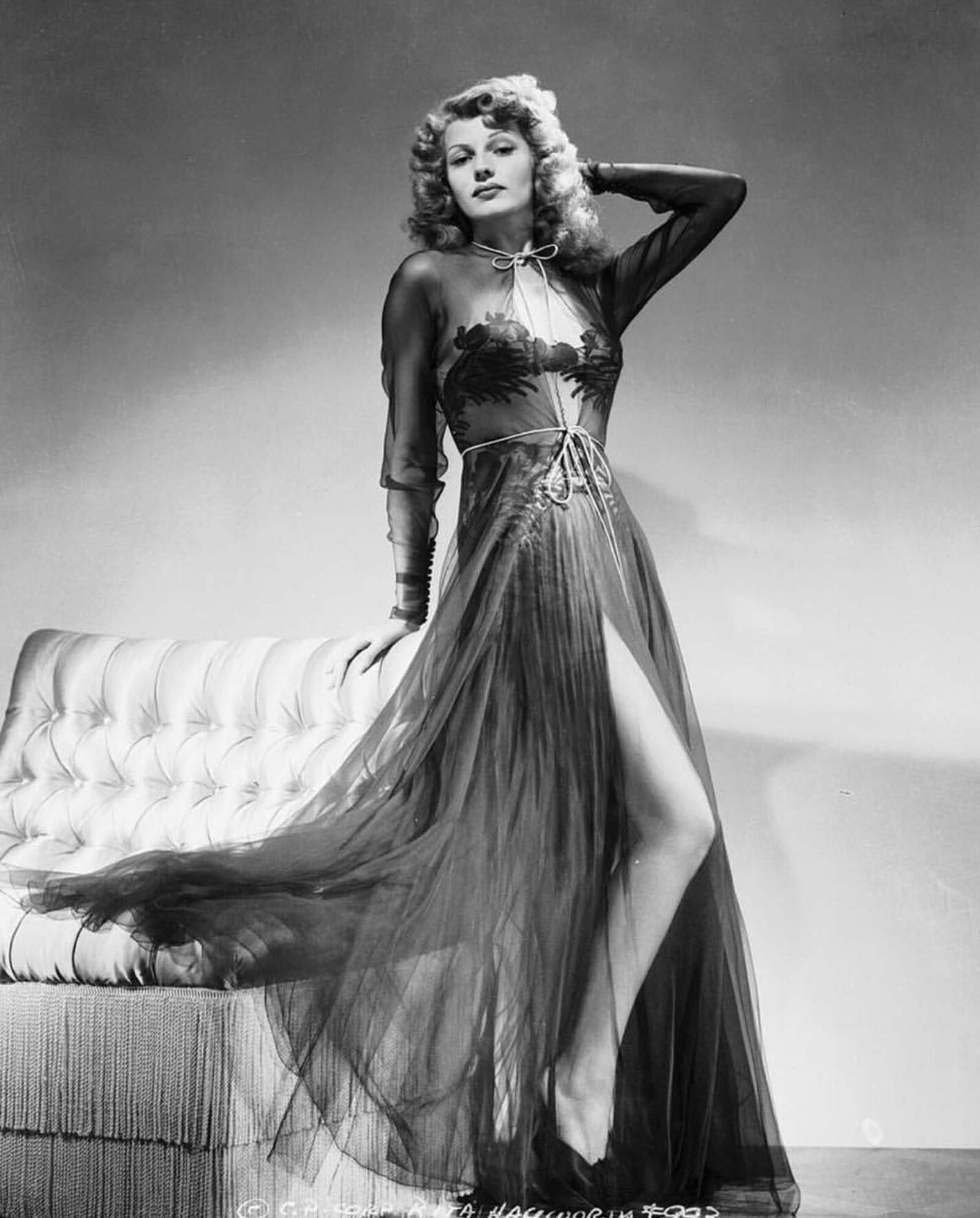
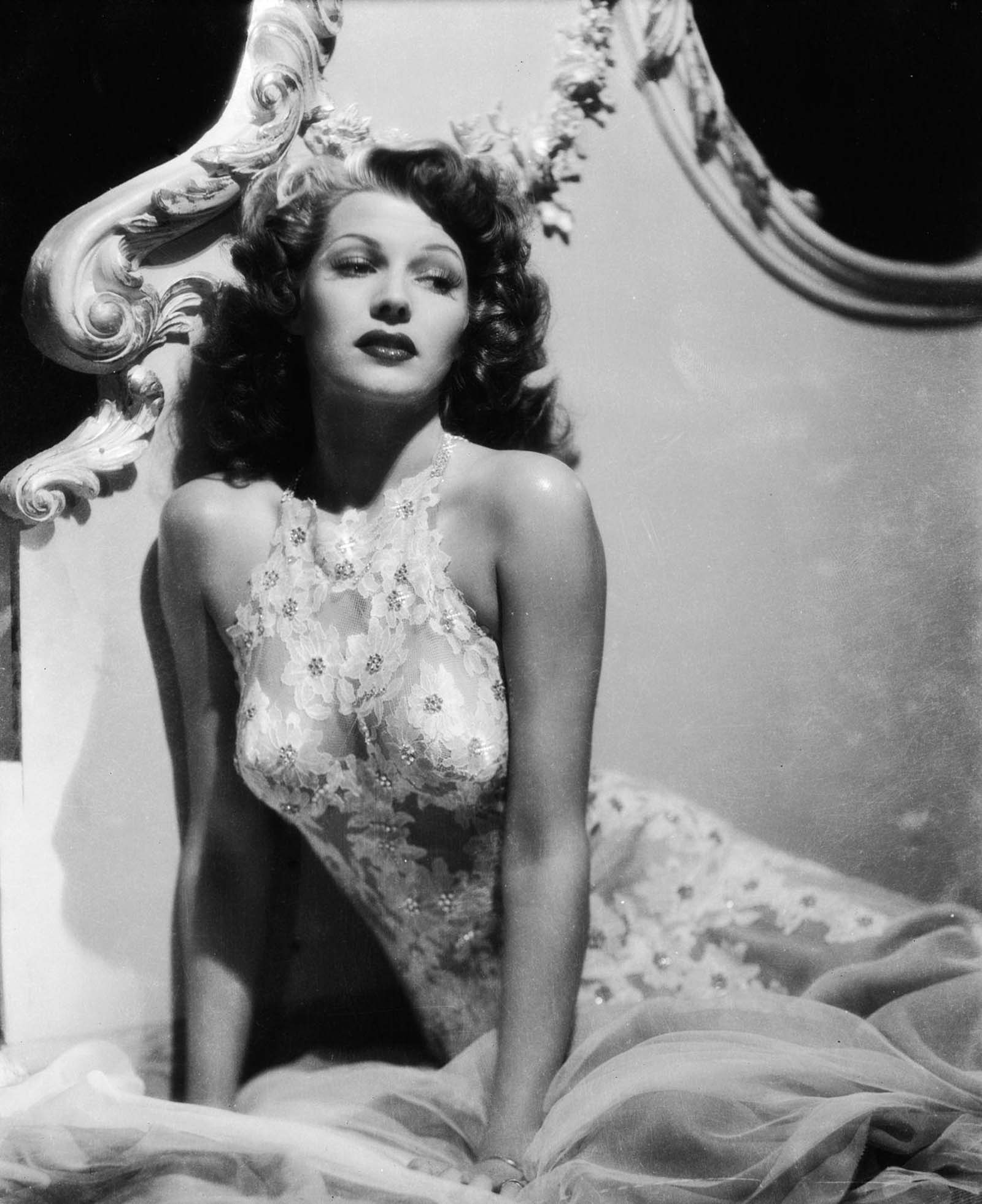
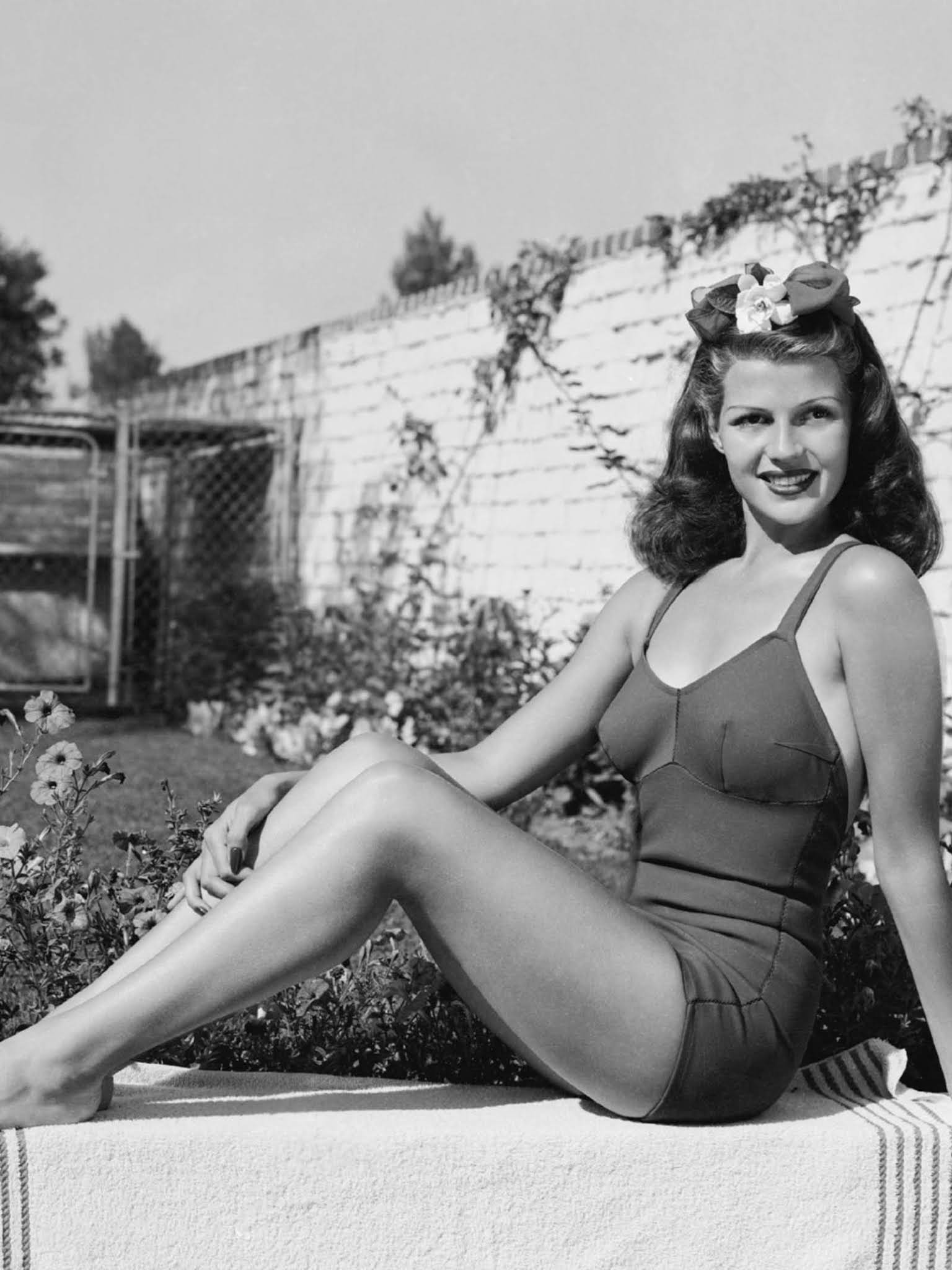
(Photo credit: The LIFE Picture Collection / AP / Allstar / Coburn / Getty Images).

No Comments