

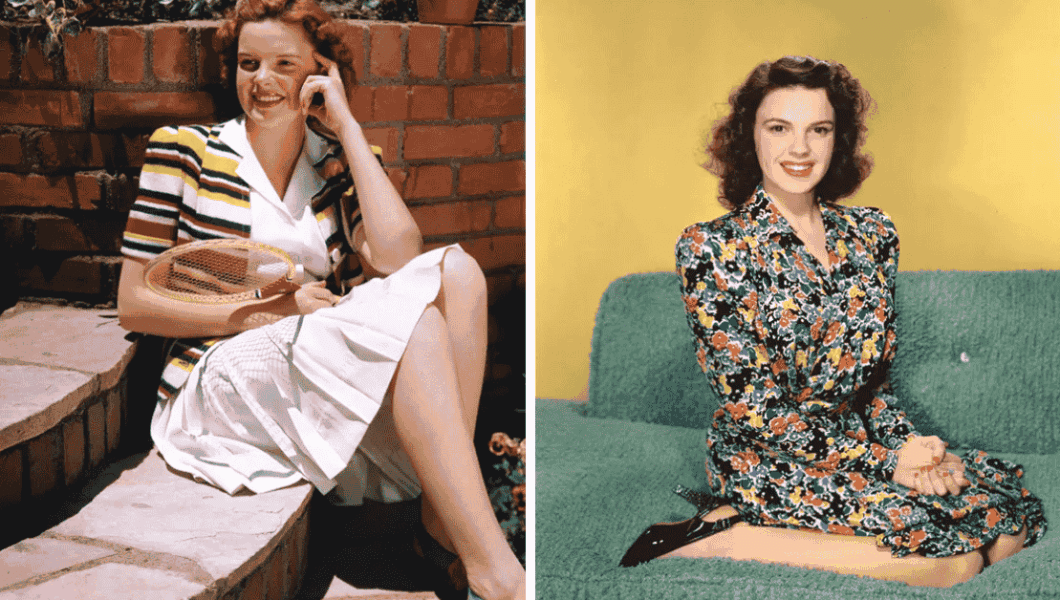
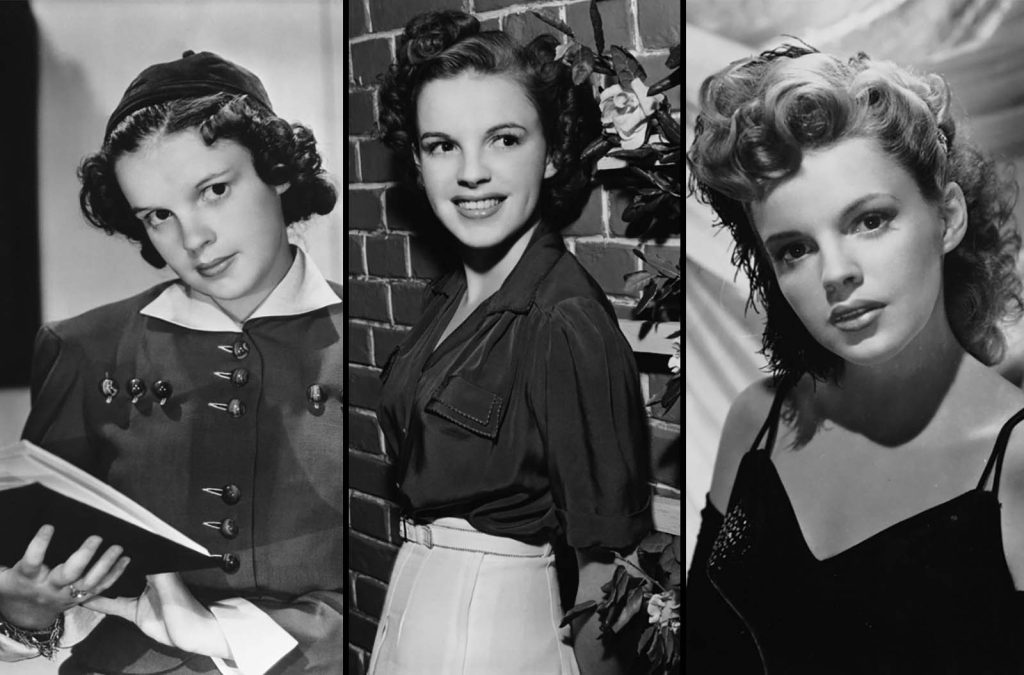
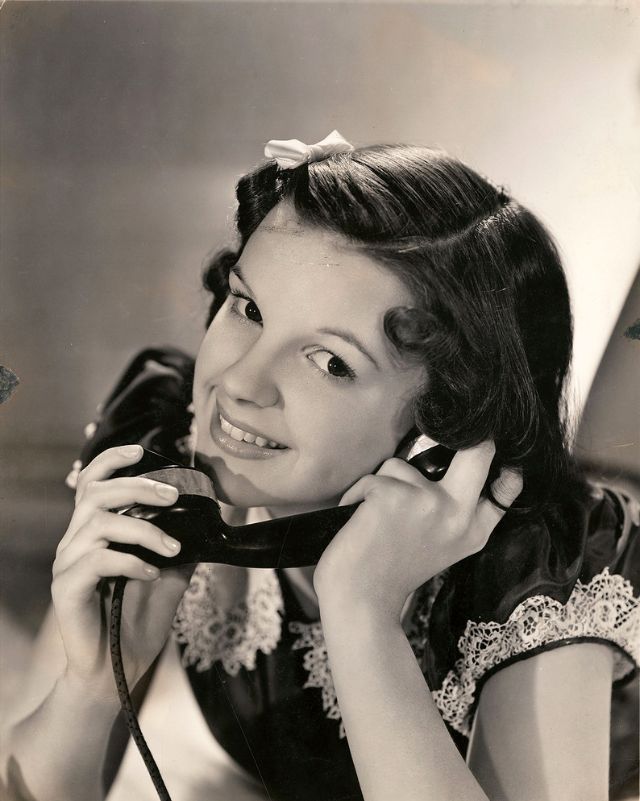
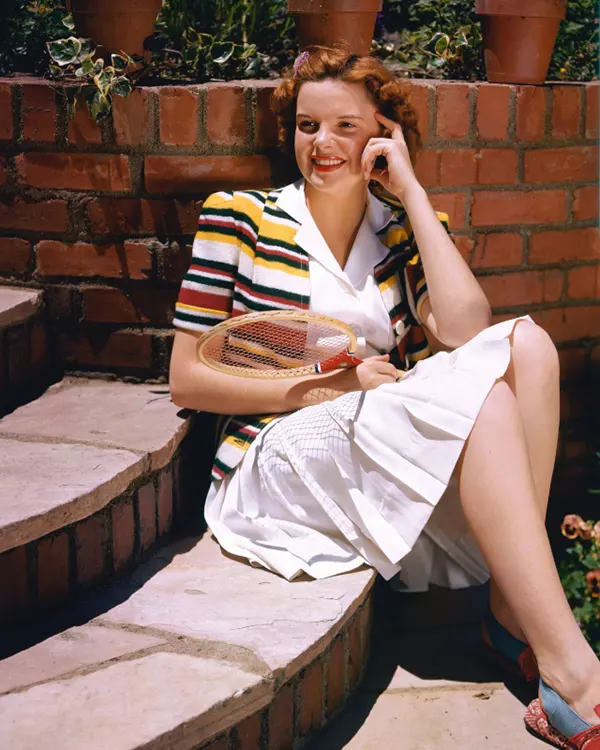
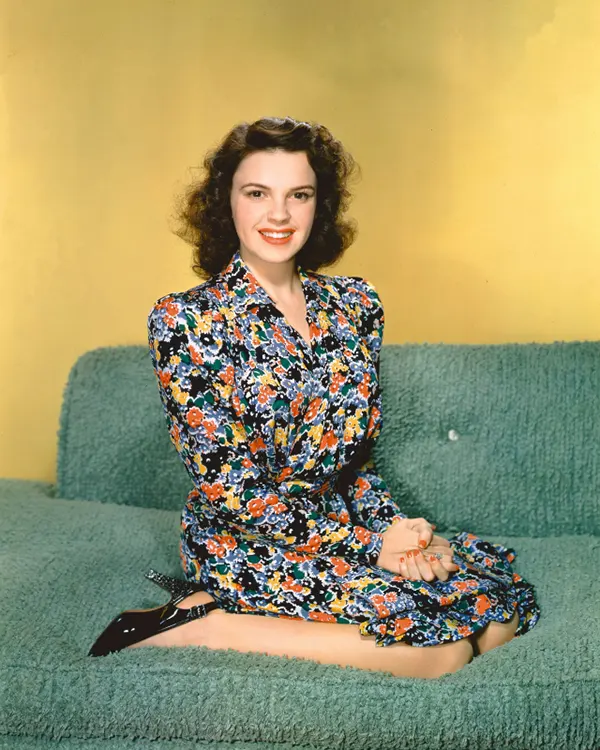
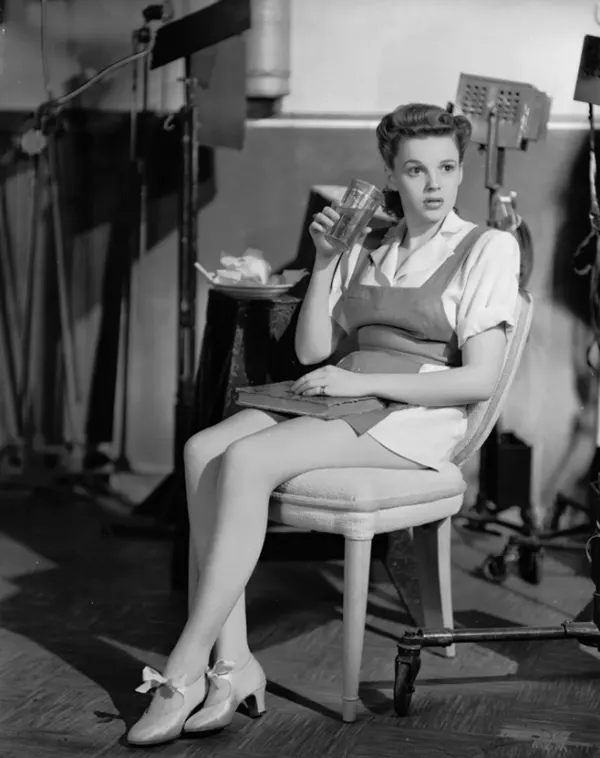
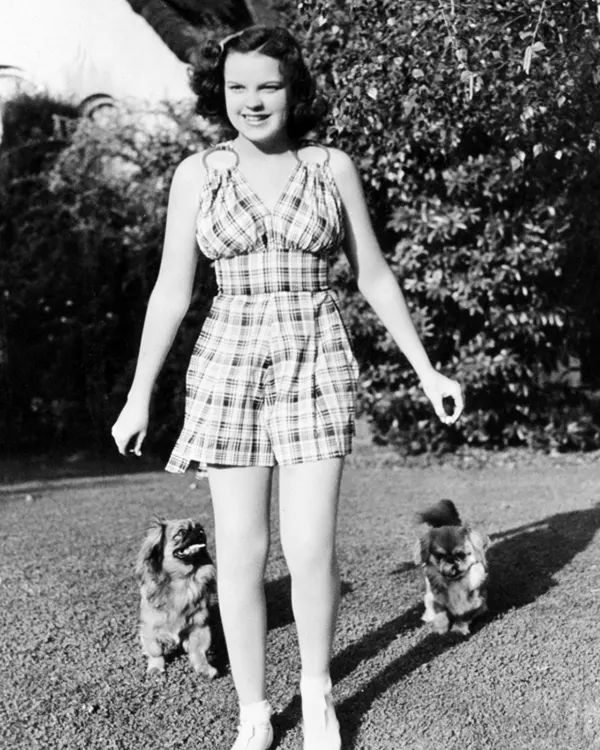
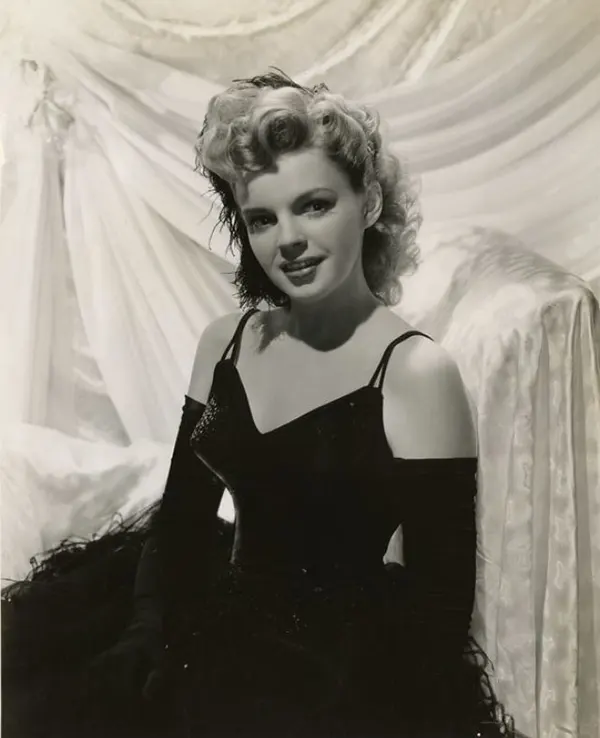
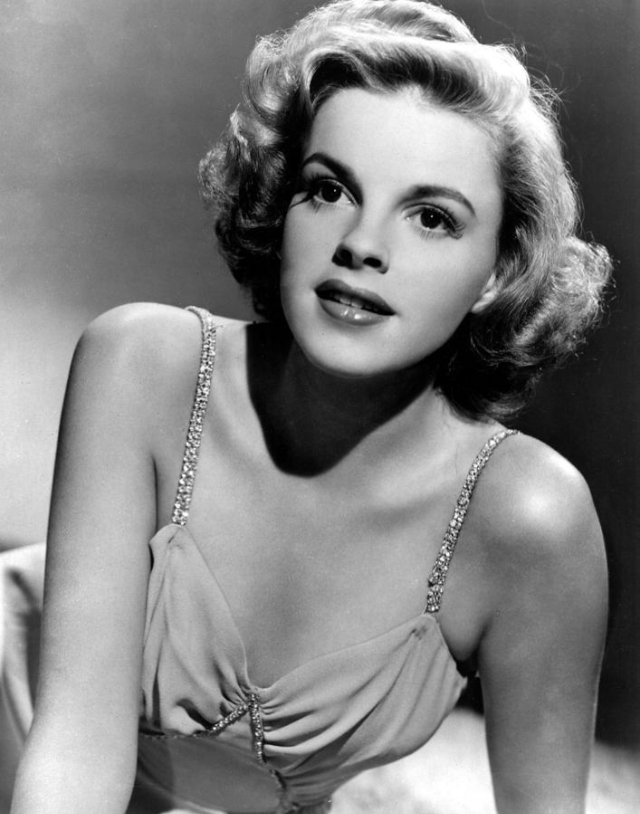
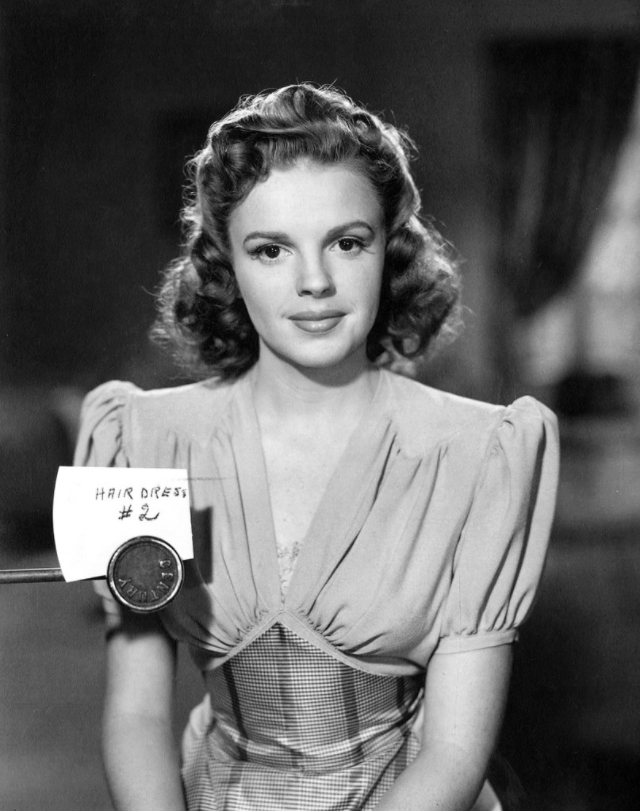
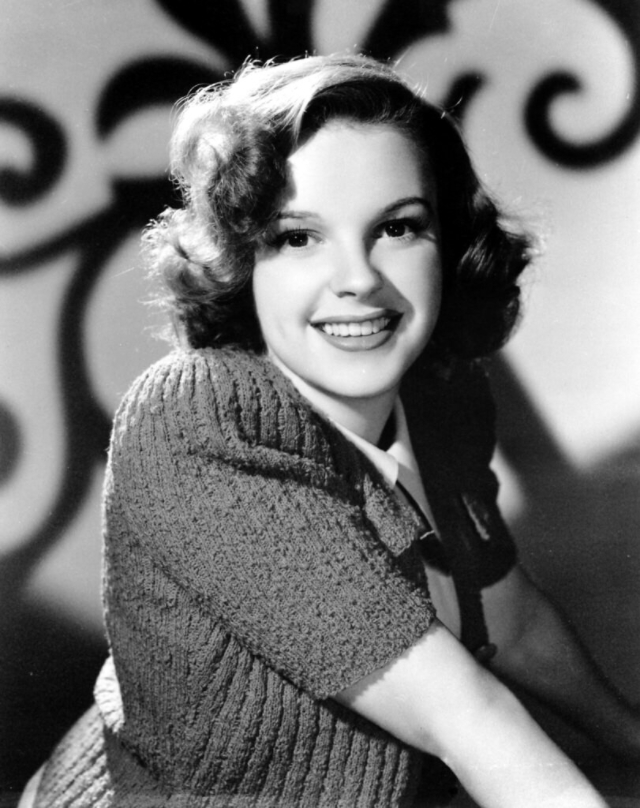
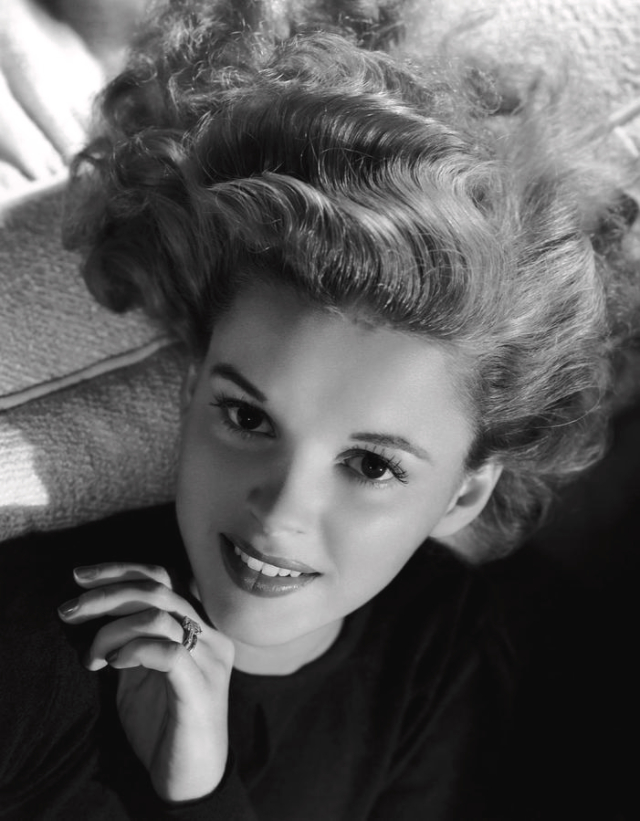
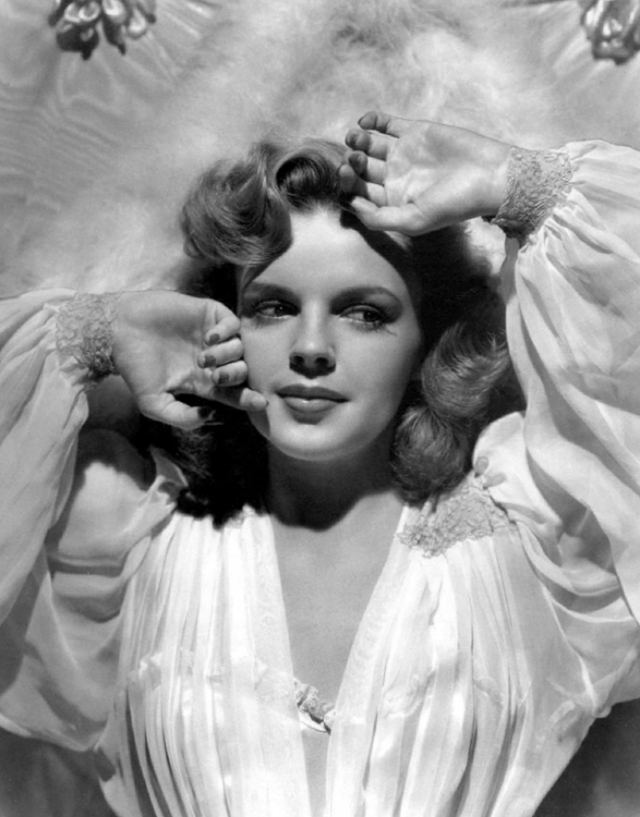
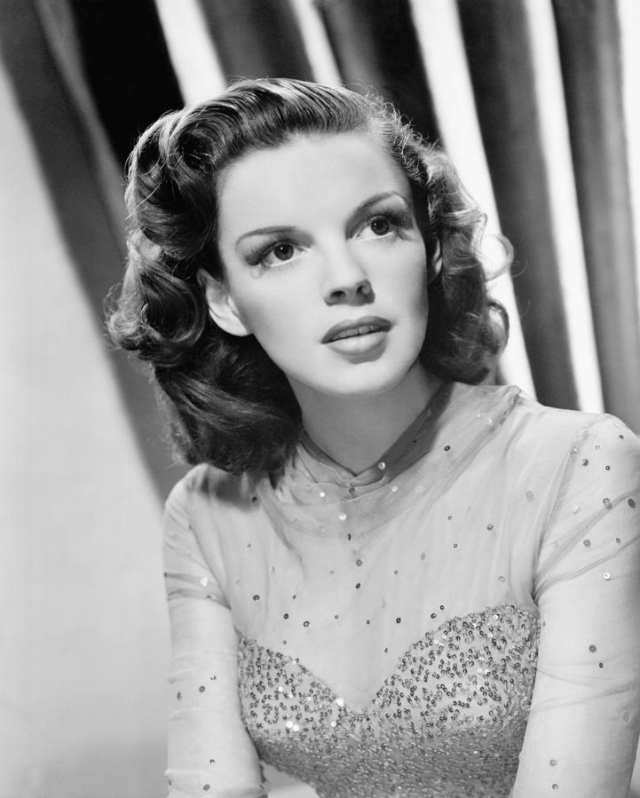
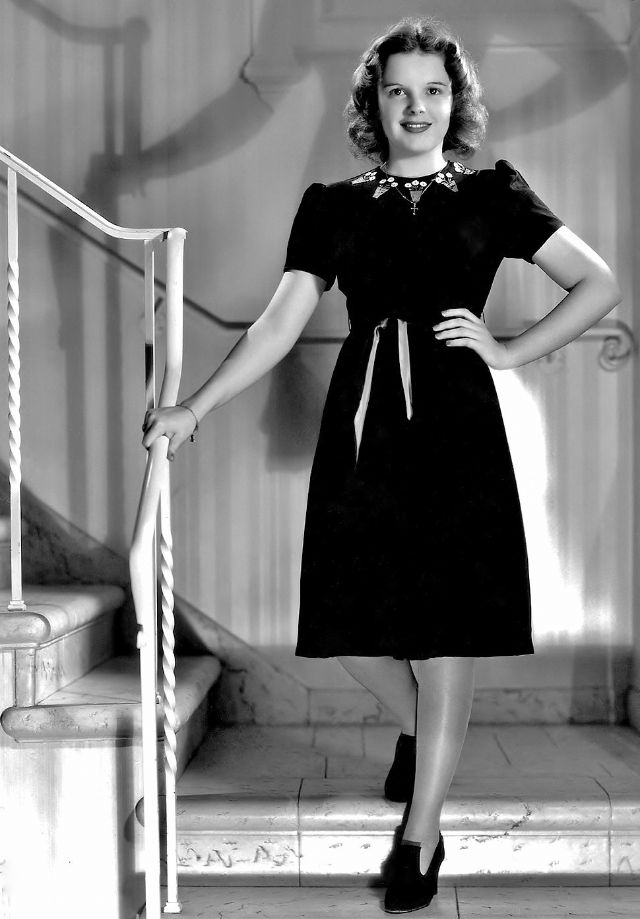
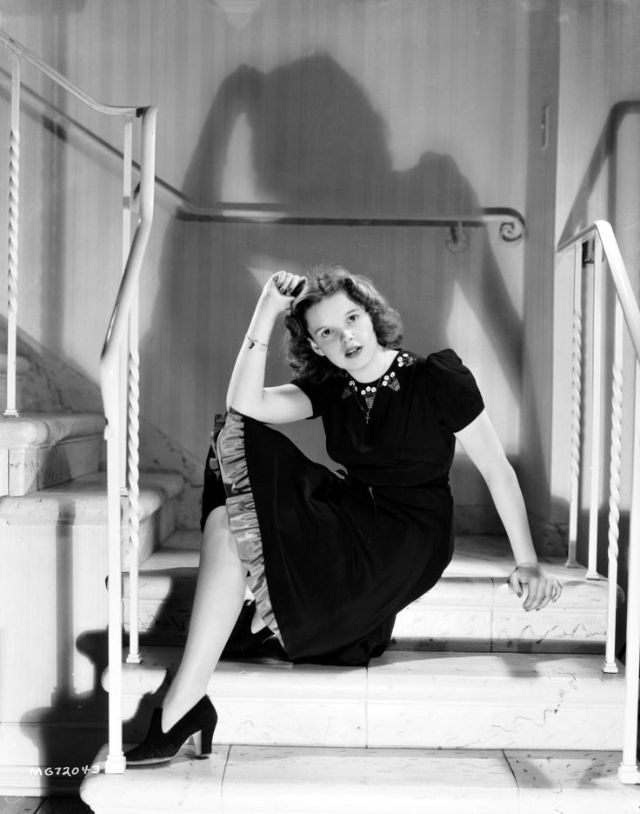
Judy Garland remains one of the most deeply affecting figures of old Hollywood, her classic photographs reflecting both the glow of fame and the emotional burden that accompanied it.
A celebrated American actress and singer whose career spanned more than forty years, Garland was admired for her extraordinary versatility and rich, expressive contralto voice.
She transitioned smoothly across musicals, lighthearted films, and serious drama, securing an enduring presence in cultural history.
While audiences adored her publicly, she faced intense struggles in her personal life—an emotional tension that later contributed to her status not only as a legendary entertainer but also as a cherished symbol within the LGBTQ+ community.
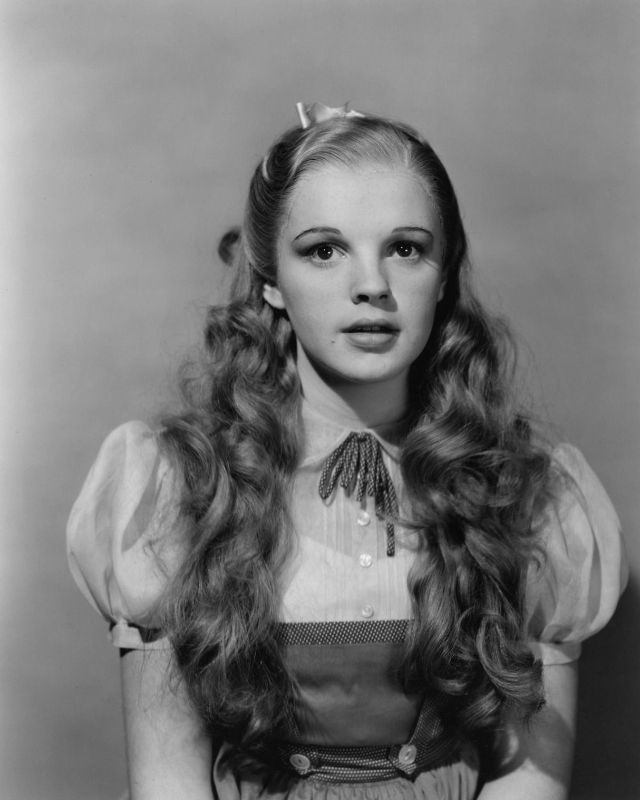
Garland’s path to show business started in early childhood. Before she turned three, she was already performing on stage alongside her older sisters as part of a vaudeville trio called the Gumm Sisters.
In 1935, when she was only thirteen, she secured a contract with Metro-Goldwyn-Mayer and became part of the tightly controlled studio system that dominated Hollywood during its Golden Age.
At first, she appeared in group-oriented films like Broadway Melody of 1938 (1937) and Thoroughbreds Don’t Cry (1937), yet her exceptional ability soon made it clear that she was destined for much more.
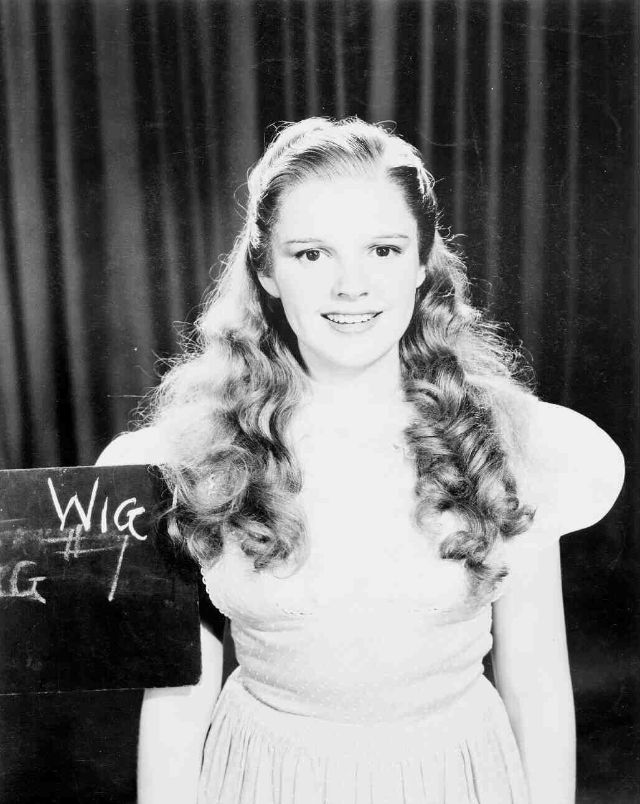
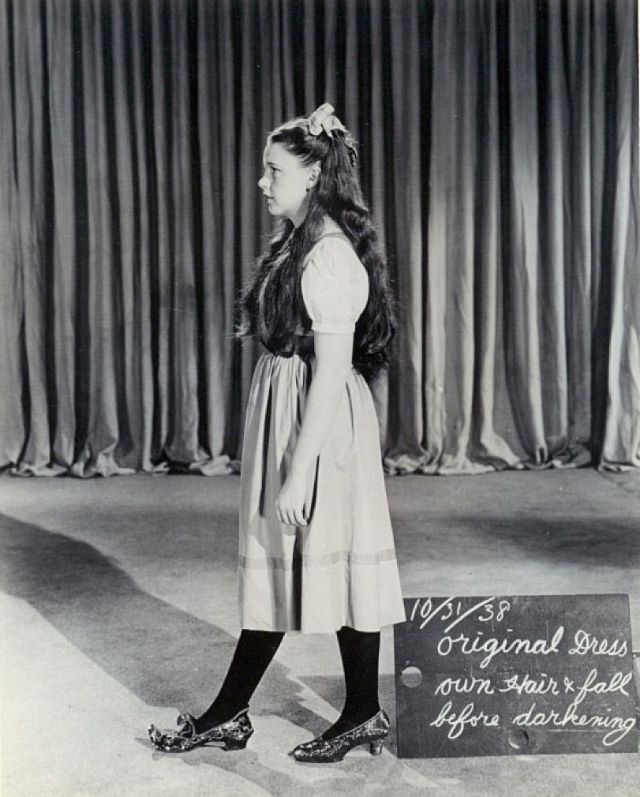
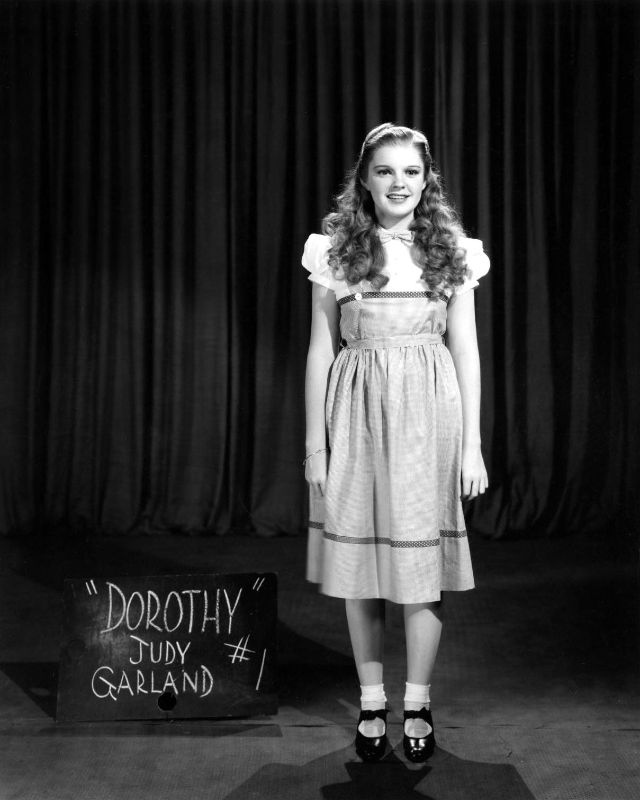
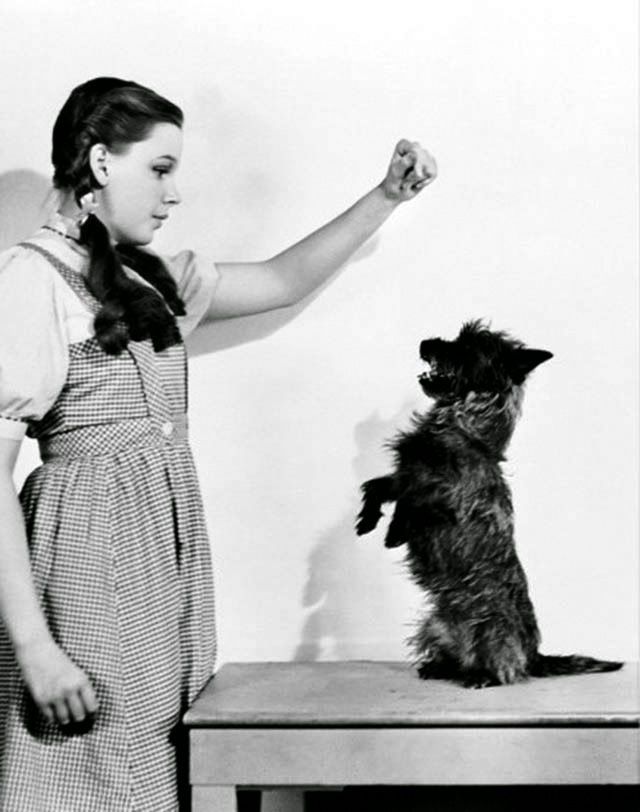
Garland reached worldwide stardom through her role as Dorothy Gale in The Wizard of Oz (1939), a character that would forever be linked to her identity.
She later led many of MGM’s most beloved musical films, such as Meet Me in St. Louis (1944), Easter Parade (1948), and Summer Stock (1950), confirming her place among the studio’s most celebrated performers.
Alongside her film achievements, she built a powerful musical legacy, beginning with her iconic rendition of “Over the Rainbow,” which became her lifelong signature.
From 1939 to 1962, Garland released eleven studio albums, a number of which were both popular with listeners and praised by critics.
Her albums Meet Me in St. Louis (1944) and Miss Show Business (1955) climbed into the top ten of the US Billboard 200, while records like Judy (1956), Alone (1957), and The Garland Touch (1962) secured positions within the top forty.
Through recording, Garland found a more intimate way to communicate with her audience, delivering performances rich with feeling that left a lasting emotional impression on those who heard her.
As Garland’s stardom expanded, her private world grew more turbulent. While the public adored her sincerity and emotional openness, she was quietly battling deep insecurities, substance misuse, and psychological struggles behind the scenes.
The relentless pressures of the film industry—grueling schedules, rigid expectations, and unrelenting public attention—only made these challenges worse.
Gradually, she became reliant on prescription drugs, a dependency that increasingly damaged both her mental and physical health over the years.
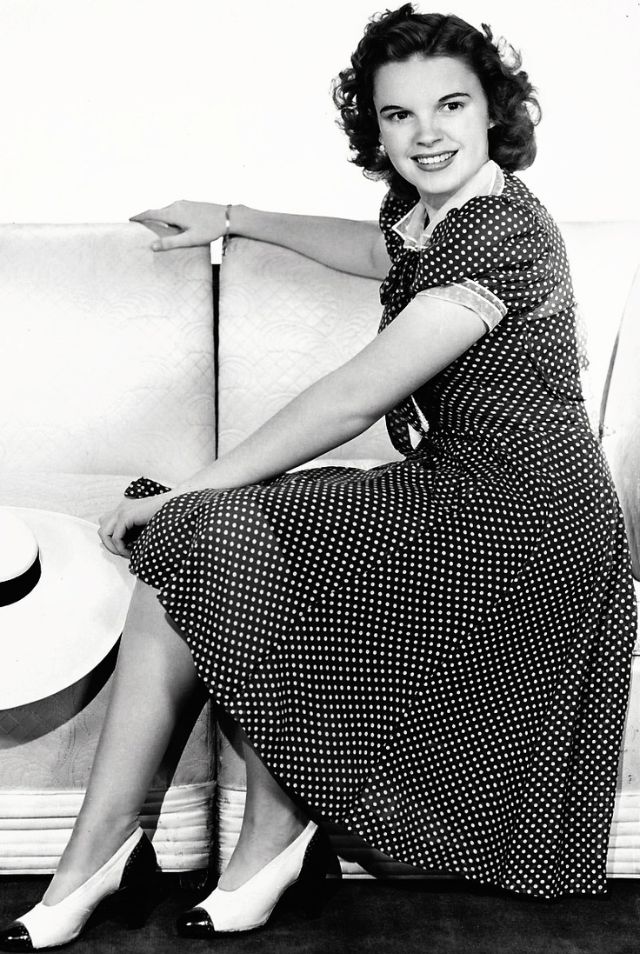
Garland entered into five marriages over the course of her life and raised three children. Her eldest daughter, Liza Minnelli, was born during her union with film director Vincente Minnelli, while her later marriage to producer Sidney Luft brought two more children, Lorna and Joey Luft.
Many of her romantic relationships were marked by instability, heavily influenced by the strain of public life and the personal difficulties she continued to face.
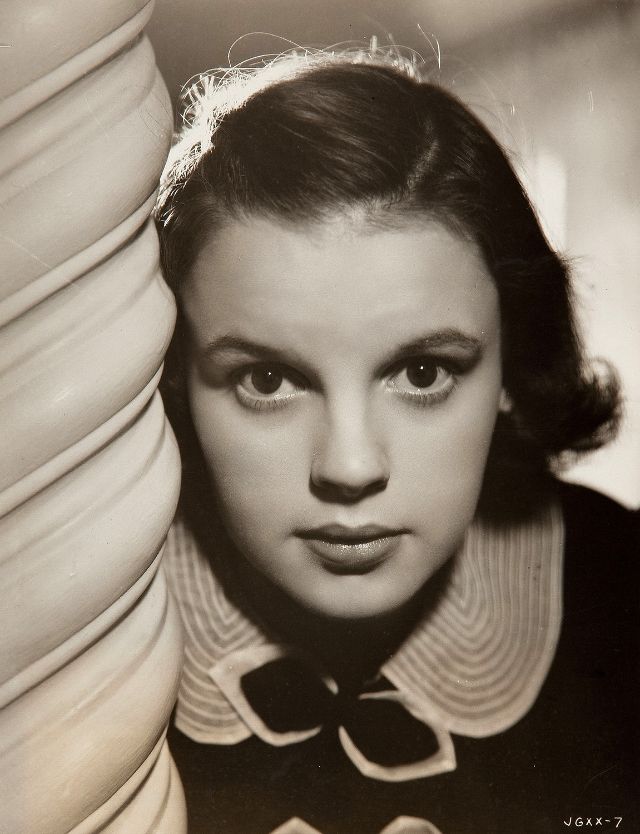
Even amid the chaos in her personal life, Garland maintained a deep and loving relationship with her children, all of whom would eventually find their own paths in show business.
Friends and family frequently remembered her as a caring and dedicated mother, even at times when her own circumstances were difficult and overwhelming.
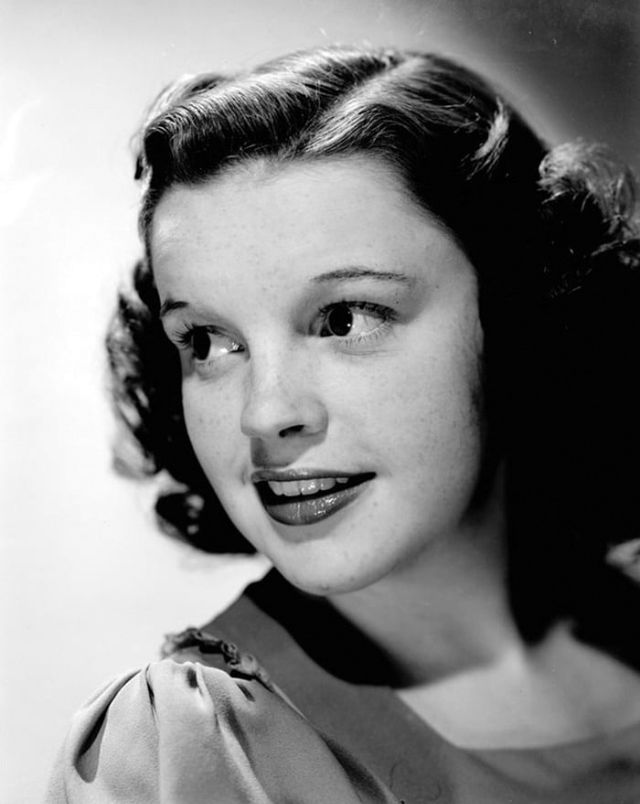
On June 22, 1969, Judy Garland was discovered lifeless in the bathroom of the home she was renting on Cadogan Lane in Belgravia, London. She was 47 at the time of her death.
During the official inquest, Coroner Gavin Thurston concluded that she had accidentally taken too many barbiturates, describing it as an “incautious self-overdose.” Medical tests revealed that her bloodstream contained the amount found in roughly ten 1.5-grain Seconal tablets.
Thurston made clear that there was no sign of deliberate self-harm, stressing that her death resulted from a tragic mistake rather than an intention to die.
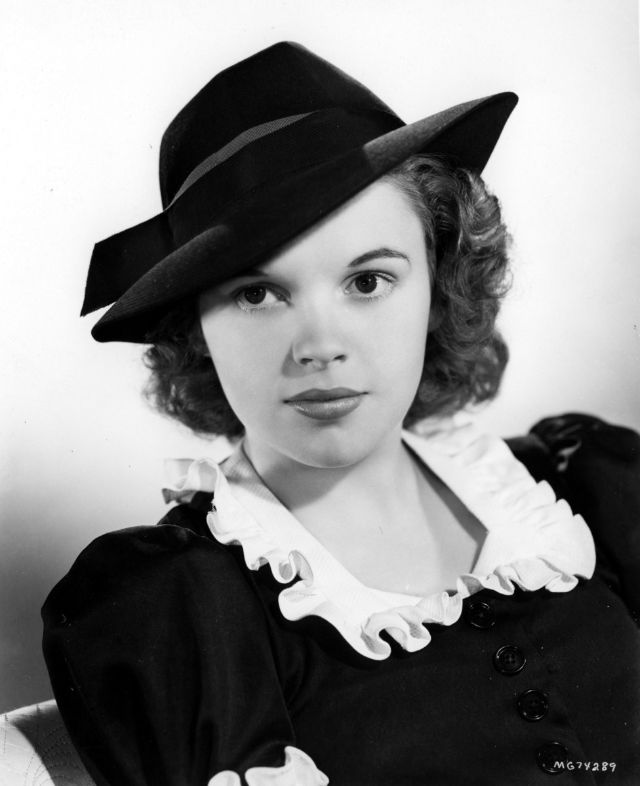
Medical examination showed that no pills remained in her stomach, suggesting she had taken the medication gradually rather than all at once, and her death was officially recorded as accidental.
Additional evidence pointed in the same direction: her doctor noted that a nearby prescription bottle containing 25 barbiturates was only partly used, while a second bottle of 100 pills had never been opened.
One British expert who observed the autopsy initially believed Garland had been suffering from cirrhosis and was already in fragile health, but a later postmortem review found no proof of alcoholism or liver disease.
At her funeral, fellow Wizard of Oz actor Ray Bolger reflected on her difficult life in plain terms, remarking that she had simply been worn down by years of hardship.
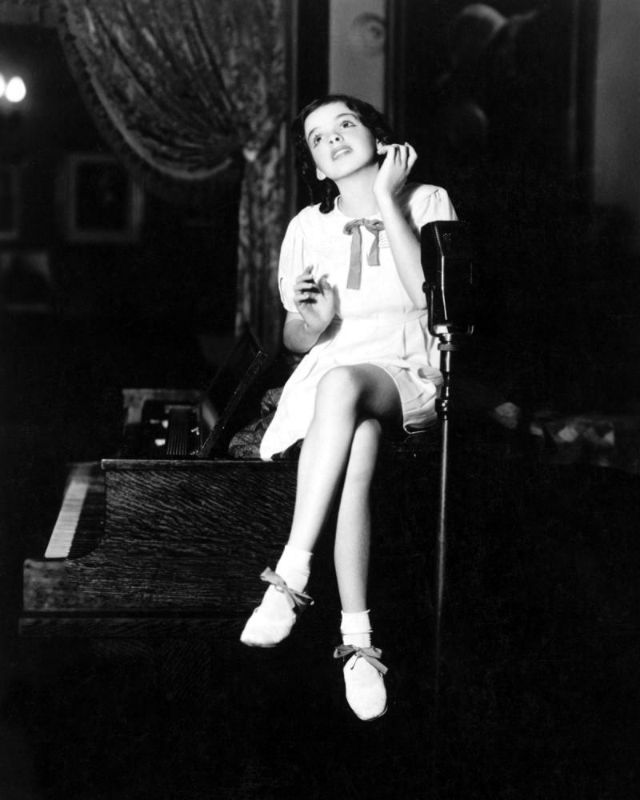
Looking back on her legacy, The New York Times characterized Garland as a naturally gifted performer, highlighting her sharp instincts for both acting and comedy while comparing her energy to that of a classic music-hall entertainer in a time when that tradition had largely faded.
Those who knew her well later said that she never fully embraced the idea of being a Hollywood star, and that her true passion lay in focusing solely on her music and studio recordings.
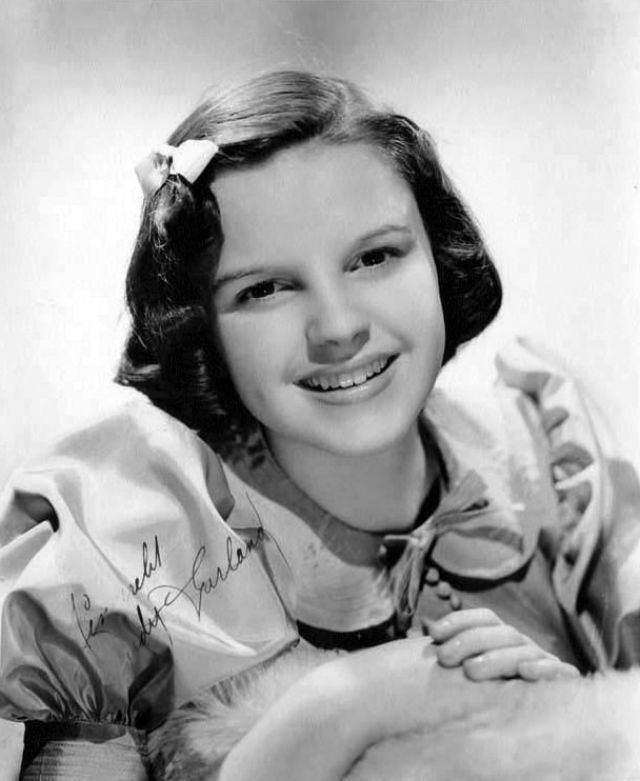
Garland is widely regarded as a rare all-around performer, excelling in singing, acting, and dancing with comparable mastery.
Film critic Doug Strassler of the New York Press described her as a “triple threat,” praising her ability to move seamlessly from wholesome family musicals to intense mature dramas with a level of skill and artistry that few performers have ever matched.
No Comments