

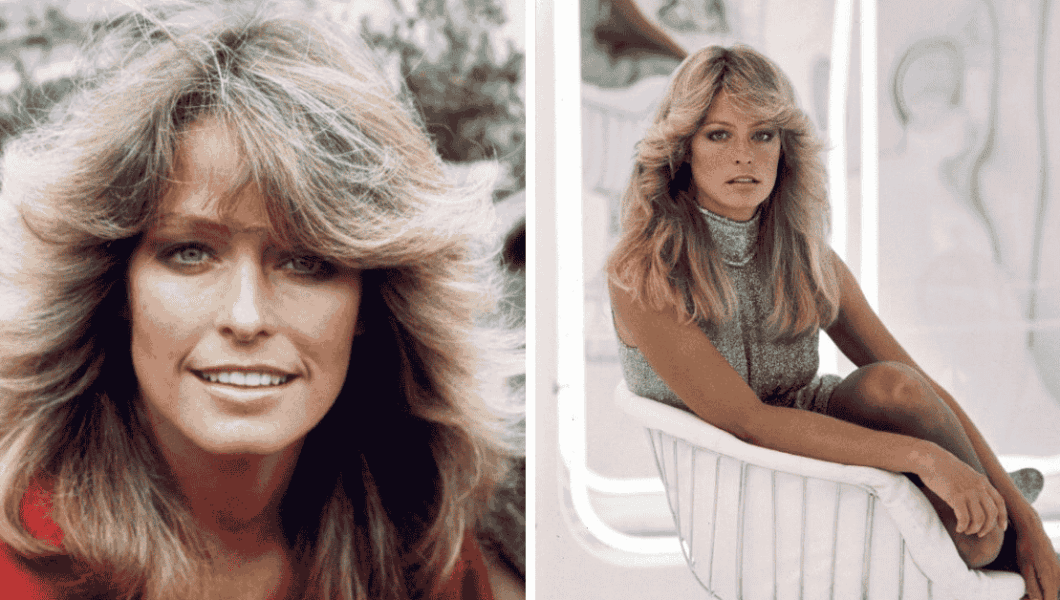
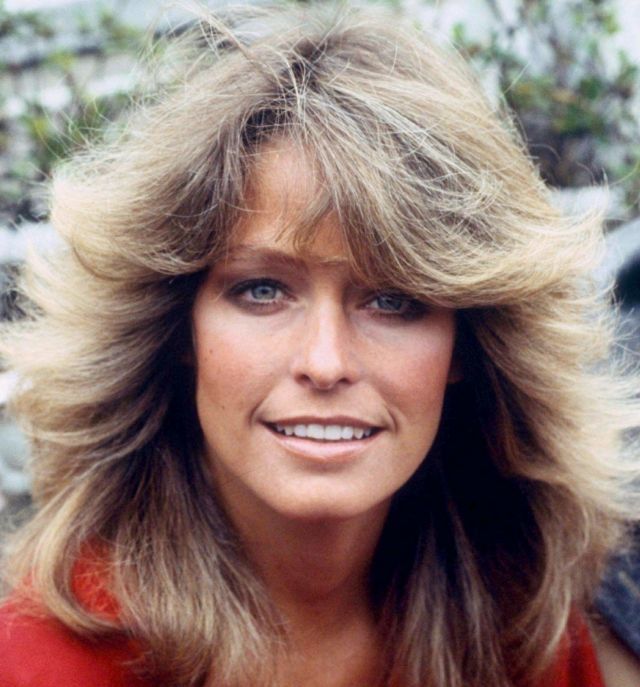
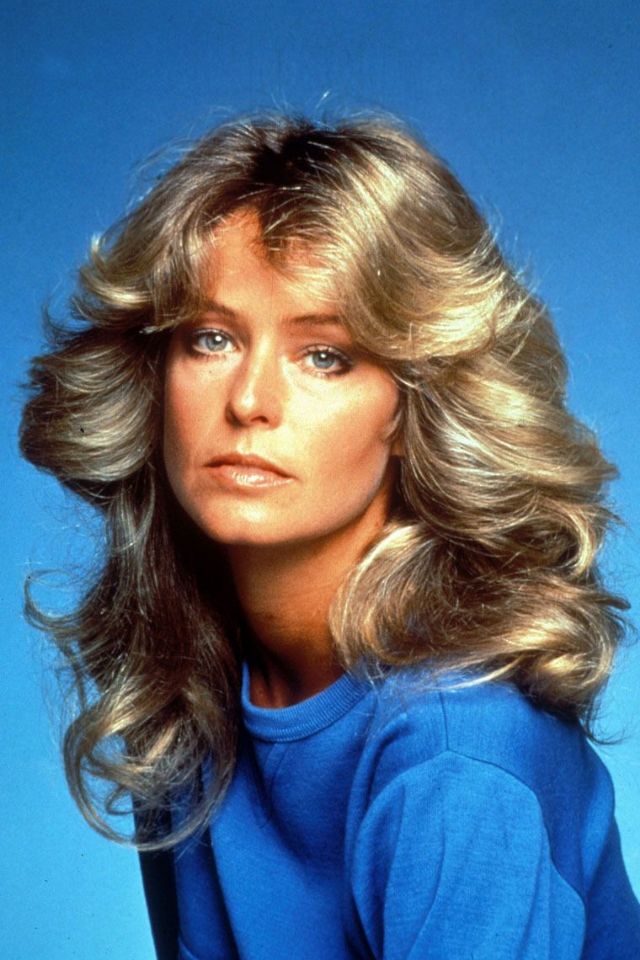
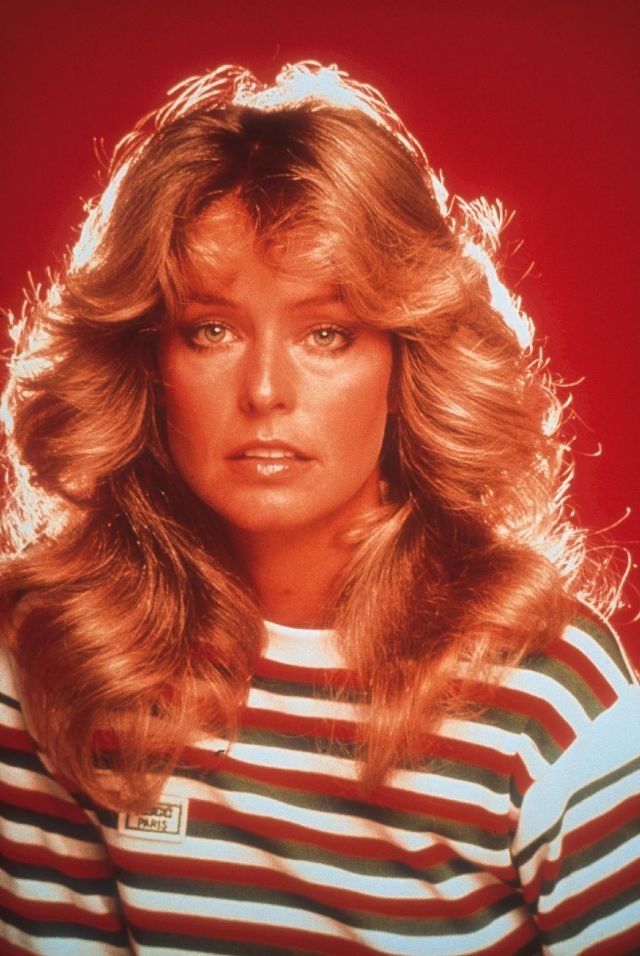
Farrah Fawcett rose to stardom with a radiant smile and a signature hairstyle that swept the nation, becoming one of the defining faces of the 1970s and 1980s.
Her likeness appeared everywhere, from college bedroom posters to glossy magazine covers, symbolizing a new era in how television presented beauty, confidence, and female power.
Beyond her status as a cultural heartthrob, Fawcett earned admiration for her wholesome appeal and her steady resolve to be recognized for her talent, not just her looks.
Farrah Fawcett was born on February 2, 1947, in Corpus Christi, Texas, and her first brush with fame came far from movie sets. While studying at the University of Texas in Austin, she caught public attention after being selected among the campus’s most admired students.
That moment opened doors, with a public relations professional urging her to take her ambitions to Los Angeles. After the move, she landed advertising roles and started appearing in television episodes, gradually building her résumé.
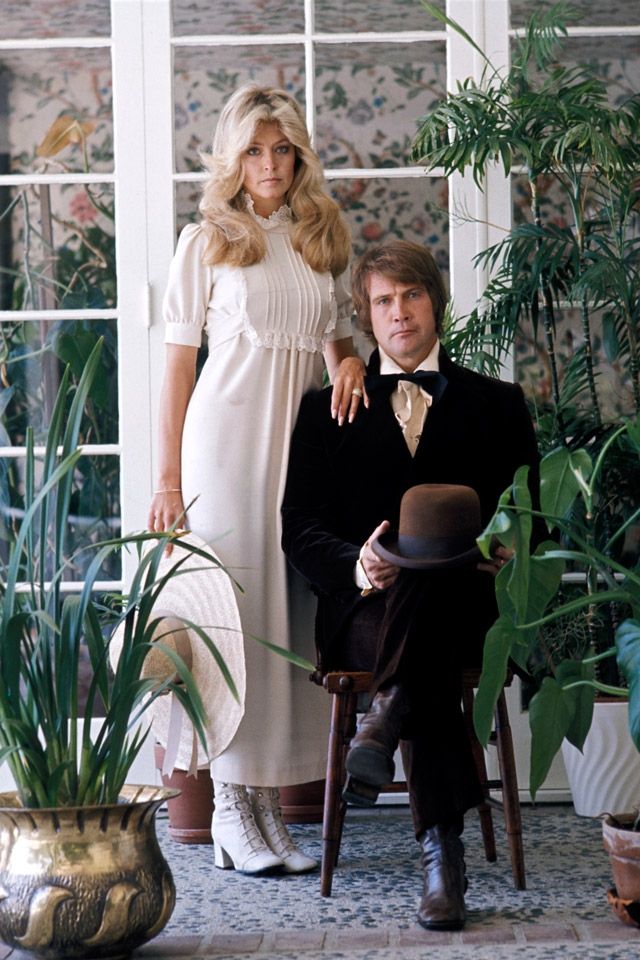
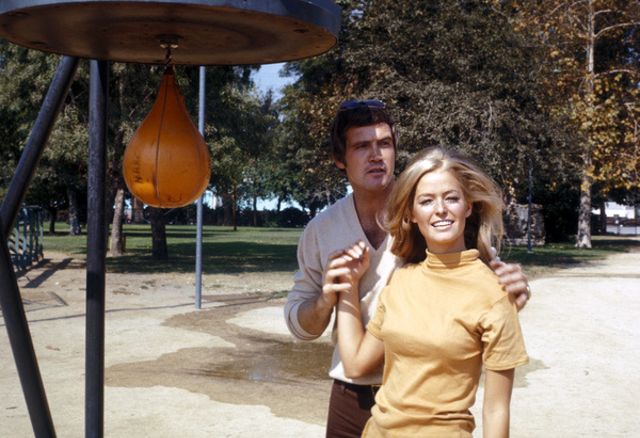
With mentorship and support from actor Lee Majors—who later became her husband—Fawcett steadily established her place in the world of entertainment.
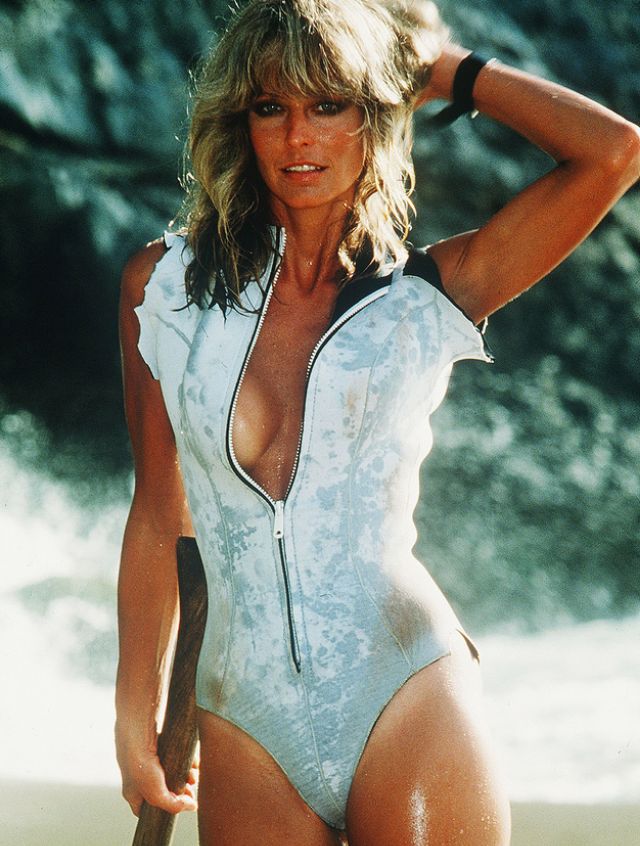
Farrah Fawcett’s career reached a turning point in 1976 when she joined the cast of Charlie’s Angels, appearing alongside Kate Jackson and Jaclyn Smith as a fashionable crime-solving heroine.
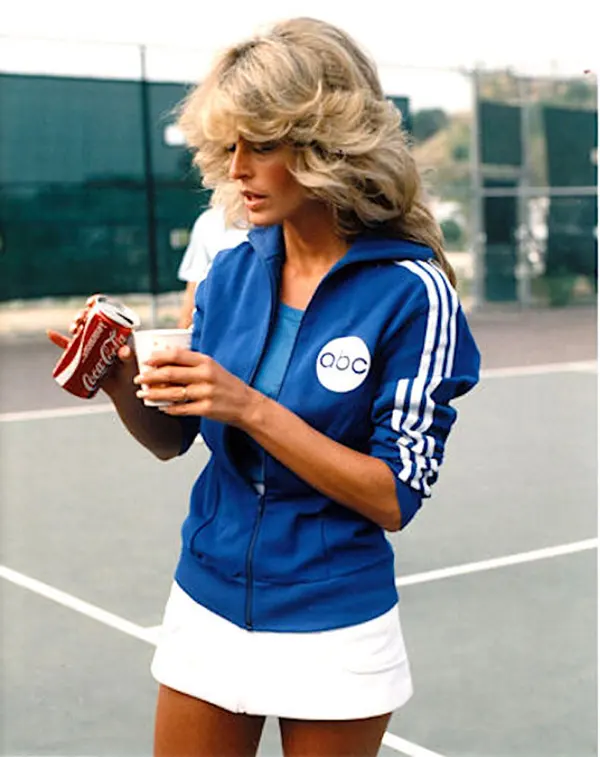
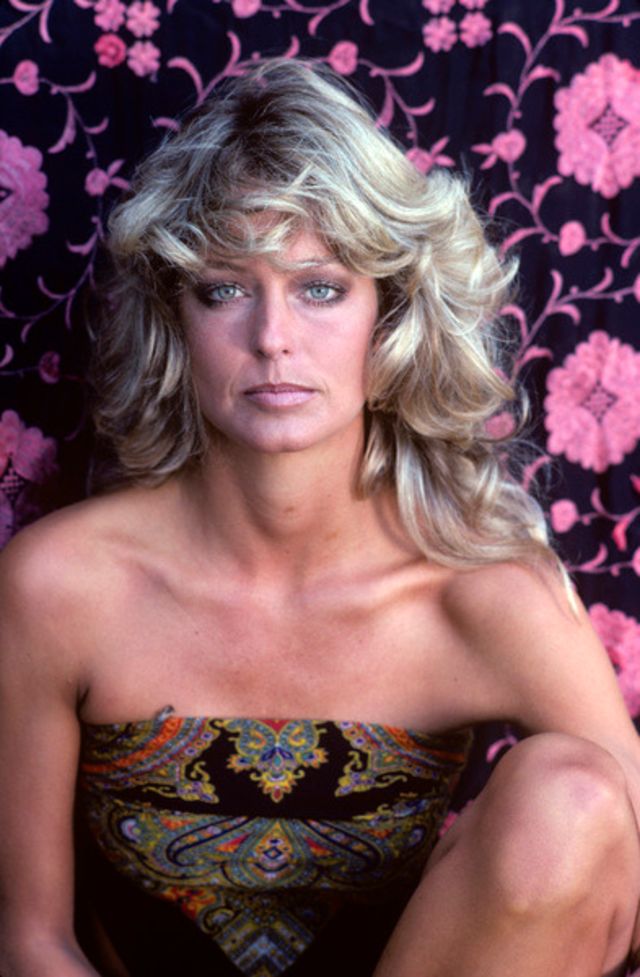
The series exploded in popularity almost immediately, and Farrah’s signature feathered hair along with her magnetic screen presence quickly turned her into a familiar face in homes across America.
During that same period, a widely circulated poster featuring her in a red one-piece swimsuit captured public imagination, blending effortless charm with a relatable, all-American warmth.
With sales surpassing six million copies, the image cemented its place as one of the most iconic posters in popular culture history.
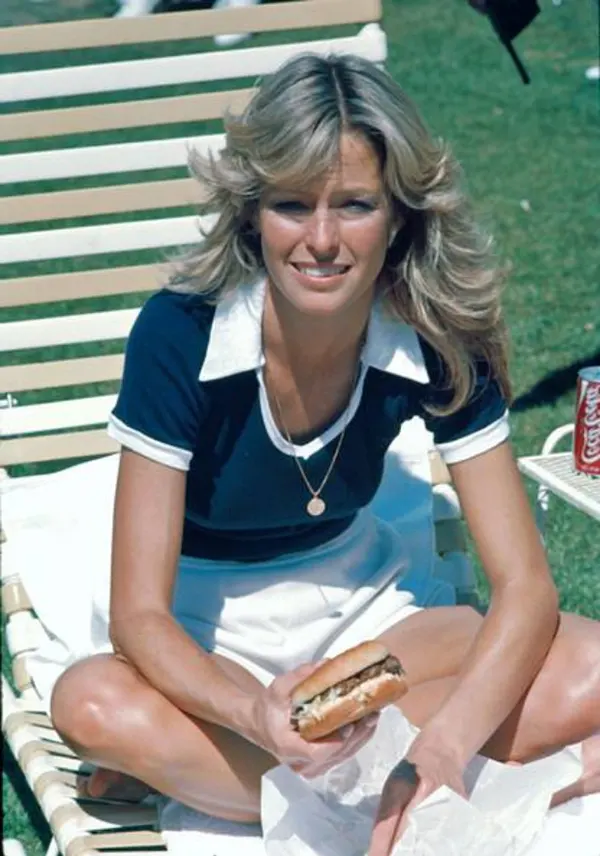
Even at the height of Charlie’s Angels success, Fawcett chose to leave the show after a single season, determined to pursue roles with greater depth and dramatic weight.
Although her early attempts outside the series did not bring immediate acclaim, she later delivered a career-defining performance as a battered spouse in the 1984 television film The Burning Bed. The role earned her an Emmy nomination and signaled a major shift in how audiences and critics viewed her abilities as an actress.
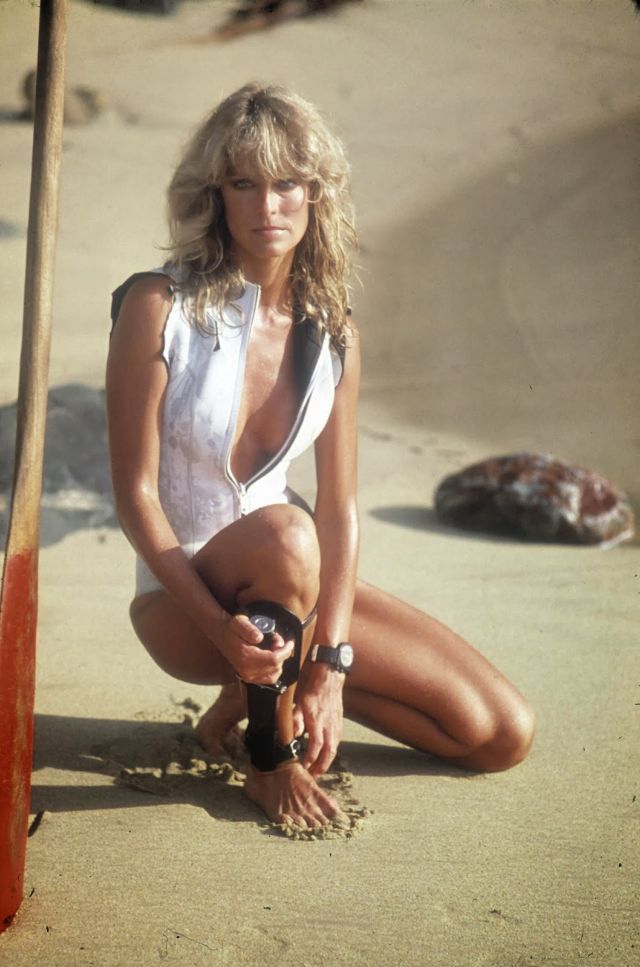
Even at the height of Charlie’s Angels success, Fawcett chose to leave the show after a single season, determined to pursue roles with greater depth and dramatic weight.
Although her early attempts outside the series did not bring immediate acclaim, she later delivered a career-defining performance as a battered spouse in the 1984 television film The Burning Bed. The role earned her an Emmy nomination and signaled a major shift in how audiences and critics viewed her abilities as an actress.
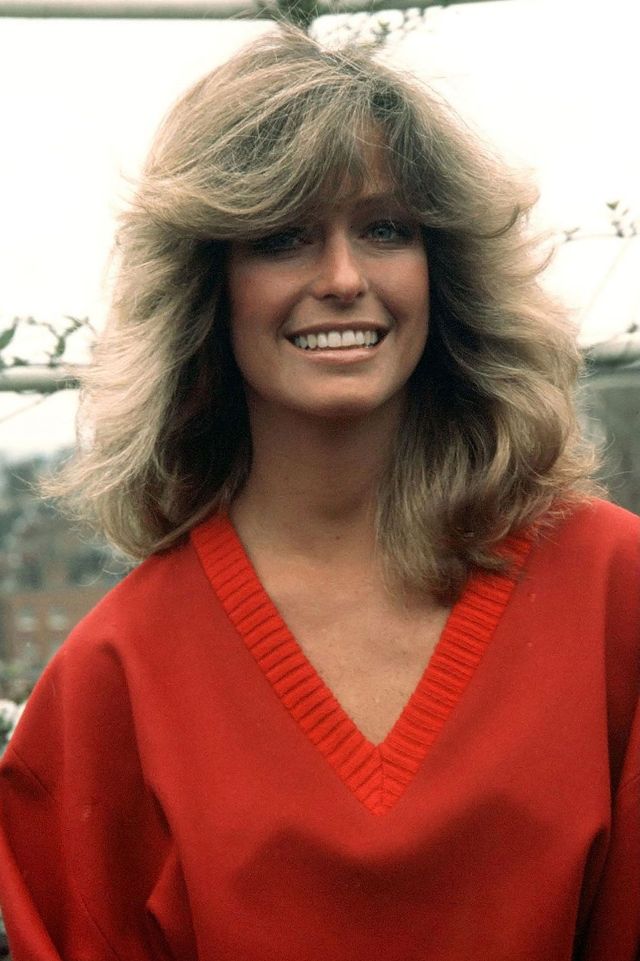
In 2006, Farrah Fawcett learned she was facing anal cancer, a diagnosis she met with remarkable candor and resilience. True to her nature, she chose not to hide the struggle, instead allowing the public to witness her experience with honesty and courage.
Her fight was later chronicled in the 2009 television documentary Farrah’s Story, an intimate and unfiltered portrayal of her medical journey, as well as her lasting relationship with actor Ryan O’Neal—her longtime companion and the father of her son, Redmond.
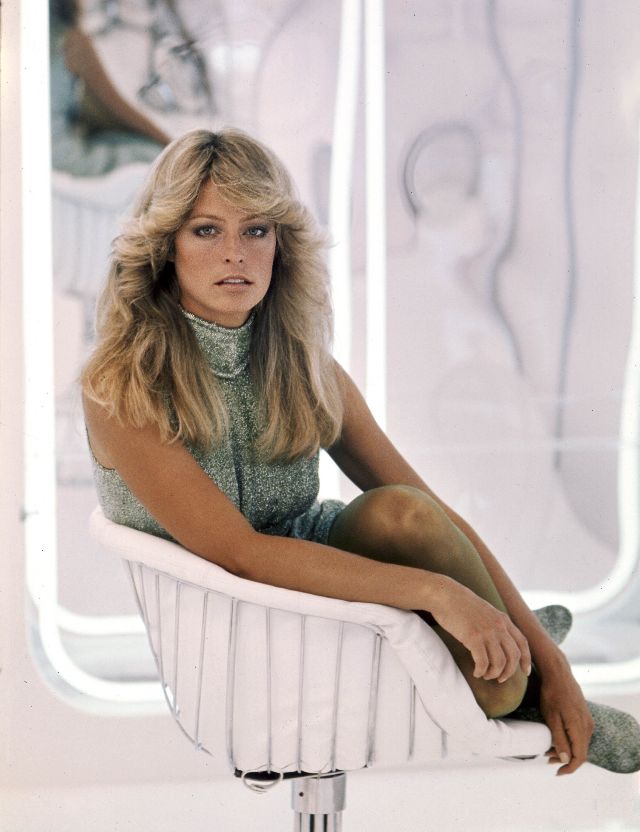
Farrah Fawcett’s influence did not fade after her passing on June 25, 2009. In 2011, on what would have been her birthday, the legendary red swimsuit from her 1976 poster was officially placed in the Smithsonian’s National Museum of American History, honoring its place in pop culture.
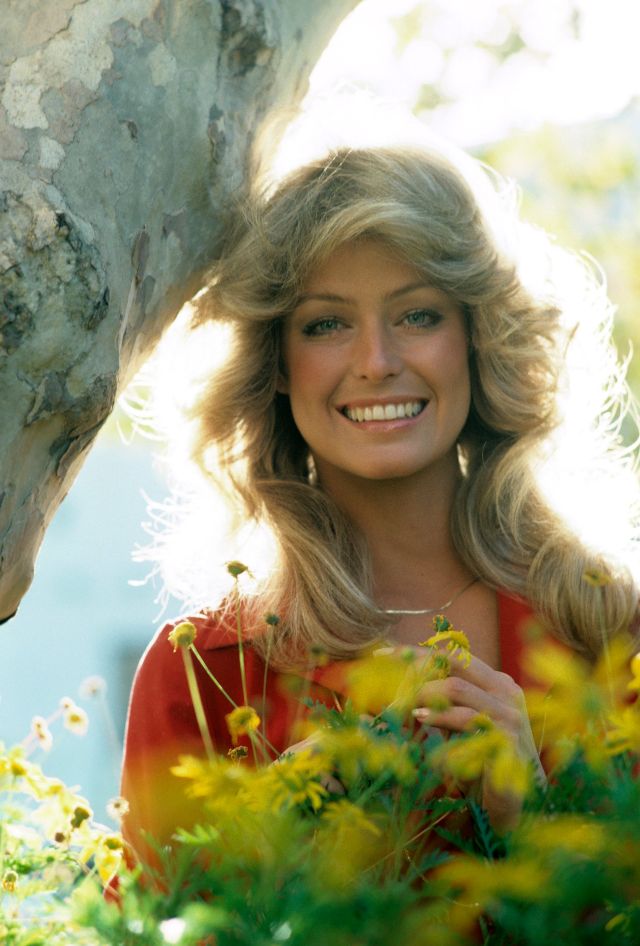
That same year, Mattel paid tribute by unveiling a collectible Barbie modeled after her image, featuring her signature feathered hair and recognizable gold necklace.
Her lasting appeal was further acknowledged when Men’s Health included her at No. 31 on its ranking of the “100 Hottest Women of All Time,” underscoring her enduring cultural significance.


No Comments