

I did not sleep much that night.
Every time I closed my eyes, I saw the flash of the motorcycle’s tail light. The sudden violence of metal meeting metal. The way Marcus’s hand had tightened around mine like an instinct older than fear.
I kept replaying it, not because I wanted to, but because my body had not caught up with the fact that it was over.
Around two in the morning, I checked my phone, half hoping for something and half afraid of it. There was no message, no update, nothing to tell me how he was doing. I realized then how strange it felt to care so deeply about someone whose last name I didn’t even know.
All I had was a first name and a moment shared in the dirt.
The next morning, my hands were still sore. Dried mud clung beneath my nails. I scrubbed them at the sink, watching the brown water swirl away, and felt an unexpected ache in my chest.
It felt wrong to wash it off.
Like proof had disappeared.
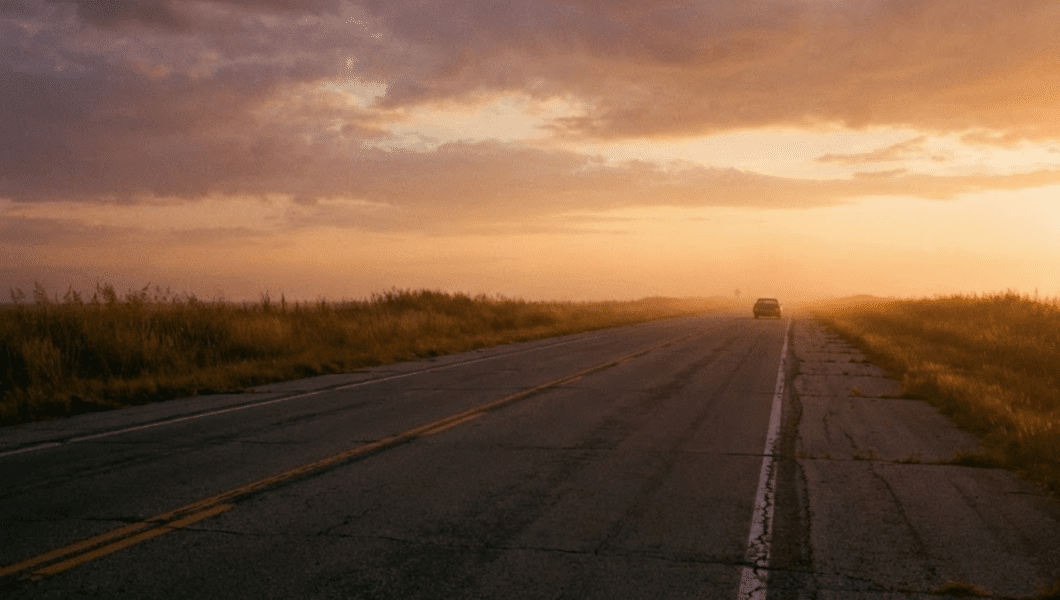
At work, everything moved normally. Emails. Meetings. Small talk about weekend plans. Someone complained about traffic, and my stomach tightened before I could stop it. I nodded politely, but my mind was still on that stretch of Highway 47, now probably quiet again, as if nothing extraordinary had happened there at all.
That’s the strange thing about moments like that.
They feel world ending when you’re inside them.
And invisible once they pass.
At lunch, I sat alone and stared at my phone again. I told myself I was being silly. That I had done what I could. That strangers don’t get follow ups in life or in accidents.
Still, I hoped.
Late that afternoon, my phone buzzed.
An unknown number.
For a split second, my heart jumped so hard it hurt.
“Hi,” the message read. “This is Tasha. My husband Marcus asked the EMTs to find your name in his phone log. They said you were the woman who stayed with him. He’s okay. Broken leg, cracked ribs, concussion. But he’s alive.”
I had to sit down.
Right there in the hallway, my back against the wall, breathing through the sudden rush of relief.
She sent another message.
“He won’t stop talking about you. Says you kept him calm when he thought he might not make it. I just wanted you to know how much that meant to me.”
I stared at the screen until the words blurred.
I typed back slowly, carefully.
“I’m so glad he’s okay. He was brave. And funny. Please tell him I’m rooting for him.”
She replied with a heart.
That was all.
And somehow, it was enough.
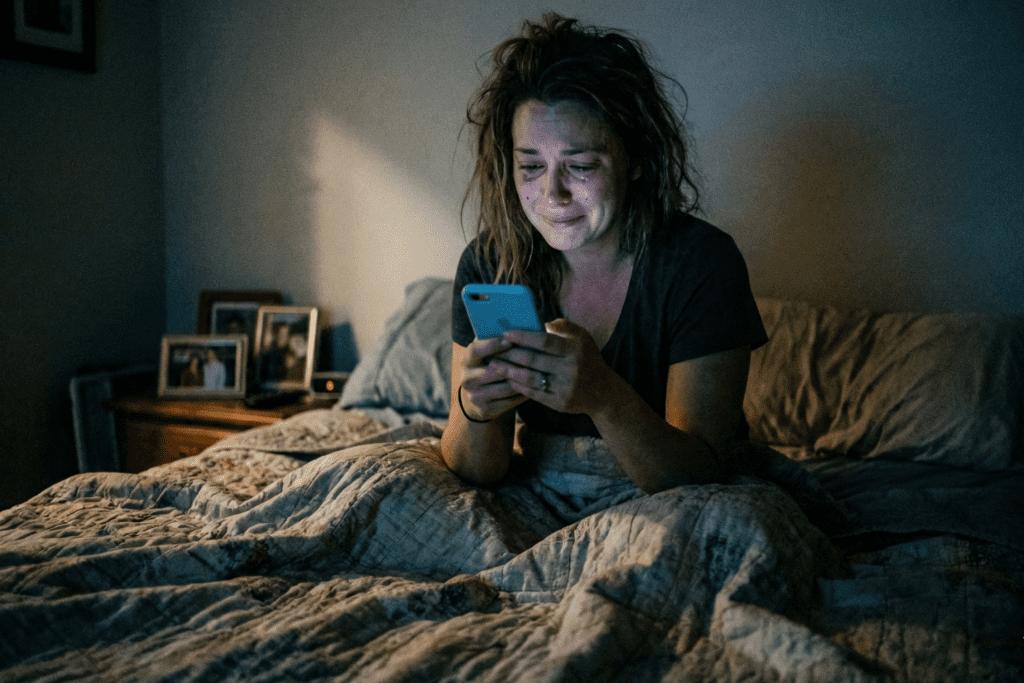
That night, when I finally allowed myself to cry, it wasn’t from fear anymore.
It was from gratitude.
In the days that followed, I thought often about the woman on the roadside. About what she had said. About how casually it came out of her mouth, like an observation instead of a confession.
Especially for someone who looks like him.
The words bothered me more with time, not less.
Because she wasn’t wrong about the world we live in.
But she was wrong about what matters.
I kept thinking about how instinct had taken over before thought ever had a chance. How I never paused to wonder who Marcus was, where he came from, what he believed, or whether helping him would be safe or appropriate.
I saw pain.
So I moved toward it.
That felt like the most natural thing in the world.
Which made me wonder when we learned to do otherwise.
Somewhere along the way, we’re taught to hesitate. To assess. To protect ourselves not just from danger, but from people. We start running calculations in our heads instead of listening to our hearts.
But fear has never saved anyone lying in a ditch.
Kindness has.
A week later, I drove past that same stretch of road.
I slowed without meaning to.
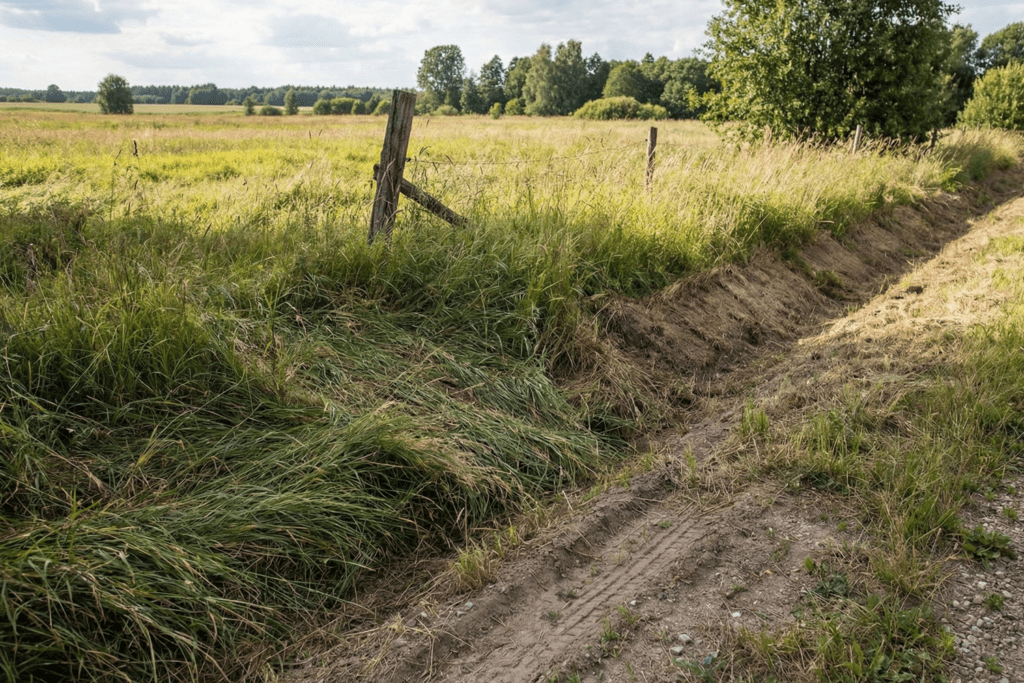
The ditch looked ordinary again. Grass already beginning to stand back up. No sign of sparks or chaos or flashing lights. Just earth doing what it always does.
Healing.
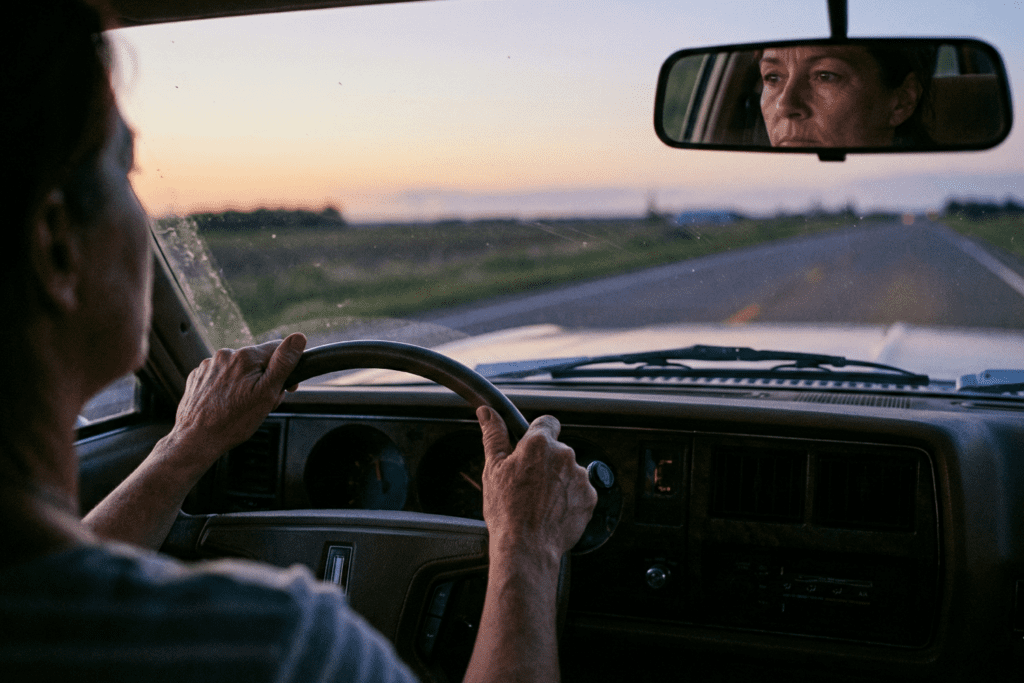
I pulled over briefly and sat there with my hands on the steering wheel.
I thought about how many moments like that happen every day that never make the news. No cameras. No viral posts. Just people choosing whether to help or keep driving.
Most of the time, we’ll never know the outcome.
We won’t get texts or thank yous or closure.
We’ll just carry the moment with us quietly.
But sometimes, if we’re lucky, life sends a small confirmation.
A message.
A heartbeat spared.
A man who gets to go home.
I realized something else too.
That moment didn’t just change Marcus’s life.
It changed mine.
Because once you’ve held a stranger’s hand while they’re bleeding and afraid, it becomes very hard to see people as categories ever again.
After that, everyone looks human first.
Now, when I hear people arguing about differences, about who deserves compassion and who doesn’t, something in me tightens.
I think about a man in a helmet asking if his bike was okay.
I think about a wife waiting for a call.
I think about how fragile we all are when metal meets flesh and time suddenly stops caring about opinions.
And I know this with certainty.
If I ever find myself in that moment again, I won’t hesitate.
I won’t calculate.
I won’t wonder if helping is acceptable.
I’ll just go.
Because humanity isn’t something you debate.
It’s something you practice.
Over and over.
Especially when it’s inconvenient.
Especially when it’s messy.
Especially when it scares you.
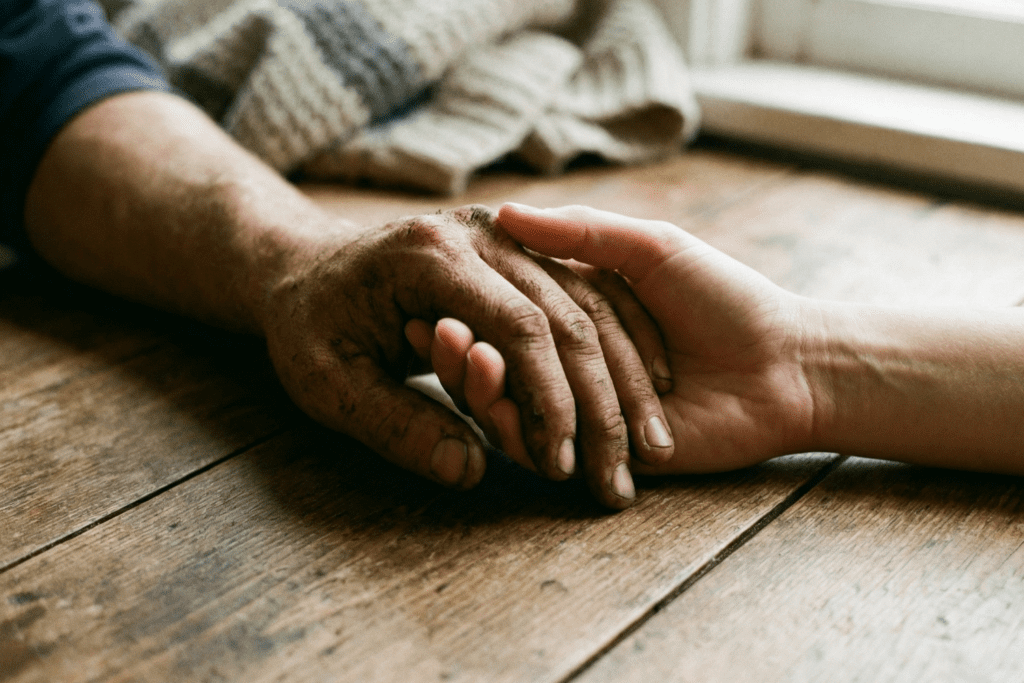
Marcus and I have not spoken since.
We don’t need to.
We shared something that doesn’t require maintenance.
A moment when two lives crossed and neither looked away.
Sometimes that’s all a story is meant to be.
A reminder.
That before we are drivers or riders, before we are labels or assumptions, before we are anything else at all, we are bodies that can break and hearts that need help.
And when that moment comes, the only question that matters is simple.
Will you stop?
No Comments