

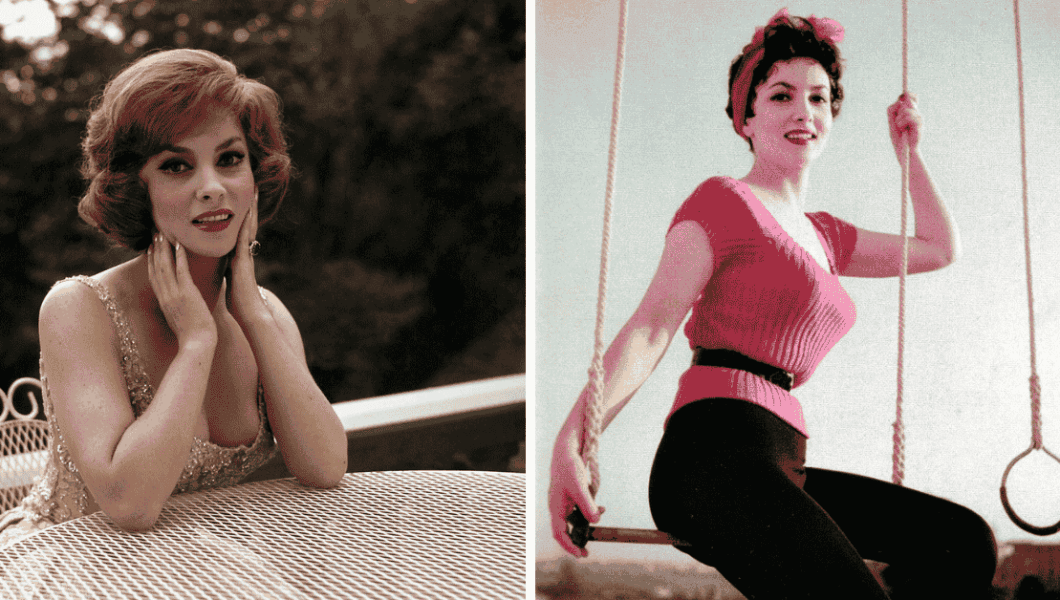

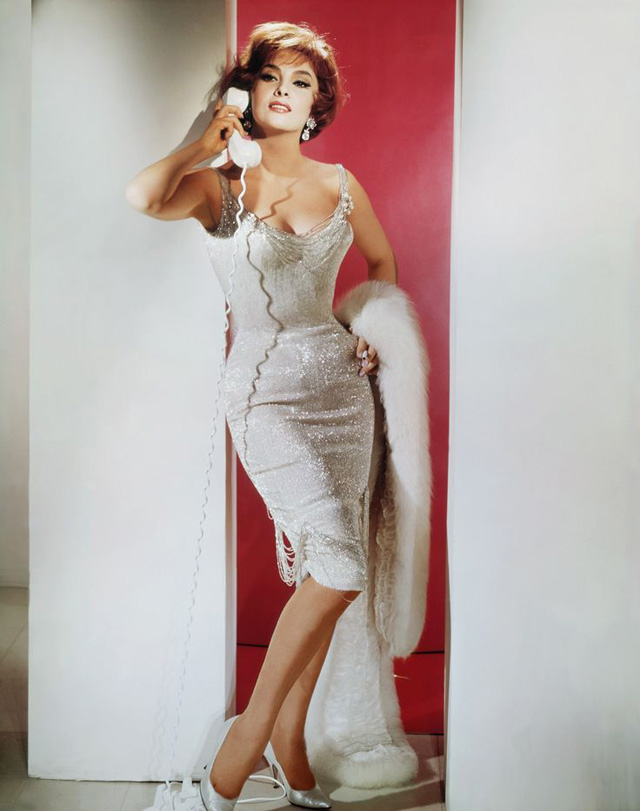
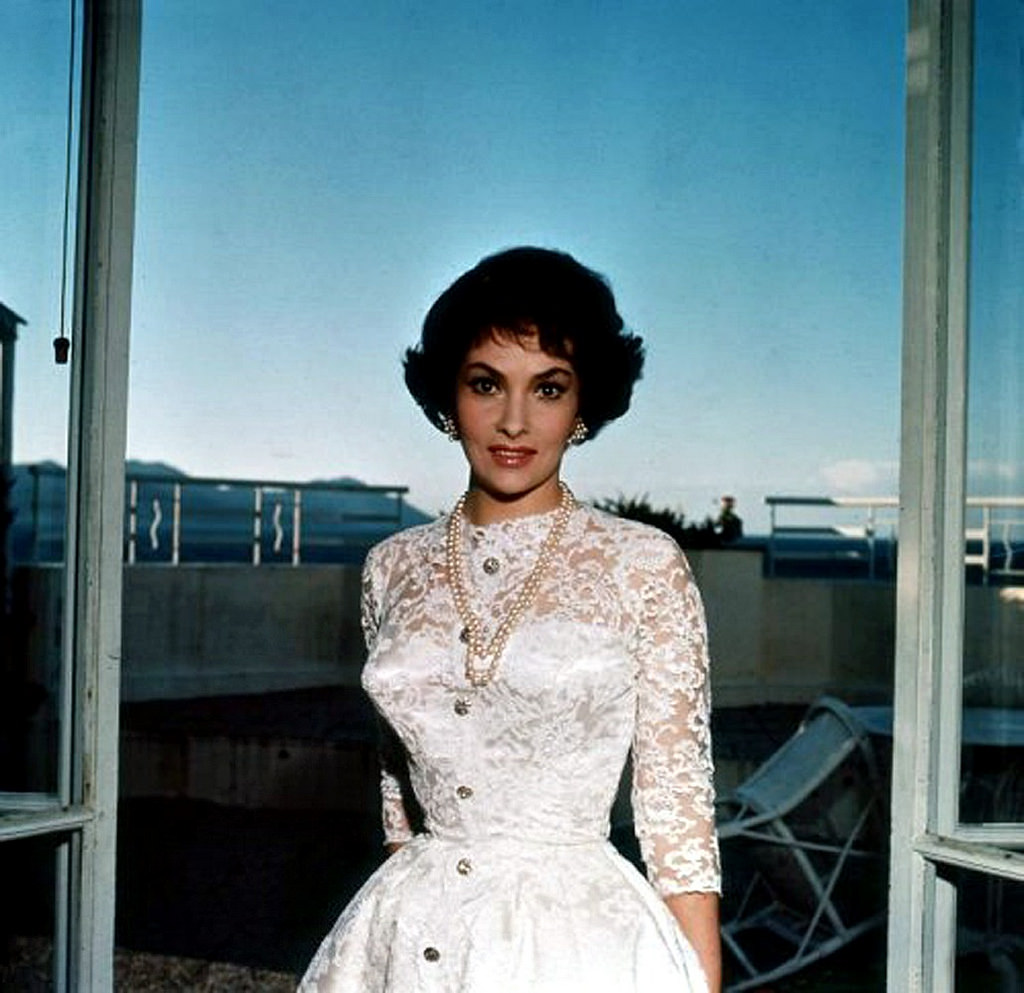
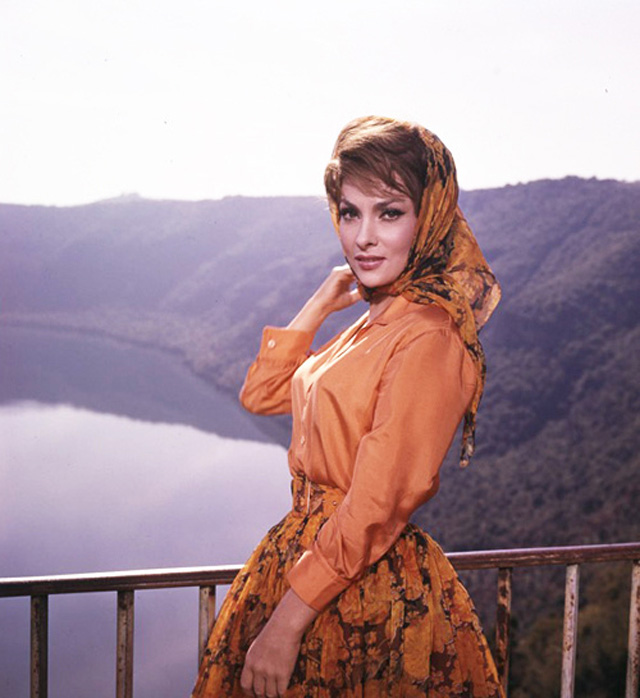
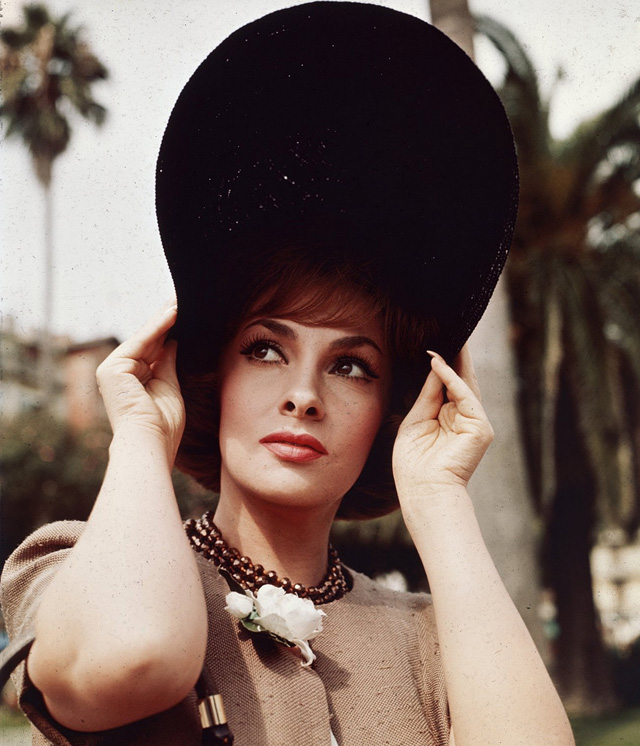
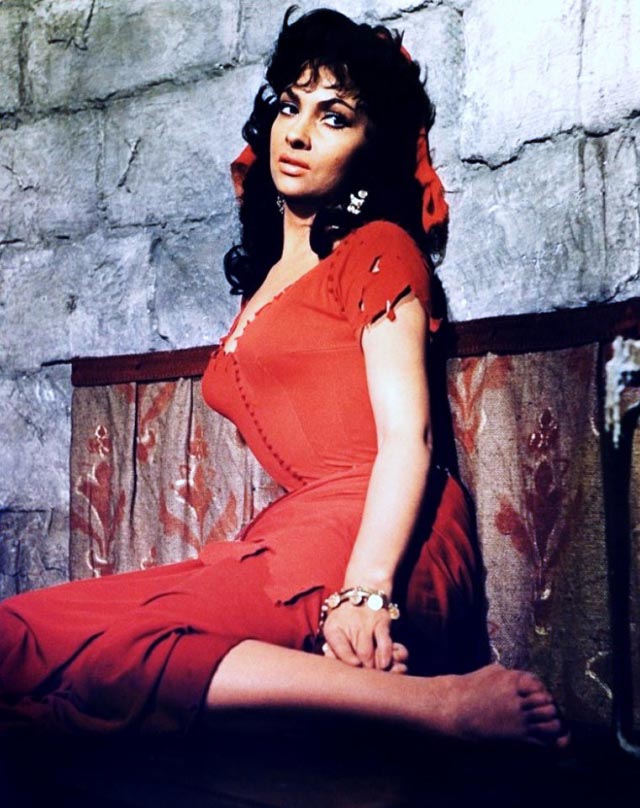
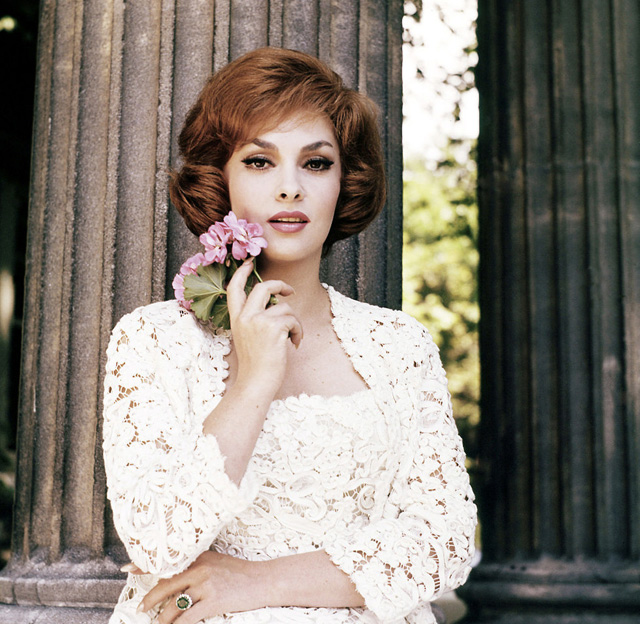
Gina Lollobrigida stood out as one of Europe’s biggest screen stars of the 1950s and 1960s, rising to global fame during a time when cinema still felt larger than life. More than just a successful actress, she became an international symbol of beauty and magnetism—an icon people couldn’t look away from.
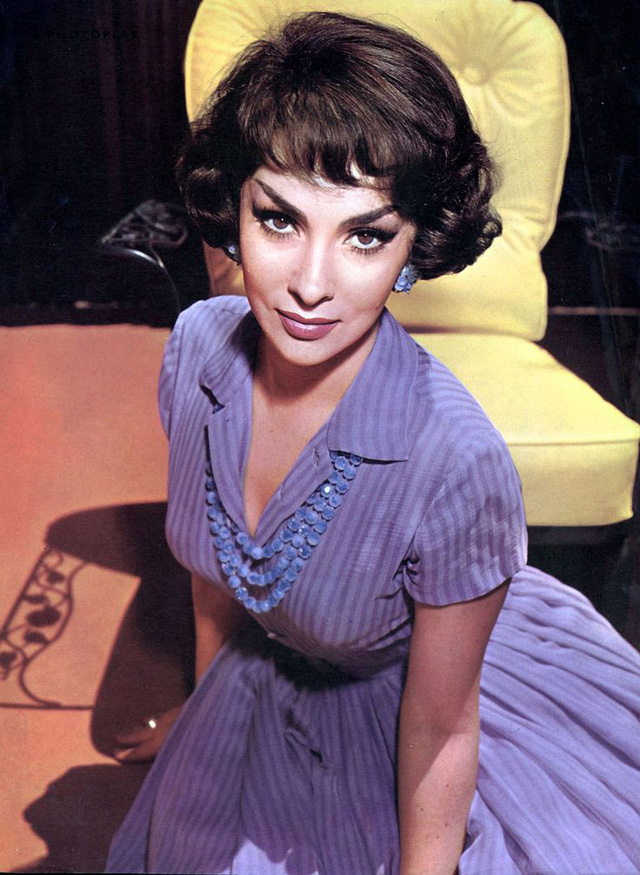
Often celebrated as “The Most Beautiful Woman in the World,” Gina didn’t just appear on movie screens—she lived in the public imagination. Her striking features, flawless sense of style, and effortless confidence turned her into a true fashion phenomenon.
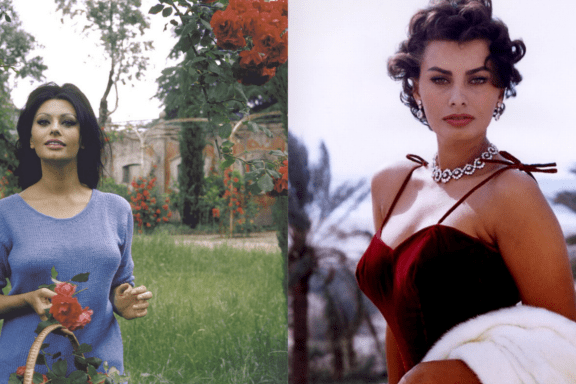
With her jet-black hair, mesmerizing eyes, and graceful poise, she seemed to embody the kind of timeless glamour people associate with the golden age of film. Her face filled magazine covers and fashion spreads, and women everywhere tried to capture even a small part of her look—from hair and makeup to the elegant way she carried herself.
Her influence reached far beyond entertainment. In many ways, Gina became a symbol of pure elegance—proof that style, beauty, and presence could create a legacy that lasts for generations.

Luigia “Gina” Lollobrigida was born in Subiaco, Lazio, in 1927. After World War II ended, her family relocated to Rome, where Gina began exploring the arts in every way she could. She took singing lessons, worked as a model, and entered a number of beauty contests—eventually placing third in the 1947 Miss Italy competition.
Around the same time, she started stepping into the film world. In 1946, she began appearing in Italian movies, first taking on small roles while quietly building her name.
Her real breakthrough came with the romantic comedy Bread, Love and Dreams (1953). The film became a major box-office success, and Gina’s performance drew serious attention—earning her a BAFTA nomination and signaling that she was no longer just a rising star, but a force in European cinema.
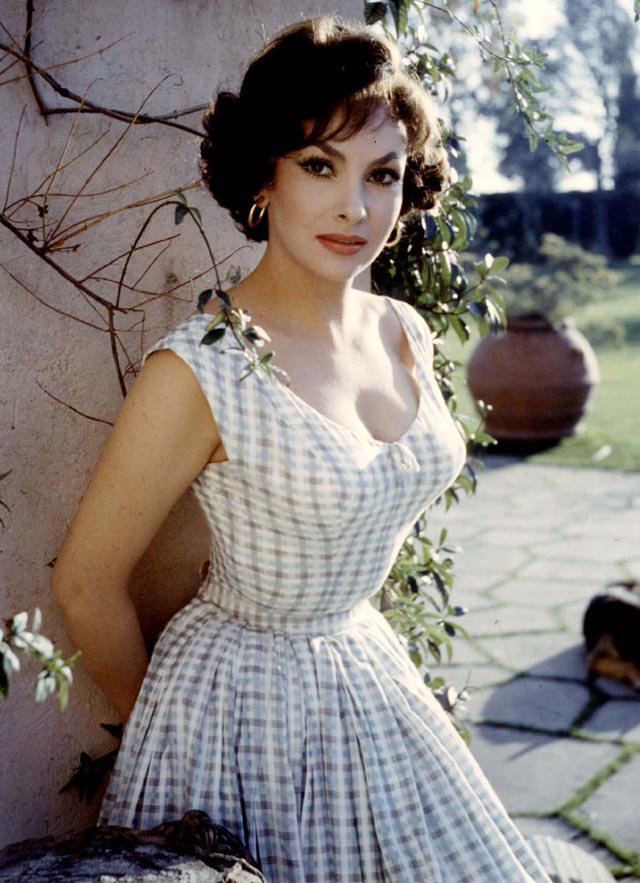
Gina’s first major English-language film to reach a wide audience was Beat the Devil (1953), shot in Italy and directed by the legendary John Huston. In the film, she played the wife of Humphrey Bogart, sharing the screen with Jennifer Jones and Robert Morley.
Soon after, she joined the Italian-American production Crossed Swords (1954), where she co-starred opposite Errol Flynn—another step that strengthened her international presence.
But it was her role in The World’s Most Beautiful Woman—also known as Beautiful But Dangerous (1955)—that truly elevated her status at home. Her performance earned her the very first David di Donatello Award for Best Actress, a milestone honor that confirmed she was one of Italy’s most celebrated stars.
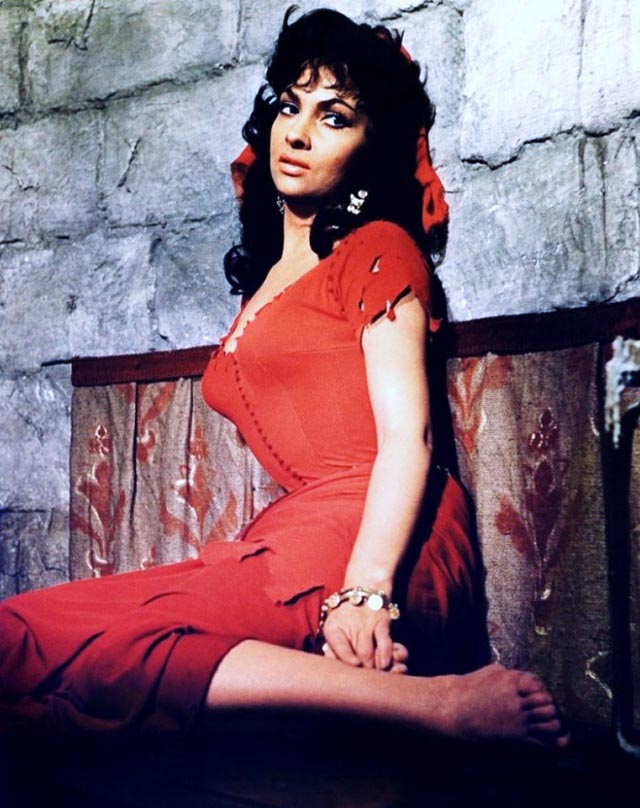
In the romantic comedy Come September (1961), Gina Lollobrigida took on a leading role alongside Rock Hudson, Sandra Dee, and Bobby Darin—a film that became a standout moment in her international career.
Her performance earned her a Golden Globe Award, further strengthening her image as a world-class star. That same year, she also appeared in the drama Go Naked in the World (1961), sharing the screen with Ernest Borgnine and Anthony Franciosa.
By the 1970s, however, her film career began to slow. She appeared in King, Queen, Knave (1972), co-starring with David Niven, along with a handful of other projects in the early part of the decade—though several of them failed to make the same impact as her earlier successes.
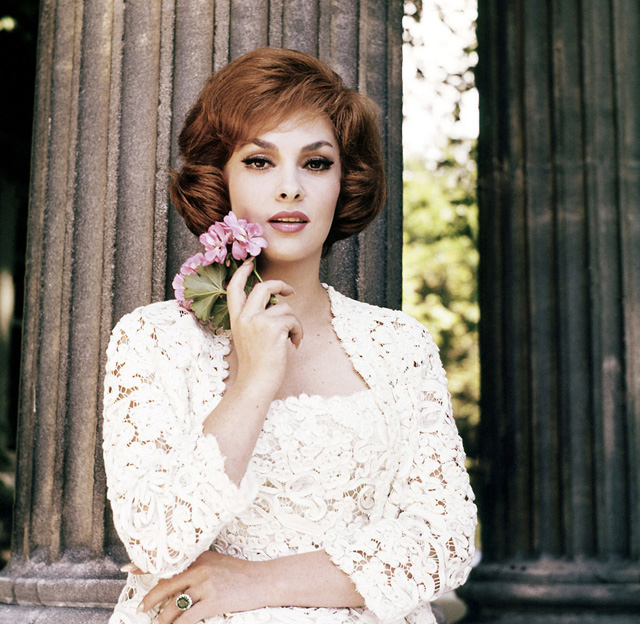
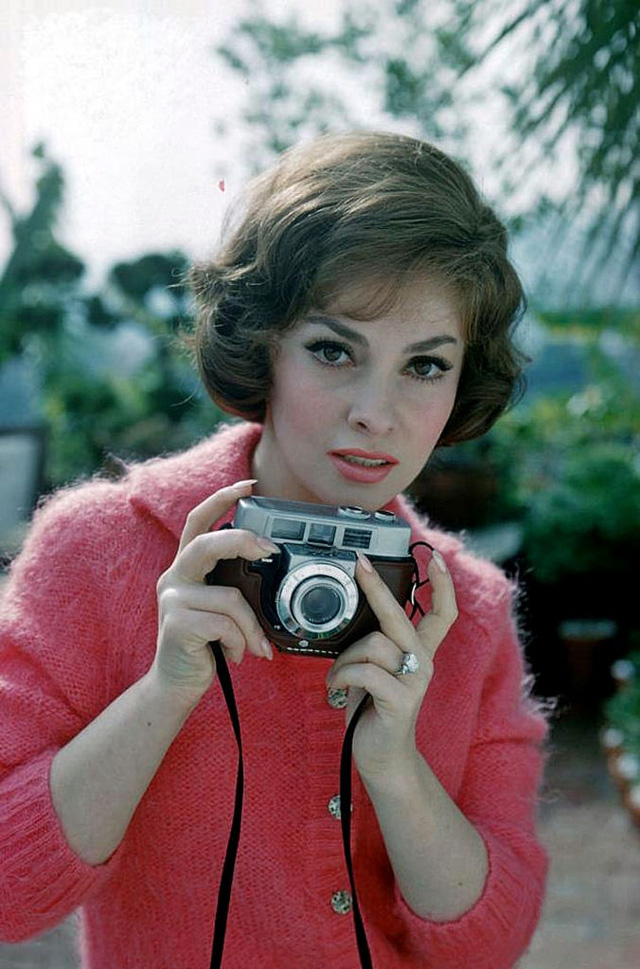
By the late 1970s, Gina Lollobrigida began moving in a new direction—one that many people didn’t expect. She stepped away from acting and gradually built a successful second career as a photographic journalist.
Behind the camera, she captured an impressive range of world-famous figures, photographing names such as Paul Newman, Salvador Dalí, Henry Kissinger, David Cassidy, Audrey Hepburn, Ella Fitzgerald, and even the Germany national football team. In 1974, she achieved one of her most notable journalistic milestones when she secured an exclusive interview with Cuban leader Fidel Castro.
Over the years, she also shared her photographic work through publishing. Between 1972 and 1994, she released six photo collections, including the 1973 volume Italia Mia, which highlighted her deep connection to her homeland.
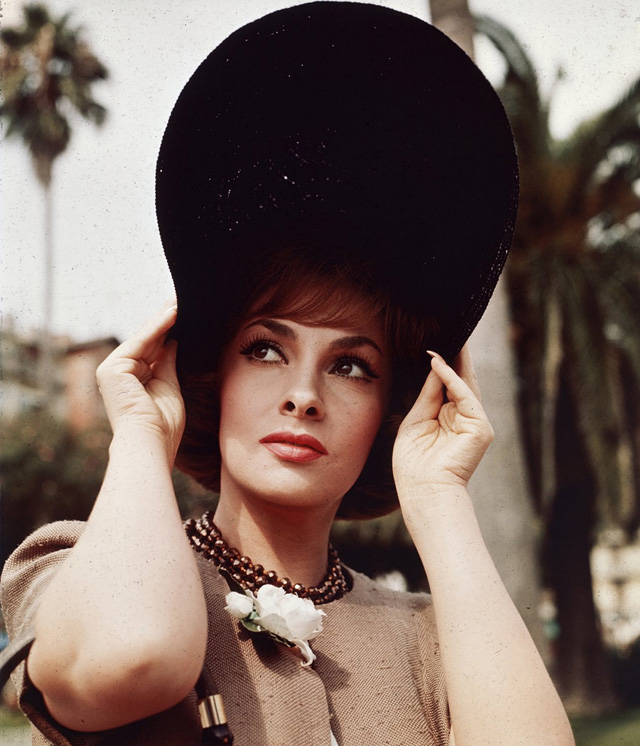
Beyond her fame and public image, Gina Lollobrigida’s humanitarian work added another powerful dimension to her legacy. Her philanthropic efforts helped shape how people remembered her—not only as a glamorous star, but as someone deeply compassionate and genuinely committed to helping others.
She remained an active supporter of Italian and Italian-American initiatives for many years, especially through the National Italian American Foundation (NIAF). In 2008, her dedication was formally recognized when she received the NIAF Lifetime Achievement Award at the Foundation’s Anniversary Gala.
Then, in 2013, she made headlines for an extraordinary act of generosity—selling her jewellery collection and donating nearly US$5 million from the sale to support stem-cell therapy research.
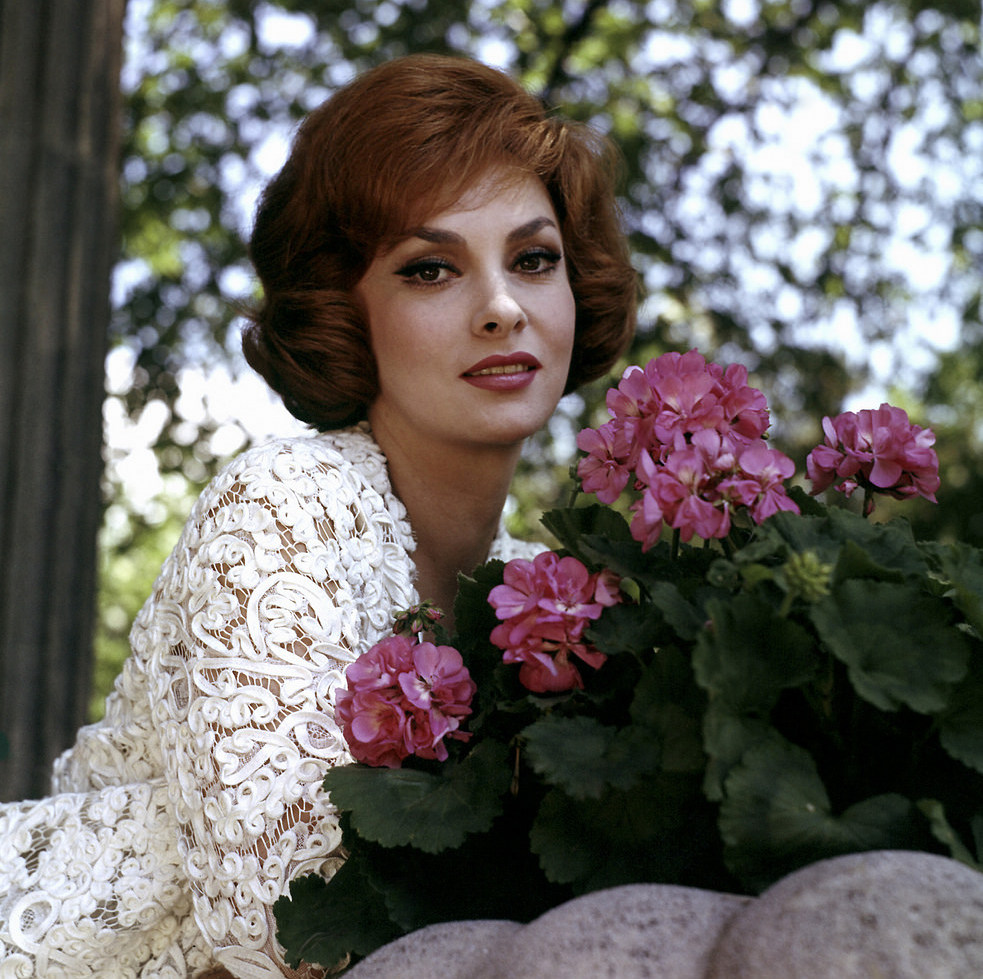
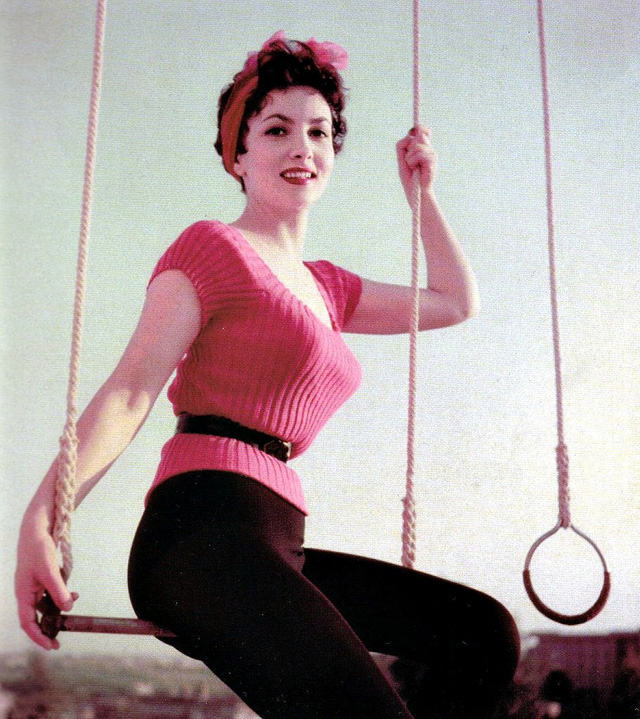
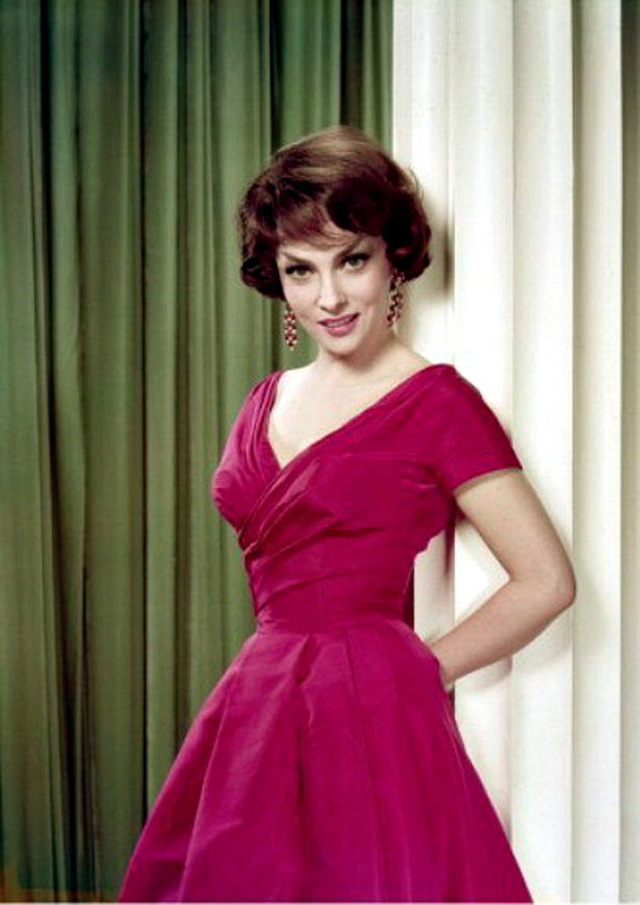

(Photo credit: Pinterest / Wikimedia Commons / Flickr).

No Comments