

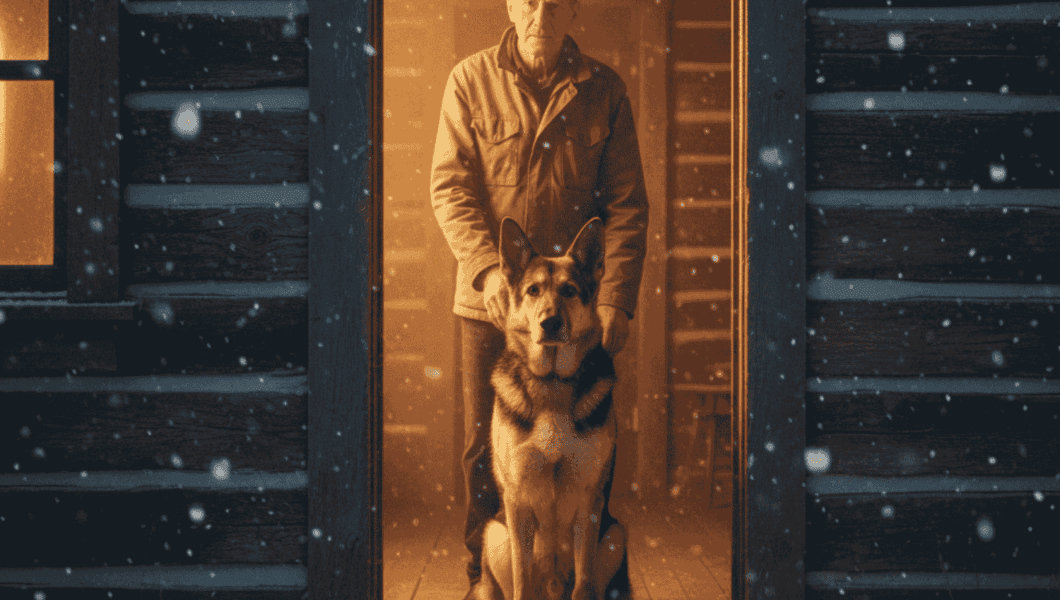
Fifty years ago, I left a soldier behind in the jungle.
Last week, I walked into an animal shelter and found him waiting for me in a cage.
I don’t expect anyone to understand what that sentence feels like in the chest. Not the way it lands in a man who has spent most of his life practicing silence like it’s a discipline. But it’s the truth, and lately, truth is the only thing that keeps rising up no matter how neatly I try to bury it.
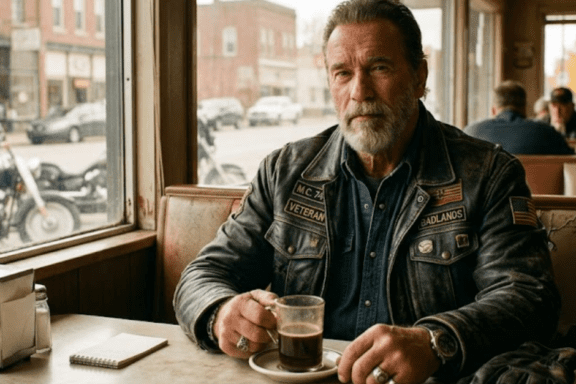
The mountains of Montana are a good place to hide from ghosts.
They don’t talk back. They don’t ask questions. They don’t notice the way your hands tremble when the wind shifts a certain way. They don’t watch your face when you go quiet in the middle of a sentence, because your mind just stepped into another decade.
For a man of seventy-eight with a head full of things better left unsaid, that kind of silence is mercy.
My days run like they always have, even when I pretend I’m retired. Coffee at 0600. Perimeter walk at 0800. Tools put back exactly where they belong. Bourbon at 1800, poured carefully like it’s medicine. The cabin stays clean. The woodpile stays stacked. The Ford stays ready.
Order is how you keep chaos from crawling into the cracks.
Because chaos still lives in me.
It has a smell. Mud, metal, sweat, wet leaves. It has a sound. Distant shouting. Radio static. Boots hitting earth too fast. And it has a name I haven’t spoken out loud in years without tasting blood in my mouth.
Miller.
My brother in arms.
Lost to an ambush I led him into.
I came home.
He didn’t.
I’ve spent decades telling myself I survived because I was strong. Because I was lucky. Because God had plans.
But late at night, when the stove pops and the cabin shifts in the cold, the truth has a louder voice.
I survived because someone else didn’t.
That’s the kind of arithmetic war teaches you.
It’s also the kind of arithmetic that doesn’t let you sleep.
In the last year, the silence has been getting louder.
It’s hard to explain this to people who haven’t lived with memory as an enemy. They think quiet should help. They think peace is empty.
But quiet is where the ghosts find room.
They slip into the parts of the day where you’re unguarded. They arrive in the stillness between chores. In the pause after you lock the door. In the moment when the coffee finishes dripping and nobody is there to speak.
That’s why I drove down to the county shelter.
I told myself I needed an alarm system. Something with teeth and a bark. Something that would make the cabin feel less empty.
It was a lie, of course.
I wasn’t looking for protection.
I was lonely.
The shelter hit me the second I stepped inside. That sound, loud and desperate and alive. Puppies yapping like the world was a game. Older dogs crying out like the world was a door that had closed and wouldn’t reopen.
The smell was sharp and clean and sad.
I walked past the cages of bright-eyed youngsters, all legs and hope. They stared at me like I was salvation. Like I could be their whole future with a signature and a leash.
But I felt nothing.
Not because I’m cruel.
Because I know what it is to have too much hope placed on you.
Because I didn’t want a dog who needed me to be young again.
I wanted one who understood what it meant to be tired.
“Looking for anything in particular?” a young volunteer asked.
She couldn’t have been more than twenty-two. Ponytail, kind eyes, the sort of face that still believes the world is fixable.
“Got any old ones?” I grunted. “Ones that are done with all this noise.”
She blinked like she wasn’t sure she heard me right. Then she nodded.
“Yeah,” she said softly. “We do.”
She led me through a hallway toward the back. The noise dropped the farther we walked, like the building itself understood that some lives don’t ask to be announced.
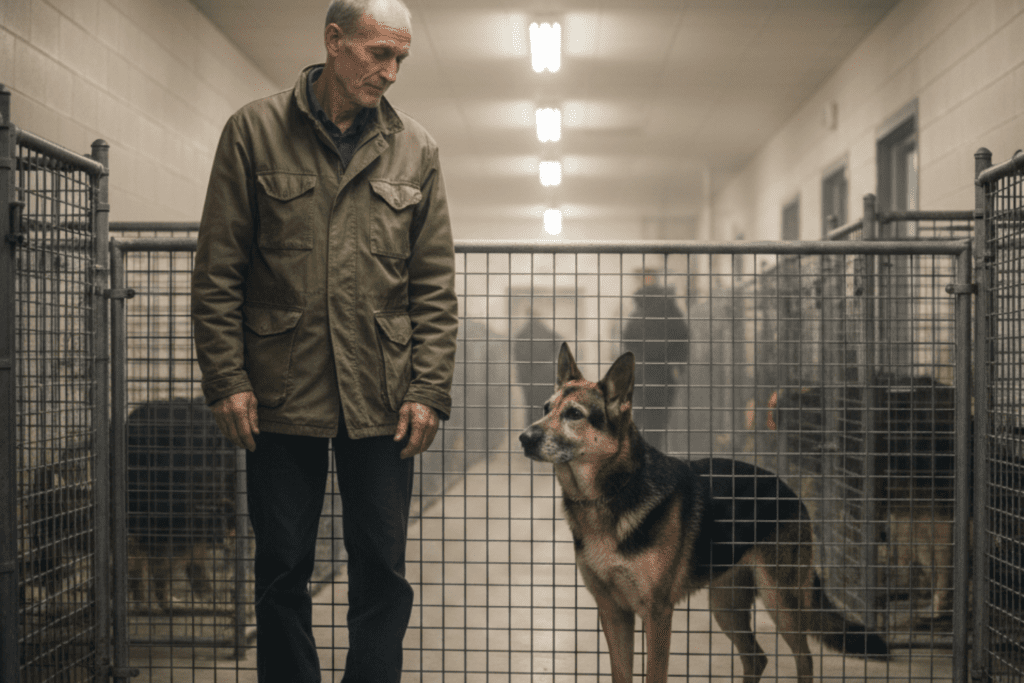
At the very end, in a solitary kennel, lay a German Shepherd.
Not young. Not glossy. Not begging.
He was stretched out on a thin gray blanket like it was a bunk bed in some forgotten outpost. His coat was magnificent in the way old uniforms can still be magnificent even when they’re worn thin. Black and tan, peppered with gray around the muzzle. His eyes, burnt caramel, didn’t plead.
They watched.
Assessed.
Measured.
A small card was clipped to the bars.
Buddy, 10 years old. Retired K-9. Injured in the line of duty.
He rose slowly as we approached. No frantic barking. No jumping. Just a controlled movement, deliberate and practiced.
Then I saw it.
The limp.
Back left leg, stiff and guarded.
There are certain things you recognize immediately when you’ve spent your life around men who didn’t come back the same. A shoulder that doesn’t lift like it used to. A hand that won’t close properly. The pause before walking down stairs.
Not weakness.
Damage.
The word that hit me wasn’t “injured.”
It was decommissioned.
A tool that did its job until it couldn’t.
A soldier with no more use to the people who issued him orders.
Buddy stood there with his head high. He didn’t whine. He didn’t dance for attention. He carried his scars the way my generation was taught to carry ours.
Without complaint.
Without ceremony.
The volunteer watched me. “He’s a good boy,” she said. “Just… older. And he doesn’t warm up fast.”
I stared at the dog.
He stared right back.
Not fear.
Not aggression.
Recognition.
I felt it so hard I had to swallow twice. The inside of my throat tightened like it wanted to close.
I don’t know what expression crossed my face, but the volunteer stepped back, as if she sensed something private passing between us.
“I’ll take him,” I said, voice hoarse.
Buddy didn’t bark.
He didn’t wag in the dramatic way puppies do.
He simply stepped forward, pressing his nose briefly to my fingers through the bars, like he was reading a name patch.
Then he sat.
Ready.
Life with Buddy wasn’t about play.
Not really.
It wasn’t fetch in a sunny yard. It wasn’t social media smiles. It wasn’t the kind of dog story people post when they want to feel good for a minute.
It was companionship.
The deep, quiet kind.
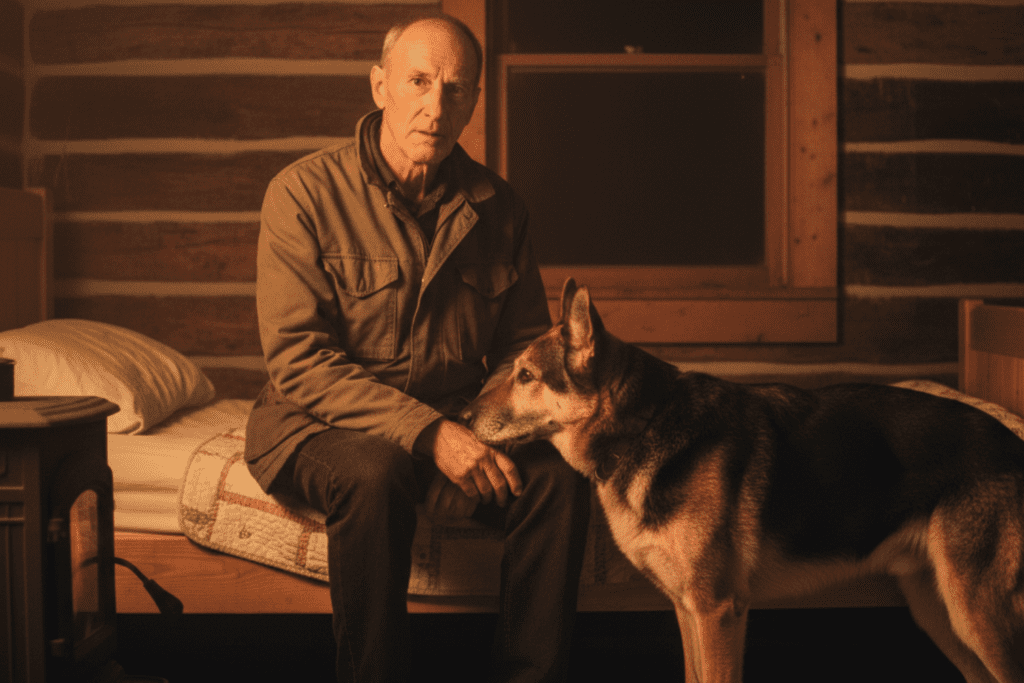
We became two old veterans sharing a silent watch on a small outpost. Every morning we walked the property line together. He with his limp. Me with mine. He never strayed far. Always kept me in sight like it was instinct. Like it was duty.
I fed him at the same time every day.
He ate without rushing. No anxiety. No guarding. A working dog’s calm.
At night, he slept near the stove, but never too deeply. Every sound woke him. Every shift in the dark pulled his head up. Not fear. Awareness.
Some nights the nightmares came for me like they always have. Not every night. I don’t get that luxury anymore. But often enough.
I would wake up shouting Miller’s name, heart hammering against ribs that can’t take too many surprises at my age.
For years, the worst part came after the shouting.
The crushing silence.
The emptiness that follows panic.
But now, there was weight.
Buddy would rise from his spot and come to me, slow and steady. He would rest his heavy head on my knee like an anchor dropped in deep water. His breathing would fill the cabin, low and calm, a reminder that I was here.
That it was now.
That I was not in the jungle anymore.
His presence didn’t erase the past.
But it kept it from swallowing me whole.
Then the blizzard came.
Montana doesn’t announce those politely. One day the sky is merely gray, the next day it’s a wall. The kind of storm that erases roads and makes the world feel small and trapped.
The power went out just after dusk.
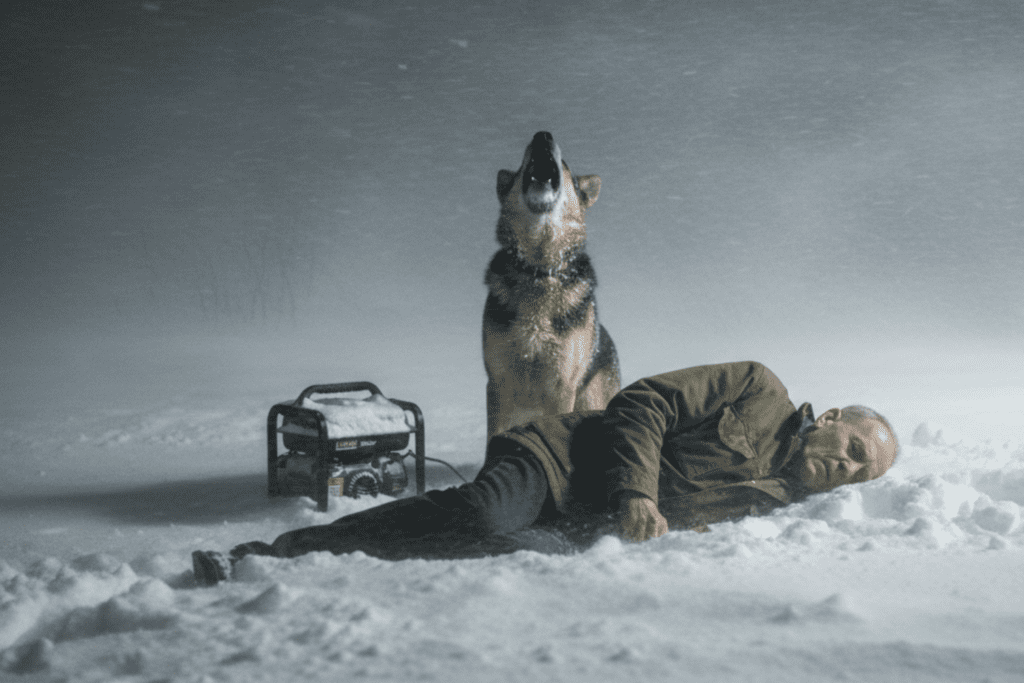
The cabin fell into darkness except for the orange belly of the wood stove. I lit a lantern and pulled on my coat. The generator sat outside behind the shed, stubborn and old, like me.
Buddy watched me from the doorway, ears alert. He didn’t whine. He didn’t pace. He simply watched, ready.
“I’ll be right back,” I muttered out of habit, like anyone was listening.
I stepped out into the storm.
Wind hit like a shove. Snow stung my face. The world was nothing but white and noise. The kind of noise that doesn’t feel like weather. It feels like threat.
I reached the generator and knelt, fingers already going numb.
The wind howled in a high-pitched shriek.
And the sound did what sound sometimes does.
It turned into something else.
It became incoming fire.
The swirling snow became jungle smoke.
The dark behind my eyes filled with movement I didn’t invite. Shouting. Running. The awful sense of being too late.
Suddenly, I wasn’t in Montana anymore.
I was back there.
Back in the muck.
And Miller was shouting.
And I couldn’t see him.
My legs gave out without discussion.
I collapsed into a snowdrift, the cold instantly seeping through my clothes. I tried to push up and failed. My hands fumbled in the snow like a man who forgot what hands are for.
A terrible calm settled over me.
This is it, I thought.
This is where I finally pay for leaving him.
I don’t know how long I lay there.
Seconds can stretch when the mind is elsewhere.
Then, through the fog of memory, came a sound that didn’t belong to war.
A bark.
Not playful.
Not warning.
Desperate.
Powerful.
Buddy.
He barreled through the storm like he’d been born for it. He shoved his face against mine, whining once, then barking again, louder. Snow clung to his fur. His breath steamed in frantic bursts.
He licked my face, rough tongue scraping away tears I didn’t know I was crying.
He couldn’t drag me.
Not with his bad leg.
But he refused to leave.
He stood over me, barking into the white fury, a lone sentinel at his post, calling for help from a world that was too busy being a storm.
And in that moment, something inside me broke.
Not a dramatic break.
Not an inspirational one.
A quiet shattering.
Fifty years of guilt splintered.
Because this broken, forgotten old soldier hadn’t left me behind.
He stayed.
He held the line.
Somewhere in me, a strength I thought was long dead sat up.
I got to my hands and knees and crawled.
Not heroic.
Not fast.
Just forward.
I followed the sound of Buddy’s barks like they were a beacon. His solid shape moved ahead of me, then looked back, then moved again, never too far. Always keeping me in sight.
It wasn’t the way a pet guides a man.
It was the way a partner does.
When I finally reached the porch, my fingers caught the edge of the steps. I hauled myself up, shivering violently. Buddy pressed into my side, lending his weight like he understood balance in more ways than one.
Inside, the cabin felt like a different planet.
Warm. Dim. Alive.
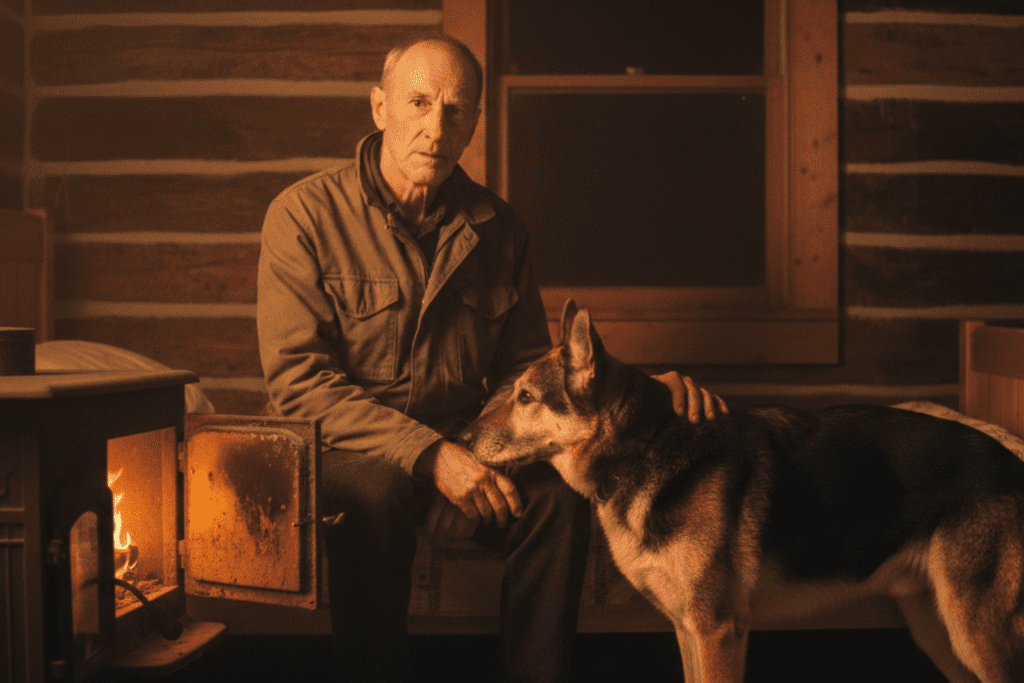
I collapsed onto the rug near the wood stove, panting like I’d run miles. Buddy lowered himself beside me, breathing hard.
In the quiet that followed, I stared at him.
Not just at the dog.
At what he represented.
At what he had done.
He had saved my life out there, yes.
But it wasn’t only my life.
He had pulled me back from the part of me that still wanted punishment. The part that still believed survival required payment.
Buddy rested his head on the floor, eyes half closed. His body finally eased. For the first time since the storm started, he allowed himself to be still.
I reached out and placed my hand on his neck.
His fur was damp. Thick. Real.
“Good soldier,” I whispered.
Buddy’s eyes flicked up to mine.
No wagging.
No fuss.
Just acknowledgement.
He blinked slowly, once, like he’d heard me.
After the storm, the days felt different.
Not easier.
Different.
Buddy limped beside me the same way he always had. I made the same coffee. I walked the same perimeter. The ghosts still existed.
But their grip changed.
Because for the first time in fifty years, I felt something I hadn’t allowed myself to feel.
I felt forgiven.
Not by God. Not by the world.
By something simpler and more honest.
By loyalty.
We talk about leaving no one behind like it’s a slogan. Like it’s something to print on posters. But the truth is, people get left behind all the time. In war. In life. In hospital rooms. In nursing homes. In shelters where older dogs stare through bars and wait.
Buddy was a veteran, too.
And someone had decided his service was finished, so his worth must be finished too.
But that’s not how it works.
Not for soldiers.
Not for dogs.
Not for anyone who gave their body to protect others.
I began taking him into town more. The hardware store. The post office. I watched people’s faces soften when they saw him. Not because he was cute. Because he had presence. The kind that makes you straighten without realizing it.
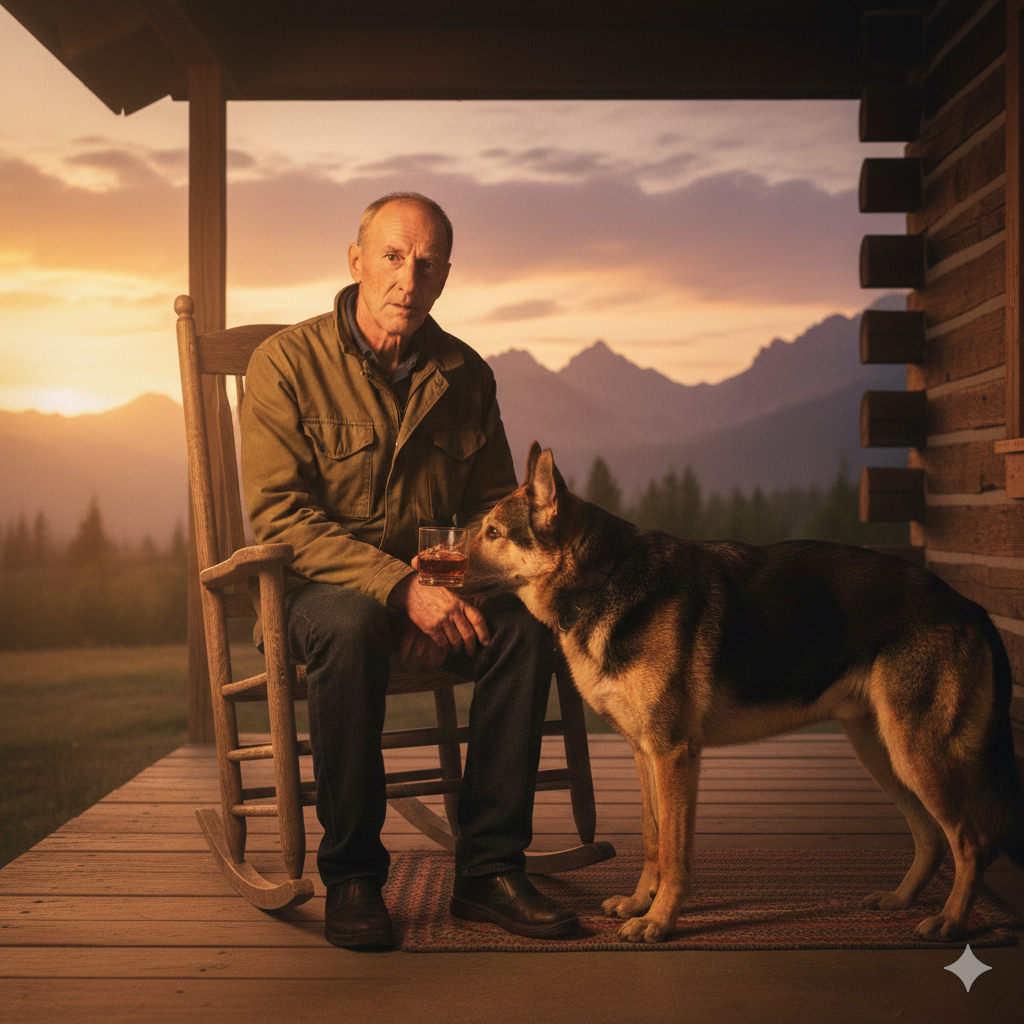
A week after the blizzard, I sat on the porch with my bourbon and watched Buddy sleep in the last pale light.
His paws twitched once.
Maybe dreaming.
Maybe remembering.
I thought about Miller then.
About his laugh. His cigarette habit. The way he wrote letters home like it was a sacred duty. The way he looked at me before we moved into the jungle that day, trusting me.
I closed my eyes.
“I’m sorry,” I said into the wind. “I’m sorry.”
Buddy lifted his head, as if he’d heard the shape of regret.
He stood, limped over, and pressed his head against my knee.
Not to comfort.
To remind.
I’m here. You’re here.
That simple.
That holy.
We are told to honor our veterans.
But we forget them the moment they stop being useful.
We forget the old and the scarred and the broken, whether they stand on two legs or four.
We notice their wounds, then turn away, because wounds make people uncomfortable.
Buddy didn’t make me comfortable.
He made me honest.
He reminded me that a soldier’s duty is never truly over. Sometimes it isn’t carrying a rifle. Sometimes it’s holding a man to the earth when memory tries to drag him away.
Buddy isn’t just a good dog.
He’s the last soldier of my platoon.
And this time…
this time, we both made it home.

No Comments