

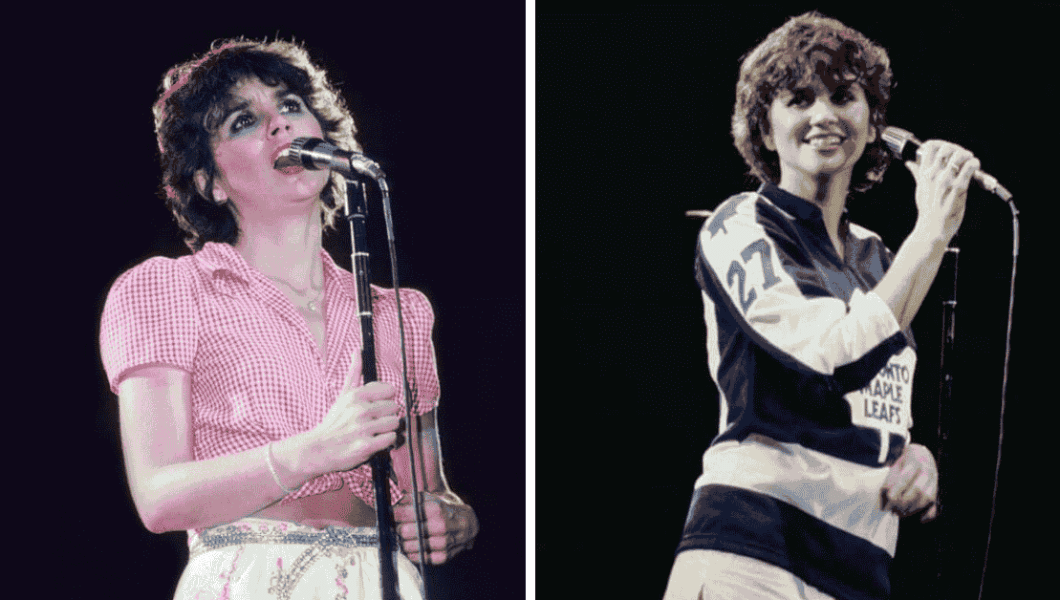
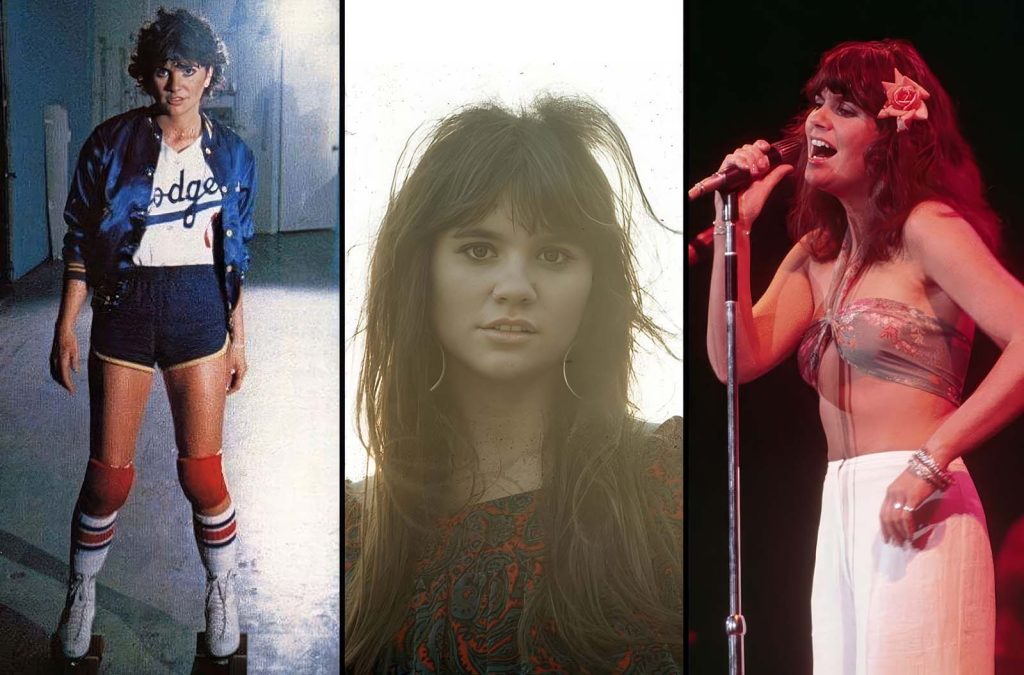
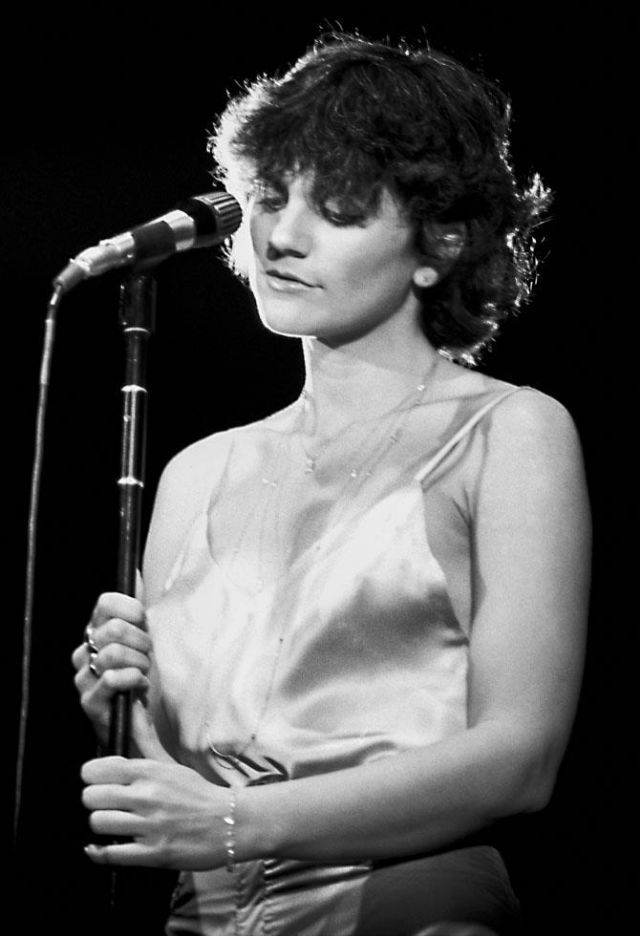
There was a time when Linda Ronstadt’s voice seemed to float through the California air—carrying the quiet hunger of a generation searching for something real.
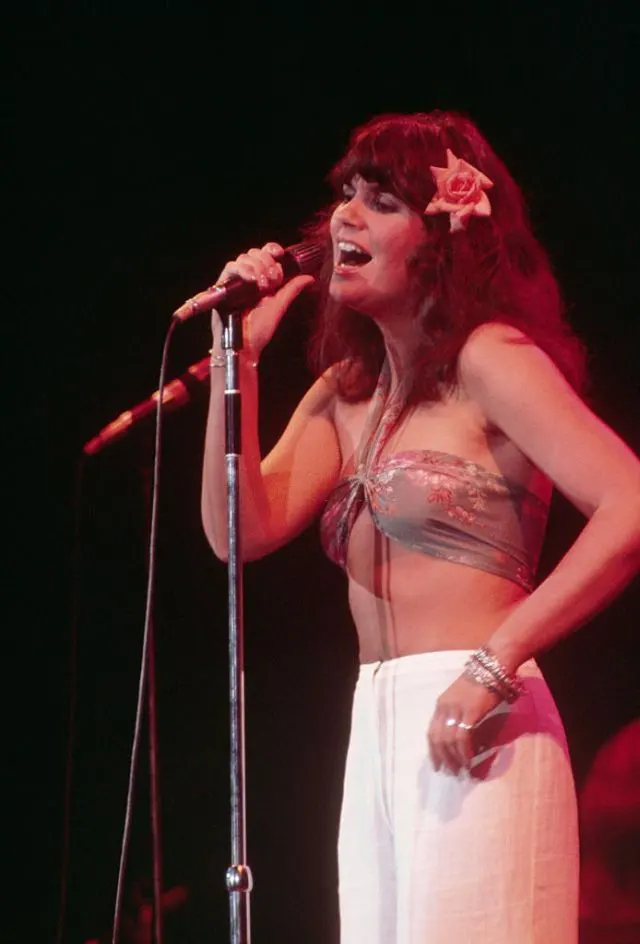
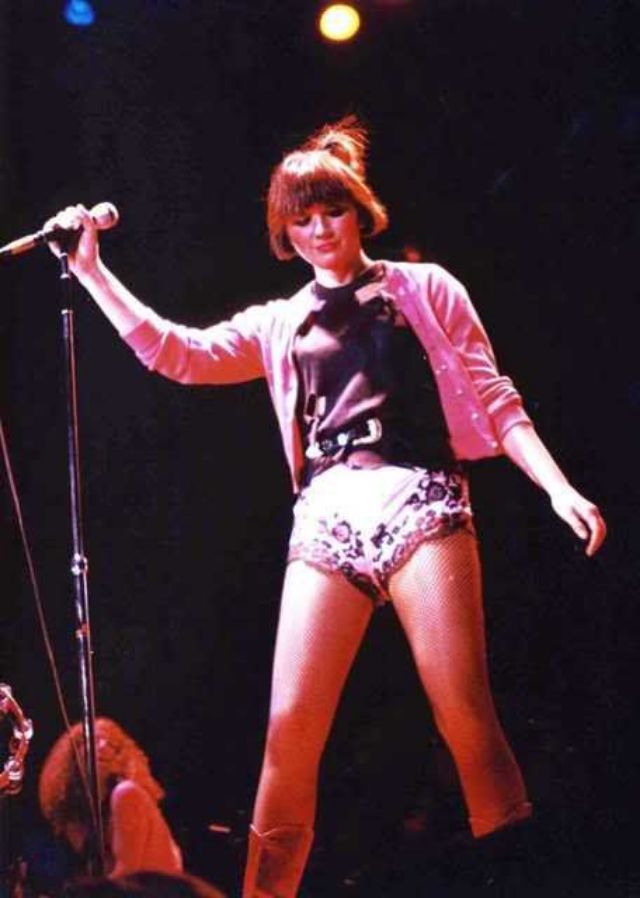
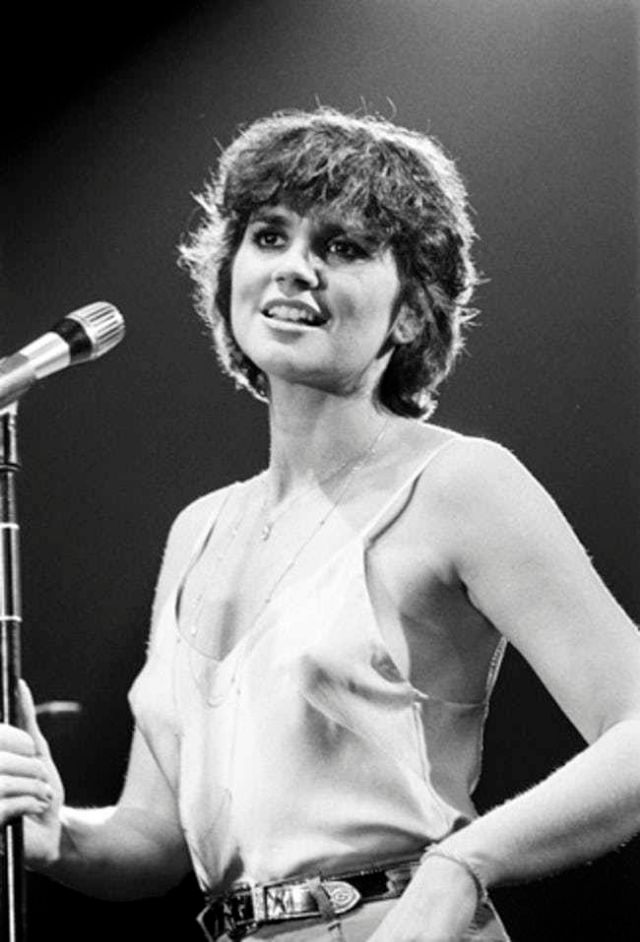
She began on small stages, armed with nothing but that clear, fearless soprano. It had a rare kind of power—strong enough to stop a room, yet intimate enough to feel like it was meant for you alone. People listened… and once they did, they wanted more.
Long before the awards, the record-breaking success, and the Hall of Fame honor, Linda was simply a young artist with sharp instincts and a bold ear. She knew how to weave country roots into the raw pulse of rock ’n’ roll—and she did it while carving out space in a music scene that was still, largely, built for men.

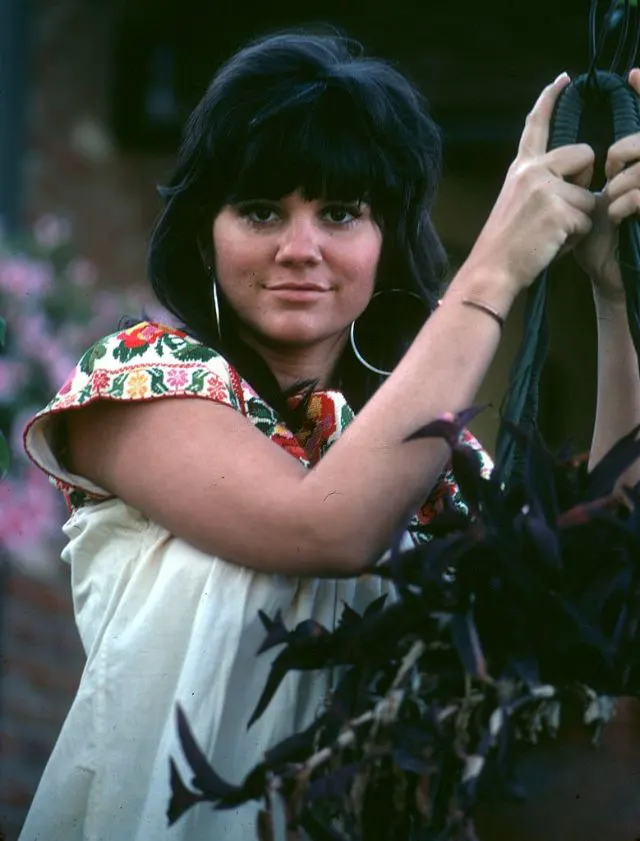
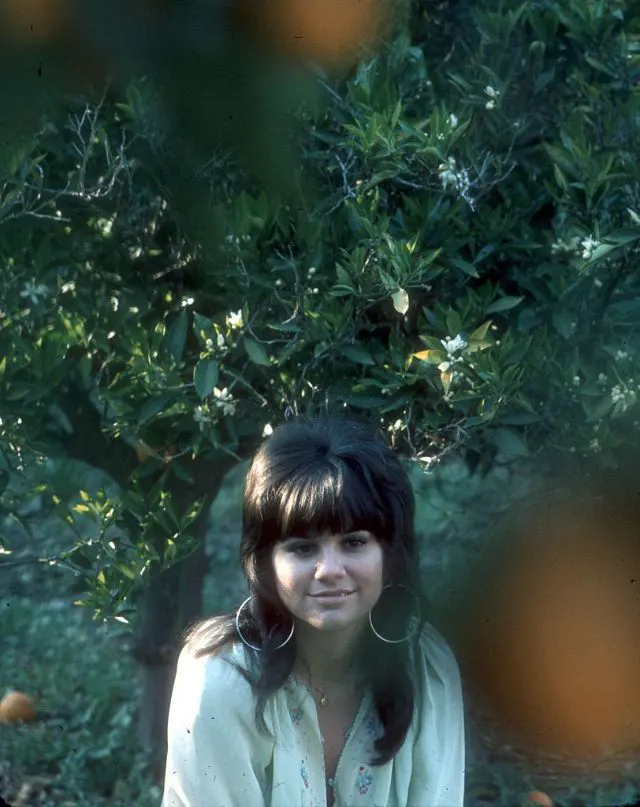
Ronstadt first began turning heads in the mid-1960s as part of the Stone Poneys, a folk-leaning trio that found its rhythm inside California’s buzzing music scene.
But it was her bold move in 1968—stepping out on her own and launching a solo career—that truly set everything in motion.
She was drawn to the work of rising songwriters like Neil Young and Jackson Browne, taking their songs and reshaping them through her own unmistakable voice. Around the same time, she was sharing stages with a wave of country-rock musicians—several of whom would soon come together to form the Eagles.
Those early collaborations said a lot about Linda: her curiosity, her willingness to explore sound, and her deep respect for songwriting. And in many ways, they helped lay the foundation for what country rock would become in the years ahead.
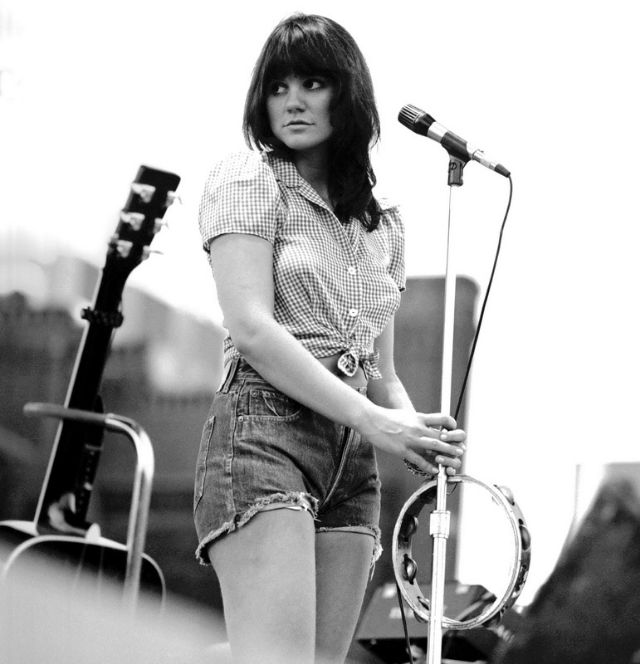
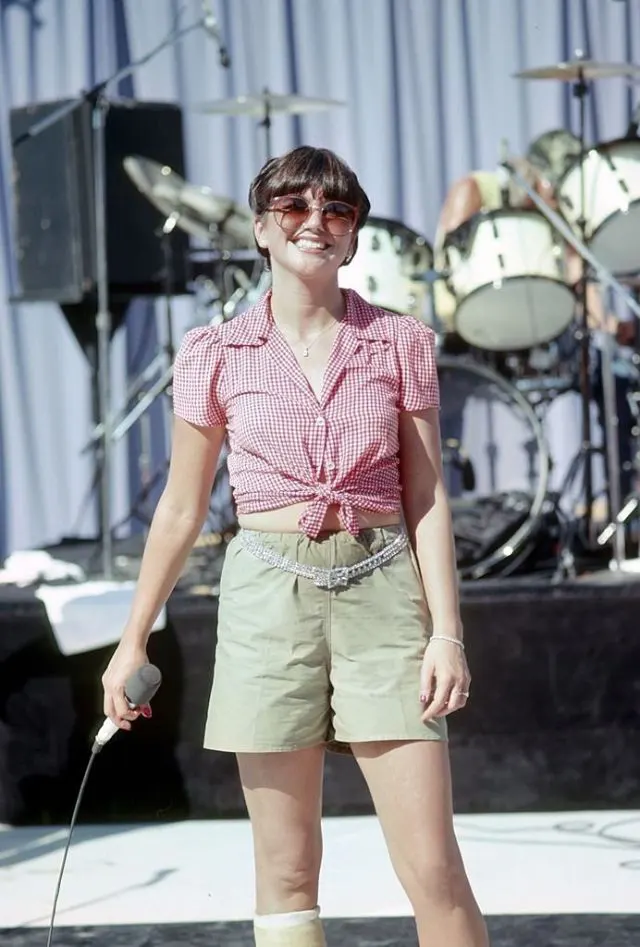
With the release of Heart Like a Wheel in 1974—produced by Peter Asher—Linda Ronstadt finally hit that rare sweet spot: both critical acclaim and massive commercial success. The album sold over a million copies and brought her first Grammy, marking a turning point in her career.
More than just a breakthrough record, it became the blueprint for her signature style. Ronstadt wasn’t confined to one sound—she could move effortlessly between rock ’n’ roll classics, traditional folk, and fresh modern songwriting, breathing new life into material from writers like Anna McGarrigle, Warren Zevon, and Elvis Costello.
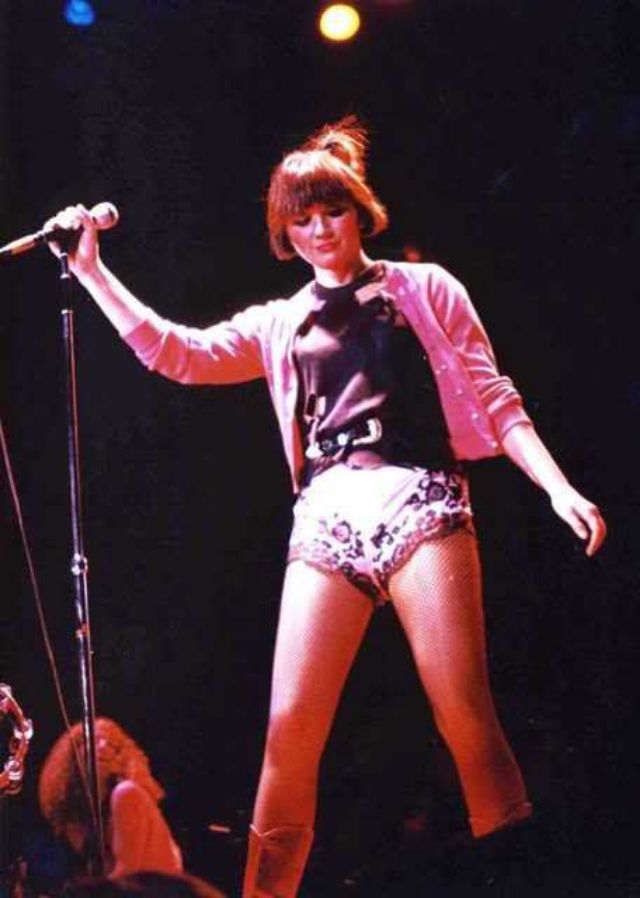
As the 1980s and 1990s unfolded, Linda Ronstadt continued to push beyond the boundaries people expected of her. Instead of staying in one lane, she widened her artistic world—fearlessly.
She even stepped onto Broadway in The Pirates of Penzance, later returning for the film adaptation, bringing the same commitment to the stage that she always gave in the recording studio.
And then came a collaboration fans had waited years for. Joining forces with Dolly Parton and Emmylou Harris, Ronstadt helped create the Trio albums—projects defined by stunning harmonies and a timeless kind of beauty. The result wasn’t just popular; it earned Grammy recognition, confirming how special their voices sounded together.

Even as her career began to slow—later shaped by a diagnosis that was identified as progressive supranuclear palsy—Linda Ronstadt’s place in music history never wavered.
She officially stepped away from performing, but her voice never truly left. It lives on through countless recordings, still reaching people in a way that feels personal, powerful, and timeless.
And in 2014, her induction into the Rock and Roll Hall of Fame became a fitting tribute—an overdue acknowledgment of a trailblazer who followed music wherever it led, and in doing so, helped reshape the sound and spirit of rock forever.
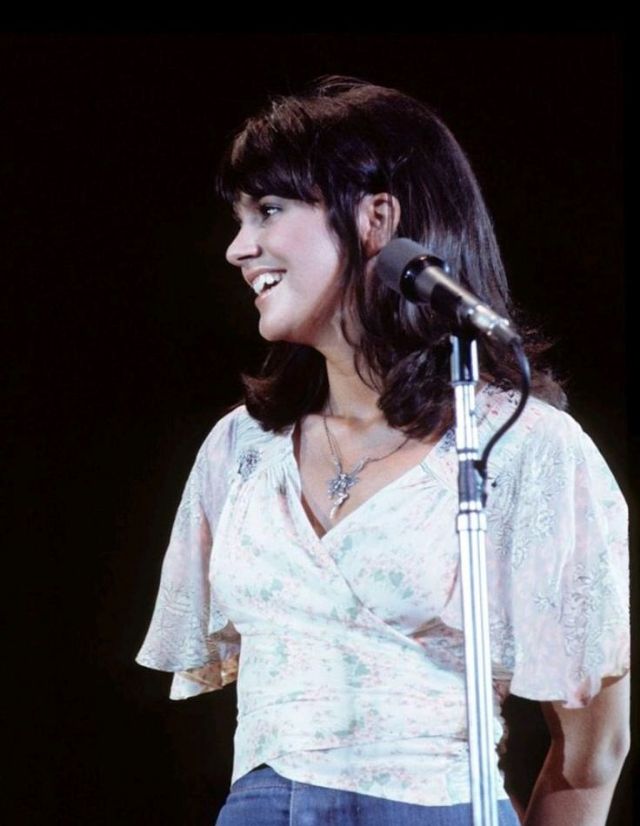
Her legacy was further recognized through a series of major honors, including the National Medal of Arts (2014), a Grammy Lifetime Achievement Award (2016), and a Kennedy Center Honor (2019).
Her story was also captured in the documentary Linda Ronstadt: The Sound of My Voice (2019), which explores both her music and the remarkable journey behind it.
Beyond the stage, Ronstadt shared her life in print as well. She published Simple Dreams: A Musical Memoir (2013), followed by Feels Like Home: A Song for the Sonoran Borderlands (2022), co-written with Lawrence Downes—a more personal work that even included recipes alongside her reflections.



No Comments